

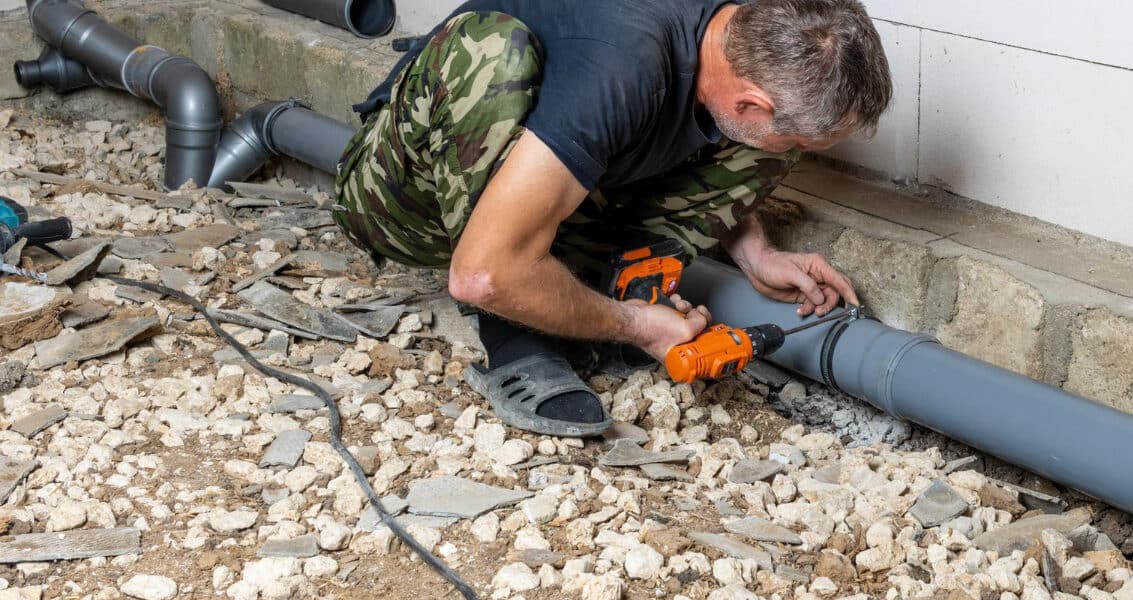
Professional sewer line repair services fix damaged pipes that carry wastewater away from your home using methods like trenchless repair, pipe lining, or traditional excavation.
Your home’s sewer line quietly handles waste removal every day, but when problems occur, they demand immediate attention. Damaged or clogged sewer lines can lead to sewage backups, unpleasant odors, and expensive property damage. Understanding when to call for professional help can save homeowners from costly repairs and health hazards.
The sewer line repair services range from minor repairs to complete line replacements, depending on the severity of the damage. Many companies offer emergency sewer services for urgent situations that cannot wait.
This guide walks through everything homeowners need to know about sewer line repairs. It covers warning signs to watch for, how professionals perform repairs, and the benefits of acting quickly when problems arise.
Here’s what you need to know:
- What are sewer line repair services?
- Signs you need sewer line repair services
- How professional sewer line repair is performed
- Benefits of timely sewer line repair services
- DIY vs professional sewer line repair
- Why choose Pro Sewer Repair for sewer line repair services
Keep reading to learn how to evaluate and hire sewer line repair services for fast, code-compliant residential and commercial repairs, including trenchless options and emergency response.
What are sewer line repair services?
Sewer line repair services handle the inspection, maintenance, and fixing of underground pipes that carry wastewater away from buildings to municipal sewer systems or septic tanks. These services address various pipe issues through different repair methods suited to residential and commercial properties.
Residential and commercial sewer repair
Residential sewer repair focuses on homes and small properties where sewer lines typically range from 4 to 6 inches in diameter. These repairs handle issues like tree root intrusion, pipe corrosion, and clogs that affect single-family homes or small apartment buildings.
Commercial sewer repair deals with larger systems that serve businesses, multi-unit buildings, and industrial facilities. These pipes often measure 8 inches or more in diameter and carry higher volumes of wastewater. Commercial repairs require more extensive equipment and planning due to the scale of the systems involved.
Both service types follow similar diagnostic processes but differ in complexity and scope. The repair timeline and costs vary based on property size and usage demands.
Types of sewer line problems addressed
Sewer line services fix several common pipe problems that can disrupt normal operation:
- Blockages from debris, grease buildup, or foreign objects
- Tree root intrusion where roots penetrate pipes seeking water
- Pipe corrosion from age or chemical reactions
- Cracks and breaks caused by ground shifting or physical damage
- Leaks that allow wastewater to escape into surrounding soil
- Bellied pipes that sag and create low spots where waste collects
Technicians use video camera inspections to identify the exact location and nature of problems. This diagnostic step helps determine which repair method will work best for each situation.
Trenchless vs traditional repair methods
According to the U.S. EPA, trenchless sewer rehabilitation methods (e.g., pipe bursting, CIPP) correct pipe defects with substantially less excavation, surface disturbance, and site restoration than traditional dig-and-replace approaches.
Traditional sewer repair requires digging trenches to access damaged pipes. Workers excavate the ground above the pipe, remove the damaged section, and install new pipe segments. This method works well for severe damage but disrupts landscaping and takes more time.
Trenchless sewer repair uses small access points instead of full trenches. Pipe lining inserts a flexible tube coated with resin into the damaged pipe, which hardens to create a new pipe inside the old one. Pipe bursting breaks apart the old pipe while simultaneously pulling new pipe into place.
Trenchless methods cost more upfront but save money on property restoration. They complete repairs faster and preserve yards, driveways, and landscaping that would otherwise need replacement.
Benefits of professional sewer line service
Professional technicians bring specialized equipment that homeowners cannot access. Video inspection cameras identify problems without guesswork. Hydro-jetting equipment clears tough blockages using high-pressure water streams.
Licensed professionals understand local building codes and permit requirements. They guarantee their work and carry insurance that protects property owners from liability during repairs.
Attempting DIY sewer repairs often leads to incomplete fixes or additional damage. Professionals diagnose root causes rather than just treating symptoms. They complete repairs correctly the first time, preventing recurring problems and emergency situations that cost more to fix later.
Signs you need sewer line repair services
Your sewer line gives clear warnings when something goes wrong. Problems like slow drains, bad smells, and wet spots in your yard signal that your system needs professional attention.
Slow or backed-up drains
Multiple drains backing up at the same time points to a sewer line problem. When just one sink or toilet drains slowly, the issue usually stays in that fixture. But when water backs up in several places at once, the main sewer line likely has a blockage.
Toilets often show the first signs since they connect directly to the sewer line. Water that rises in the toilet bowl when running the washing machine indicates a shared drainage problem. The same thing happens when flushing causes water to bubble up in the shower or bathtub.
Homeowners should watch for drains that work fine one day but suddenly slow down the next. This pattern suggests growing blockages in the main line. Tree roots, grease buildup, and pipe damage all cause these symptoms.
Foul odors from drains or yard
Sewer gas smells like rotten eggs and should never enter your home. A properly sealed sewer line keeps these odors trapped inside the pipes. When cracks or breaks develop, the smell escapes into bathrooms, basements, or the yard.
Strong odors near the foundation or in specific outdoor areas mark where sewage leaks into the soil. The smell gets worse during hot weather or after heavy water use. Fresh sewage produces an unmistakable scent that differs from regular outdoor smells.
Inside the house, sewer smells coming from multiple drains suggest main line damage rather than individual fixture problems. Even small cracks let enough gas through to create noticeable odors. These smells pose health risks and require immediate professional inspection.
Water pooling or soggy spots in your yard
Unexplained wet areas in the yard often mean sewage is leaking underground. These soggy patches appear even during dry weather when nothing else gets watered. The grass in these spots may look unusually green and healthy because sewage acts as fertilizer.
Homeowners should check for sunken areas or depressions along the sewer line path. As soil erodes from water damage, the ground above settles and creates low spots. Standing water that smells bad confirms sewage as the source.
Puddles that form repeatedly in the same location need investigation. The wet soil may feel soft or spongy when walked on. These signs indicate active leaking that worsens over time without repair.
Cracks, corrosion, or tree root intrusion in sewer lines
Tree roots naturally grow toward water sources and break into sewer pipes through small openings. Once inside, they expand and create major blockages. Older clay and cast iron pipes face the highest risk of root damage.
Visible cracks in exposed pipe sections show aging infrastructure that needs replacement. Corrosion eats through metal pipes and creates holes where sewage escapes. Cast iron pipes typically last 50-60 years before corrosion becomes severe.
Professional camera inspections reveal internal damage that homeowners cannot see. These inspections show root masses, separated joints, and collapsed sections. The footage helps plumbers determine whether repair or replacement makes more sense for the situation.
Frequent minor repairs without lasting results
Calling a plumber every few months for the same drain issues signals deeper sewer line problems. Temporary fixes like snaking drains only clear symptoms when the main line has structural damage. The blockages return quickly because the underlying problem remains.
Homeowners who keep treating individual fixtures waste money on repairs that do not last. A failing main sewer line affects every drain in the house. One professional inspection of the main line often reveals the true source of recurring problems.
Rising repair costs add up to more than addressing the main issue once. Plumbers recommend camera inspection when drain problems happen repeatedly. This proactive approach identifies whether the main sewer line needs repair or replacement.
How professional sewer line repair is performed
Professional sewer repair follows a structured process that combines modern diagnostic tools with proven repair techniques. Technicians start by identifying the exact problem location and severity, then select the most appropriate repair method based on the damage type and site conditions.
Initial inspection and diagnostics
A qualified plumber begins every sewer line repair by evaluating the system’s condition. This step prevents guesswork and ensures the right solution for each unique situation.
The plumber examines visible signs of problems like slow drains, sewage odors, or wet spots in the yard. They ask the homeowner about recurring clogs, gurgling sounds, or changes in water flow. This information helps narrow down potential issues before any equipment gets deployed.
Common warning signs plumbers investigate:
- Multiple backed-up drains in the home
- Sewage backing up through floor drains
- Unusually lush patches of grass above the sewer line
- Foundation cracks or settling
- Increased water bills without explanation
The plumber may also review the home’s age and previous maintenance records. Older homes with clay or cast iron pipes face different issues than newer properties with PVC lines.
Video camera inspection of sewer lines
Modern sewer diagnostics rely on high-resolution camera systems that travel through the pipe. A waterproof camera attached to a flexible cable feeds real-time footage to a monitor above ground.
The camera reveals the pipe’s interior condition in detail. Technicians spot cracks, blockages, root intrusion, collapsed sections, and corrosion that would otherwise remain hidden underground. The camera also measures the exact distance from the entry point to the problem area.
This technology eliminates the need to dig exploratory holes across the property. The footage gets recorded so homeowners can see the damage themselves. The video also serves as documentation for insurance claims or warranty purposes.
The inspection identifies not just current problems but potential future issues. Small cracks or minor root growth can be addressed before they become emergencies.
Choosing the right repair method: trenchless or excavation
The inspection results determine which repair approach makes the most sense. Two main methods exist: traditional excavation and trenchless repair.
Traditional excavation involves digging a trench to expose the damaged pipe section. Workers then repair or replace the affected area. This method works well for severely collapsed pipes, extensive damage, or situations where the pipe needs complete replacement. It costs less in materials but requires significant labor and landscape restoration.
Trenchless repair accesses the pipe through existing openings like cleanouts. Technicians can reline pipes or pull new ones through without major digging. This approach costs more upfront but saves money on property restoration. It works best for pipes with moderate damage that still maintain structural integrity.
| Factor | Traditional Excavation | Trenchless Repair |
| Property disruption | High | Minimal |
| Time required | 2-5 days | 1-2 days |
| Landscape restoration | Extensive | Minor |
| Pipe condition needed | Any condition | Structurally sound |
The plumber considers the damage severity, pipe location, soil conditions, and budget constraints. Pipes under driveways or mature landscaping often make better candidates for trenchless methods.
Pipe replacement, relining, or cleaning
Once the method is chosen, the actual repair work begins. The specific technique depends on what the camera inspection revealed.
Pipe relining involves inserting a resin-coated liner into the existing pipe. The liner inflates and cures in place, creating a new pipe inside the old one. This seals cracks and blocks root entry points. The new liner typically lasts 50 years or more.
Pipe replacement removes the damaged section entirely. Workers install new pipes made from PVC or other durable materials. This option addresses collapsed sections or pipes damaged beyond repair.
Hydro jetting clears blockages using high-pressure water streams. Water blasts through grease buildup, debris, and small root intrusions. This cleaning method removes obstructions without damaging the pipe walls. It typically costs between $250 and $800 depending on the clog severity.
Some repairs combine multiple techniques. A plumber might clear roots with hydro jetting, then install a liner to prevent regrowth.
Post-repair testing and verification
The repair isn’t complete until the system passes performance tests. Plumbers verify the work solved the problem and the line functions properly.
Technicians run water through the system to check for proper flow and drainage. They monitor for any backup or slow drainage that would indicate incomplete repairs. Another camera inspection confirms the repair quality and ensures no new issues emerged during the work.
The plumber checks all connections and seals for leaks. They test the system under normal operating conditions to simulate real-world use.
Most professional services provide documentation of the completed work. This includes before and after camera footage, warranty information, and maintenance recommendations. The plumber explains what was done and how to prevent future problems through proper care and regular maintenance.
Benefits of timely sewer line repair services
Fixing sewer line problems quickly saves money and protects homes from serious damage. Acting fast helps homeowners avoid health risks, water damage, and system failures that cost thousands to fix.
Prevents water damage and contamination
Damaged sewer lines leak sewage into the ground around a home’s foundation. This sewage contains harmful bacteria and waste that can seep into basements, crawl spaces, and yards. When homeowners wait too long to fix these leaks, the contaminated water spreads further and creates larger problems.
Raw sewage exposure poses serious health risks to families and pets. The bacteria in untreated wastewater can cause infections, respiratory problems, and other illnesses. Quick repairs stop the spread of contamination before it reaches living spaces.
According to the U.S. EPA, sanitary sewer overflows (SSOs) contain pathogens (bacteria, viruses, protozoa, helminths) that can threaten public health and damage property—prompt professional response helps reduce these risks.
Water damage from sewer leaks weakens building materials over time. Concrete foundations crack, wooden structures rot, and drywall becomes moldy. Professional sewer line service technicians can identify and fix leaks before they compromise a home’s structural integrity.
The smell from sewer leaks also makes homes unlivable. Once sewage soaks into walls, floors, and soil, removing the odor requires extensive cleanup. Timely repairs prevent this contamination from happening in the first place.
Reduces risk of recurring backups
Sewer backups happen when blockages or damage prevent wastewater from flowing away from a home. These backups force sewage to come up through drains, toilets, and shower fixtures. A single backup often signals deeper problems in the sewer line that need professional attention.
Ignoring the first signs of backup leads to more frequent and severe incidents. Each backup increases the risk of property damage and health hazards. Fixing the underlying sewer line issue stops this cycle.
Professional sewer line service providers use cameras to find the exact location and cause of backups. They can see cracks, tree root invasions, and collapsed pipes that homeowners cannot detect on their own. This precise diagnosis leads to targeted repairs that solve the problem completely.
Prompt repairs also prevent emergency situations during inconvenient times. Sewer lines often fail completely at night or during holidays when emergency service costs more. Regular maintenance and quick fixes reduce the chance of these expensive emergencies.
Extends the lifespan of your sewer system
Sewer lines typically last 50 to 100 years depending on the materials used. However, small problems can shorten this lifespan significantly if left unaddressed. Cracks grow larger, corrosion spreads, and minor blockages become complete failures.
Early repairs fix damage before it affects the entire system. Replacing a short section of damaged pipe costs much less than replacing the whole line. Professional technicians can patch, reline, or repair specific problem areas while leaving the rest of the system intact.
Key factors that affect sewer line lifespan:
- Material quality (clay, cast iron, PVC)
- Soil conditions and ground movement
- Tree root intrusion
- Regular maintenance frequency
- Speed of repair response
Proper maintenance combined with timely repairs can help a sewer system reach or exceed its expected lifespan. This saves homeowners from the major expense of full system replacement.
Improves overall plumbing efficiency and performance
A damaged sewer line affects every drain in a home. Slow drains, gurgling sounds, and poor water pressure all indicate sewer line problems. These issues make daily activities like showering, washing dishes, and doing laundry frustrating and time-consuming.
When sewer lines function properly, wastewater flows away quickly and consistently. Fixtures drain at normal speeds, and water pressure stays stable throughout the home. Timely repairs restore this efficiency by removing blockages and fixing structural damage.
Professional sewer line service addresses problems that homeowners cannot fix with basic plumbing tools. Store-bought drain cleaners and plungers only provide temporary relief for symptoms without solving the root cause. Expert technicians use specialized equipment to make lasting repairs.
Better plumbing performance also reduces water waste. Leaking sewer lines allow clean water to escape before reaching its destination. Fixing these leaks helps homeowners use water more efficiently and potentially lower their utility bills.
DIY vs professional sewer line repair
Professional sewer line repair provides trained expertise and proper equipment, while DIY attempts can lead to safety hazards, code violations, and costly mistakes that require professional fixes anyway.
Safety concerns with sewer line work
Sewer line work exposes people to raw sewage containing harmful bacteria like E. coli, salmonella, and hepatitis A. Contact with these materials can cause serious illness without proper protective equipment and handling procedures.
Underground utility lines pose another major danger. Digging without knowing the exact location of gas, electric, and water lines can result in explosions, electrocution, or flooding. Professional plumbers use locating equipment and contact utility companies before starting any excavation.
Sewer gases like methane and hydrogen sulfide build up in pipes and trenches. These gases can cause dizziness, unconsciousness, or even explosions in confined spaces. Professionals use gas monitors and ventilation equipment to work safely.
Trench collapse represents a life-threatening risk during sewer line replacement. Soil can shift without warning and trap workers. Licensed contractors follow OSHA regulations for trench shoring and safety systems that prevent cave-ins.
Per OSHA, trenches 5 feet or deeper require a protective system (sloping, shoring, or shielding), and deeper excavations (≥20 feet) need a system designed by a registered professional engineer.
Risks of improper repair or installation
Incorrect pipe slope prevents waste from flowing properly and causes recurring backups. Sewer lines need a specific grade of 1/4 inch per foot to function correctly. Improper measurements or installation lead to standing water and clogs.
Wrong materials or connections create leaks that damage foundations and contaminate soil. Modern building codes require specific pipe types and joining methods. Using incompatible materials causes joint failure within months.
Failed repairs often cost more to fix than hiring a professional initially. Homeowners may damage additional pipes, create new leaks, or make the original problem worse. Professional plumbers guarantee their work and return to fix issues at no extra cost.
Ensuring long-term reliability and compliance with local codes
Building permits and inspections are required for most sewer line repairs. Local codes specify pipe materials, depths, slopes, and connection methods. Unpermitted work can result in fines and mandatory removal when discovered during property sales or other inspections.
Professional plumbers carry licenses and insurance that protect homeowners from liability. If a repair causes property damage or injury, the contractor’s insurance covers costs. DIY work leaves homeowners fully responsible for any problems that occur.
Warranty coverage provides years of protection after professional repairs. Most plumbing companies offer 1-5 year warranties on parts and labor. This coverage includes return visits to address any issues without additional charges.
Code-compliant installations prevent future problems with health departments and building officials. Proper venting, backflow prevention, and connection methods ensure systems work safely for decades. Professionals stay current with changing regulations and best practices.
Why choose Pro Sewer Repair for sewer line repair services
Pro Sewer Repair brings specialized expertise and modern technology to every sewer line project. The company focuses on delivering efficient solutions that protect properties while solving drainage problems quickly.
Experienced residential and commercial plumbing specialists
Pro Sewer Repair has served the Seattle area since 2017, building a strong reputation with both homeowners and business owners. The team handles a wide range of sewer and drainage issues across different property types.
Their technicians understand the unique challenges that come with urban plumbing systems. They work on everything from small residential clogs to large commercial line replacements.
Each team member receives training in current repair methods and safety standards. This background helps them identify problems accurately during inspections.
The company’s experience covers traditional excavation repairs and newer trenchless methods. This knowledge allows them to recommend the best approach for each specific situation.
Advanced equipment for trenchless and traditional repairs
Pro Sewer Repair uses specialized cameras to inspect sewer lines from the inside. These cameras travel through pipes to find cracks, blockages, and other damage without digging.
The company specializes in trenchless repair technology. This method fixes or replaces pipes through small access points rather than digging long trenches across yards.
Trenchless options include:
- Pipe bursting for full line replacement
- Pipe lining for sealing cracks and leaks
- Spot repairs for localized damage
When traditional excavation makes more sense, they have the equipment to complete those projects too. The team evaluates each job to determine which tools and methods will work best.
Fast, reliable service with minimal disruption
Pro Sewer Repair responds quickly when customers report sewer problems. Fast service prevents minor issues from turning into major damage.
The trenchless approach reduces the impact on properties. Yards, driveways, and landscaping stay mostly intact during repairs.
Most trenchless projects take less time than traditional excavation work. Customers can return to normal activities sooner without waiting for large areas to be refilled and restored.
The team works efficiently to complete inspections and repairs on schedule. They keep customers informed about progress and any unexpected findings.
Proven customer satisfaction and long-lasting results
Pro Sewer Repair guarantees cost-effective solutions for sewer line replacement. The company stands behind its work with quality assurance.
Their trenchless repairs create durable results that last for decades. New pipe materials resist roots, corrosion, and other common causes of failure.
Customers across Seattle trust the company for drain cleaning, sewer inspections, and complete line repairs. Reviews highlight the team’s professionalism and problem-solving abilities.
The company provides comprehensive sewer and drain services beyond basic repairs. This full-service approach means one team can handle inspection, diagnosis, and repair without involving multiple contractors.
Conclusion
Sewer line repair services protect homes from serious plumbing problems. Regular maintenance and quick repairs prevent small issues from becoming major damage.
Homeowners have several repair options available. Traditional excavation works well for extensive damage, while trenchless methods offer faster solutions with less property disruption. Each method has specific benefits depending on the situation.
Professional sewer line repair saves money over time. Fixing problems early costs less than replacing entire systems later. It also prevents water damage to foundations and landscaping.
The right repair method depends on the pipe’s age, damage type, and location. A qualified plumber can inspect the system and recommend the best solution. They use cameras to see inside pipes and find exact problem areas.
Taking care of sewer lines keeps plumbing systems working properly. It protects property value and ensures a safe, healthy home environment. Homeowners should schedule regular inspections and address repairs promptly when problems appear.
Schedule a professional sewer camera inspection and repair estimate with Pro Sewer Repair today to pinpoint the issue and deliver a code-compliant, long-lasting fix with minimal disruption.