

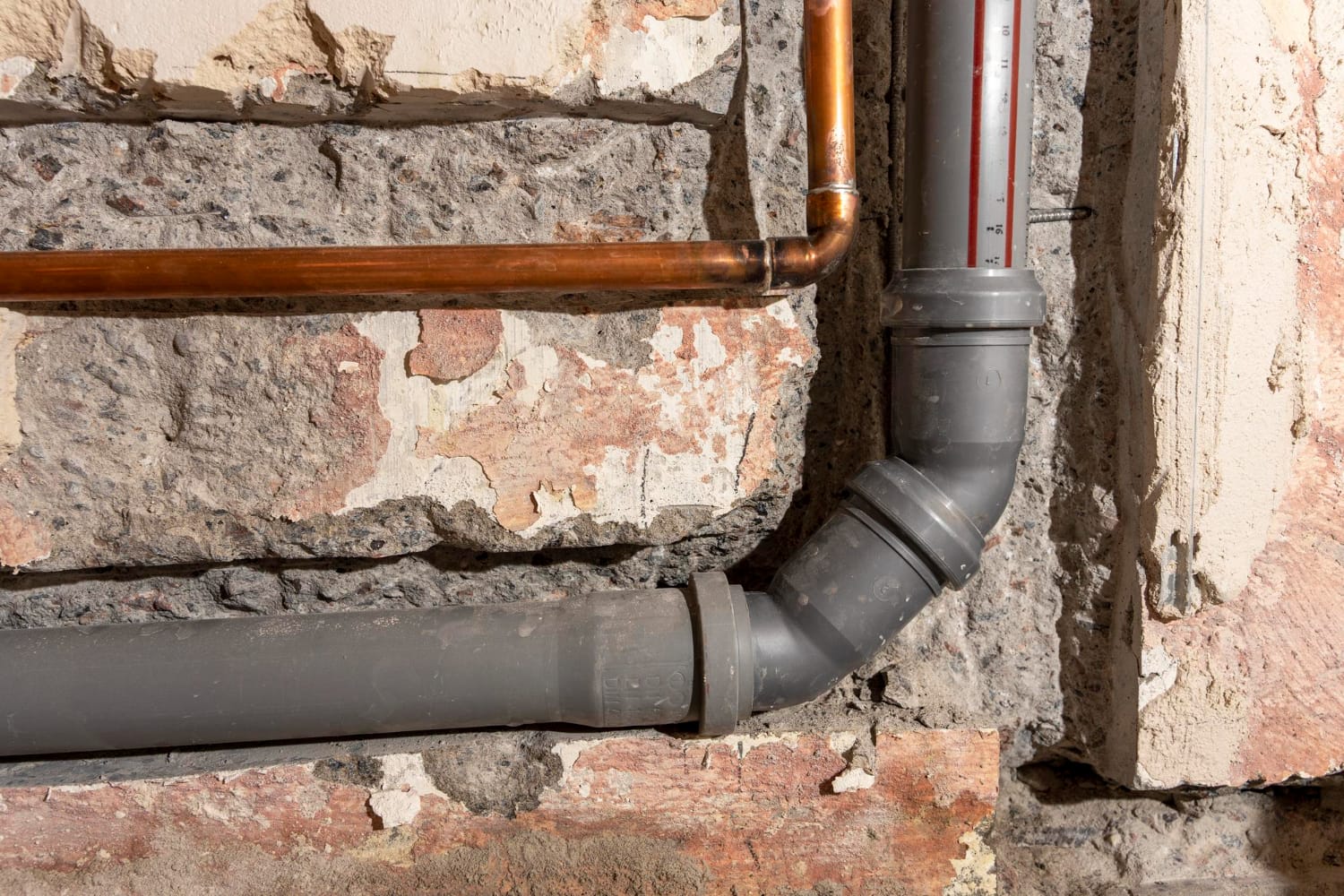
The pipe connecting a home to the city’s main sewer line can develop serious problems over time. A sewer lateral repair fixes or replaces the damaged section of pipe that runs from the house to the public sewer system, preventing sewage backups and protecting the property. This pipe sits on private property, which means homeowners are responsible for keeping it in good working order.
Most homeowners don’t think about their sewer lateral until something goes wrong. Older pipes can crack, break, or get blocked by tree roots. New homes can have problems too if pipes were installed incorrectly or damaged during construction.
Professional repairs can be done with traditional digging or modern trenchless methods. This guide covers how to spot problems early, what to expect during repairs, and how to choose the right solution for a damaged sewer lateral.
Here’s what you need to know:
- What is a sewer lateral and why is repair important?
- Signs you need sewer lateral repair
- How a professional sewer lateral repair is performed
- Benefits of timely sewer lateral repair
- DIY vs professional sewer lateral repair
- Why choose Pro Sewer Repair for sewer lateral repair
Keep reading! Understanding when repairs are needed and what options are available can save thousands of dollars in damage.
What is a sewer lateral and why is repair important?
A sewer lateral connects a building’s plumbing system to the main sewer line in the street, making it a critical component that property owners must maintain. When damage occurs to this pipe, it can lead to serious plumbing problems and expensive repairs that affect both homes and businesses.
Definition and function of a sewer lateral
A sewer lateral is the underground pipe that carries wastewater from a property to the public sewer main. This pipe typically consists of two parts: the upper lateral that runs from the building to the property line, and the lower lateral that extends from the property line to the main sewer.
The lateral must maintain proper slope for wastewater to flow correctly. Most residential sewer laterals are 4 to 6 inches in diameter and made from materials like clay, cast iron, PVC, or ABS plastic.
Property owners are responsible for maintaining and repairing the entire length of their sewer lateral. This responsibility exists even for the portion of pipe that runs under public sidewalks or streets between the property line and the main sewer connection.
According to Seattle Public Utilities, property owners own and must maintain their entire “side sewer” (lateral) all the way to the public sewer main line.
Differences between main sewer line and lateral line
The main sewer line is the large pipe in the street that collects wastewater from multiple properties and transports it to treatment facilities. The city or municipality owns and maintains this line.
A sewer lateral is a smaller pipe that branches off to serve individual properties. Each building has its own lateral line that connects to the shared main.
Key differences:
| Aspect | Main Sewer Line | Lateral Line |
| Ownership | City/municipality | Property owner |
| Location | Under street | Property to street |
| Maintenance responsibility | Public utility | Property owner |
| Size | Larger diameter | Smaller diameter |
When problems occur with the main line, the city handles repairs. Property owners must pay for lateral line repairs out of pocket.
Residential vs commercial sewer lateral
Residential sewer laterals serve single-family homes, duplexes, or small apartment buildings. These lines handle household wastewater from toilets, sinks, showers, and appliances. The typical residential lateral is 4 inches in diameter.
Commercial sewer services involve larger pipes that accommodate higher wastewater volumes from restaurants, office buildings, or industrial facilities. Commercial laterals often range from 6 to 8 inches in diameter or larger depending on the building size.
Restaurants and food service businesses require grease traps to prevent buildup in their laterals. Commercial properties generally need more frequent inspections and maintenance due to increased usage.
Both residential and commercial property owners face the same responsibility for maintaining their laterals. However, commercial repairs often cost more due to larger pipe sizes and more complex plumbing systems.
Risks of ignoring lateral damage
Damaged sewer laterals can cause sewage backups into buildings. This creates health hazards and can damage floors, walls, and personal belongings.
Tree roots often invade cracked or broken laterals, causing complete blockages. The roots grow inside the pipe and trap debris, leading to slow drains throughout the property.
Untreated lateral problems allow wastewater to leak into the surrounding soil. This contamination can affect groundwater quality and create sinkholes in yards or under driveways.
Common consequences of ignoring damage:
- Expensive emergency repairs during backups
- Property damage from sewage overflow
- Health risks from wastewater exposure
- Fines from municipal authorities for code violations
- Decreased property value
Regular inspections by licensed plumbers help identify problems before they become serious. Early detection of cracks, corrosion, or blockages allows property owners to plan repairs and avoid emergency situations.
Signs You Need Sewer Lateral Repair
Sewer lateral problems show up in several ways, from backed-up drains inside the home to strange wet patches in the yard. Recognizing these warning signs early helps homeowners avoid expensive emergency repairs and property damage.
Frequent Drain Backups in Your Home
Drain backups that happen repeatedly signal a blocked or damaged sewer lateral. When wastewater cannot flow properly through the lateral pipe, it returns through toilets, sinks, and shower drains.
A single backup might result from a simple clog. However, multiple backups across different fixtures point to a larger problem in the main lateral line. Homeowners often notice these backups occur when using multiple water sources at once, such as running the dishwasher while someone showers.
Sewage backing up into bathtubs or toilets presents a health hazard. The wastewater contains harmful bacteria and pathogens that contaminate living spaces. Professional inspection becomes necessary when standard drain cleaning methods fail to resolve recurring backups.
Foul Sewer Odors Near Your Property
Strong sewage smells around the home or yard indicate a crack or break in the lateral pipe. These odors result from sewage gases escaping through damaged sections of the line.
The smell often appears strongest near the pipe’s path between the house and street. Homeowners might notice the odor near basement drains, in crawl spaces, or in specific areas of the lawn. The smell does not go away with normal ventilation or cleaning.
Sewer gases contain methane and hydrogen sulfide, which pose health risks when inhaled regularly. A lateral pipe with proper seals should not release any odors. Persistent sewage smells require immediate professional assessment to locate the source of the leak.
Unusual Wet Spots or Sinkholes in Your Yard
Unexplained soggy patches or depressions in the lawn often indicate a leaking sewer lateral. When the pipe cracks or breaks underground, wastewater seeps into the surrounding soil.
These wet areas appear even during dry weather when no rain has fallen. The grass in these spots may grow faster and appear greener than surrounding areas due to the nutrients in sewage. Homeowners might also notice a spongy feeling when walking over these sections.
Sinkholes develop when leaked sewage erodes the soil beneath the surface. The ground becomes unstable and collapses, creating visible depressions. These structural issues worsen over time as more soil washes away through the damaged pipe.
Cracks or Tree Root Intrusion in Lateral Pipes
Tree roots naturally seek water sources and often penetrate small cracks in sewer laterals. Once inside, the roots expand and cause significant blockages or complete pipe failure.
Older clay or concrete pipes are particularly vulnerable to root intrusion. The roots enter through joint connections or existing cracks, then grow into thick masses that block water flow. Properties with mature trees near the lateral line face higher risk of root-related damage.
A camera inspection reveals the extent of root penetration and structural damage. Cracks in the pipe also allow soil to enter the line, creating additional blockages. Pipes with widespread cracking or severe root intrusion typically require replacement rather than simple repair.
Slow or Gurgling Drains
Drains that empty slowly throughout the house suggest a partial blockage in the sewer lateral. Water takes longer to flow through the restricted pipe, causing fixtures to drain at reduced speed.
Gurgling sounds from toilets or drains occur when air cannot escape properly through the vented system. The trapped air bubbles up through water in drains, creating the distinctive gurgling noise. This symptom often accompanies slow drainage and worsens when multiple fixtures run simultaneously.
These issues differ from isolated clogs in individual drains. When all drains in the home show similar problems, the blockage exists in the main lateral line. Homeowners should avoid chemical drain cleaners, which cannot reach lateral line blockages and may damage pipes.
How a professional sewer lateral repair is performed
Professional sewer lateral repair follows a structured process that ensures the problem is correctly identified and fixed using the most appropriate method. Technicians use specialized equipment to assess damage and select between modern trenchless techniques or traditional excavation based on the pipe’s condition.
Initial inspection and diagnostics
The repair process begins with a thorough camera inspection of the lateral sewer line. A technician inserts a waterproof video camera attached to a flexible cable into the pipe through an access point. This camera travels through the entire length of the lateral, transmitting real-time footage to a monitor above ground.
The inspection reveals several key issues. Technicians look for cracks, breaks, root intrusion, corrosion, and blockages. They also check the pipe’s slope and overall structural integrity. The camera equipment includes distance markers that pinpoint the exact location of any damage.
Most inspection cameras have recording capabilities. This allows the technician to review footage multiple times and share findings with the property owner. The recorded video serves as documentation for insurance claims or permit applications if needed.
Trenchless vs traditional repair methods
Trenchless sewer lateral repair has become the preferred method for most situations. This approach requires minimal excavation, typically only small access points at each end of the damaged section. The repair work happens underground without digging up yards, driveways, or landscaping.
Traditional excavation involves digging a trench along the entire length of the damaged pipe. This method becomes necessary when pipes have collapsed completely or when the damage is too extensive for trenchless solutions. It also costs more due to the labor required for digging and restoration.
| Method | Excavation Required | Typical Timeline | Best For |
| Trenchless | Minimal (access points only) | 1-2 days | Cracked or damaged pipes with intact structure |
| Traditional | Full trench | 3-5 days | Collapsed pipes, severe misalignment, major breaks |
The choice between methods depends on the pipe’s condition, soil type, and access to the lateral line. Technicians evaluate these factors during the inspection phase.
Pipe replacement or relining
Pipe relining uses a process called CIPP (Cured-In-Place Pipe). Technicians insert a flexible liner coated with epoxy resin into the damaged pipe. They inflate this liner using air or water pressure, pressing it against the interior walls of the existing pipe. The resin cures and hardens, creating a new pipe within the old one.
This new lining is seamless and resistant to root intrusion. The cured liner typically lasts 50 years or more. The entire process takes a few hours, and the pipe can usually be used again within 24 hours.
Full pipe replacement removes the old lateral and installs new pipe material. Modern replacements use PVC or HDPE pipes, which resist corrosion and root damage better than older clay or cast iron pipes. The replacement process requires more excavation but provides a completely new lateral sewer line.
Post-repair testing and verification
After completing the repair, technicians perform several tests to confirm the work meets standards. They run water through the system to check for proper flow and drainage. A dye test may be used to verify there are no leaks in the repaired section.
A final camera inspection documents the completed repair. This footage shows the interior condition of the new or relined pipe and confirms all damage has been addressed. The technician checks that connections to the main sewer line are secure and watertight.
Pressure testing is standard for relined pipes. The technician seals both ends of the repaired section and pressurizes it with air or water. The pressure must remain stable for a specific period to pass inspection. This test guarantees the structural integrity of the repair before the lateral returns to normal service.
Benefits of timely sewer lateral repair
Fixing sewer lateral problems quickly protects homes from serious damage and health risks. Early repairs save money, prevent waste contamination, and keep plumbing systems running smoothly for years.
Prevents water damage and contamination
Raw sewage contains harmful bacteria and pathogens that pose serious health risks to anyone exposed. When a sewer lateral breaks or cracks, sewage can leak into basements, crawl spaces, and yards. This creates dangerous conditions for families and pets living on the property.
Water damage from sewer leaks spreads quickly through building materials. Drywall, insulation, and wooden structures absorb contaminated water, leading to expensive repairs. Mold growth often follows within 24 to 48 hours of water exposure.
Timely repairs stop sewage from reaching clean water sources. Cracked sewer laterals can allow waste to seep into groundwater or nearby wells. This contamination affects drinking water quality and harms the environment.
Property owners who fix sewer problems early avoid cleanup costs that reach thousands of dollars. Professional restoration services charge high rates to remove contaminated materials and sanitize affected areas.
Reduces risk of recurring backups
Tree roots and debris cause most sewer lateral blockages over time. Small cracks in pipes attract roots seeking moisture and nutrients. These roots grow larger and create complete blockages that cause sewage to back up into homes.
Regular inspections with camera technology identify problems before they worsen. Plumbers can spot minor cracks, root intrusions, and pipe misalignment during these checks. Fixing these issues prevents the need for emergency repairs during backups.
Homes with recurring drain problems usually have underlying sewer lateral damage. Temporary fixes like snaking drains only clear symptoms without addressing the real problem. Proper lateral repair eliminates the source of repeated blockages.
Backup prevention protects valuable belongings stored in basements. A single sewage backup can destroy furniture, electronics, and personal items worth thousands of dollars.
Extends the lifespan of your plumbing system
Damaged sewer laterals put extra strain on the entire plumbing network. When one section fails, other pipes must handle increased pressure and flow problems. This accelerates wear throughout the system.
Modern trenchless repair methods strengthen pipes without full replacement. Pipe lining creates a new surface inside existing pipes that lasts 50 years or more. This approach costs 30 to 50 percent more than traditional digging but eliminates lawn repair expenses.
Small repairs completed early prevent the need for complete line replacement later. A minor crack fixed today stops progressive deterioration that would eventually destroy the entire lateral. This saves property owners from replacement costs that range from $3,000 to $25,000.
Properly maintained sewer laterals maintain consistent flow rates and pressure. This reduces stress on indoor plumbing fixtures and appliances connected to the system.
Improves overall sewer efficiency
Clear sewer laterals move waste away from properties quickly and completely. When pipes have cracks, offsets, or blockages, waste flows slowly and creates foul odors. Efficient systems eliminate these problems entirely.
Repaired laterals prevent rainwater from entering sewer lines through cracks. This reduces the burden on municipal treatment plants during storms. Communities with well-maintained private laterals experience fewer overflow events.
Property owners notice improved drain performance throughout their homes after lateral repairs. Toilets flush properly, sinks drain quickly, and shower water disappears without pooling. These improvements show that the entire system works as designed.
Energy costs decrease when sewer systems operate efficiently. Municipal pumping stations use less electricity to move waste through networks with fewer leaks and blockages.
DIY vs professional sewer lateral repair
Sewer lateral repairs involve technical skills, specialized equipment, and knowledge of local building codes. Most repairs require excavation work, pipe replacement, and proper connection to the main sewer system.
Safety concerns with sewer line work
Sewer lateral work exposes people to raw sewage that contains harmful bacteria, viruses, and parasites. These pathogens can cause serious illnesses if they enter through cuts, are inhaled, or are accidentally ingested.
Excavation creates additional dangers. Trenches deeper than four feet can collapse without proper shoring, trapping or injuring workers. Underground utilities like gas lines, electrical cables, and water mains pose electrocution and explosion risks if struck during digging.
Per CDC/NIOSH, workers should never enter an unprotected trench—collapses can occur suddenly and without warning, crushing or suffocating workers.
Sewer gases build up in confined spaces and can be deadly. Hydrogen sulfide and methane displace oxygen and create toxic or explosive conditions. Professional plumbers use gas detection equipment and ventilation systems to work safely.
Required safety equipment includes:
- Waterproof protective clothing and gloves
- Safety glasses or face shields
- Respiratory protection for sewage exposure
- Trench shoring or slope protection
- Utility locating services before digging
According to the U.S. Department of Transportation’s PHMSA, you should call 811 before any excavation project so buried utilities can be located and marked to prevent dangerous strikes.
Risks of improper pipe installation or repair
Incorrect pipe slope prevents proper drainage and leads to repeated clogs. Sewer laterals need a minimum slope of 1/4 inch per foot to function correctly. Even small errors in grading cause ongoing problems.
Poor connections between pipe sections allow sewage to leak into the surrounding soil. This contaminates groundwater and creates environmental hazards. Leaking joints also let tree roots enter the pipe, causing blockages that require expensive repairs.
Common DIY mistakes include:
- Using incompatible pipe materials
- Failing to remove all tree roots before repair
- Inadequate backfill that leaves pipes unsupported
- Missing or damaged gaskets at connections
Wrong pipe materials deteriorate quickly or fail to meet structural requirements. Modern sewer laterals typically use PVC, ABS, or cast iron depending on local codes and soil conditions.
Ensuring long-term reliability and code compliance
Building codes specify materials, installation methods, and inspection requirements for sewer lateral repairs. Permits are mandatory in most jurisdictions, and unpermitted work can complicate home sales or insurance claims.
Professional plumbers understand local requirements and obtain necessary permits. They arrange inspections at required stages, such as before backfilling trenches. Failed inspections force property owners to excavate and redo work at additional cost.
Warranty protection covers professional repairs if problems develop. Most plumbing companies guarantee their work for one to five years. DIY repairs have no warranty, leaving homeowners responsible for any failures.
Licensed plumbers carry liability insurance that protects property owners from damage claims. If a DIY repair causes sewage backups in neighboring properties, the homeowner faces direct legal and financial liability.
Why choose Pro Sewer Repair for sewer lateral repair
Pro Sewer Repair brings together expertise, modern technology, and customer-focused service to handle sewer lateral problems effectively. The company offers both residential and commercial solutions with proven methods that protect property and provide lasting results.
Experienced residential and commercial plumbing specialists
Pro Sewer Repair employs licensed technicians who understand the complexities of sewer lateral systems in both homes and businesses. These professionals can identify issues ranging from minor cracks to complete pipe failures.
The team has handled hundreds of sewer lateral projects across different property types. They know how to work with various pipe materials, including clay, cast iron, and PVC. This experience helps them choose the right repair method for each situation.
Commercial properties often require larger-scale solutions due to higher usage demands. The specialists at Pro Sewer Repair can manage these complex projects while maintaining building operations. They also work within local building codes and permit requirements to ensure all repairs meet regulatory standards.
Advanced equipment for trenchless and traditional repairs
The company uses modern diagnostic tools like video camera inspections to locate problems without guessing. This technology allows technicians to see inside pipes and identify the exact location and extent of damage.
Pro Sewer Repair offers trenchless repair options including cure-in-place pipe (CIPP) lining. This method installs a seamless liner inside damaged pipes without digging up yards or driveways. The process typically takes less time than traditional excavation.
For situations requiring full replacement, the company has excavation equipment operated by trained crews. They also provide pipe bursting technology, which breaks apart old pipes while simultaneously pulling new ones into place. This reduces the amount of digging needed compared to conventional methods.
Fast, reliable service with minimal disruption
Pro Sewer Repair understands that sewer problems need quick attention to prevent property damage and health hazards. The company offers prompt scheduling and shows up on time for appointments.
Trenchless repairs cause less disruption to landscaping and hardscaping than traditional digging. Homeowners can avoid the expense of restoring driveways, sidewalks, and gardens after the work is complete. Most trenchless projects finish within one to two days.
The team takes steps to protect the property during all repairs. They use tarps and barriers to contain debris and clean up thoroughly after completing the job.
Proven customer satisfaction and long-lasting results
Pro Sewer Repair backs its work with warranties that cover both materials and labor. CIPP liners typically come with 50-year warranties, providing long-term peace of mind.
The company maintains high ratings from previous customers who appreciate the quality of work and professional communication. Reviews frequently mention the team’s ability to explain options clearly and complete repairs as promised.
Professional plumbing repair from Pro Sewer Repair addresses root causes rather than just temporary symptoms. This approach prevents recurring backups and extends the life of sewer systems. Customers receive detailed documentation of the work performed, including video footage showing the condition before and after repairs.
Conclusion
Sewer lateral repair is a critical responsibility for homeowners. The lateral line connects a home’s plumbing to the city’s main sewer system, making it essential for proper waste removal.
Regular maintenance and prompt repairs can prevent serious problems. Tree root intrusion, clogs, and pipe deterioration are common issues that affect lateral lines. When left unaddressed, these problems lead to sewage backups, unpleasant odors, and expensive emergency repairs.
Homeowners are responsible for maintaining the sewer lateral on their property. This ownership includes the pipe from the house to the connection point with the city’s main line. Understanding this responsibility helps property owners budget for maintenance and repairs.
Modern repair techniques offer solutions that minimize disruption. Trenchless methods can often fix problems without extensive digging. Traditional excavation remains the best option for certain situations.
Working with qualified professionals ensures repairs meet local codes and standards. Licensed plumbers can assess the condition of lateral lines and recommend appropriate solutions. They also help homeowners navigate insurance coverage and permit requirements for major repairs.
Schedule a professional sewer lateral camera inspection and repair estimate with Pro Sewer Repair today to pinpoint the defect and deliver a code-compliant, durable fix with minimal disruption.