
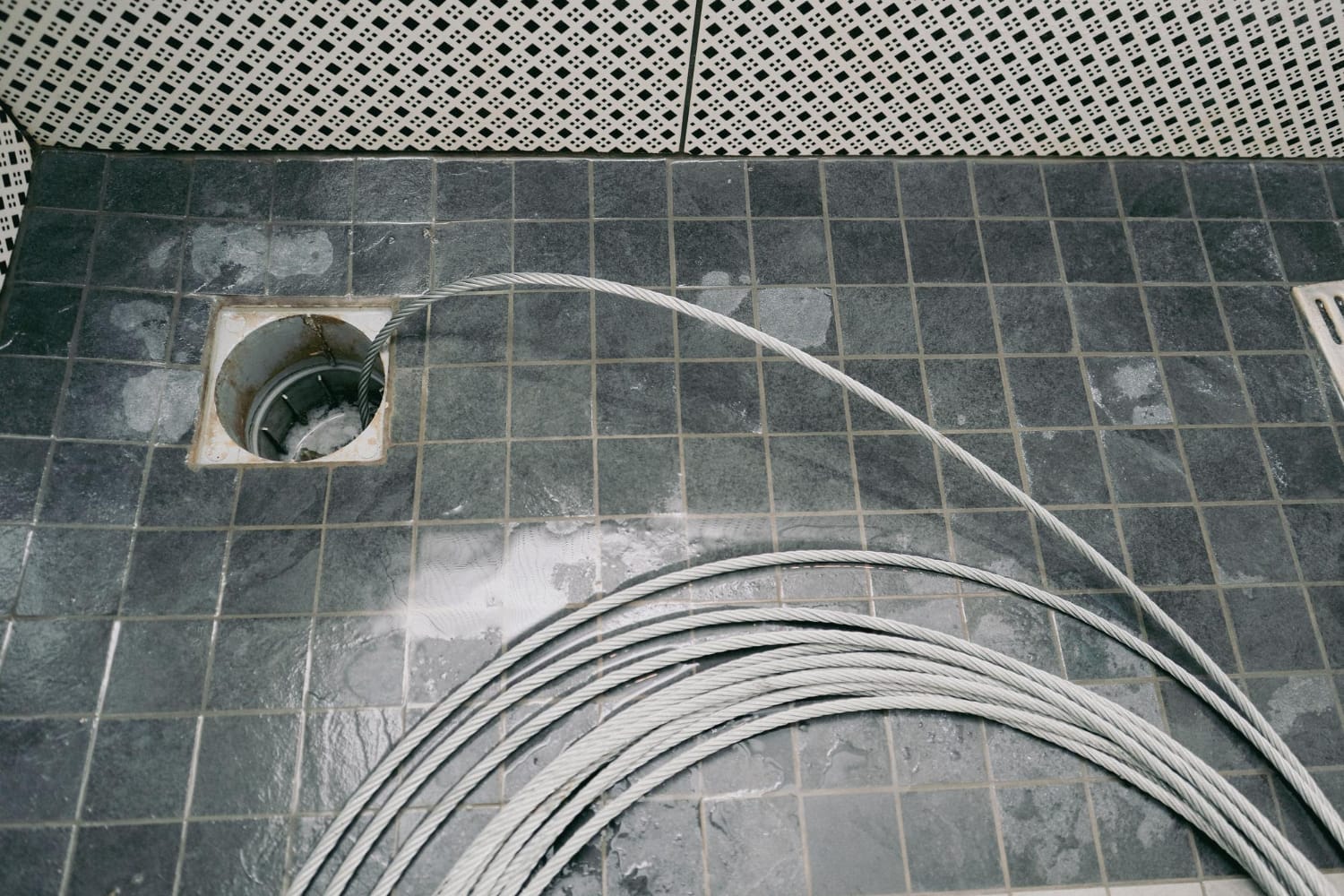
Hydro jetting drain cleaning uses high-pressure water streams to blast away stubborn clogs and buildup inside pipes, clearing blockages that traditional methods cannot reach.
Dealing with a clogged drain can disrupt your entire household. While simple clogs might clear with a plunger or drain snake, tougher blockages need a stronger approach. Professional cleaning methods can remove grease, tree roots, mineral deposits, and years of accumulated debris without using harsh chemicals.
This guide explains how hydro jetting works, when it becomes necessary, and what homeowners can expect from the process. It also covers the key differences between attempting a DIY approach and hiring a professional, plus the specific benefits this powerful cleaning method offers for long-term pipe health.
Let’s break down the key points you should consider:
- Hydro jetting drain cleaning: powerful solution for clogged drains
- What is hydro jetting and how does it work?
- Signs your drains need hydro jetting
- How a professional hydro jetting drain cleaning is performed
- Benefits of hydro jetting drain cleaning
- DIY vs professional hydro jetting
- Why choose Pro Sewer Repair for hydro jetting drain cleaning
Keep reading to learn how hydro jetting drain cleaning uses high-pressure water to clear stubborn clogs and restore full flow in residential and commercial lines. Here’s what you need to know.
Hydro jetting drain cleaning: powerful solution for clogged drains
Hydro jetting uses high-pressure water to clean and clear clogged pipes. A specialized machine pushes water through hoses at very high speeds to blast away blockages.
This method works differently than other drain cleaning options. Traditional snaking only pokes a hole through clogs. Chemical cleaners dissolve some blockages but leave residue behind. Hydro jetting removes the entire blockage and cleans the pipe walls at the same time.
What hydro jetting removes:
- Grease and oil buildup
- Tree roots
- Mineral deposits and scale
- Food waste and debris
- Soap scum and sludge
The high-pressure water stream reaches all parts of the pipe interior. It scrubs away years of accumulated grime that sticks to pipe walls. This thorough cleaning helps prevent future clogs from forming quickly.
Hydro jetting works on both residential and commercial properties. Plumbers use it when standard methods fail to clear stubborn blockages. The process restores pipes to their full capacity without damaging the plumbing system.
This technique offers an eco-friendly option since it only uses water. No harsh chemicals enter the pipes or the environment. The cleaning lasts longer than other methods because it removes buildup completely rather than just creating an opening through it.
Professional plumbers operate the equipment to ensure safe and effective results. They adjust water pressure based on pipe type and condition.
What is hydro jetting and how does it work?
Hydro jetting uses pressurized water streams to clean pipes and remove blockages from plumbing systems. The process involves specialized equipment that delivers water at high pressure to scour pipe interiors and eliminate debris, grease, and other obstructions.
High-pressure water to clear clogs
Hydro jetting equipment sends water through pipes at pressures ranging from 1,500 to 4,000 PSI. A specialized nozzle attached to a high-pressure hose directs water streams in multiple directions as it moves through the pipe.
The water pressure breaks apart blockages and scrubs the entire interior surface of the pipe. This removes grease, mineral deposits, sludge, tree roots, and other materials that cause clogs.
The process starts with a camera inspection to locate the blockage and check pipe condition. A plumber then inserts the jetting hose through a cleanout or access point. The nozzle sprays water forward and backward, which propels it through the pipe while cleaning the walls.
The high-pressure streams can cut through most types of buildup and debris. Water flows back through the pipe carrying the loosened material to the main sewer line or collection point.
Types of pipes suitable for hydro jetting
Hydro jetting works well with PVC, cast iron, and clay pipes that are in good structural condition. Modern PVC pipes handle the pressure easily since they are designed for durability.
Older pipes require careful assessment before hydro jetting. Cast iron and clay pipes may have weakened sections, cracks, or deterioration that could worsen under high pressure.
A plumber should inspect pipes with a camera before starting the process. This identifies any damage or weak spots that might not withstand the water pressure. Pipes with significant corrosion, fractures, or collapsed sections are not good candidates for hydro jetting.
The method is not recommended for pipes that are already compromised or extremely old without proper evaluation.
Residential vs commercial applications
Residential hydro jetting typically addresses kitchen drain clogs, bathroom blockages, and main sewer line issues. Homes benefit from this service when dealing with grease buildup, soap scum, or tree root intrusion in outdoor lines.
Homeowners often need hydro jetting every few years for maintenance or when standard drain cleaning methods fail. The equipment used for residential jobs operates at lower pressure levels suitable for home plumbing systems.
Commercial applications involve larger pipes and more severe blockages. Restaurants, hotels, and industrial facilities deal with heavy grease accumulation and higher waste volumes. These locations require more frequent hydro jetting, sometimes quarterly or monthly.
Commercial equipment delivers higher water pressure to handle bigger pipes and tougher blockages. The process helps businesses maintain health code compliance and prevent costly backups.
Advantages over traditional snaking methods
Traditional snaking only pokes a hole through the center of a clog, leaving residue on pipe walls. This means blockages often return quickly because the underlying buildup remains.
Hydro jetting completely clears the pipe interior by removing all debris and buildup. The process restores pipes closer to their original diameter and provides longer-lasting results.
Chemical drain cleaners only dissolve certain types of clogs and can damage pipes over time. Snaking tools may also scratch or damage pipe interiors, especially in older systems.
Hydro jetting is more thorough and environmentally friendly since it uses only water. The method handles tree roots, hardened grease, and mineral deposits that snaking cannot remove effectively. Most pipes stay clear for longer periods after hydro jetting compared to other drain cleaning methods.
Signs your drains need hydro jetting
Certain warning signs indicate when standard drain cleaning methods won’t solve the problem. Slow drainage, persistent odors, and recurring blockages point to buildup deep within pipes that requires professional hydro jetting to clear.
Frequent slow or backed-up drains
Multiple drains running slowly at the same time signals a serious blockage in the main sewer line. When water backs up in toilets, sinks, or showers regularly, the issue goes beyond a simple surface clog.
Materials like fats, oils, and grease (FOG) and some household products marketed as “flushable” (including wipes) can contribute to sewer overflows, according to the U.S. EPA’s sanitary sewer overflow (SSO) FAQs.
Standard drain snakes and chemical cleaners only provide temporary relief in these cases. The problem returns quickly because these methods don’t remove the buildup coating the inside of pipes.
King County advises that wipes—even when labeled “flushable”—can clog sewer equipment and household pipes, and recommends keeping grease out of drains by scraping and disposing of it in the trash once cooled/solidified.
Residential hydro jetting addresses the root cause by clearing all debris from pipe walls. This includes years of accumulated soap scum, mineral deposits, and other materials that narrow the pipe diameter. The high-pressure water reaches areas that mechanical tools miss, restoring full flow capacity throughout the system.
Commercial drain maintenance schedules often include regular hydro jetting to prevent these recurring issues before they disrupt business operations.
Foul odors or sewer smells
Persistent bad smells coming from drains indicate organic matter trapped inside pipes. Food particles, grease, and other waste create a breeding ground for bacteria that produces unpleasant odors.
These smells often worsen in warm weather when bacteria multiply faster. Air fresheners and drain deodorizers only mask the problem temporarily without addressing the source.
Hydro jetting removes the rotting material stuck to pipe walls that causes these odors. The pressurized water flushes out all organic debris and bacteria, eliminating the smell at its source. After treatment, drains remain odor-free because no residue remains for bacteria to feed on.
Tree root intrusion in sewer lines
Tree roots seek out moisture and nutrients in sewer pipes through small cracks or joints. Once inside, they grow rapidly and create dense blockages that trap waste and toilet paper.
Property owners with mature trees near sewer lines face a higher risk of root intrusion. Roots can completely fill pipes over time, causing sewage backups into the home or building.
Hydro jetting cuts through root masses and clears them from pipes using water pressure up to 4,000 PSI. While it doesn’t prevent roots from returning, it provides the most thorough removal without damaging pipes. Many properties require periodic hydro jetting to manage root growth and maintain proper drainage.
Grease buildup or stubborn blockages
Kitchen drains accumulate grease and oil that solidifies on pipe walls over time. This sticky coating traps food particles and creates layers of buildup that narrow the pipe opening.
Grease is a leading driver of sewer blockages—EPA’s Report to Congress findings summarized by the U.S. EPA identify grease from homes, restaurants, and industrial sources as the most common cause of reported blockages (47%).
Seattle Public Utilities also warns that pouring cooking fats, oils, or grease down the drain can harden and stick to pipes over time, contributing to sewage backups and expensive plumbing repairs.
Commercial drain maintenance for restaurants requires regular hydro jetting because of heavy grease volume. Residential properties also develop this problem from cooking oils, fats, and food waste going down drains.
Chemical drain cleaners can’t dissolve thick grease deposits effectively. Mechanical snakes may punch a hole through the blockage but leave most of the grease behind. Hydro jetting uses hot water at high pressure to break down grease and flush it completely from the system. This prevents the same clog from reforming weeks later.
How a professional hydro jetting drain cleaning is performed
A professional hydro jetting service follows a specific process to safely and effectively clean pipes. The technician starts with an inspection, uses specialized equipment to blast away buildup, and ends with a final check to confirm the pipes are clear.
Initial inspection of sewer lines
Before starting the hydro jetting process, a plumber uses a special camera to inspect the inside of the pipes. This camera goes through the sewer line and sends back video footage that shows the exact location and type of blockage.
The inspection helps identify problems like grease buildup, tree roots, or collapsed sections. It also reveals the pipe’s condition and material, which determines if hydro jetting is safe to use. Older or damaged pipes might need repairs before hydro jetting can begin.
High-pressure sewer cleaning equipment can be dangerous without proper controls, University of Iowa’s FACE program documented a fatal incident where a worker was struck by a high-pressure water hose nozzle during routine sanitary sewer line cleaning.
The plumber looks for cracks, breaks, or weak spots that could get worse under high pressure. They measure the pipe diameter and check for any unusual damage. This step prevents costly mistakes and ensures the cleaning method won’t harm the plumbing system.
Use of specialized high-pressure equipment
The technician connects a high-pressure pump to a water source and attaches specialized hoses. These hoses are strong enough to handle water pressure between 3,500 and 4,000 PSI. A special nozzle goes on the end of the hose and gets fed into the sewer line through an access point.
The nozzle design matters for the cleaning results. Most nozzles spray water forward and backward at the same time, which pushes the hose through the pipe while blasting debris off the walls. Different nozzles work better for different problems, like penetrating tree roots or removing grease.
The plumber controls the water pressure based on the pipe material and blockage type. They slowly feed the hose through the entire length of pipe that needs cleaning.
Clearing grease, debris, and scale buildup
The high-pressure water streams break apart clogs and scrub the pipe walls clean. Unlike a drain snake that pokes a hole through a blockage, hydro jetting removes buildup completely from the entire inner surface.
Common materials removed include:
- Grease and oil deposits
- Soap scum and mineral scale
- Food waste and organic matter
- Sand and silt
- Small tree roots
The water pressure is strong enough to cut through years of accumulated grime. The debris gets flushed down the sewer line and out to the main sewer system. The cleaning action reaches every part of the pipe’s interior, leaving surfaces nearly as clean as new pipes.
Post-cleaning inspection to confirm results
After the hydro jetting is complete, the plumber runs the camera through the pipes again. This second inspection shows whether all blockages are gone and the pipe walls are clean. The video footage provides proof that the sewer line cleaning was successful.
The technician checks for any damage that might have occurred during cleaning, though this is rare when professionals handle the job. They also look for problems that hydro jetting can’t fix, like cracks or collapsed sections that need repair.
The plumber explains the findings to the property owner and may recommend a maintenance schedule. Most homes benefit from hydro jetting every 12 to 18 months to prevent major clogs from forming.
Benefits of hydro jetting drain cleaning
Hydro jetting offers several advantages that make it a preferred choice for professional drain cleaning. This method uses high-pressure water to clear blockages and clean pipes more thoroughly than other options.
Removes tough clogs completely
Hydro jetting breaks through stubborn blockages that other methods cannot handle. The high-pressure water stream can cut through tree roots, hardened grease, and mineral deposits that have built up over years.
Traditional drain snakes often poke holes through clogs without removing them entirely. Hydro jetting destroys the entire blockage and washes it away. The water pressure can reach up to 4,000 PSI, which is strong enough to eliminate even the most severe obstructions.
This method also cleans the entire diameter of the pipe. The water spray reaches all surfaces inside the drain, removing debris stuck to the walls. This thorough cleaning prevents the same materials from causing another clog soon after treatment.
Reduces need for frequent drain cleaning
Pipes cleaned with hydro jetting stay clear longer than those treated with other methods. The high-pressure water removes buildup from pipe walls, not just the center of the drain. This complete cleaning means debris has fewer surfaces to cling to later.
Regular snaking leaves residue behind that attracts new buildup. Hydro jetting eliminates this problem by washing away grease, soap scum, and other sticky materials. Many property owners find they need drain cleaning less often after switching to hydro jetting.
The clean pipes allow water to flow freely, which helps prevent new clogs from forming. When drains work properly, waste moves through quickly instead of accumulating. This benefit saves money on future plumbing services and reduces the hassle of dealing with recurring blockages.
Restores proper flow in pipes
Hydro jetting returns drains to like-new condition by removing years of accumulated debris. Pipes that have narrowed due to buildup regain their full diameter. This restoration allows water and waste to move through the system at the proper speed.
Slow drains often result from partial blockages that reduce the available space inside pipes. The high-pressure water clears these restrictions completely. After treatment, sinks empty quickly and toilets flush with full power.
Better flow also reduces strain on the entire plumbing system. When water moves efficiently, there is less pressure on pipe joints and connections. This improved function helps prevent leaks and other problems that can develop when drains work poorly.
Extends the lifespan of your plumbing system
Clean pipes last longer because they experience less stress and corrosion. Buildup inside drains can trap moisture and chemicals that corrode pipe materials over time. Hydro jetting removes these harmful substances before they cause damage.
The thorough cleaning also reveals the true condition of the pipes. Plumbers can identify weak spots or damage during the process. Early detection allows for repairs before small issues become major problems.
Preventing clogs reduces emergency situations that can damage plumbing. Severe blockages sometimes cause pipes to crack or joints to separate. Regular hydro jetting maintenance keeps the system working smoothly and avoids these costly failures.
DIY vs professional hydro jetting
Hydro jetting requires specialized equipment that can produce water pressure up to 4,000 PSI, which makes it different from typical home pressure washers. The gap between DIY attempts and professional service involves more than just equipment access—it includes safety training, pipe assessment skills, and liability concerns.
Risks of using high-pressure water without training
High-pressure water can cause serious injuries if handled incorrectly. The force from hydro jetting equipment can tear skin, cause eye damage, or lead to other physical harm without proper protective gear and techniques.
Most homeowners lack the training to operate hydro jetting equipment safely. Professional plumbers receive specific instruction on how to handle the nozzle, control water pressure, and position themselves away from dangerous kickback.
The equipment itself poses risks beyond the water pressure. The hoses can whip unexpectedly when water flows through them. The nozzle must be inserted and removed carefully to prevent injury or property damage.
Potential damage to pipes from incorrect use
Pipes have different pressure tolerances based on their material and age. Older pipes made from clay or cast iron may crack under high pressure that newer PVC pipes can handle. Without proper assessment, DIY users risk breaking pipes that need replacement rather than cleaning.
Incorrect nozzle selection causes problems even in sturdy pipes. Different nozzles serve specific purposes—some blast forward while others spray at angles. Using the wrong type can damage pipe joints or create new problems instead of solving existing ones.
The water pressure must match the pipe condition. Professionals adjust PSI levels based on what they find during inspection. Too much pressure weakens pipe walls, while too little fails to clear blockages effectively.
Ensuring complete and safe cleaning
Professional plumbers use camera inspections before hydro jetting to identify blockage locations and pipe conditions. This step prevents surprises and helps them choose the right approach for each situation.
Proper hydro jetting clears the entire pipe interior, not just a hole through the blockage. Professionals know how to move the nozzle at the correct speed and angle to remove buildup from all pipe surfaces. They also understand when hydro jetting isn’t appropriate and when traditional methods work better.
Licensed plumbers carry insurance that covers any damage during service. DIY attempts leave homeowners responsible for all repair costs if something goes wrong.
Why choose Pro Sewer Repair for hydro jetting drain cleaning
Pro Sewer Repair delivers professional drain cleaning service backed by trained specialists, advanced equipment, and a track record of satisfied customers. The company combines technical expertise with reliable service to handle any hydro jetting project efficiently.
Experienced residential and commercial plumbing specialists
Pro Sewer Repair employs licensed plumbers who have completed extensive training in hydro jetting techniques and sewer line maintenance. These specialists understand how to assess different types of blockages and select the appropriate water pressure levels for each situation.
The team works with both home plumbing systems and large commercial facilities. They know how to navigate complex pipe layouts and identify potential problems before they become major issues.
Each technician receives regular training on the latest hydro jetting methods and safety protocols. This ongoing education ensures they can handle everything from simple residential clogs to challenging commercial sewer line blockages.
State-of-the-art hydro jetting equipment
Pro Sewer Repair uses professional-grade hydro jetting machines that generate water pressure up to 4,000 PSI. This equipment includes specialized nozzles designed for different types of blockages and pipe materials.
The company maintains its equipment regularly to ensure consistent performance. Their machines feature adjustable pressure settings that protect older pipes while still providing thorough cleaning power.
Video inspection cameras allow technicians to examine pipes before and after hydro jetting. This technology confirms complete blockage removal and identifies any pipe damage that needs attention.
Fast, reliable, and thorough service
Pro Sewer Repair offers same-day appointments for emergency drain cleaning situations. Their technicians arrive on time with all necessary equipment to complete the job in one visit.
The hydro jetting process typically takes 1-3 hours depending on the severity of the blockage and pipe length. Technicians work efficiently without rushing through important steps.
They provide upfront pricing before starting any work. Customers receive detailed explanations of what the service includes and why hydro jetting is the recommended solution for their specific drain problem.
Proven customer satisfaction and long-lasting results
Pro Sewer Repair backs its hydro jetting services with a satisfaction guarantee. The company has maintained high customer ratings through consistent quality work and responsive communication.
Hydro jetting performed by Pro Sewer Repair removes buildup completely from pipe walls rather than just punching through clogs. This thorough cleaning approach prevents blockages from returning quickly.
Most customers experience improved drainage for 1-2 years after professional hydro jetting service. The company also offers maintenance plans to keep drains flowing smoothly between major cleanings.
Conclusion
Hydro jetting stands out as a reliable solution for cleaning drains and sewer lines. The high-pressure water method removes stubborn clogs, grease buildup, and mineral deposits that other cleaning methods might miss.
Property owners benefit from this cleaning approach because it addresses both current blockages and prevents future problems. The process cleans pipe walls thoroughly, which helps maintain clear drainage for longer periods.
Professional plumbers typically use video inspection before hydro jetting to identify the exact problem areas. This step ensures the right approach for each unique situation. The same inspection tool can verify that pipes are fully clean after the work is complete.
The method works best for regular maintenance and serious blockages in residential and commercial properties. Most modern plumbing systems can handle the water pressure safely. However, older or damaged pipes may need different cleaning methods to avoid further harm.
Homeowners should contact licensed plumbers to determine if hydro jetting fits their specific drain problems. These professionals have the training and equipment to perform the service correctly and safely.
Schedule hydro jetting drain cleaning with Pro Sewer Repair to clear heavy grease, scale, or root-related buildup safely and restore full flow in your sewer or drain line.