

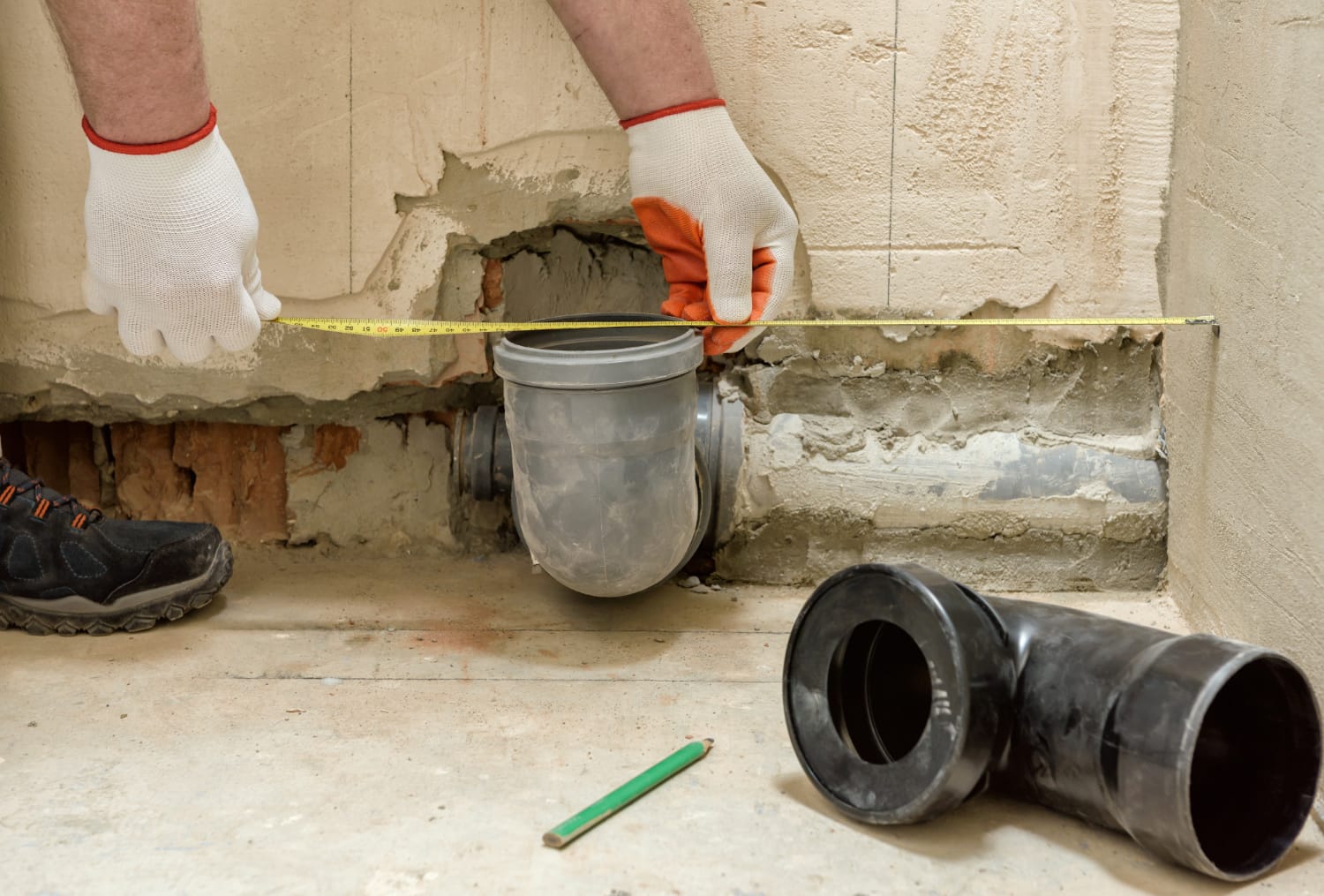
Sewer repair contractors are licensed professionals who specialize in diagnosing, fixing, and replacing damaged sewer lines that regular plumbers may not be equipped to handle.
When your sewer system fails, it can create serious problems for your property. These experts have the training and tools needed to solve issues ranging from minor blockages to complete pipe replacements.
Finding the right contractor means understanding what services they offer and how they can help protect your home or business. Some contractors focus only on drain cleaning, while others provide full-service solutions including main line repairs, lateral work, and new installations.
This guide explains what sewer repair contractors do, when you need their services, and how they perform their work. You’ll learn about the benefits of hiring professionals compared to attempting repairs yourself and what to look for when choosing a contractor.
Here’s what you need to know:
- Sewer repair contractors: trusted experts for your plumbing needs
- What do sewer repair contractors do?
- Signs you need sewer repair contractors
- How professional sewer repair contractors perform repairs
- Benefits of hiring professional sewer repair contractors
- DIY vs professional sewer repair contractors
- Why choose Pro Sewer Repair for sewer repair contracting services
Keep reading! Knowing the difference helps you hire the best professional for your specific problem.
Sewer repair contractors: trusted experts for your plumbing needs
Sewer repair contractors specialize in fixing and maintaining sewer systems for homes and businesses. These professionals have the training and equipment needed to handle complex sewer problems that regular plumbers may not be able to fix.
What sewer repair contractors do:
- Diagnose sewer line problems using camera inspections
- Clear blocked drains and sewer pipes
- Repair or replace damaged sewer lines
- Clean sewer systems with specialized equipment
- Handle emergency sewer backups
- Install new sewer pipes and connections
Not all plumbers work on sewer systems. Sewer contractors focus specifically on the pipes that carry waste away from buildings. They use advanced tools like video cameras to look inside pipes and find problems without digging.
Many contractors offer trenchless repair methods. This means they can fix underground pipes without tearing up yards or driveways. They also provide hydro jetting services, which use high-pressure water to clean out pipes.
According to the U.S. EPA, trenchless sewer rehabilitation methods such as pipe bursting and cured-in-place pipe correct defects with far less excavation, surface disturbance, and restoration than traditional dig-and-replace.
Licensed sewer contractors must meet specific requirements in their area. They carry insurance to protect property owners if something goes wrong during repairs. This makes them different from general handymen or unlicensed workers.
Emergency services are available from most sewer contractors. When sewage backs up into a building, these experts respond quickly to prevent health hazards and property damage. Some companies offer 24-hour service for urgent situations.
Property owners should verify that contractors hold proper licenses before hiring them. This ensures the work meets local building codes and safety standards.
What do sewer repair contractors do?
Sewer repair contractors handle everything from fixing damaged pipes in homes to maintaining large commercial systems and responding to urgent plumbing emergencies. They use both modern trenchless techniques and traditional excavation methods to restore proper sewer function.
Residential sewer repairs
Sewer repair contractors fix and maintain the underground pipes that carry wastewater away from homes. They address common problems like cracked pipes, tree root intrusion, and clogs that regular plumbers cannot handle. These professionals inspect sewer lines using video cameras to locate damage without digging up yards.
Contractors repair or replace damaged sections of residential sewer laterals, which connect homes to the main sewer line. They clear blockages caused by grease buildup, debris, or foreign objects. When pipes corrode or collapse due to age, contractors install new sewer lines to restore proper drainage.
Homeowners need these specialists when they notice slow drains throughout the house, sewage backups, or wet spots in the yard. Contractors also handle preventive maintenance to keep residential sewer systems working properly for years.
Commercial sewer services
Commercial properties require specialized sewer repair services due to larger pipe systems and higher wastewater volumes. Contractors work on office buildings, restaurants, retail stores, and industrial facilities. These systems handle more stress than residential pipes and need regular professional maintenance.
Commercial sewer repair includes cleaning main lines, repairing damaged pipes under parking lots or buildings, and replacing entire sections when necessary. Contractors understand building codes and permit requirements for commercial properties. They schedule work during off-hours to minimize business disruptions.
Restaurants and food service businesses need frequent grease trap maintenance and line cleaning. Manufacturing facilities may require specialized repairs for chemical-resistant pipes. Contractors also install and maintain sewer systems for new commercial construction projects.
Emergency sewer repairs
Sewer emergencies require immediate professional response to prevent property damage and health hazards. Contractors offer 24-hour emergency services for severe backups, pipe bursts, and complete system failures. They arrive quickly with specialized equipment to diagnose and fix urgent problems.
Emergency situations include sewage backing up into buildings, collapsed pipes blocking all drainage, and breaks in main sewer lines. Contractors contain the damage, pump out standing water, and make temporary repairs to restore basic function. They then schedule permanent fixes once the immediate crisis is resolved.
These specialists keep emergency equipment ready and maintain on-call teams. They work with property owners to document damage for insurance claims and coordinate with local utilities when main line issues occur.
Trenchless and traditional repair methods
Contractors use two main approaches to fix sewer problems. Traditional methods involve excavating trenches to access damaged pipes directly. This approach works well for severely damaged sections and allows complete pipe replacement.
Trenchless repair techniques fix pipes without digging up entire yards or streets. Pipe lining installs a new interior coating inside existing pipes to seal cracks and restore strength. Pipe bursting breaks apart old pipes while simultaneously pulling new ones through the same path.
Traditional excavation:
- Complete access to damaged sections
- Necessary for collapsed pipes
- Disrupts landscaping and surfaces
- Lower equipment costs
- Minimal surface disruption
- Faster completion times
- Preserves driveways and landscaping
- Higher specialized equipment costs
Contractors evaluate each situation to recommend the most effective method. They consider pipe condition, soil type, property layout, and budget constraints when selecting repair techniques.
Signs you need sewer repair contractors
Homeowners should watch for specific warning signs that indicate sewer line problems requiring professional attention. Recognizing these issues early can prevent extensive damage and reduce repair costs.
Frequent drain backups or slow drains
Multiple drains running slowly at the same time often signals a problem in the main sewer line. When water takes longer than usual to drain from sinks, tubs, or showers throughout the home, blockages may have formed in the sewer system.
Toilets that don’t flush properly or drains that gurgle when other fixtures run indicate air trapped in the pipes. This happens when something blocks the normal flow of wastewater through the sewer line.
A single slow drain usually means a local clog in that fixture. However, when several drains backup simultaneously, the issue likely exists in the main sewer line. Professional contractors need to inspect and repair these central line problems.
Sewage backing up into the home requires immediate attention. This creates health hazards and can damage floors, walls, and personal property.
According to the U.S. EPA, sanitary sewer overflows can back up into homes, damage property, and threaten public health. prompt professional response reduces these risks.
Foul odors from drains or yard
Sewer gas smells inside the home indicate a crack or break in the sewer line. Properly sealed sewer pipes should never release odors into living spaces. The smell resembles rotten eggs due to hydrogen sulfide gas.
Strong sewage odors in the yard point to leaking wastewater from damaged pipes. These smells become more noticeable near the sewer line path or close to where it connects to the main system.
Persistent odors that don’t go away after cleaning drains suggest deeper problems. Temporary solutions like drain cleaners won’t fix broken pipes or major blockages. Professional contractors have equipment to locate the exact source of sewer line damage.
Water pooling or soggy areas near sewer lines
Unexplained wet spots or standing water in the yard often indicate leaking sewer pipes underground. These soggy patches appear even during dry weather when no watering has occurred.
The grass may grow faster or appear greener in areas above a leaking sewer line. Sewage acts as fertilizer, creating unusually lush patches compared to surrounding areas.
Foundation cracks or settling can result from sewer leaks washing away soil beneath a home. Water pooling near the foundation requires immediate inspection to prevent structural damage.
Sinkholes or indentations in the yard form when leaking sewage erodes soil underground. These depressions indicate significant sewer line damage that contractors must repair quickly.
Cracks, corrosion, or tree root intrusion
Clay and cast iron pipes corrode over time, especially in homes built more than 40 years ago. Older sewer lines develop cracks, holes, and deterioration that allow sewage to leak out and groundwater to seep in.
Tree roots naturally grow toward water sources and can penetrate small cracks in sewer pipes. Once inside, roots expand and create major blockages while breaking pipes apart.
Professional camera inspections reveal the extent of root intrusion and pipe damage. Contractors use specialized equipment to view the inside of sewer lines and identify problem areas.
Common pipe materials and their typical lifespan:
- Cast iron: 50-65 years
- Clay: 50-60 years
- PVC: 100+ years
- Orangeburg: 30-50 years
Unsuccessful temporary fixes or recurring problems
Clogs that return within weeks or months after clearing indicate underlying sewer line damage. Persistent problems suggest cracks, bellied pipes, or root intrusion rather than simple blockages.
Chemical drain cleaners provide only temporary relief when structural damage exists. These products cannot repair broken pipes or remove tree roots that have invaded the sewer system.
Frequent plunging or snaking of drains signals that basic maintenance no longer works. When homeowners need to address the same drainage issues repeatedly, professional sewer repair contractors should evaluate the entire system.
Multiple service calls for similar problems cost more than addressing the root cause. Contractors can determine whether repairs or full replacement will provide the most cost-effective long-term solution.
How professional sewer repair contractors perform repairs
Professional contractors follow a systematic process that includes camera inspections, choosing the right repair method, and testing the final results to restore proper sewer function.
Initial inspection and diagnostics
Contractors begin by gathering information about the plumbing system and identifying visible symptoms. They ask homeowners about slow drains, strange odors, or wet spots in the yard. This initial assessment helps narrow down potential problem areas.
The technician examines exposed pipes and checks for signs of damage or wear. They look at the age of the system and review any previous repair records. This background information guides the next steps in the diagnostic process.
Ground conditions and property layout affect how contractors access the sewer line. They mark utility lines to avoid damaging other systems during inspection. The contractor notes the location of cleanouts and access points before moving to more detailed examination methods.
Video camera sewer inspections
Contractors use specialized waterproof cameras attached to flexible cables to see inside pipes. These cameras transmit live video footage showing the interior condition of the sewer line. The high-resolution images reveal cracks, blockages, tree root intrusion, and corroded sections.
The camera inspection identifies the exact location and severity of problems. Contractors measure the distance from access points to damaged areas using the camera’s built-in tracking system. This precision eliminates guesswork and reduces unnecessary excavation.
Technicians record the video footage for documentation and reference. They can show homeowners the actual problems inside their pipes. The inspection typically takes one to two hours depending on the length and complexity of the sewer system.
Choosing between trenchless and traditional repairs
Trenchless sewer contractors evaluate whether pipes can be repaired without extensive digging. This method works well for pipes with minor to moderate damage that still have structural integrity. Trenchless repairs preserve landscaping, driveways, and other surface features.
Traditional excavation becomes necessary when pipes have collapsed or sustained severe damage. This approach requires digging trenches to access and replace damaged sections. Contractors also choose traditional methods when pipes have shifted significantly or when local codes require full replacement.
Factors that influence the decision:
- Extent and type of damage
- Pipe material and age
- Soil conditions and depth
- Budget constraints
- Property access limitations
The contractor explains both options with cost estimates and timelines. They consider the long-term durability of each method. Some repairs combine both approaches, using trenchless technology where possible and excavation only where necessary.
Pipe replacement, relining, or cleaning
Hydro-jetting uses high-pressure water streams to clear blockages and buildup from pipe walls. This method removes tree roots, grease, and mineral deposits without damaging pipes. Contractors typically use pressures between 3,000 and 4,000 PSI for residential sewer lines.
Pipe relining involves inserting a resin-coated liner into the existing pipe. The liner inflates and hardens to create a new pipe within the old one. This process repairs cracks and prevents future root intrusion while extending the pipe’s lifespan by decades.
Full pipe replacement removes damaged sections and installs new piping. Contractors excavate only the necessary areas to access compromised sections. They connect new pipes using appropriate fittings and ensure proper slope for drainage. Modern replacement pipes use durable materials like PVC or HDPE that resist corrosion.
Post-repair testing and verification
Contractors perform flow tests to confirm the repaired sewer line drains properly. They run water through fixtures and observe drainage speed. The system should clear water quickly without gurgling sounds or backups.
A final camera inspection verifies the repair quality. Technicians examine the work area to ensure proper installation and no remaining defects. They check that pipe connections seal correctly and that no debris remains in the line.
Pressure testing confirms the system holds under normal operating conditions. Contractors document the completed work with photos and video. They provide homeowners with maintenance recommendations to prevent future problems. Most contractors offer warranties covering their workmanship and materials for a specified period.
Benefits of hiring professional sewer repair contractors
Professional sewer repair contractors bring specialized skills and equipment that protect homes from extensive damage and costly mistakes. They provide accurate solutions that meet safety standards while preventing future problems.
Accurate diagnosis and repair
Professional sewer repair contractors use advanced tools like video camera inspections to identify the exact location and cause of sewer problems. These cameras travel through pipes to reveal cracks, blockages, tree root intrusions, and collapsed sections without digging up entire yards.
This precise diagnosis prevents guesswork and unnecessary excavation. A homeowner attempting DIY repairs might treat symptoms rather than underlying causes, leading to recurring issues.
Professionals understand different pipe materials, soil conditions, and repair methods. They know when to use trenchless repairs, pipe lining, or full replacements based on the specific damage. This expertise ensures the right fix the first time, eliminating the need for multiple repair attempts.
Prevention of future sewer line issues
Experienced contractors identify warning signs of potential failures during repairs. They spot deteriorating pipe sections, improper slope, or outdated materials that could cause problems within months or years.
Many professional services include preventative maintenance recommendations after completing repairs. These suggestions might involve regular inspections, root barriers near trees, or upgrades to vulnerable pipe sections.
Contractors also provide advice on proper drain usage and maintenance practices. They explain what materials should never enter drains and how to avoid common mistakes that damage sewer lines. This guidance helps homeowners protect their investment and avoid emergency repairs.
Reduced risk of water damage or contamination
Raw sewage contains harmful bacteria, viruses, and pathogens that threaten human health. Professional contractors follow strict safety protocols to contain contamination during repairs and properly dispose of hazardous materials.
They work quickly to stop sewage backups that can flood basements, damage foundations, and ruin personal belongings. Fast response times minimize water exposure to home structures and reduce mold growth risks.
Professionals also understand how sewer leaks affect groundwater and soil. They take steps to prevent contaminated water from spreading to neighboring properties or local water supplies. Their work protects both individual homes and community health.
Long-lasting and code-compliant solutions
Licensed contractors stay current with local building codes and plumbing regulations. They obtain necessary permits and schedule required inspections, ensuring all work meets legal standards. This compliance protects homeowners from fines and complications during home sales.
Professional repairs typically include warranties covering both labor and materials. These guarantees provide financial protection if problems arise after the initial repair work.
Quality materials and proper installation techniques result in repairs that last decades rather than years. Contractors use durable pipes rated for specific soil conditions and water pressures. They also ensure proper connections, adequate support, and correct slope for optimal drainage. This attention to detail extends sewer system lifespan and prevents premature failures.
DIY vs professional sewer repair contractors
Homeowners face important decisions about who handles sewer repairs, with factors like safety risks, repair quality, and long-term system health weighing heavily on the choice between self-repair and hiring trained contractors.
Risks of improper repairs
Attempting sewer repairs without proper training can lead to serious problems that cost more than hiring a professional from the start. A misdiagnosed issue might result in fixing the wrong component while the real problem continues to damage the system. Incorrect pipe connections or sealant application can cause leaks that damage foundations, yards, and neighboring properties.
DIY repairs often lack the proper permits and inspections required by local codes. This creates legal issues when selling a home or filing insurance claims. Many homeowners discover their unpermitted work must be torn out and redone by licensed contractors.
Common DIY mistakes include:
- Using incompatible materials that break down quickly
- Incorrect pipe slope that causes recurring clogs
- Damaged pipes from improper tools or techniques
- Incomplete fixes that mask underlying issues
Professional contractors carry liability insurance that protects homeowners if something goes wrong. DIY repairs leave homeowners fully responsible for any damage to their property or neighboring homes. The initial savings from DIY work disappear quickly when repairs fail and require professional intervention to fix both the original problem and the new damage.
Safety concerns with sewer systems
Sewer systems contain dangerous materials and gases that pose serious health risks. Raw sewage carries bacteria, viruses, and parasites that cause severe illnesses through skin contact or inhalation. Hydrogen sulfide gas builds up in sewer lines and can cause dizziness, nausea, or loss of consciousness in confined spaces.
Professional contractors wear protective equipment and follow safety protocols to prevent exposure. They use gas detectors to monitor air quality and ventilation systems to maintain safe working conditions. Most homeowners lack this specialized safety gear and training.
Sewer work often requires entering tight spaces or working in trenches. Cave-ins and oxygen-depleted environments create life-threatening situations.
Licensed contractors follow OSHA regulations for trench safety and confined space entry. They also know how to locate and avoid underground utilities like gas lines and electrical cables that can cause explosions or electrocution if struck.
Per OSHA, trenches 5 feet or deeper must use a protective system (e.g., sloping, shoring, or shielding) because cave-ins are a leading, deadly excavation hazard.
Ensuring long-term plumbing reliability
Professional sewer repair contractors provide warranties on their work, typically ranging from one to ten years depending on the repair type. These guarantees protect homeowners if issues arise after the repair is complete. DIY repairs offer no such protection.
Licensed contractors use camera inspections to examine the entire sewer line before and after repairs. This technology identifies hidden problems that might not be visible from the surface. They can spot tree root intrusion, pipe corrosion, and structural issues that require attention before they cause emergencies.
Proper repairs maintain home value and prevent recurring problems. Professional work meets building codes and passes inspections, which matters during home sales. Real estate transactions often include sewer line inspections, and evidence of unpermitted or faulty DIY work can derail deals or reduce sale prices.
Contractors also advise homeowners on maintenance practices that extend the life of repaired systems. They recommend appropriate cleaning schedules and identify habits that contribute to sewer problems.
Why choose Pro Sewer Repair for sewer repair contracting services
Pro Sewer Repair brings specialized expertise and modern technology to every project in the Seattle area. The company focuses on delivering quality results through experienced technicians, advanced equipment, and customer-focused service.
Experienced residential and commercial plumbing specialists
Pro Sewer Repair has served the Seattle area since 2017. The team brings over 22 years of combined experience to each job.
The company handles both residential and commercial projects. Homeowners rely on them for repairs at their properties. Business owners trust them for light commercial sewer and drain work.
The technicians understand different types of sewer systems. They know how to work with various pipe materials and configurations. This knowledge helps them identify problems quickly and choose the right repair approach.
Pro Sewer Repair provides multiple services:
- Sewer inspections
- Sewer line repairs
- Pipe repairs
- Water line repairs
- Drain cleaning
The team’s experience means they can handle complex situations. They’ve worked on many different types of properties across the local area.
State-of-the-art equipment and repair methods
Pro Sewer Repair specializes in trenchless sewer repairs. This modern method fixes pipes without digging large trenches across yards or driveways.
Trenchless technology offers several advantages. It causes less damage to landscaping and hardscapes. The process takes less time than traditional dig-and-replace methods. Property owners save money on restoration costs.
The company uses professional inspection equipment. Camera systems let technicians see inside pipes to locate problems. This technology provides accurate information about the condition and location of damage.
Pro Sewer Repair invests in quality tools and equipment. The right tools help technicians complete repairs correctly the first time. Modern equipment also helps them work more efficiently.
Fast, reliable service with minimal disruption
The team at Pro Sewer Repair understands that sewer problems need quick attention. They respond promptly to service calls.
Their trenchless methods reduce disruption time. Traditional repairs can take days and leave properties torn up. Trenchless repairs often finish in less time with minimal surface disturbance.
Pro Sewer Repair provides upfront pricing. Customers know the costs before work begins. This transparency helps property owners make informed decisions about their repairs.
The company maintains consistent communication throughout projects. Technicians explain what they find and what repairs are needed. They answer questions clearly.
Proven customer satisfaction and long-term results
Pro Sewer Repair has built a strong reputation in the Seattle area. The company has earned positive reviews from customers who have used their services.
They focus on providing honest service. The team recommends solutions based on actual needs rather than upselling unnecessary work. This approach builds trust with customers.
Pro Sewer Repair guarantees cost-effective sewer line replacement. Their methods deliver lasting results that protect properties from future sewer problems.
The company serves residential customers and business owners throughout the Seattle region. Their growing customer base reflects their commitment to quality work and reliable service.
Conclusion
Sewer repair contractors bring specialized skills and equipment to handle complex underground plumbing issues. Their focused training in sewer systems makes them better suited for these jobs than general plumbers.
Property owners have several repair options to consider. Trenchless methods like pipe lining and pipe bursting offer faster repairs with less damage to lawns and driveways. Traditional excavation remains useful for certain situations where trenchless methods won’t work.
The right contractor will inspect the sewer line first to find the exact problem. They can then recommend the best repair method based on the damage, pipe material, and property layout.
Costs vary widely depending on the repair method and extent of damage. Trenchless repairs often cost more upfront but save money on landscape restoration. Traditional excavation may be less expensive for the repair itself but requires fixing the yard afterward.
Working with an experienced sewer repair contractor helps ensure the job gets done correctly the first time. They understand local codes and permit requirements. Their specialized tools and knowledge lead to repairs that last for decades.
Schedule a professional sewer camera inspection and repair consultation with Pro Sewer Repair today to pinpoint the issue and implement a code-compliant, long-lasting fix.