

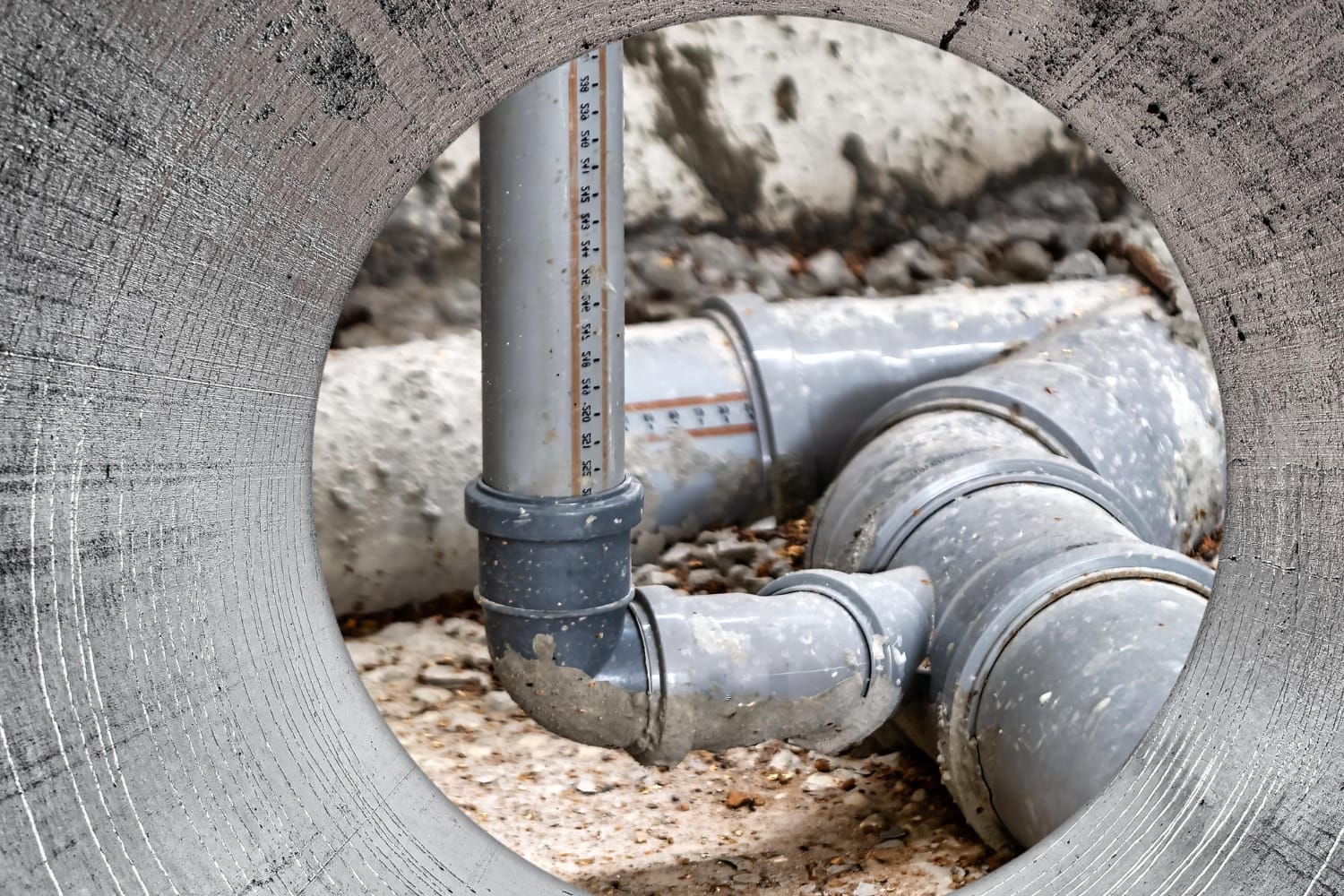
A main sewer replacement line typically costs between $1,388 and $5,323, with most homeowners paying around $3,319 for the complete project. The final price depends on factors like how long the pipe is, how deep it sits underground, what materials are used, and how easy it is to access. Some jobs may cost less or more based on the specific situation.
Your home’s main sewer line is one of the most important parts of your plumbing system. It carries all wastewater from your house to the city sewer or septic system. When this line fails, it can cause serious problems like sewage backups, bad smells, and damage to your property.
Knowing when to replace a sewer line and understanding the process can help homeowners make smart decisions. This guide covers the warning signs of sewer line problems, explains how professionals do the work, and shows why acting quickly saves money in the long run.
Let’s break down the key points you should consider:
- What is a main sewer line replacement?
- Signs you need main sewer line replacement
- How a professional main sewer line replacement is performed
- Benefits of timely main sewer line replacement
- DIY vs professional main sewer line replacement
- Why choose Pro Sewer Repair for main sewer line replacement
Keep reading! Knowing when to replace a sewer line and understanding the process can help homeowners make smart decisions.
What is a main sewer line replacement?
A main sewer line replacement involves removing the old pipe that connects a building to the municipal sewer system and installing a new one. This process differs from basic repairs and varies based on property type and installation method.
Differences between repair and full replacement
Sewer line repair fixes specific damaged sections of pipe without replacing the entire system. Plumbers use repair methods like pipe patching, epoxy lining, or spot repairs to address isolated cracks, small leaks, or minor blockages.
Full replacement removes the entire sewer line from the building to the main connection point. This becomes necessary when damage extends throughout the pipe, when multiple sections have failed, or when the pipe material has deteriorated beyond repair.
Age plays a major role in this decision. Pipes older than 50 years often need replacement rather than repair. Tree root intrusion that affects large sections of pipe typically requires replacement. Repeated clogs or backups signal that repair won’t solve the underlying problem.
Cost differences exist between these options. Repairs usually cost $1,000 to $4,000 for isolated issues. Replacement ranges from $3,000 to $25,000 depending on length, depth, and method used.
Residential vs commercial sewer line replacement
Residential sewer replacement handles smaller diameter pipes, typically 4 to 6 inches wide. These systems serve single-family homes, duplexes, or small apartment buildings. The pipe length usually runs 50 to 100 feet from the house to the street connection.
Commercial sewer services deal with larger infrastructure needs. Commercial pipes range from 6 to 12 inches or more in diameter. These systems must handle higher wastewater volumes from multiple units, bathrooms, and kitchens.
Commercial projects require different permits and inspections. They often involve coordination with business operations to minimize downtime. The work may need to happen during off-hours or in phases to keep businesses running.
Residential projects typically take 1 to 3 days to complete. Commercial sewer line replacement can take several days to weeks depending on building size and complexity.
Trenchless vs traditional replacement methods
Traditional replacement requires digging a continuous trench from the building to the main sewer connection. This method exposes the entire pipe for removal and replacement. Crews must excavate yards, driveways, or landscaping along the pipe route.
Under the traditional “dig-and-replace” method, crews excavate along the entire length of the existing sewer, remove the old pipe, and replace it with new pipe, per the U.S. EPA pipe bursting fact sheet’s comparison to traditional replacement.
Trenchless sewer replacement uses two small access points instead of a full trench. The main techniques include pipe bursting and pipe lining. Pipe bursting breaks apart the old pipe while simultaneously pulling new pipe into place. Pipe lining inserts a resin-coated tube that hardens into a new pipe inside the old one.
| Method | Excavation Needed | Typical Duration | Yard Disruption |
| Traditional | Full trench | 3-5 days | High |
| Trenchless | 2 access points | 1-2 days | Minimal |
Trenchless methods cost more per foot but save money on landscape restoration. Traditional replacement works better for severely misaligned pipes or when complete removal is required. Trenchless options preserve driveways, mature trees, and hardscaping.
Benefits of professional replacement
Licensed plumbers have specialized equipment for sewer line work. They use video camera inspections to identify exact problem locations and assess pipe condition. This prevents unnecessary digging and ensures accurate diagnosis.
Professionals pull proper permits and schedule required inspections. Municipal codes govern sewer line work, and violations can result in fines or required rework. Licensed contractors understand local regulations and building requirements.
Professional installation includes warranties on labor and materials. Most companies offer 1 to 5-year warranties on workmanship and 25 to 50-year warranties on pipe materials. This protection covers future problems related to the installation.
Experienced contractors complete projects faster and with fewer complications. They coordinate with utility companies to mark underground lines. They restore surfaces properly after completion and dispose of old materials according to regulations.
Signs you need main sewer line replacement
Your main sewer line can fail gradually or suddenly, and catching problems early can prevent costly damage to your home. Backup issues, bad smells, visible pipe damage, invasive tree roots, and unusual wet areas in your yard all point to serious sewer line problems that may require full replacement.
Frequent backups or slow drains
Multiple drains backing up at the same time indicates a problem with the main sewer line rather than individual fixtures. When toilets gurgle while using the shower or water backs up in the bathtub when flushing, the main line is likely blocked or damaged.
Slow drains throughout the house signal that wastewater cannot flow properly through the system. A single slow drain usually means a localized clog, but when all drains are sluggish, the main sewer line is restricting flow.
Recurring backups despite repeated drain cleaning suggest the pipe itself has failed. Cracks, collapses, or severe corrosion create permanent obstructions that cannot be cleared with standard methods. At this point, replacing the damaged section or entire line becomes necessary to restore proper drainage.
Foul sewer odors inside or outside the home
Sewer gas smells inside the home indicate a crack or break in the main line. These odors contain harmful gases like methane and hydrogen sulfide that can affect health and safety. The smell resembles rotten eggs and appears strongest near drains or in the basement.
Outside odors concentrated in one area of the yard point to a leak in the buried sewer line. Raw sewage escaping from the pipe creates a persistent smell that does not go away with rain or time.
A properly sealed sewer system should never release odors into living spaces or the yard. When smells persist after checking P-traps and vent pipes, the main line has likely developed cracks or separated at the joints.
Cracks or sagging in sewer pipes
Video camera inspections reveal the true condition of underground pipes. Cracks form from age, corrosion, ground movement, or excessive weight above the pipe. Small cracks allow tree roots to enter and quickly expand into larger breaks.
Sagging pipes, also called bellies, occur when sections of the line settle lower than others. Water and waste collect in these low spots instead of flowing to the municipal system. The standing waste creates recurring clogs and accelerates pipe deterioration.
Clay and cast iron pipes are especially vulnerable to cracking after 40 to 50 years of service. Modern PVC pipes resist cracking better but can still fail from ground shifts or improper installation. Multiple cracks or extensive sagging throughout the line make replacement more practical than spot repairs.
Excessive tree root intrusion
Tree roots seek out moisture and nutrients in sewer lines. Small roots enter through tiny cracks or loose pipe joints, then grow into thick masses that block the entire pipe. Fast-growing trees like willows, maples, and poplars are the most aggressive invaders.
Roots can break through pipes or crush them entirely as they expand. Chemical root killers and mechanical cutting provide temporary relief, but roots return within months. Once roots have compromised the pipe structure, the damage is permanent.
Replacing the affected section with root-resistant PVC pipe and installing root barriers stops the cycle of repeated clogs. Some older properties have pipes so infiltrated with roots that replacing the entire main line is the only lasting solution.
Wet spots or sinkholes in the yard
Unexplained soggy areas in the yard indicate leaking sewage from the buried main line. The ground stays wet even during dry weather because wastewater continuously seeps into the soil. Grass in these areas often grows faster and greener than surrounding lawn due to the fertilizing effect of sewage.
Sinkholes or depressions form when soil erodes away from persistent leaks. The escaping water washes away dirt and creates voids beneath the surface. These holes can appear suddenly and grow larger as more soil washes into the broken pipe.
Sewage leaks contaminate soil and groundwater with harmful bacteria. Property owners should address wet spots immediately to prevent environmental damage and foundation problems. When leaks are extensive or located deep underground, full line replacement ensures the problem will not return.
How a professional main sewer line replacement is performed
Professional sewer line replacement follows a clear process from start to finish. Plumbers use specialized equipment to inspect the damage, select the best replacement method, remove old pipes, and verify the new line works correctly.
Initial sewer line inspection and diagnostics
The plumber starts by running a waterproof camera through the sewer line. This camera inspection shows the exact location and severity of damage inside the pipes.
The video feed reveals problems like cracks, root intrusions, collapsed sections, and corrosion. Plumbers measure how far damaged areas sit from the house and mark their depth underground.
Common diagnostic tools include:
- Video inspection cameras with recording capability
- Line locators to map underground pipe routes
- Pressure testing equipment
- Smoke tests to find hidden leaks
The plumber reviews the footage with the homeowner and explains what repairs are needed. They measure the total length of pipe that requires replacement. This inspection determines whether a partial repair can work or if the entire line needs replacement.
Choosing the replacement method: trenchless or traditional
Two main methods exist for replacing sewer lines. The choice depends on pipe depth, damage extent, soil conditions, and property layout.
Traditional trenching involves digging a trench along the entire pipe route. Workers excavate the old pipe, remove it, and install new pipe in the same path. This method works for severely damaged lines and allows complete access to the work area.
Trenchless methods require minimal digging. Pipe bursting breaks apart the old pipe while pulling new pipe into place. Pipe lining inserts an epoxy-coated sleeve inside existing pipes that hardens into a new inner wall.
| Method | Excavation | Duration | Best For |
| Traditional | Full trench | 2-5 days | Collapsed pipes, deep lines |
| Trenchless | Entry and exit pits only | 1-2 days | Intact pipes with cracks or roots |
Trenchless costs more upfront but saves landscaping and driveway repair expenses. Traditional trenching costs less for materials but requires extensive restoration work afterward.
Pipe removal and installation
For traditional replacement, excavators dig a trench from the house connection to the street main. Workers carefully remove the old pipe in sections. They slope the trench correctly so waste flows by gravity toward the municipal line.
The crew lays new pipes made of PVC, ABS, or cast iron depending on local codes. Each section connects with watertight seals. Workers backfill soil around the pipe in layers and compact each layer to prevent settling.
Trenchless installation requires digging only two small access pits. The crew feeds a bursting head through the old pipe that fractures it outward. New pipe gets pulled behind the head into the space created. Alternatively, they insert and inflate a resin-soaked liner that cures in place.
Both methods protect the new line with proper bedding material. Sand or gravel surrounds the pipe to cushion it and allow drainage.
Post-replacement testing and inspection
Plumbers test the new sewer line before covering it permanently. They run water through all fixtures simultaneously to check flow capacity. The line must drain quickly without backup or gurgling sounds.
A final camera inspection documents the installation quality. The video shows clean joints, proper slope, and no defects in the new pipe. This recording serves as a baseline for future reference.
Standard tests include:
- Hydrostatic pressure test to verify leak-free joints
- Flow test using measured water volume
- Smoke test to confirm all connections seal properly
The plumber provides documentation of all inspections and test results. Local building departments often require these records before approving the work. Permits get closed out after passing municipal inspection.
Benefits of timely main sewer line replacement
Replacing a failing sewer line before it causes serious problems saves homeowners from expensive repairs and protects their property from damage. Acting early keeps plumbing systems running smoothly and prevents emergencies that disrupt daily life.
Prevents costly water damage
A damaged sewer line leaks wastewater into the surrounding soil, which can seep into foundations, basements, and crawl spaces. This contaminated water weakens structural supports and creates conditions for mold growth. The longer a homeowner waits to replace a failing line, the more extensive the water damage becomes.
Water damage from sewer leaks often costs thousands of dollars to repair. Foundation repairs alone can run between $2,000 and $15,000, depending on the severity. Basement waterproofing and mold remediation add even more to the total cost.
Timely replacement stops leaks before they reach the home’s structure. A new sewer line creates a sealed pathway that keeps wastewater contained and flowing away from the property. This protection preserves the home’s value and eliminates health hazards associated with sewage exposure.
Reduces risk of repeated backups
Old or damaged sewer lines develop cracks, breaks, and bellies where waste accumulates. These problem areas catch solid waste and allow tree roots to enter the pipe. Each blockage requires professional cleaning, which only provides temporary relief.
Repeated backups create unsanitary conditions inside the home. Sewage can overflow from drains, toilets, and basement floor drains. Each incident requires cleanup and disinfection to protect the health of household members.
When sewage enters a basement or home, the U.S. EPA notes the area should be thoroughly cleaned/disinfected to reduce disease risk, and that porous items (like rugs, flooring, wallboard panels, and upholstered furniture) that contact sewage often must be replaced.
A new sewer line eliminates the weak points where blockages form. Modern pipes resist root intrusion and maintain proper slope for drainage. Homeowners who replace failing lines avoid the cycle of repeated clogs and emergency plumber visits.
Improves overall plumbing efficiency
A compromised sewer line creates slow drainage throughout the home. Sinks, showers, and toilets take longer to empty because wastewater struggles to move through damaged pipes. Multiple fixtures may drain slowly at the same time, which signals a main line problem.
New sewer pipes restore full flow capacity to the drainage system. Water and waste move quickly through smooth interior walls without obstruction. Fixtures drain at normal speed, and the system handles heavy usage without backup.
Better flow also reduces strain on the entire plumbing system. Drains work as designed, and homeowners don’t need chemical cleaners or frequent augering. The improved efficiency makes daily tasks like showering and dishwashing more convenient.
Extends the lifespan of your sewer system
A new sewer line installed with modern materials can last 50 to 100 years. PVC pipes resist corrosion and maintain structural integrity for decades. HDPE (high-density polyethylene) pipes offer flexibility and durability in challenging soil conditions.
Older sewer lines made from clay, cast iron, or Orangeburg deteriorate over time. Clay pipes crack and separate at joints. Cast iron corrodes from the inside out. These materials have reached or exceeded their expected lifespan in many homes built before 1980.
Replacement stops the gradual decline of aging pipes. Instead of patching problems as they appear, homeowners get a complete system that won’t need major repairs for decades. This long-term solution provides reliability and eliminates the uncertainty of an old sewer line.
DIY vs professional main sewer line replacement
Replacing a main sewer line involves heavy excavation equipment, precise pipe installation, and strict adherence to building codes. While a homeowner might save on labor costs with a DIY approach, the technical demands and safety risks often outweigh the benefits.
Safety concerns with heavy equipment and sewer systems
To reduce trench cave-in risk, Washington State Labor & Industries (L&I) emphasizes that using a protective system (such as shields/trench boxes) is the most important control and notes these systems should be properly designed and maintained.
Operating excavators and backhoes requires specialized training that most homeowners lack. These machines weigh several tons and can cause serious injury or death if operated incorrectly. A single mistake can damage underground utilities like gas lines or electrical cables.
Sewer systems contain harmful bacteria and gases that pose health risks. Exposure to raw sewage can lead to infections from E. coli, hepatitis A, and other pathogens. Methane and hydrogen sulfide gases build up in sewer lines and can cause explosions or asphyxiation in confined spaces.
Professionals wear protective equipment and follow safety protocols to minimize these dangers. They also carry liability insurance that covers property damage and injuries during the project.
Risks of improper pipe installation
Sewer pipes must be installed at a specific slope to ensure waste flows properly toward the municipal line. The standard slope is one-quarter inch per foot of pipe. Too flat and waste will pool and clog. Too steep and liquids separate from solids.
Joint connections between pipe sections need proper sealing to prevent leaks. Even small gaps allow tree roots to infiltrate and cause blockages within months. Professionals use specialized tools to align and secure connections according to manufacturer specifications.
Bedding material around the pipe must be compacted correctly to prevent settling. Improper compaction leads to pipe sagging and eventual breaks. Crushed stone or specific sand types work best depending on soil conditions.
Ensuring long-term reliability and compliance with local codes
Municipal codes require permits and inspections for main sewer line replacement. Inspectors check excavation depth, pipe material, slope, and connection methods before allowing crews to backfill. Work completed without permits can result in fines and mandatory removal of the entire installation.
For example, the City of Tacoma states that for private sewer construction or repair work (including side sewer projects), a permit is required and city inspectors verify compliance with regulations.
Building codes specify approved pipe materials based on local soil conditions and climate. PVC works well in most areas but may not be suitable for regions with expansive clay soils. Cast iron or ABS plastic might be required instead.
Professional plumbers understand these requirements and pull the necessary permits before starting work. They schedule inspections at required phases and correct any issues inspectors identify. Licensed contractors also provide warranties that guarantee their work for several years.
Why choose Pro Sewer Repair for main sewer line replacement
Pro Sewer Repair combines technical expertise with modern equipment to handle both simple and complex sewer line projects. Their team delivers efficient solutions while keeping property damage to a minimum.
Experienced residential and commercial plumbing specialists
Pro Sewer Repair employs certified technicians who work on both homes and businesses. These specialists understand the unique challenges of different property types. They handle everything from small residential lines to large commercial sewer systems.
The team stays current with industry standards and local building codes. This knowledge helps them navigate permit requirements and ensure all work meets regulations. Their experience includes diagnosing hidden problems that less skilled technicians might miss.
Each project receives a thorough assessment before work begins. Technicians use video camera inspections to identify the exact location and extent of damage. This approach prevents unnecessary digging and keeps costs predictable.
The company’s specialists have worked with various pipe materials including clay, cast iron, PVC, and orangeburg. They know how each material ages and fails. This expertise helps them recommend the best repair or replacement method for each situation.
Advanced equipment for trenchless and traditional methods
Pro Sewer Repair uses modern trenchless technology alongside conventional excavation tools. Trenchless methods like pipe bursting and pipe lining require less digging. These options work well when landscaping or driveways sit above the damaged line.
The company owns specialized cameras that travel through pipes to record video footage. This equipment identifies cracks, root intrusions, and collapsed sections without excavation. Technicians can show homeowners exactly what needs repair.
For traditional projects, they have excavators and trenching equipment sized for different properties. Smaller machines work in tight spaces like side yards. Larger equipment handles commercial projects or deeply buried lines.
Their pipe lining equipment creates a new pipe inside the old one using epoxy resin. This method adds decades of life to existing lines. When full replacement makes more sense, their pipe bursting tools break apart old pipes while pulling new ones into place.
Fast, reliable service with minimal disruption
The company responds quickly to service calls and schedules projects promptly. Most jobs finish within one to three days depending on length and complexity. Emergency repairs often begin within hours of the initial call.
Trenchless methods reduce disruption to yards, driveways, and landscaping. Property owners avoid the cost of restoring large excavation areas. The work site stays cleaner and safer throughout the project.
Pro Sewer Repair protects existing landscaping features when possible. Technicians mark utility lines before any digging starts. They communicate clearly about work schedules and any unexpected complications.
The team cleans up thoroughly after completing each project. They haul away old pipes and excess dirt. Properties look nearly unchanged after trenchless work finishes.
Proven customer satisfaction and long-lasting results
Pro Sewer Repair backs their work with solid warranties on both labor and materials. New pipe installations typically include warranties of 25 to 50 years. Trenchless liner installations come with guarantees that match or exceed traditional replacement methods.
The company maintains high ratings from past customers who appreciate their transparent pricing. They provide written estimates that break down material and labor costs. No hidden fees appear after work completes.
Their professional sewer line service includes follow-up inspections to verify proper flow and connection. Technicians test systems before considering a job complete. This attention to detail prevents callbacks and ensures lasting repairs.
Past clients report fewer drain problems and better system performance after Pro Sewer Repair completes work. The company uses quality materials that resist future root intrusion and corrosion. Their installations meet manufacturer specifications for maximum longevity.
Conclusion
Replacing a main sewer line is a major project that requires careful planning and professional help. Homeowners who understand the process can make better decisions and avoid unnecessary stress.
The key is recognizing warning signs early. Repeated backups, slow drains, and unusual odors often mean it’s time for an inspection. A camera inspection can reveal the exact problem and help determine if repair or replacement is needed.
Modern replacement methods have made the process less disruptive than before. Trenchless technology can often complete the job without extensive digging. Traditional methods remain effective for certain situations.
Working with a qualified contractor makes the project run smoothly. They handle permits, inspections, and ensure the work meets local codes. They can also spot potential issues before they become bigger problems.
A new sewer line protects property value and prevents future damage. The investment provides decades of reliable service when installed correctly. Homeowners who act on problems quickly often spend less than those who wait.
The process doesn’t have to be overwhelming. With proper information and the right team, replacing a main sewer line becomes a manageable home improvement project.
Request an estimate from Pro Sewer Repair for main sewer line replacement so you can confirm the failure point with a camera inspection, choose the right method (trenchless or traditional), and restore reliable drainage without recurring backups.