
Pro Sewer Repair sewer lining services
If your sewer line has cracks, leaks, or deterioration, sewer lining in Seattle, WA can often restore performance without the disruption of traditional excavation. Pro Sewer Repair delivers professional sewer pipe lining solutions designed to rehabilitate the existing line from the inside, helping you address recurring issues while protecting landscaping, hardscapes, and access areas whenever conditions allow.
Sewer lining is commonly performed using cured-in-place pipe (CIPP), a trenchless method that installs a resin-saturated liner inside the existing pipe and cures it to form a new, jointless “pipe within a pipe.” With proper inspection and preparation, lining can be a practical option when the pipe structure is a good candidate for rehabilitation.
Why do you need professional sewer lining services
Not every pipe is a good candidate for lining.
Sewer lining is highly effective in the right conditions, but it requires a proper inspection to confirm the pipe’s material, alignment, and defect type before relining is recommended. Professional evaluation helps ensure the lining is the correct method rather than a temporary or mismatched fix.
Correct installation depends on specialized training and quality control.
Cured-in-place pipe (CIPP) is a technical process that involves selecting the material, the installation method, and the curing approach. Professional execution helps reduce the risk of avoidable installation issues and supports consistent results.
Proper prep work is essential for a long-lasting result.
For the lining to perform as intended, the host pipe typically needs to be cleaned and prepared so the liner can fit and cure correctly. A professional process ensures the pipe is properly prepared rather than just “patched” for short-term relief.
Lining can reduce surface disruption compared to open-trench repair.
Seattle specifically describes sewer lining as a non-excavation rehabilitation method that installs a cured-in-place pipe inside the existing pipe. That value is best protected when the job is designed and installed correctly.
A seamless liner can help reduce repeat intrusion issues.
Seattle’s side sewer repair guidance notes that CIPP creates a “pipe within a pipe,” resulting in a seamless length of pipe that can help prevent root infiltration and extend the life of the side sewer.
Documentation supports better decisions and smoother next steps.
Professional sewer lining projects typically include inspection findings and precise documentation of what was rehabilitated, which helps when planning future maintenance, repairs, or permit-related work. Seattle maintains side-sewer permitting resources that may apply, depending on the scope and location.
Fast and reliable sewer lining services across Seattle, WA
Seattle’s older neighborhoods and tree-lined streets can increase the likelihood of side-sewer issues such as cracks, joint defects, and root intrusion, which can lead to recurring backups and leaks if not addressed early. Seattle Public Utilities specifically calls out common side sewer defects and issues, including roots entering cracked pipes and other conditions that can compromise the line over time.
Pro Sewer Repair provides sewer lining in Seattle, WA, with a practical, inspection-led approach that prioritizes minimal disruption when the pipe is a good candidate for rehabilitation. Seattle also describes sewer lining as non-excavation work that rehabilitates pipes by installing a cured-in-place pipe (CIPP) inside the existing pipe, making it a strong option for many properties where extensive digging would be costly or inconvenient. With clear documentation and a defined scope, we help you move from recurring sewer problems to a restored, more reliable line.
How to deal with a cracked or leaking sewer line
If you notice recurring backups, sewer odors, or signs of a leak, the priority is to confirm whether the problem is caused by a blockage or by pipe damage, such as cracks, joint separation, or root intrusion. Seattle Public Utilities notes that side sewer problems often involve defects such as cracked pipes and roots entering the line, which can worsen over time if left unaddressed.
Signs your line may be a good candidate for sewer lining
- Recurring clogs or backups that come back soon after cleaning
- Evidence of cracks, leaks, or joint defects found during a camera inspection
- Root intrusion that keeps returning because the pipe has openings or weak points
- You want a repair approach that minimizes digging in landscaping, driveways, or hardscape.
What to do right now
- Reduce water use if you are experiencing active backups.
- Avoid contact with any water that may be contaminated with sewage, since exposure can make you sick.
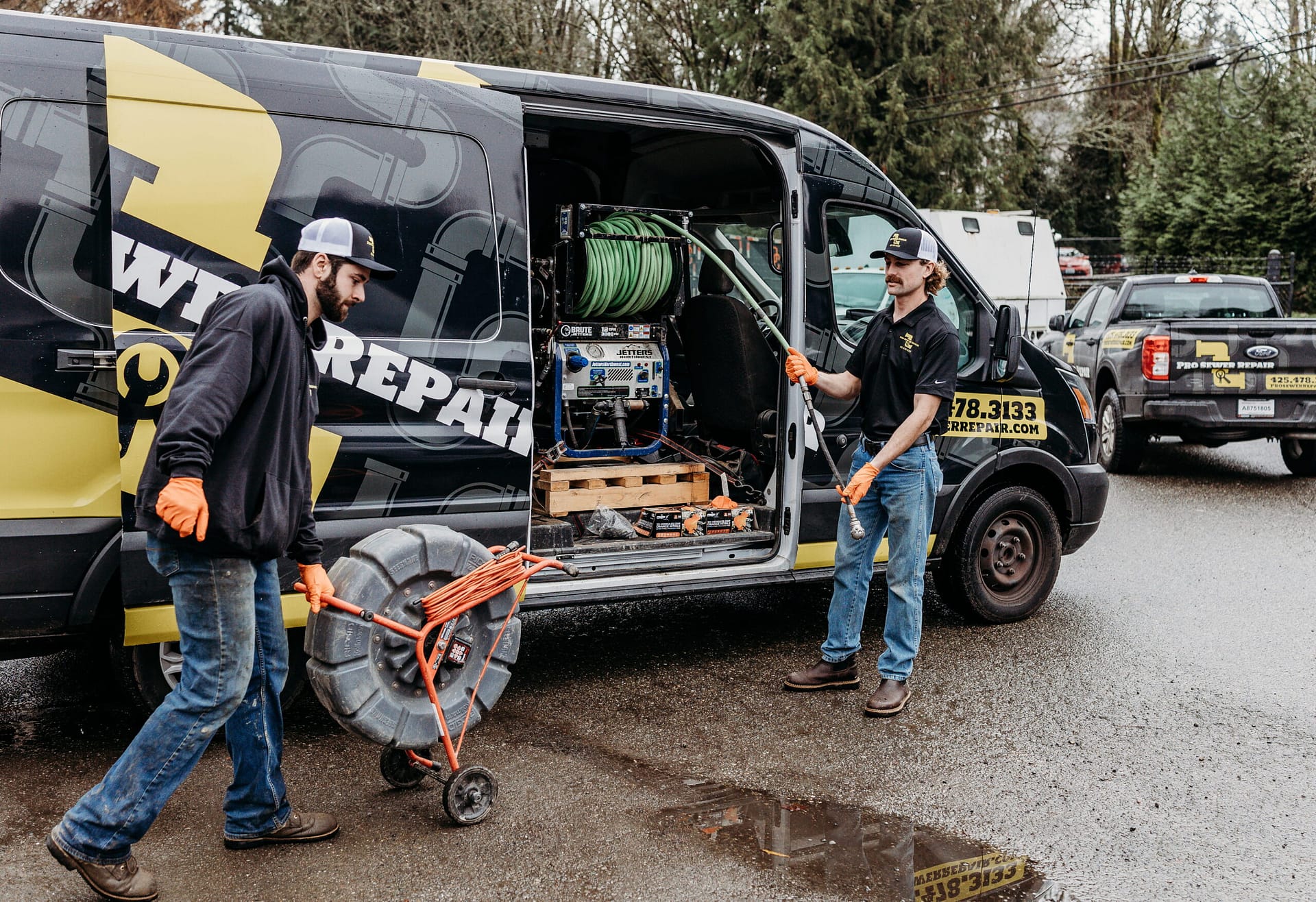
- Schedule a sewer camera inspection to document what is happening inside the line and the location of the defect. This prevents guesswork and supports the correct repair method.
What a professional sewer lining plan typically includes
- Video inspection to confirm the pipe condition and verify that the lining is appropriate
- Cleaning and preparation so the liner can fit and cure correctly
- Installation of a resin-saturated liner and curing in place to form a structurally sound, watertight, jointless liner within the existing pipe
When sewer lining may not be the best option
- The pipe has collapsed or is severely deformed
- The line has geometry or damage that prevents proper liner installation.
In those cases, replacement methods such as trenchless pipe bursting may be more appropriate after inspection confirms feasibility.
Seattle note
Because side sewers in Seattle are privately owned, property owners are responsible for maintenance and repair decisions. Addressing defects early is often the most cost-effective path compared to waiting for a primary backup or failure.
Why choose Pro Sewer Repair
Family-owned and locally operated since 2017
A Seattle-area team built on responsive service, honest pricing, and customer-first quality.
24/7 availability for urgent sewer issues
If a failing line becomes an active backup or a leak concern, you can reach us anytime.
Inspection-led lining recommendations
We start with camera-based evidence, so lining is recommended only when the existing pipe is a good candidate for rehabilitation, not as a default “one-size” solution.
Trenchless expertise that reduces disruption when appropriate
Sewer lining is a non-excavation rehabilitation method that installs cured-in-place pipe (CIPP) inside the existing pipe, helping reduce digging and restoration compared to open-trench repair in many cases.
Quality-minded approach informed by industry standards
CIPP is intended to form a structurally sound, jointless, watertight “pipe within a pipe,” and we focus on the prep, installation, and verification steps that support that outcome.
Clear next steps and free estimates
You receive straightforward options and a defined scope so you can make an informed decision quickly.
What our happy customers say about us
Pro Sewer Repair is consistently recognized for clear communication, respectful job sites, and results that hold up over time, including trenchless sewer rehabilitation work on older Seattle-area properties. You can explore verified customer feedback on our published reviews page and trusted third-party platforms.
Our 3-step process
Sewer lining works best when it follows a disciplined, inspection-led workflow. Seattle describes sewer lining as non-excavation rehabilitation using cured-in-place pipe (CIPP) that lines the inside of the existing pipe, and industry standards emphasize proper cleaning, controlled installation, and curing to achieve a continuous, tight-fitting result.
Step 1: Inspect and confirm the pipe is a good candidate
We start with a sewer camera inspection to document what is happening inside the line and confirm that lining is appropriate for the pipe’s condition, alignment, and defect type. This ensures sewer lining is selected for the right situations rather than used as a default.
Step 2: Clean, prep, and install the liner
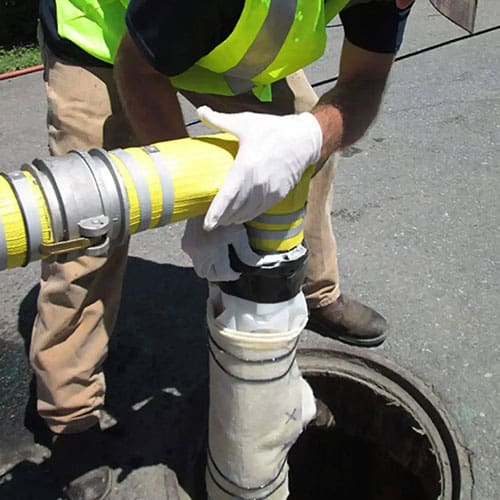
Before lining, the pipe is cleaned and prepared so the liner can fit and cure correctly. Then a resin-impregnated flexible tube is installed inside the host pipe (commonly via inversion or pull-in methods, depending on the job), positioned to rehabilitate the targeted section.
Step 3: Cure, verify, and document results
The liner is cured in place to form a new pipe within the old one. ASTM notes curing can be performed using hot water, steam, or other controlled methods, and NASSCO describes the intended outcome as a structurally sound, jointless, watertight “pipe-within-a-pipe.” After curing, we verify results and provide clear documentation to support next steps and long-term planning.
Restore your sewer line with a trenchless plan built for long-term reliability.
Sewer lining FAQs for Seattle property owners
Sewer lining is a trenchless rehabilitation method that restores an existing pipe from the inside. Seattle describes it as non-excavation work that rehabilitates pipes by installing cured-in-place pipe (CIPP) that lines the inside of the existing pipe.
Restore your sewer line without major digging. Request a free estimate today.
If your sewer line shows signs of cracks, leaks, or recurring backups, sewer lining may be the most efficient way to restore performance while minimizing disruption. Sewer lining is a non-excavation rehabilitation method that installs cured-in-place pipe (CIPP) inside the existing pipe, creating a new “pipe within a pipe” that is structurally sound, jointless, and watertight.
Pro Sewer Repair makes it simple to take the next step. Call now to request a free estimate and schedule service with a local team that is available 24/7 for urgent sewer concerns.