
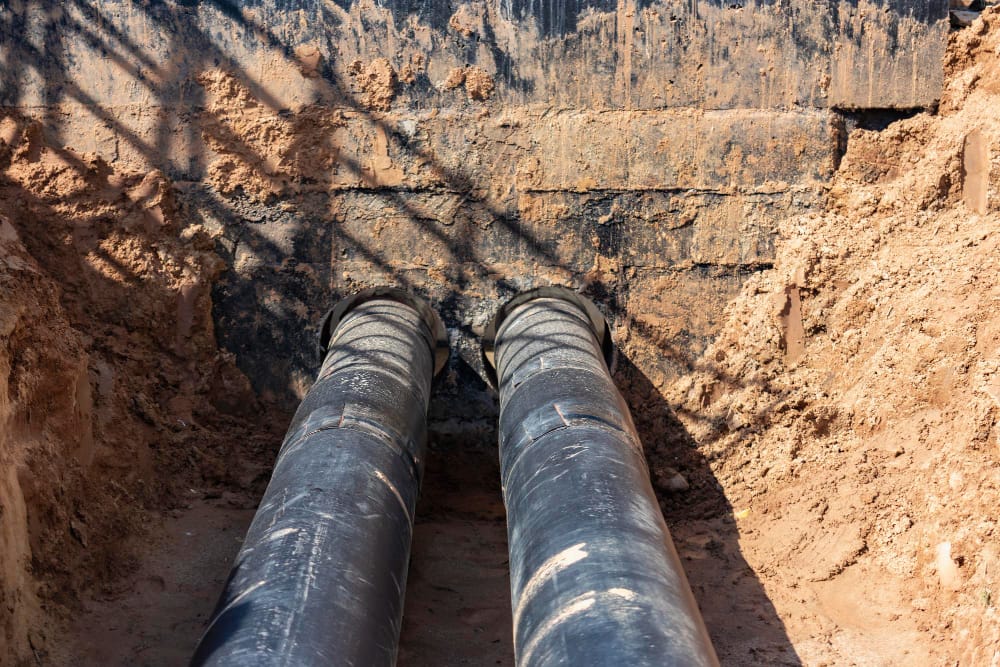
Sewer problems along Shoreline properties can be challenging to fix when pipes run under lawns, driveways, or near waterfront areas. Traditional repairs require digging up large sections of your yard, which damages landscaping and costs a lot of money. Sewer pipe relining offers a better solution for underground line restoration without the mess and disruption of excavation.
Pipe relining restores Shoreline underground sewer lines by inserting a new pipe liner inside your existing damaged pipe, which hardens to create a strong, durable pipe within the old one. This trenchless method works from access points at either end of your sewer line, so your property stays intact during the repair. The process takes much less time than traditional replacement and causes minimal disturbance to your yard.
Understanding how pipe relining works helps you make better decisions about fixing your sewer system. This article explains what causes sewer line damage in Shoreline areas, how trenchless repair methods restore your pipes, and why this solution benefits property owners who want lasting repairs without destroying their landscaping.
In this article, you will learn:
- Hidden causes of sewer problems along shorelines
- Trenchless repair methods for damaged sewer lines
- Assessing line suitability and preparation
- Advantages for Shoreline property owners
- Enhancing long-term performance of sewer systems
Keep reading to understand exactly how relining can save your yard, your budget, and your sewer system from years of recurring problems.
Hidden causes of sewer problems along shorelines
Shoreline sewer systems face unique challenges that often go unnoticed until major damage occurs. Cracked pipes and shifting coastal soils create conditions that accelerate deterioration, while tree roots exploit weaknesses in aging infrastructure.
Cracked or aging pipes and soil contamination
Old sewer pipes in shoreline areas break down faster than pipes in other locations. The constant moisture in coastal soil speeds up corrosion in metal pipes and causes clay pipes to crack. When pipes crack, raw sewage leaks into the surrounding soil and contaminates the ground.
These leaks create soft spots in the soil that make the problem worse. The ground around damaged pipes becomes saturated with waste, which eats away at pipe materials even faster. You might notice wet patches in your yard or smell sewage odors near the ground.
Contaminated soil also attracts bacteria that produce acids and gases. According to the U.S. Environmental Protection Agency, much of the nation’s sewer infrastructure was installed in the post-World War II era and now exceeds its useful service life, leading to widespread failures from corrosion and material breakdown. These substances attack pipe walls from the outside while waste flows corrode them from the inside.
Pipes from the 1950s through 1980s are especially at risk because they were made with materials that don’t hold up well in wet coastal conditions.
Tree root intrusion in older systems
Trees near shoreline properties send roots deep into the ground searching for water. Your sewer pipes provide a constant source of moisture and nutrients that attract these root intrusion issues. Roots enter pipes through small cracks or loose joints and grow into thick masses that block flow.
Willow, poplar, and maple trees are the worst offenders because their root systems spread wide and grow aggressively. A single tree can send roots 50 feet or more from its trunk. Roots can grow several inches thick inside pipes within just a few years.
Once inside, tree roots in sewer line systems trap debris and cause backups in your home. The roots also expand as they grow, which cracks pipes wider and creates more entry points.
Impact of coastal soil movement on underground pipes
Shoreline soil shifts constantly due to changes in water tables and ground saturation. When soil gets wet, it expands. When it dries, it contracts. This cycle puts stress on rigid sewer pipes buried underground.
Clay-heavy coastal soils move more than sandy soils. The movement bends pipes and separates joints where sections connect. You can end up with misaligned pipes that sag or develop low spots where waste collects.
Erosion from groundwater flow also washes away soil that supports your pipes. Without proper support, pipes crack under the weight of the ground above them. Properties built on filled land face even greater risks because the fill settles unevenly over time.
Trenchless repair methods for damaged sewer lines
Trenchless sewer repair in Shoreline uses advanced techniques to fix damaged underground pipes through small access points instead of digging up your entire yard. The two main methods are pipe lining, which creates a new pipe inside the old one, and pipe bursting, which replaces the damaged line completely.
How resin-coated liners are installed
The pipe lining process starts when technicians insert a flexible tube coated with epoxy resin into your damaged sewer line. This liner travels through small access points at either end of the problem area.
Before installation, your pipes need to be cleaned thoroughly. Technicians use special equipment to remove debris, roots, and buildup that could prevent the liner from adhering properly.
Once the liner is in position, it gets inflated with air or water pressure. This forces the resin-coated material against the interior walls of your existing pipe. The resin then needs time to harden and cure.
Curing methods include:
- Hot water circulation
- Steam heating
- UV light technology
- Ambient air curing
The curing process typically takes 2-4 hours depending on the method used and the size of your pipe. After the resin hardens completely, the liner becomes a strong, seamless pipe within your old sewer line.
Creating a new pipe within the existing structure
Your new liner forms a rigid, corrosion-resistant pipe that can last 50 years or more. The epoxy resin bonds to itself as it cures, creating a smooth interior surface that improves water flow.
This new pipe structure is jointless, which means there are no weak points where roots can penetrate. The cured liner also resists chemicals and prevents future corrosion that damaged your original pipe.
The thickness of the new pipe wall depends on the severity of damage and pipe diameter. Most residential applications use liners between 3-6 millimeters thick. Your contractor calculates the exact thickness needed based on pipe condition and local building codes.
The finished liner is actually stronger than many traditional pipe materials. It can handle the same pressure and load requirements as a brand new sewer line.
Restoring flow without full excavation
Pipe lining sewer repair only requires two small access points at each end of the damaged section. Your contractor typically uses existing cleanouts or creates minimal access holes about 2-3 feet wide.
This approach protects your landscaping, driveways, and sidewalks from the destruction caused by traditional trenching. You avoid the cost and hassle of restoring torn-up yards or broken concrete. According to the U.S. Environmental Protection Agency, cured-in-place pipe lining is recognized as one of the most widely adopted trenchless rehabilitation methods because it restores structural integrity to deteriorated gravity sewers with minimal surface disruption.
The entire repair process usually takes one to two days for residential lines. You can often use your plumbing system again within hours after the liner finishes curing.
Your sewer flow capacity may actually improve after lining because the smooth epoxy surface reduces friction. This means water and waste move through more efficiently than they did in your corroded or scaled original pipe.
Assessing line suitability and preparation
Not every damaged sewer line can be relined, and proper preparation determines whether the process will succeed. Your contractor needs to evaluate the pipe’s condition, clean it thoroughly, and address any structural issues before installing the liner.
Managing severe pipe collapse
Pipe relining works best when your sewer line maintains most of its original shape. If your pipe has collapsed by more than 30-40%, the liner cannot form properly inside it. The collapsed sections block the liner from moving through the pipe and prevent it from curing into the right shape.
Your contractor will use camera footage to measure exactly how much the pipe has collapsed. Small collapses or cracks can often be relined successfully. But severe collapses usually require partial excavation to repair that section first. In cases of full structural failure, collapsed sewer line repair may involve a combination of methods to restore the line completely.
Some contractors can reshape moderately collapsed sections using special tools before relining. This approach works when the pipe material is still intact enough to be pushed back into place. However, pipes that have completely flattened or separated need traditional replacement for those damaged areas.
Role of camera inspections
Your contractor must perform a detailed sewer camera inspection before any relining work begins. The camera travels through your entire sewer line to record its condition from the inside. This inspection reveals cracks, root intrusions, blockages, bellied sections, and connection points.
The footage helps your contractor measure the exact length and diameter of the pipe that needs relining. They also identify any offsets or changes in pipe direction that could complicate the installation. This information determines what type of liner material to use and how much resin the project requires.
A sewer line diagnostic also confirms whether your pipe is actually suitable for relining or needs replacement instead.
Importance of cleaning before relining
Your sewer line must be completely clean before the liner goes in. Any debris, roots, scale, or buildup will create bumps under the new liner. The liner takes the exact shape of whatever surface it touches, so a dirty pipe results in an uneven interior.
Contractors use high pressure drain cleaning to remove all material from the pipe walls. Stubborn scale or mineral deposits require mechanical cutting tools to scrape them away. Root intrusions get cut out using specialized cutting heads.
The cleaning process must expose the original pipe surface without damaging the remaining structure. A properly cleaned pipe allows the resin to bond correctly and creates a smooth interior surface for wastewater flow.
Advantages for Shoreline property owners
Sewer pipe relining offers specific benefits for properties near water where excavation poses unique challenges and higher costs. This no-dig approach protects your investment while addressing the distinct needs of coastal and waterfront locations.
Challenges of coastal soil and excavation
Shoreline properties face distinct soil conditions that make traditional digging methods difficult and expensive. Sandy soil, high water tables, and saturated ground create instability during excavation work. When contractors dig trenches near water, the holes often fill with groundwater or collapse before repairs finish.
Your property may also sit in areas with strict environmental regulations about disturbing soil near bodies of water. According to the U.S. Environmental Protection Agency, activities that involve discharging dredged or fill material into waters of the United States, including many wetlands and shoreline zones, require federal permits that can extend project timelines significantly. Traditional excavation can trigger permits, inspections, and compliance requirements that add weeks to your project.
Sewer pipe relining eliminates most of these concerns. The process uses existing access points to insert and cure a new pipe liner inside your damaged line. You avoid the complications of managing unstable soil or dealing with constant water intrusion during repairs.
Protecting landscaping and structures
Waterfront properties typically feature valuable landscaping, hardscaping, and structures that took years to establish. Your mature trees, custom patios, retaining walls, and shoreline stabilization systems represent significant investments.
Traditional pipe replacement requires digging a trench from your home to the sewer connection point. This excavation destroys lawns, gardens, driveways, and walkways in its path. Near water, you may also have seawalls, boat docks, or erosion control measures that sit directly above your sewer line.
No dig sewer line restoration preserves these features. Technicians access your damaged pipe through existing cleanouts or small entry points. Your landscaping stays intact, and you avoid the cost of rebuilding structures, replanting gardens, or repairing shore protection systems after traditional excavation work.
Reducing repair time and property impact
Speed matters when you need sewer repair, especially if you use your waterfront property seasonally or rent it to guests. Traditional excavation and pipe replacement takes days or weeks depending on soil conditions and the scope of damage.
Most relining projects finish in one day. Technicians clean your existing pipe, insert the flexible liner, inflate it, and cure it with heat or UV light. You regain full sewer function quickly without extended disruption to your property access or daily activities.
This approach also means less mess to clean up afterward. You avoid mud, torn-up yards, and the noise of heavy equipment operating near your home for extended periods.
Enhancing long-term performance of sewer systems
A properly installed pipe liner protects your underground sewer lines for decades while improving daily function. The new liner adds resistance to common threats and makes your system work better than before repairs.
Corrosion and root resistance of the new liner
The relined pipe creates a smooth barrier that blocks corrosion from reaching your original sewer line. Chemical reactions between waste water and metal pipes cause rust and deterioration over time. The liner material stops this process completely.
Tree roots cannot penetrate the seamless liner surface. Roots typically enter through cracks and joints in old pipes where they find moisture. The continuous liner eliminates these entry points and gives roots no place to grip or grow inside your pipes.
Most sewer pipe rehabilitation service warranties last 50 years or more because the liner materials resist both chemical damage and physical intrusion. The protective coating withstands aggressive soil conditions around your shoreline property. You get decades of reliable service without repeated repairs to the same section of pipe.
Benefits for flow and drainage efficiency
The liner smooths out rough interior surfaces and removes obstacles that slow down water movement. Old pipes develop mineral buildup, rust patches, and irregular surfaces that create friction. Your relined pipe has a slick interior that lets waste water move faster through the system.
The smooth surface increases flow velocity and prevents solids from settling inside your pipes. Better drainage means fewer backups and clogs in your home. Your toilets flush properly and sinks drain quickly after the liner installation.
You also gain improved hydraulic performance across your entire sewer drain cleaning system. The restored pipe diameter and smooth walls reduce pressure requirements and strain on your plumbing.
Value of preventive inspections
Regular camera inspections catch small problems before they turn into expensive emergencies. A video sewer inspection service shows exactly what’s happening inside your relined pipes. You can spot early warning signs like small cracks or joint separation.
Schedule inspections every 3-5 years after your initial relining work as part of routine sewer line maintenance. These checkups verify that your liner remains intact and working correctly. Early detection saves you thousands compared to emergency repairs or full replacements.
Your inspection records also document the condition of your sewer system for property value and insurance purposes. Professional assessments give you peace of mind about your underground infrastructure.
Conclusion
Sewer pipe relining offers you a smart way to fix damaged underground lines in Shoreline without tearing up your property. This method creates a new pipe inside your old one using special materials that harden into a strong, lasting solution.
You get several benefits when you choose relining over traditional repairs. The process takes less time to complete. Your yard, driveway, and landscaping stay intact because no major digging is needed.
The relining process works for most common sewer line problems you might face. Cracks, leaks, and root intrusion can all be addressed with this technology. Your plumber will inspect your pipes first to make sure relining is the right choice for your situation.
When you need sewer line repairs in Shoreline, pipe relining gives you a modern solution that protects your property. The technology has changed how underground pipe repairs are done. You can restore your sewer system’s function without the mess and expense of traditional methods.
Talk to a qualified plumber about whether pipe relining works for your specific needs. They can evaluate your pipes and recommend the best approach for your situation. Contact Pro Sewer Repair today to schedule an inspection and find out if pipe relining is the right solution for your Shoreline property.