

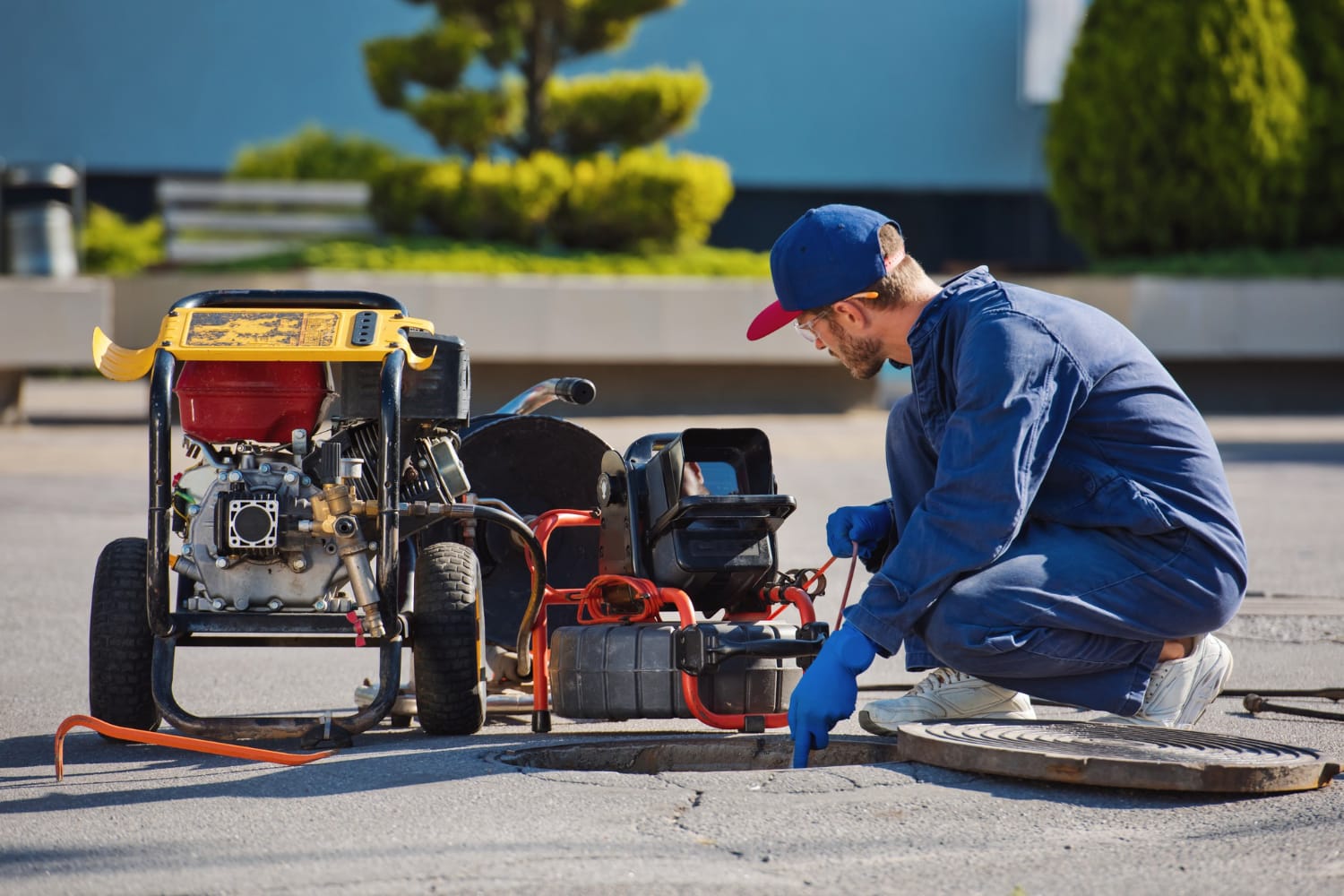
A video sewer inspection service gives you something no surface-level check can match: a direct look at what is actually happening inside your pipes. Instead of guessing based on symptoms, you see the exact condition of your sewer line and know precisely what kind of work, if any, it really needs.
Video sewer inspection uses a waterproof camera to look inside your pipes without any digging. This technology helps plumbers find clogs, cracks, and other problems early before they turn into expensive repairs. The camera sends back clear images that show exactly what is happening in your sewer lines.
You might wonder when you need this service or what it can really do for your plumbing system. Many homeowners only think about their sewer lines when something goes wrong, but regular inspections can save you from major headaches down the road.
This guide will walk you through how the technology works, what kinds of problems it can spot, and why it matters for your home. You’ll learn about the inspection process from start to finish and discover when it makes sense to schedule one for your property.
Here’s what you’ll find inside:
- Understanding video sewer inspection technology
- Common issues detected during inspections
- Step-by-step process of a video sewer inspection
- Advantages of using video inspections
- Optimal timing for scheduling an inspection
Keep reading to learn how a single inspection can replace weeks of guesswork and save you thousands in avoidable repairs.
Understanding video sewer inspection technology
Video technology allows plumbers to see inside pipes without digging or guessing. Modern sewer camera inspection service uses waterproof cameras, flexible cables, and recording equipment to identify problems quickly and accurately.
How video inspection technology works
A sewer camera inspection service uses a small waterproof camera attached to a flexible cable. The technician inserts this camera into your sewer or drain pipes through an existing access point like a cleanout or toilet drain.
As the camera moves through your pipes, it sends live video footage to a monitor above ground. The technician can control the camera’s movement and speed to examine specific areas closely. Most systems include bright LED lights on the camera head to illuminate dark pipes.
The camera can rotate 360 degrees to view all sides of the pipe interior. Advanced systems also record the footage and add helpful information like the camera’s location and depth. This recorded video gives you a permanent record of your pipe’s condition.
Types of sewer cameras used in inspections
Push cameras are the most common type for residential inspections. They work well for pipes 2 to 10 inches in diameter and can reach distances up to 400 feet.
Crawler cameras use motorized wheels or treads to move through larger commercial pipes. These robotic systems can travel farther and provide more stable footage in pipes 6 inches and wider.
Pan-and-tilt cameras offer the most detailed views because they can rotate and tilt independently. They capture problem areas from multiple angles but cost more than basic models.
Why video diagnostics are more accurate than guesswork
Traditional plumbing methods require technicians to guess where problems exist based on symptoms alone. This often leads to unnecessary digging in the wrong locations.
Video inspections show exactly what’s wrong and where it’s located. You can see tree root intrusions, pipe cracks, blockages, and corrosion with your own eyes. The footage eliminates doubt about whether repairs are actually needed.
Video technology also identifies problems before they become emergencies. Small cracks and minor root growth appear clearly on camera, letting you fix them before they cause backups or pipe collapse. This saves you money on major repairs later.
Common issues detected during inspections
Video sewer inspections reveal problems ranging from invasive tree roots and blockages to structural damage like cracks and misalignment that compromise your sewer system’s function.
Tree root intrusion and pipe blockages
Tree roots are one of the most frequent problems found during underground pipe video inspection. According to the U.S. Environmental Protection Agency, homeowners should keep trees and woody plants away from wastewater system components because roots naturally grow toward the moisture and nutrients inside pipes and can infiltrate buried lines through small openings. Once inside, they expand and create dense masses that trap debris and waste.
These blockages start small but grow over time. You might notice slow drains or gurgling sounds before a complete backup occurs. The camera reveals exactly where roots have penetrated and how extensive the intrusion has become.
Other common blockages include grease buildup, foreign objects, and accumulated sediment. Grease hardens on pipe walls and narrows the opening. Items like wipes, paper towels, and hygiene products don’t break down and create clogs.
The inspection shows the blockage type, size, and location. This information helps determine whether hydro jetting, mechanical removal, or pipe repair is needed.
Cracked, collapsed, or corroded pipes
Pipe damage appears in several forms during video inspections. Cracks develop from ground shifting, freezing temperatures, or aging materials. Small hairline cracks can expand into larger breaks that leak sewage into the surrounding soil.
Collapsed pipes represent severe structural failure. The pipe walls cave inward, blocking flow completely. This happens when soil pressure overwhelms weakened pipes or when heavy vehicles pass over shallow lines.
Corrosion affects metal pipes and even some plastic materials over time. Cast iron pipes are especially vulnerable to rust that eats through the pipe walls. You’ll see pitting, flaking, or holes in corroded sections.
The waterproof camera captures clear images of these defects without excavation. Inspectors can measure crack lengths, identify corrosion severity, and assess whether sections need replacement or can be repaired.
Misaligned or sagging sewer lines
Pipe misalignment occurs when sections separate at joints or shift out of position. This creates gaps where sewage leaks out and soil enters. You’ll see offset joints on the video where pipes no longer connect properly.
Sagging, also called bellying, happens when a section of pipe sinks lower than the surrounding line. This low spot collects water and waste that can’t flow properly. Sediment accumulates in the belly and eventually causes blockages.
Ground settlement, poor installation, and soil erosion cause these alignment issues. The camera shows the exact degree of sagging and identifies which joints have separated. This helps you understand whether the problem affects a small section or requires more extensive repair work.
Step-by-step process of a video sewer inspection
A sewer line video inspection follows a clear sequence that allows technicians to examine your pipes from the inside. The process involves accessing your sewer system, navigating a camera through the pipes while recording live footage, and pinpointing the exact location of any problems found underground.
Accessing the main sewer line
The technician begins by locating an entry point to your sewer system. This is usually through a cleanout, which is a pipe with a removable cap installed specifically for maintenance access.
If your property has a cleanout, it’s typically found near the foundation of your home or in your yard along the sewer line path. The technician removes the cap and may run water to clear any immediate debris near the opening.
In older homes without a cleanout, access might require removing a toilet or using a roof vent. Once the entry point is ready, the technician prepares the camera equipment and verifies that the recording system is working properly before insertion.
Real-time camera navigation and recording
A waterproof camera mounted on a flexible push rod enters the sewer line through the access point. The technician slowly feeds the cable through the pipe while watching live footage on a monitor.
The camera has built-in LED lights that illuminate the pipe interior as it travels. Most systems include a footage counter that tracks how far the camera has traveled from the entry point.
The technician controls the speed and direction of the camera to examine pipe conditions closely. The video feed shows the pipe material, diameter, and any issues like cracks, tree root intrusion, grease buildup, or misaligned joints. Everything you see on screen is recorded for later review and documentation.
Locating and documenting underground issues
When the camera identifies a problem, the technician notes the exact distance from the access point. Many systems include a transmitter that sends a signal from the camera location to a receiver held above ground.
The technician uses this receiver to mark the precise spot on your property where the issue exists. This eliminates guesswork about where to dig if repairs are needed.
The recorded video becomes a permanent record that shows what was found, where it’s located, and how severe the problem is. You receive a copy of this footage along with a written report that explains the findings and recommended solutions.
Advantages of using video inspections
Video sewer inspections provide precise information about pipe conditions while saving time and money. These cameras eliminate guesswork and help you avoid expensive mistakes during plumbing repairs.
Non-invasive and cost-effective diagnostics
A plumbing video camera inspection lets technicians examine your pipes without digging up your yard or breaking through walls. The waterproof camera travels through your sewer lines on a flexible cable, capturing real-time footage of everything inside. This means you won’t pay for exploratory digging just to find out what’s wrong.
You get accurate information about your pipe’s condition without the mess and expense of traditional inspection methods. The camera shows exact locations of problems, so your plumber can quote repairs based on what they actually see rather than estimating. This accuracy helps you budget properly and avoid surprise costs.
The diagnostic process typically costs a fraction of what you’d spend on excavation-based inspections. Your property stays intact, and you don’t need to pay for landscape restoration or concrete repair after the inspection.
Faster problem identification and repair planning
The camera provides instant visual feedback as it moves through your pipes. Your technician can identify blockages, cracks, tree root intrusions, and corrosion in minutes rather than hours or days. The high-resolution footage shows the exact nature and location of each problem.
This speed helps you address issues before they become emergencies. Your plumber can develop a targeted repair plan immediately after viewing the footage. They know exactly which tools and materials to bring, which reduces the time spent on your property.
The recorded footage also serves as documentation you can review with contractors to understand the scope of work. You can make informed decisions about repairs versus replacement based on clear visual evidence.
Preventing unnecessary excavation work
Video inspections show you precisely where problems exist in your sewer line. This pinpoint accuracy means your contractor only digs where necessary instead of excavating large sections of pipe to locate an issue.
You save significant money on labor and restoration costs when digging is limited to specific problem areas. Your lawn, driveway, or landscaping remains mostly undisturbed. The targeted approach also reduces the time your property is disrupted by construction equipment.
In some cases, the camera inspection reveals that you don’t need excavation at all. Problems like minor clogs or buildup might be resolved with hydro-jetting or other non-invasive methods. Without video confirmation, you might have approved expensive digging that wasn’t actually required.
Optimal timing for scheduling an inspection
A sewer scope inspection service works best when scheduled at specific times to catch problems early and avoid expensive repairs. The right timing depends on major property transactions, recurring drainage problems, or recent events that could damage your pipes.
Before buying or selling a home
Getting a sewer scope inspection service before you buy a home protects you from unexpected repair costs. Many homes hide serious sewer line problems that surface inspections don’t catch. A video inspection reveals cracks, root intrusion, and deteriorating pipes before you commit to the purchase.
Sellers benefit from inspections too. Finding and fixing sewer issues before listing your home prevents deals from falling through during the buyer’s inspection period. You can address problems on your timeline instead of rushing repairs when buyers discover them.
Key issues to identify before a transaction:
- Tree root infiltration through pipe joints
- Collapsed or sagging sections
- Outdated materials like clay or Orangeburg pipe
- Blockages from previous owners
Homes older than 10 years need special attention because older sewer lines use materials that break down over time. The inspection gives you clear evidence of the system’s condition and expected lifespan.
Recurring backups or slow drainage issues
Frequent clogs signal underlying problems in your sewer line. If you notice drains backing up regularly or water draining slowly throughout your home, a video inspection pinpoints the exact cause and location.
Temporary fixes like snaking or chemical cleaners only address symptoms. A camera inspection shows whether roots have invaded your pipes, whether sections have collapsed, or whether grease buildup has narrowed the line. You get a clear picture of what’s happening underground.
According to the U.S. Environmental Protection Agency, fats, oils, and grease poured down drains cool and congeal on the inside of sewer pipes, where they build up over time and are a leading cause of sewer line blockages and sanitary sewer overflows in collection systems across the country. Multiple drains affected at once point to main sewer line issues rather than individual fixture problems. A sewer scope inspection service maps out the entire system and identifies trouble spots before they cause major backups into your home.
After storms or suspected pipe damage
Heavy rain and severe weather can damage sewer lines through soil shifts, flooding pressure, and debris intrusion. Schedule an inspection after major storms if you notice new drainage issues or suspect damage to underground pipes.
Spring thaw creates particular risks. Freezing and thawing cycles shift soil and crack pipes. Tree roots grow more aggressively in spring and summer as they search for water, which makes these seasons important times to check for intrusion.
According to the U.S. Geological Survey, most states are at some risk from earthquake shaking, with the West Coast, Alaska, and Hawaii facing the highest hazard levels, and ground motion from seismic events can stress and damage buried utilities including sewer pipes. Ground movement from construction nearby, large vehicle traffic over your sewer line, or landscaping work also warrants an inspection. These activities can crack pipes or shift connections without visible surface damage. A camera inspection confirms whether your system stayed intact or needs repairs.
Conclusion
Video sewer inspection offers a smart way to maintain your home’s plumbing system. The technology lets you see inside your pipes without digging up your yard or making guesses about what’s wrong.
This service works well for homes of all ages. If you live in an older home with clay or cast iron pipes, inspections can catch problems early. Newer homes benefit too, since issues like poor installation or root growth can happen anytime.
The inspection process is quick and doesn’t require invasive digging. A waterproof camera travels through your pipes and sends back clear video footage. You can see exactly where problems exist and how serious they are.
Working with certified professionals ensures you get accurate results. Technicians can mark problem areas, measure distances, and recommend the right solutions based on what they find.
Regular inspections help you stay ahead of costly repairs. You’ll know the true condition of your sewer lines and can plan maintenance before small issues become big problems. The peace of mind from knowing what’s happening underground makes this service worth considering for any homeowner.
For a complete video inspection backed by clear documentation and honest recommendations, schedule your appointment with Pro Sewer Repair and see exactly what’s going on beneath your yard.