

A sewer line diagnostic is how you find out exactly what’s happening underground before you pay for any repair work. Instead of guessing from symptoms, you get a real picture of your pipes and a clear path forward.
Your sewer system works quietly underground, but when something goes wrong, the problems can show up fast. Water backing up into your home, slow drains, or bad smells often point to issues deep in your sewer line. A sewer line diagnostic uses special cameras and equipment to find exactly what’s wrong with your pipes without any guessing or digging up your yard.
Most homeowners don’t think about their sewer lines until a serious problem happens. A diagnostic inspection can spot cracks, blockages, tree roots, and other damage before they turn into expensive emergencies. The process gives you clear answers about the condition of your pipes and what repairs you might need.
Understanding how sewer diagnostics work helps you make better decisions about your plumbing. You’ll learn what professionals look for during an inspection, which problems show up most often, and when it makes sense to schedule this service for your property.
Here’s what you’ll find inside:
- What is a sewer line diagnostic
- Common problems found during sewer diagnostics
- How sewer line diagnostics are performed
- Benefits of professional sewer diagnostics
- When you should schedule a sewer diagnostic
Keep reading to learn how a one-hour camera inspection can replace weeks of guesswork and save you thousands in avoidable repairs.
What is a sewer line diagnostic
A sewer line diagnostic is a professional evaluation of your underground sewer pipes using specialized technology to identify problems before they cause major damage. This process lets plumbers examine pipes buried several feet underground without digging up your yard.
How sewer diagnostics identify hidden issues
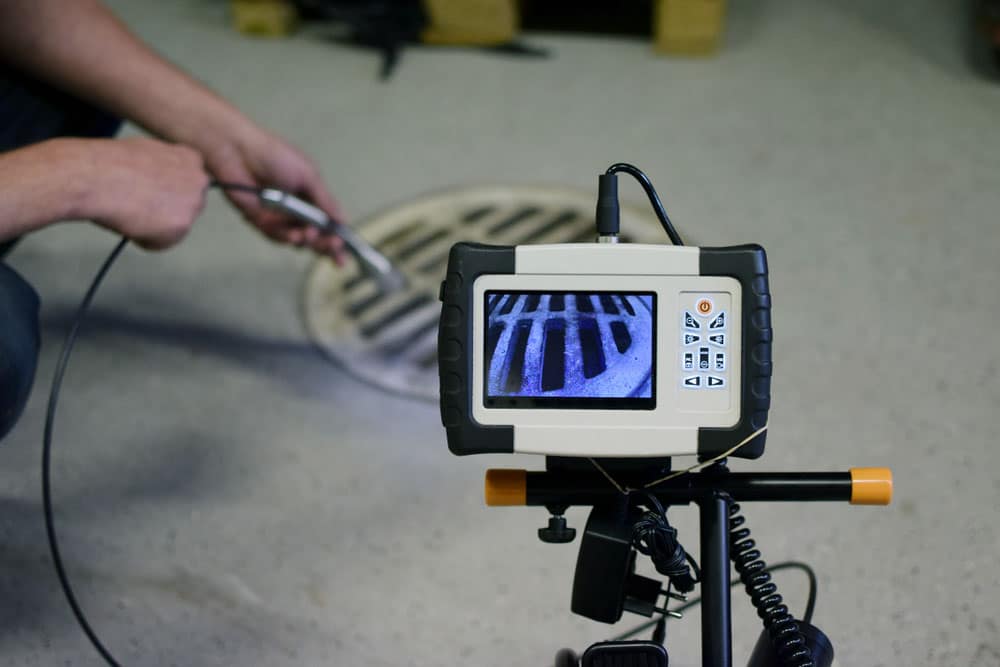
Sewer diagnostics work by examining the interior condition of pipes that are normally impossible to see. A trained technician inserts a waterproof camera attached to a flexible cable into your sewer system through an existing access point or cleanout. The camera travels through your pipes and sends real-time video footage back to a monitor above ground.
This process reveals problems that would otherwise remain hidden until they cause a backup or collapse. The camera shows cracks, breaks, and fractures in the pipe walls that could lead to leaks. It also identifies tree root intrusion, where roots penetrate joints and create blockages.
Underground sewer diagnostics can spot corrosion and deterioration in older pipes, especially those made from outdated materials. The inspection reveals buildup from grease, scale, or mineral deposits that restrict water flow. Technicians can also see misaligned or offset pipe sections that occurred due to soil shifting or poor installation.
Tools used in modern sewer inspections
The primary tool for underground sewer diagnostics is a high-resolution CCTV camera mounted on a flexible rod or cable. These waterproof cameras come with built-in LED lights to illuminate dark pipes. The camera head is typically small enough to fit through standard cleanout openings while providing clear images of pipe interiors.
Many systems include locating equipment that tracks the camera’s position underground. This technology helps technicians pinpoint the exact location and depth of any problems they find.
Some advanced inspections use acoustic sensors that detect leaks by listening for the sound of escaping water. Other tools include sonar equipment for pipes filled with water and laser profiling systems that measure pipe diameter and detect deformations.
Why early detection is critical for homeowners
Early sewer line diagnostics save you money by catching small problems before they become emergencies. A minor crack costs hundreds to repair, while a collapsed sewer line can cost thousands and require extensive excavation.
Early detection prevents sewage backups into your home, which create health hazards and expensive cleanup bills. Finding issues early also protects your property’s foundation from damage caused by leaking sewage that erodes soil.
If you’re buying a home, a diagnostic inspection reveals the true condition of the sewer system. This information helps you avoid purchasing a property with hidden sewer problems that could cost tens of thousands to fix. For existing homeowners, regular diagnostics extend the life of your sewer system by allowing you to address minor issues through simple maintenance rather than major repairs.
Common problems found during sewer diagnostics
Sewer diagnostics reveal specific defects that compromise your plumbing system’s function. Root intrusion, pipe deterioration, and structural misalignment represent the most frequent issues discovered during professional inspections.
Tree root intrusion and pipe blockages
Tree roots naturally seek water sources, making your sewer lines an attractive target. According to the U.S. Environmental Protection Agency, homeowners should keep trees and woody plants away from wastewater system components because roots naturally grow toward the moisture and nutrients inside pipes and can infiltrate buried lines through small openings. These intrusions create dense blockages that trap debris and slow drainage throughout your home.
Root damage happens most often in older clay or concrete pipes. The roots can grow thick enough to completely obstruct water flow. You might notice slow drains, gurgling sounds, or sewage backups when roots block your system.
Professional sewer pipe problem detection identifies the exact location and severity of root intrusion. Small root problems can be cleared with mechanical cutting tools. Severe cases may require pipe replacement or specialized repair methods to prevent recurring blockages.
Cracked, corroded, or collapsed pipes
Pipe deterioration occurs through age, ground movement, and chemical exposure. Cracks start small but widen over time, allowing soil and groundwater to enter your sewer line. Corrosion eats away at metal pipes, creating holes and weak spots that eventually fail.
Cast iron pipes typically corrode after 50-75 years of service. Clay pipes crack from shifting soil or tree root pressure. Collapsed sections completely block flow and require immediate attention to prevent sewage backups into your home.
During diagnostics, inspectors look for rust spots, visible cracks, and sections where pipes have buckled or broken apart. Water leaking out through damaged areas can erode the surrounding soil and create sinkholes in your yard.
Misaligned or sagging sewer lines
Pipe sections can separate or shift out of alignment due to ground settlement or poor installation. These offset joints create lips where waste accumulates and blocks form. Sagging occurs when soil beneath the pipe erodes or compacts unevenly, creating low spots called bellies.
Standing water collects in sagging sections between uses. This stagnant water attracts sediment buildup and increases blockage risk. Severe sagging prevents proper drainage and requires excavation to restore correct pipe slope.
Misalignment problems show up during camera inspections as visible gaps between pipe sections or downward dips in the line. Your sewer system needs consistent downward slope to function properly, typically one-quarter inch per foot of pipe.
How sewer line diagnostics are performed
Professional plumbers use specialized equipment and systematic processes to diagnose problems in your sewer system. The diagnostic process combines camera technology, physical inspection, and precise mapping techniques to identify issues without extensive digging.
Initial system evaluation and access point setup
The plumber starts by gathering information about your plumbing symptoms and history. They ask about slow drains, backups, unusual sounds, or odors to understand potential problem areas.
Next, the technician locates the main sewer cleanout, which is the access point to your underground pipes. This opening is usually a white or black PVC pipe with a removable cap, typically found in your basement, crawl space, or yard. If your home doesn’t have an existing cleanout, the plumber may need to create a temporary access point.
Before inserting any equipment, the technician checks the cleanout for immediate signs of problems like standing water or sewage backup. They prepare the area by laying down protective materials and setting up their diagnostic equipment nearby. The plumber also notes the depth and location of the access point for later reference during mapping.
Camera inspection and live video analysis
A waterproof plumbing diagnostic camera attached to a flexible cable gets fed into your sewer line through the cleanout opening. The camera has bright LED lights and captures high-resolution video as it travels through the pipes.
The technician watches a monitor in real-time, examining every inch of pipe interior. They look for cracks, breaks, corrosion, blockages, tree root intrusion, and misaligned joints. Modern cameras can rotate 360 degrees to view all pipe surfaces.
As the camera moves through the system, the technician records the video footage and takes still images of problem areas. They measure the diameter of pipes and note any changes in pipe material or condition. The cable typically has distance markers that help identify how far into the system each issue appears.
Mapping and locating underground issues
The diagnostic equipment includes a transmitter in the camera head that sends signals to a receiver device above ground. The plumber walks along your property with this receiver to pinpoint the exact location of problems underground.
They mark spots on your lawn or driveway where repairs will be needed, measuring the depth of pipes at each location. This precision eliminates guesswork and prevents unnecessary digging across your entire yard.
The technician creates a detailed map or report showing the condition of your entire sewer line. This documentation includes the location, depth, and severity of each problem found, along with photographic evidence from the camera inspection.
Benefits of professional sewer diagnostics
Professional sewer diagnostics give you clear answers about your pipe problems while saving you time and money. These services use advanced technology to find issues early and help you avoid expensive emergencies.
Accurate problem identification without digging
Sewer line inspection services use waterproof cameras to look inside your pipes without destroying your yard. A technician feeds the camera through your sewer cleanout on a flexible cable. The camera sends back live video showing exactly what’s happening in your pipes.
You get to see the actual problem instead of guessing. The camera reveals cracks, blockages, tree root invasion, and pipe deterioration in real time. Your plumber can pinpoint the exact location and severity of each issue.
This method eliminates the old approach of digging random holes hoping to find the problem. Your lawn, driveway, and landscaping stay intact during the inspection. You avoid the added costs of repairing excavation damage and restoring your property later.
Faster repair planning and cost savings
Knowing the exact problem lets your plumber create a targeted repair plan right away. They can tell you precisely what needs fixing and which repair method works best for your situation. This removes guesswork and prevents unnecessary work.
You get accurate cost estimates based on real conditions instead of rough guesses. Your plumber orders the right materials and brings the correct equipment on the first visit. This saves you money on multiple service calls and wasted materials.
Early detection of small problems prevents them from growing into major failures. A minor crack costs much less to fix than a collapsed pipe that floods your basement. Regular inspections help you budget for repairs before they become emergencies.
Preventing major sewer failures
Professional diagnostics catch warning signs before your sewer system fails completely. Small cracks, partial blockages, and early root intrusion show up clearly on camera inspections. You can address these issues while they’re still manageable.
Tree roots grow slowly into pipes over months or years. Finding them early means simpler removal methods and less pipe damage. Waiting until roots cause a complete blockage often requires expensive pipe replacement.
Aging pipes show deterioration patterns that predict future problems. Your plumber can recommend preventive repairs or strategic replacements based on what the camera reveals. This proactive approach prevents sewage backups, property damage, and emergency repair costs that typically run thousands of dollars higher than planned maintenance.
When you should schedule a sewer diagnostic
You need to schedule a sewer diagnostic when you notice plumbing problems, before buying property, or after events that could damage underground pipes. Recognizing these situations helps you avoid expensive repairs and health hazards.
Frequent backups or slow drainage issues
You should schedule a sewer diagnostic right away if your drains are backing up or emptying slowly. These problems often point to a blockage in your sewer line.
When multiple drains in your home slow down at the same time, the issue is likely in your main sewer line. A single slow drain usually means a local clog, but widespread drainage problems need professional sewer line blockage diagnosis.
You might also hear gurgling sounds from your toilets or drains. This happens when air gets trapped in your pipes due to a blockage. Water backing up in your shower when you flush the toilet is another clear sign.
Bad smells coming from your drains suggest sewage is not flowing properly. According to the U.S. Occupational Safety and Health Administration, hydrogen sulfide produced by decaying organic matter has a strong rotten-egg odor at low concentrations and can irritate the eyes, nose, and throat, while higher levels cause headaches, nausea, and more serious health effects. That rotten-egg smell means wastewater is sitting in your pipes instead of moving through the system.
Don’t wait for these problems to get worse. A sewer diagnostic can find the exact location and cause of blockages before they create sewage backups in your home.
Before purchasing a home or property
You need a sewer diagnostic before you buy any home or commercial property. This inspection protects you from buying a building with serious sewer problems.
Older homes often have outdated pipe materials that crack or collapse over time. A diagnostic shows you the condition of the pipes and what repairs you might need soon.
Tree roots can grow into sewer lines and cause major damage. A camera inspection reveals root intrusion before you become responsible for costly repairs.
The inspection gives you bargaining power during negotiations. If the diagnostic finds problems, you can ask the seller to fix them or lower the price.
Many home inspections don’t include sewer line checks. You need to request this service separately to get a complete picture of the property’s condition.
After storms or suspected underground damage
Schedule a sewer diagnostic after major storms, floods, or any work that involved digging near your property. These events can damage underground pipes without visible signs above ground.
Heavy rain and flooding put pressure on sewer lines and can cause them to shift or crack. Older pipes are especially vulnerable to storm damage.
Construction or landscaping work near your sewer line creates risk of accidental pipe damage. Even careful digging can disturb or break underground pipes.
Ground settling or sinkholes in your yard may indicate a broken sewer line underneath. The soil sinks when damaged pipes leak water into the surrounding ground.
You should also get a diagnostic if you notice wet spots in your yard that don’t dry out. Persistent moisture could mean sewage is leaking from damaged pipes below the surface.
Conclusion
Sewer line diagnostics have changed how you can identify and fix plumbing problems. Modern tools like camera inspections let you see exactly what’s happening inside your pipes without digging up your yard.
A standard video inspection typically costs between $200 and $500 for most homes. This price includes the camera work, a detailed report, and location services. The entire process usually takes about one hour to complete.
Regular inspections help you catch small issues before they become expensive emergencies. You can spot problems like tree root intrusion, pipe cracks, and blockages early on.
The technology continues to improve each year. New cameras offer better image quality and more detailed views of your sewer lines. These advances make it easier to find problems and plan repairs.
When you notice slow drains, bad smells, or wet spots in your yard, a diagnostic inspection gives you real answers. You’ll know what needs fixing and can make informed choices about repairs. This approach saves you time and money while protecting your property from major damage.
For a thorough sewer line diagnostic backed by clear video evidence and honest recommendations, schedule your appointment with Pro Sewer Repair and find out exactly what’s going on beneath your property.