
Root removal in sewer line work is one of the most common services homeowners end up needing, and for good reason. Tree roots are relentless, they grow toward moisture by design, and once they find a way into your pipes they cause blockages, backups, and structural damage that only gets worse with time.
Tree roots growing into sewer lines create one of the most frustrating plumbing problems you can face as a homeowner. These roots seek out moisture and nutrients, finding their way into your pipes through tiny cracks and loose joints. Once inside, they grow quickly and create blockages that lead to slow drains, gurgling toilets, and even sewage backups.
The most effective way to remove tree roots from your sewer line is through mechanical removal methods like hydro jetting or root cutting, followed by pipe repair and prevention strategies to stop future growth. While chemical treatments exist, physical removal typically provides longer-lasting results. The cost and method you choose will depend on how severe the root intrusion has become.
Understanding how roots get into your pipes, recognizing the warning signs early, and knowing your removal options can save you thousands of dollars in repairs. This guide walks you through everything from identifying root problems to choosing the right removal technique and protecting your sewer line from future damage.
Here’s what you’ll find inside:
- How tree roots infiltrate sewer pipes
- Warning signs of root intrusion
- Techniques for removing roots from sewer lines
- Repairing sewer lines after root removal
- Strategies to prevent future root invasion
Keep reading to learn how to clear the roots already in your pipes and put prevention in place before the next invasion takes hold.
How tree roots infiltrate sewer pipes
Tree roots don’t just randomly attack your sewer pipes. They actively seek out moisture and nutrients that leak from your pipes, and they enter through specific weak points in the pipe material.
Why roots are attracted to sewer pipes
Your sewer line acts like a beacon for nearby tree roots. Pipes carry warm water and nutrients that create vapor, which escapes even through the tiniest openings. According to the U.S. Environmental Protection Agency, homeowners should keep trees and woody plants away from wastewater system components because roots naturally grow toward the moisture and nutrients inside pipes and can infiltrate buried lines through small openings.
Sewer pipes provide everything roots need to thrive. They offer a constant water source, dissolved nutrients from waste, and oxygen in the pipe joints. The warm temperature inside sewer lines makes them especially attractive during colder months when soil moisture is limited.
Root systems spread much wider than most people realize. A tree’s roots can extend two to three times beyond its canopy width. This means trees planted 10 to 15 feet from your sewer line can still reach and damage your pipes.
Common pipe weaknesses that allow intrusion
Older pipes made from clay or cast iron are the most vulnerable to root invasion. Clay pipes have joints that can separate over time, creating gaps as small as 1/8 inch. Cast iron pipes corrode and develop cracks as they age.
Roots don’t need large openings to start infiltrating your pipes. They can enter through:
- Pipe joints where sections connect
- Hairline cracks caused by ground settlement or pressure
- Corroded sections in metal pipes
- Loose rubber seals in older pipe connections
Once a root finds any opening, it releases a fine hair-like tendril that pushes into the pipe. The root then expands inside the pipe where water and nutrients are abundant.
How root growth causes severe blockages
After roots enter your sewer line, they multiply rapidly inside the pipe. The roots branch out and create a tangled mass that catches toilet paper, grease, and other waste materials. This combination forms a dense blockage that restricts water flow.
The roots continue growing thicker over time. They put pressure on the pipe walls from the inside, which can crack or collapse already weakened pipes. A small root intrusion can turn into a complete pipe blockage within months to a few years.
Root masses act like nets that trap debris with each flush or drain use. Even if water still flows past the roots initially, the blockage builds up quickly. You’ll notice slow drains and gurgling sounds as the roots reduce your pipe’s diameter by 50% or more.
Warning signs of root intrusion
Root problems in your sewer line often start small and get worse over time. Multiple fixtures draining slowly at once, sewage backing up into your home, and strange smells from drains all point to roots blocking your main sewer pipe.
Recurring drain clogs and slow drainage
When tree roots enter your sewer line, they create blockages that make water drain slower than normal. You might notice your toilet takes longer to empty or your shower leaves standing water.
The key difference between a simple clog and root intrusion is the pattern. If multiple drains throughout your home are slow at the same time, roots in your main sewer line are likely the cause. A single slow drain usually means a local clog in that fixture.
Root blockages get worse over time. Small roots catch toilet paper, grease, and other debris flowing through the pipe. This builds up into larger obstructions that restrict water flow more and more.
You might also see drains that work fine one day but slow down the next. This happens when debris catches on roots and creates temporary blockages. Once you see this pattern, roots have probably been growing in your pipes for months.
Sewage backups in sinks or toilets
Sewage backing up into your home is a serious sign of root intrusion. This usually happens at your lowest drains first, like basement toilets or floor drains.
The backup occurs when roots completely block your main sewer line. Water and waste have nowhere to go, so they flow backward into your home. You might see dirty water or sewage coming up through drains when you flush a toilet or run the washing machine.
Backups from root intrusion often happen during heavy water use. Running multiple showers, doing laundry, and flushing toilets at the same time sends more water into an already blocked pipe. The extra pressure forces sewage back up through your drains.
These backups can damage your home and create health hazards. Raw sewage contains bacteria and other harmful materials that can make you sick.
Foul odors coming from plumbing systems
Strange smells from your drains often indicate roots have damaged your sewer line. When roots crack pipes or create blockages, sewer gases escape into your home instead of venting properly through your roof.
The smell is usually like rotten eggs or sewage. You might notice it near floor drains, toilets, or sink drains. The odor can come and go as pressure changes in your sewer system.
According to the U.S. Occupational Safety and Health Administration, hydrogen sulfide at low concentrations produces a strong rotten-egg odor and irritates the eyes, nose, and throat, while moderate exposure can cause headaches, nausea, and breathing difficulty, and higher concentrations can quickly become life-threatening. Standing water trapped behind root blockages starts to rot and produces its own foul smell.
If you smell sewage inside your home or in your yard near the sewer line, roots may have broken through the pipe walls. This creates openings where gases and sewage can leak out into the surrounding soil.
Techniques for removing roots from sewer lines
You have several proven methods available to remove tree roots from sewer pipe, ranging from mechanical cutting to high-pressure water blasting and chemical treatments. Each approach works differently and suits specific situations based on the severity of the root intrusion.
Mechanical root cutting using specialized tools
A drain auger or sewer snake equipped with a cutting blade can physically remove tree roots from your sewer pipe. The rotating blade attachment cuts through roots as it moves through the line, breaking them into small pieces that wash away with water flow.
Professional plumbers use specialized root cutting tools with hardened steel blades designed specifically for this task. These tools come in various sizes to match different pipe diameters. The cutting head spins rapidly while moving through the pipe, slicing roots flush with the pipe walls.
A sewer root cutting service typically uses power rodding equipment that provides more force than basic hand-operated augers. This method works well for moderate root invasions and provides immediate relief from blockages. The main limitation is that roots often grow back within 6 to 12 months since the process doesn’t remove roots outside the pipe or repair the entry points.
Hydro jetting to clear roots and debris
Hydro jetting uses high-pressure water streams reaching 3,000 to 4,000 PSI to blast away roots and accumulated debris. A specialized nozzle shoots water in multiple directions, scouring the inside of your pipes clean.
This method removes roots more thoroughly than mechanical cutting alone. The powerful water jets also clear away grease, sediment, and other buildup that may have accumulated around the roots. Hydro jetting tree roots leaves your pipes cleaner and can delay regrowth longer than basic cutting.
The process requires professional equipment and training. A plumber feeds a hose with the jetting nozzle through your sewer line, working from a cleanout access point. The water pressure is strong enough to cut roots but won’t damage properly installed pipes made from PVC, cast iron, or clay that are in good condition.
Chemical treatments to control regrowth
Chemical root killers containing copper sulfate or foaming herbicides can slow down regrowth after mechanical removal. You pour these products into your toilet or cleanout, and they coat the pipe walls where roots enter.
Copper sulfate crystals kill roots on contact but require careful application. You need to use the right amount for your pipe size and follow local regulations, as some areas restrict copper sulfate due to environmental concerns. According to the U.S. Geological Survey, household chemicals discharged into wastewater can persist through treatment and reach surface water and groundwater, where they may affect aquatic ecosystems and overall water quality.
Foaming root killers expand to fill the entire pipe diameter and stick to pipe walls longer than liquid treatments. These products kill roots without harming the tree above ground when used as directed. Chemical treatments work as a maintenance tool after physical root removal rather than a primary removal method.
Repairing sewer lines after root removal
Once roots are cleared from your sewer line, the pipes often need repair work to fix cracks, holes, or weak spots where the roots entered. The repair method you choose depends on how much damage the roots caused and where the problem areas are located.
Patching minor pipe damage
Small cracks and punctures can often be fixed with spot repairs that target specific problem areas. This works well when the damage is limited to one or two sections of pipe and the rest of your sewer line is in good condition.
A plumber can use epoxy pipe coating to seal small cracks from the inside. They insert a special bladder coated with epoxy resin into the damaged section, inflate it, and let it cure for several hours. The epoxy forms a hard seal that stops leaks and prevents future root growth.
Another option is inserting a patch liner at the damaged spot. This fiberglass sleeve gets positioned over the crack using a camera and inflated to press against the pipe walls. It cures in place and creates a new smooth surface inside the old pipe.
Spot repairs typically cost less than full pipe replacement and can be completed in a few hours. They work best for pipes that are otherwise structurally sound with isolated damage points.
Trenchless pipe lining solutions
Trenchless lining creates a new pipe inside your existing sewer line without digging up your yard. This method works well for pipes with multiple cracks, root intrusions, or aging materials that are still properly aligned.
The process involves inserting a flexible tube coated with epoxy resin through an access point in your sewer line. The tube gets inflated to press against the old pipe walls and cures for several hours, forming a seamless pipe within the original one.
Benefits of trenchless lining:
- No excavation needed in most cases
- Completed in one day typically
- Lasts 50+ years when properly installed
- Smooth interior surface resists future root growth
This solution costs more than spot repairs but less than full replacement. It’s ideal when your pipe hasn’t collapsed and maintains its general shape and alignment.
Full pipe replacement for severe cases
Collapsed pipes, severely misaligned sections, or lines with extensive root damage need complete replacement. This involves removing the old sewer line and installing new pipes made from root-resistant materials like PVC or HDPE.
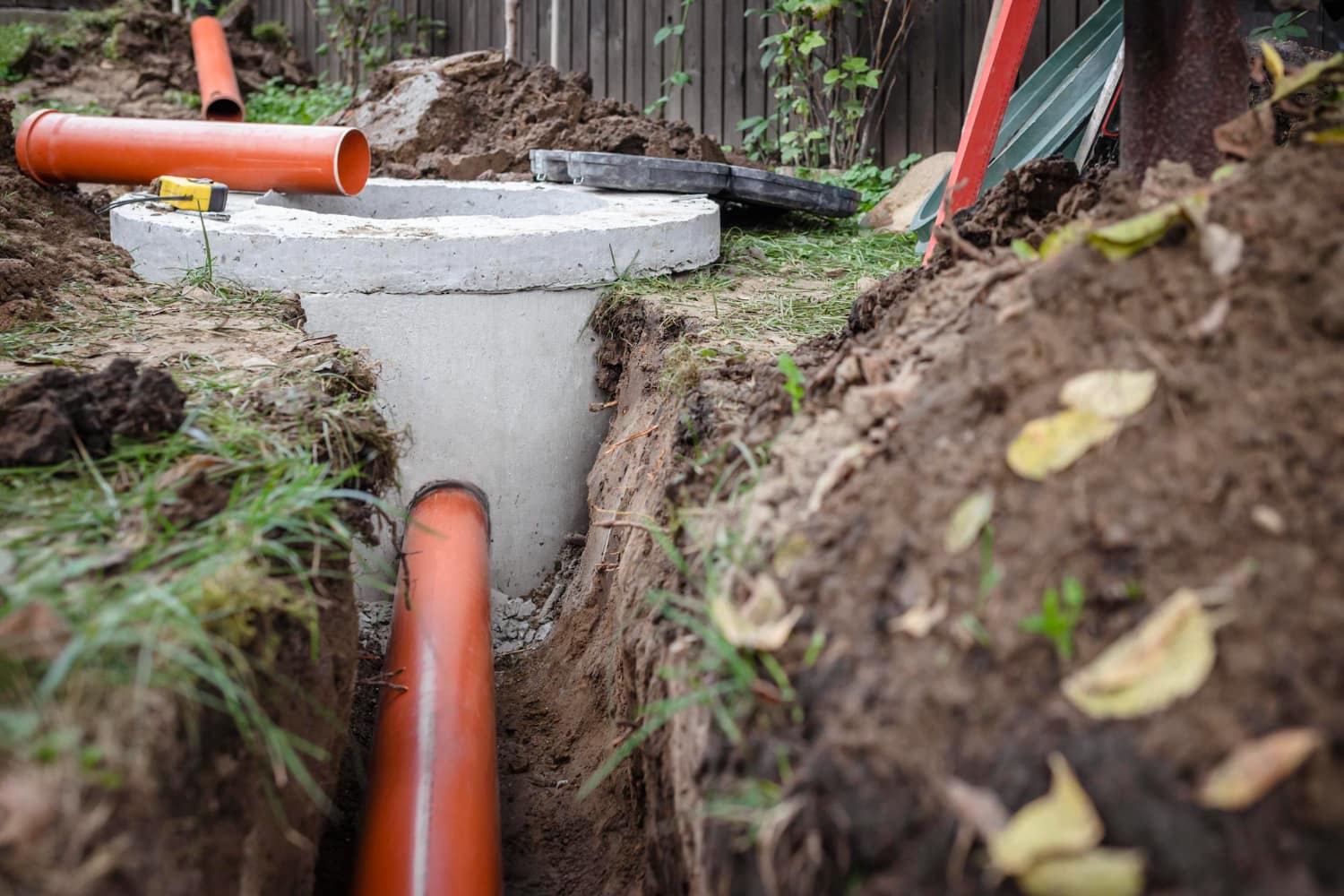
Traditional replacement requires digging a trench along the entire sewer line path. Your contractor excavates down to the pipe depth, removes the damaged sections, and lays new pipe with proper slope and connections. This method gives you complete access to inspect and replace everything but disrupts landscaping, driveways, or hardscaping in the way.
Pipe bursting offers a less invasive alternative for replacement. A cone-shaped head gets pulled through your old pipe, breaking it apart while simultaneously pulling new pipe into place behind it. This only requires digging at the entry and exit points rather than trenching the entire line.
Full replacement costs the most but gives you a brand new sewer line that should last 50-100 years. Choose modern pipe materials that resist root intrusion better than old clay or concrete pipes.
Strategies to prevent future root invasion
Keeping roots out of your sewer line requires a three-part approach: regular inspections to catch problems early, physical barriers to block root growth, and smart landscaping choices that reduce risk from the start.
Routine sewer inspections and maintenance
Schedule a professional camera inspection of your sewer line every 1-2 years. This lets plumbers spot small root intrusions before they turn into major blockages. Early detection saves you thousands of dollars in repair costs.
Regular maintenance includes treating your pipes with root-killing chemicals like copper sulfate or foaming root control products. Apply these treatments twice a year through your cleanout access point or toilet. The chemicals kill small roots on contact and discourage new growth.
Hydro-jetting removes existing root growth and clears buildup from pipe walls. Plan for this service every 18-24 months if you have trees near your sewer line. The high-pressure water stream cuts through roots and debris without damaging your pipes.
Keep detailed records of all inspections and treatments. This helps you track patterns and adjust your maintenance schedule based on how quickly roots return.
Installing root barriers near pipelines
Root barriers create a physical shield between tree roots and your sewer line. Install them vertically in the soil between trees and pipes, extending at least 6 feet deep. The barriers redirect roots downward and away from your pipes.
Choose barriers made from high-density plastic or fiberglass materials. Metal barriers corrode over time and lose effectiveness. Position the barrier at least 3 feet from the tree trunk to avoid harming the tree.
You can install barriers during new construction or excavate around existing pipes to add them later. Professional installation costs $1,000-3,000 but protects pipes for 20+ years. Make sure the barrier extends above ground level by 2-3 inches to prevent roots from growing over the top.
Choosing proper landscaping around sewer lines
Plant trees with shallow, non-aggressive root systems at least 10 feet away from sewer lines. Safe options include dogwood, magnolia, and Japanese maple trees. Keep trees with invasive roots like willows, poplars, and silver maples at least 25-30 feet from pipes.
Use shrubs and ground cover in areas directly above your sewer line instead of trees. Good choices include azaleas, boxwood, and ornamental grasses. These plants have compact root systems that won’t threaten your pipes.
Know where your sewer line runs before planting anything new. Call 811 to get your utilities marked, or check your property survey. Mark the line’s path with stakes so you always remember the location when planning landscape projects.
Replace old clay or concrete pipes with PVC or other modern materials during repairs. Newer pipes have sealed joints that resist root penetration better than older pipe types.
Conclusion
Tree roots in your sewer line require quick action to prevent expensive damage. The longer you wait, the worse the problem becomes.
You have several effective options for removing roots from your pipes. Mechanical snaking works well for minor blockages. Hydro jetting clears out stubborn root masses and cleans pipe walls. Chemical treatments can kill roots but may harm your pipes over time.
Prevention saves you money and stress in the long run. Regular inspections catch problems early. Installing root barriers protects your pipes from nearby trees. Avoid planting trees with aggressive root systems near your sewer line.
The cost of root removal ranges from $200 for basic snaking to $4,000 or more for pipe replacement. Your specific situation determines the best approach and price.
Taking care of root problems now protects your property from sewage backups and foundation damage. Schedule an inspection if you suspect roots in your sewer line. A camera inspection shows exactly what’s happening inside your pipes and helps you make informed decisions about repairs.
For a root removal service backed by local experience and modern equipment, schedule your appointment with Pro Sewer Repair and get the roots out of your sewer line for good.