

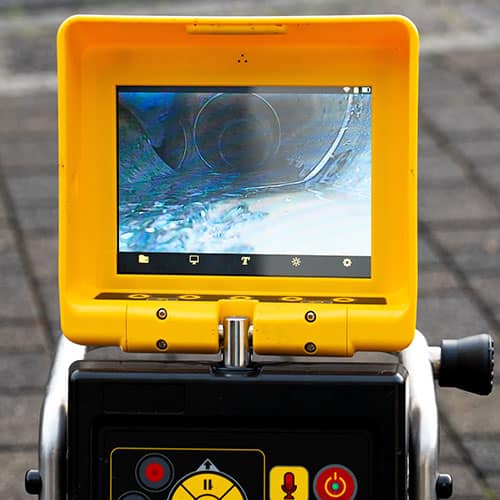
A mainline sewer inspection camera system is the fastest way to understand what’s happening inside a large sewer line without digging a single foot of trench. Whether you manage a municipal system or a single property, the camera turns an invisible problem into clear video you can act on.
Mainline sewer inspection camera systems let you see inside large pipes without digging up your property. These advanced systems use remote-controlled cameras mounted on crawlers or tractors to inspect sewer lines, storm drains, and water pipes ranging from 4 inches to 120 inches in diameter. They capture high-quality video footage that shows the exact condition of your pipes and pinpoints any problems.
Traditional methods of checking sewer lines often meant guesswork and expensive excavation. Camera inspection systems changed this completely. You can now identify blockages, cracks, root intrusions, and other issues with precision before deciding on repairs.
Understanding how these systems work and when you need them can save you time and money. This guide covers everything you need to know about mainline sewer camera inspections, from the technology behind them to the problems they can detect in your pipes.
Here’s what you’ll find inside:
- Introduction
- Understanding mainline camera systems
- Inspection process overview
- Identifying common sewer line issues
- Advantages of camera-based inspections
- Situations requiring professional assessment
Keep reading to learn how the right camera system delivers accurate answers, prevents unnecessary digging, and helps you plan repairs with real evidence rather than guesses.
Introduction
Mainline sewer inspection camera systems help you see inside underground pipes without digging. These specialized tools let you check sewer lines for damage, blockages, and other problems that could affect how your system works.
A mainline camera system includes several key parts. You get a crawler or tractor that moves through the pipe, a high-quality camera that captures video, and a monitor where you can watch the footage in real time. The system also uses a cable reel that lets you inspect pipes at different distances.
These systems work in pipes of various sizes:
- Small pipes starting at 4 inches
- Medium pipes from 6 to 36 inches
- Large pipes up to 120 inches or more
You can use mainline cameras to find cracks, root intrusion, blockages, and structural issues. The cameras show you exactly where problems exist and how serious they are. This information helps you plan repairs and maintenance without guessing.
Common users include:
- Municipal water and sewer departments
- Plumbing contractors
- Industrial facilities
- Environmental consultants
The cameras move through pipes on motorized tractors that you control from above ground. Most systems can travel hundreds or even thousands of feet into a pipeline. The video quality lets you see fine details that help you make accurate assessments of pipe conditions.
Understanding mainline camera systems
Mainline camera systems differ from basic drain cameras in their construction and capabilities, featuring specialized components that ensure accurate diagnostics of larger underground sewer infrastructure.
Differences from standard drain cameras
Standard drain cameras are designed for smaller pipes, typically handling residential lines from 1.5 to 6 inches in diameter. You can usually push these cameras through pipes manually using a fiberglass rod or cable.
Mainline sewer inspection systems work in pipes 6 inches and larger, often extending to 120 inches in diameter. These systems use motorized crawlers or tractors instead of push rods. The equipment includes four-wheel drive units with steerable capabilities and electrical lifts that navigate through municipal sewer lines.
You’ll find that mainline systems use heavy-duty cables designed to travel hundreds of feet into large pipes. The camera heads are larger and more robust than standard drain cameras. They withstand harsh conditions inside main sewer pipes where debris, water flow, and structural damage are common.
Key features of main sewer inspection equipment
Your sewer line video inspection system needs pan and tilt camera heads to view the entire pipe interior. These cameras rotate 360 degrees and tilt up and down to capture every angle of the pipe wall.
Modern systems offer high-definition video recording. This matters when you need to identify cracks, root intrusion, or corrosion in underground sewer inspection technology. The clarity helps you distinguish between minor wear and serious structural problems.
Crawler tractors feature adjustable wheelbases to fit different pipe sizes. The four-wheel drive provides traction in wet conditions and helps the unit climb over debris. You can control the tractor remotely from a surface monitor.
Cable reels hold the power and video cables connecting the crawler to your control unit. Single conductor systems simplify setup by combining power and video into one cable. Your control unit displays live video, records footage, and operates the crawler and camera movements.
Importance of accuracy in sewer diagnostics
Accurate inspection prevents unnecessary excavation costs. When your main sewer pipe diagnostic camera pinpoints the exact location and nature of a problem, you can plan targeted repairs instead of digging up entire sections of pipe.
Your inspection data helps prioritize maintenance budgets. Clear footage shows whether a pipe needs immediate repair, can wait for scheduled maintenance, or just requires monitoring. This information guides long-term infrastructure planning.
Documentation from your inspections creates records for compliance and future reference. You can compare footage from different inspection dates to track pipe deterioration rates. Insurance claims and legal matters often require this video evidence to verify pipe conditions before and after incidents.
Inspection process overview
A mainline sewer inspection camera system follows a structured process that allows technicians to examine your underground pipes without excavation. The inspection captures real-time video footage of the pipe’s interior condition, identifies problems, and documents their exact locations.
Inserting the camera into the main sewer line
The technician begins by locating an access point to your sewer system, typically through an existing cleanout or access hole. A cleanout is a capped opening in your plumbing that provides direct entry to the main line.
The camera is mounted on a flexible rod or cable that can navigate through pipes of various sizes. For smaller residential lines (4-6 inches), technicians use push cameras on flexible rods. Larger commercial mainlines may require motorized crawler systems equipped with wheels and steering capabilities.
The insertion process starts slowly to avoid damaging the camera or pipe. The technician feeds the camera through the access point, marking the cable at regular intervals to track how far it has traveled into the system. This depth tracking becomes important when pinpointing problem locations later.
Real-time video transmission and recording
As the camera moves through your sewer line, it transmits high-resolution video back to a monitor above ground. The technician watches this live feed to identify issues as they appear.
Modern sewer cameras include LED lighting to illuminate the dark pipe interior. The video quality allows the technician to see cracks, corrosion, root intrusion, and buildup on pipe walls.
The entire inspection is recorded for documentation and future reference. Many systems add overlays to the video showing the date, time, depth, and location data. This recorded footage serves as a permanent record of your pipe’s condition and helps you understand what repairs are needed.
Locating blockages and structural issues
The camera inspection reveals several common problems in your mainline. Blockages appear as complete or partial obstructions caused by grease, debris, or foreign objects. Root intrusion shows as white or tan tendrils penetrating through pipe joints or cracks.
Structural defects include cracks, breaks, collapsed sections, and misaligned joints. The camera can also detect corrosion, especially in older metal pipes, and identify areas where the pipe has shifted or settled.
When the technician spots a problem, they note its depth and distance from the entry point. Some advanced systems include locating transmitters that send signals to a receiver above ground, marking the exact spot where excavation or repair is needed.
Identifying common sewer line issues
Camera systems reveal three major categories of problems that affect sewer lines: invasive tree roots and blockages, structural damage from cracks and corrosion, and severe failures like collapsed or misaligned pipes.
Tree root intrusion and pipe blockages
Tree roots cause some of the most persistent sewer line problems. According to the U.S. Environmental Protection Agency, homeowners should keep trees and woody plants away from wastewater system components because roots naturally grow toward the moisture and nutrients inside pipes and can infiltrate buried lines through small openings. Once they find a small crack or joint, they push through and expand inside the line.
The roots form dense mats that catch debris and create blockages. A sewer line blockage detection camera shows these intrusions clearly on video, displaying hair-like roots or thick masses filling the pipe. You’ll see how roots wrap around pipe walls and restrict water flow.
Common signs of root intrusion include:
- Slow drains throughout your home
- Gurgling sounds from toilets
- Recurring backups in the same location
- Multiple fixtures backing up at once
Beyond roots, cameras identify other blockages like grease buildup, foreign objects, and sediment accumulation. Grease appears as thick coatings on pipe walls, while solid objects show up as distinct obstructions. The camera helps determine whether hydro jetting, mechanical cutting, or other methods will work best for removal.
Cracks, corrosion, and pipe deterioration
Pipes break down over time through various forms of damage. Cracks appear as visible lines or gaps in the pipe wall when viewed through the camera. These start small but grow wider as soil pressure and temperature changes stress the material.
According to the U.S. Environmental Protection Agency, microbial conversion of hydrogen sulfide into sulfuric acid on pipe surfaces is a major driver of concrete and metal deterioration in wastewater systems and can dramatically shorten pipe service life if left unchecked. Cast iron pipes develop rust that flakes off and creates rough interior surfaces. Clay pipes become brittle and chip. The camera reveals these deterioration patterns through color changes, surface texture, and material loss.
Types of deterioration your camera inspection might find:
- Hairline cracks – thin visible lines with low to moderate risk
- Offset joints – pipes not aligned at the connection, with moderate risk
- Holes – missing pipe sections, with high risk
- Scale buildup – mineral deposits coating walls, with moderate risk
Older pipes made from outdated materials deteriorate faster than modern PVC or HDPE pipes. The camera inspection dates your pipes and assesses remaining useful life based on visible condition.
Collapsed or misaligned sewer sections
Collapsed pipes represent complete structural failure. The camera shows a total blockage where the pipe has caved in on itself. You’ll see crushed material, soil intrusion, and no clear path forward for the camera.
Misaligned sections occur when pipes shift due to soil settling, earthquakes, or poor installation. The camera displays visible steps or gaps where one section sits higher or lower than the connecting piece. These misalignments create spots where waste catches and builds up.
Bellied sections sag downward and create low spots where water pools. The camera tilts downward into the belly and shows standing water even when the system isn’t in active use.
These severe issues require immediate repair or replacement. The camera footage helps contractors plan the repair scope, choose between trenchless and traditional excavation methods, and provide accurate cost estimates based on the exact problem location and severity.
Advantages of camera-based inspections
Camera-based sewer inspections provide a modern approach to diagnosing pipeline problems without digging up your property or making expensive guesses about what’s wrong. These systems save time and money while delivering accurate information about the condition of your sewer lines.
Non-invasive and cost-effective diagnostics
Traditional sewer inspections required digging up sections of your yard or driveway to locate problems. Camera inspections eliminate this need entirely. A waterproof camera travels through your existing pipes via cleanout access points, giving you a complete view of your sewer system without disturbing your landscaping or breaking concrete.
You save money on labor costs because technicians don’t need to excavate exploratory trenches. The camera shows exactly where problems exist and what type of damage has occurred. This means you only pay for the repairs you actually need, not exploratory work or guesswork.
The inspection process takes a few hours instead of days. You get real-time video footage that shows blockages, cracks, root intrusion, and pipe deterioration. This visual evidence helps you make informed decisions about repairs or replacement based on actual conditions rather than estimates.
Faster problem identification and repair planning
Camera inspections deliver immediate results that help plumbers create accurate repair plans. The video shows the exact location and nature of problems, which eliminates trial-and-error approaches to fixing your sewer lines.
Your plumber can measure the distance from the access point to the problem area using the camera’s footage. This precision allows repair crews to dig in the right spot on the first attempt. You avoid multiple excavation sites and wasted labor hours.
The clear images captured during inspection reveal whether you need a simple cleaning, spot repair, or full line replacement. Technicians can identify issues like bellied pipes, offset joints, or collapsed sections before they cause sewage backups in your home. This advance knowledge prevents emergency situations and gives you time to budget for necessary repairs.
Reduced excavation and property disruption
Camera technology pinpoints problem areas with accuracy, so excavation only happens where necessary. Your yard, driveway, and foundation remain intact except for targeted repair zones. This focused approach protects your property value and appearance.
You avoid the extensive damage that comes from digging up entire sewer lines to find one problem spot. The camera identifies issues under driveways, sidewalks, or buildings without breaking through these structures for inspection purposes. Repair crews know exactly where to access the damaged section.
Your landscaping, hardscaping, and daily routine face minimal disruption. Repairs happen faster because workers spend less time digging and more time fixing actual problems. You save on restoration costs for lawns, gardens, and paved surfaces that would otherwise need replacement after traditional inspection methods.
Situations requiring professional assessment
Certain warning signs and major events signal when a mainline sewer inspection camera system becomes necessary. These situations require immediate professional evaluation to prevent costly damage and health hazards.
Recurring backups and slow drainage issues
Multiple drains backing up at the same time points to a mainline problem rather than isolated fixture clogs. You might notice toilets gurgling when you run the washing machine or water pooling around floor drains. These symptoms indicate a blockage or damage in your main sewer line that affects your entire plumbing system.
Slow drainage that persists after basic clearing attempts needs camera inspection. If you’ve already tried plunging or snaking individual drains without success, the obstruction likely sits deeper in the mainline. Tree roots, collapsed pipes, or severe buildup can create persistent slow flow that worsens over time.
Common recurring issues that require inspection:
- Toilets backing up repeatedly within weeks or months
- Multiple fixtures draining slowly throughout your home
- Water backing up in basement floor drains
- Sewage odors coming from drains or yard
- Wet spots or unusually green patches in your lawn
Camera inspection reveals the exact location and cause of the problem. You can’t fix recurring drainage issues permanently without knowing what’s blocking or damaging the line.
Before buying or selling a property
A sewer line inspection protects both buyers and sellers during property transactions. Older homes often have clay or cast iron pipes that deteriorate over time, and replacing a main sewer line costs between $3,000 and $25,000.
Buyers should request camera inspection during the home inspection period. This reveals hidden problems like root intrusion, pipe bellying, or offset joints before you finalize the purchase. You can negotiate repairs or price reductions based on the findings.
Sellers benefit from proactive inspection before listing. Discovering and addressing sewer problems early prevents deal complications and demonstrates property maintenance. A clean inspection report gives potential buyers confidence and can speed up closing.
After major storms or ground shifting events
Heavy rainfall and flooding can overwhelm sewer systems and push debris into your mainline. Storm events also expose pipes to shifting soil, which can crack or misalign sections. You should schedule inspection if you experienced basement flooding or sewage backups during or after severe weather.
Ground movement from earthquakes, nearby construction, or soil erosion threatens pipe integrity. According to the U.S. Geological Survey, most states are at some risk from earthquake shaking, with the West Coast, Alaska, and Hawaii facing the highest hazard levels, and ground motion from seismic events can stress or damage buried utilities including sewer pipes. Construction work within 50 feet of your sewer line creates vibration and soil pressure that may crack pipes.
Events requiring post-incident inspection:
- Basement flooding during heavy rain
- Nearby excavation or foundation work
- Seismic activity in your area
- Significant landscape changes or erosion
- Large tree removal near sewer lines
Camera inspection after these events catches damage early. Small cracks grow into major failures if left unaddressed, leading to emergency repairs and higher costs.
Conclusion
Mainline sewer inspection camera systems give you the power to see exactly what’s happening inside your pipes. You no longer need to guess where problems exist or dig up large sections of ground to find damage.
These systems work for pipes ranging from 4 inches to 120 inches in diameter. You can inspect municipal lines, industrial systems, and residential connections with the same core technology. The cameras capture clear images that show blockages, cracks, root intrusion, and structural damage.
Your choice of system depends on your specific needs. Smaller operations might need basic push camera setups. Larger municipal or industrial applications typically require crawler systems with pan and tilt cameras.
The technology continues to improve with better image quality and more durable equipment. Modern systems handle challenging conditions and provide reliable performance in various pipe materials and environments.
You can expect to inspect hundreds of feet of pipeline in a single session. The footage you capture becomes a permanent record for maintenance planning and regulatory compliance.
Whether you manage a city’s infrastructure or run a plumbing business, these camera systems help you work smarter. They reduce guesswork and give you the facts you need to make informed decisions about repairs and maintenance.
For a mainline camera inspection that delivers clear answers and a straightforward plan from a trusted local team, schedule your appointment with Pro Sewer Repair and see exactly what’s going on inside your sewer line.