

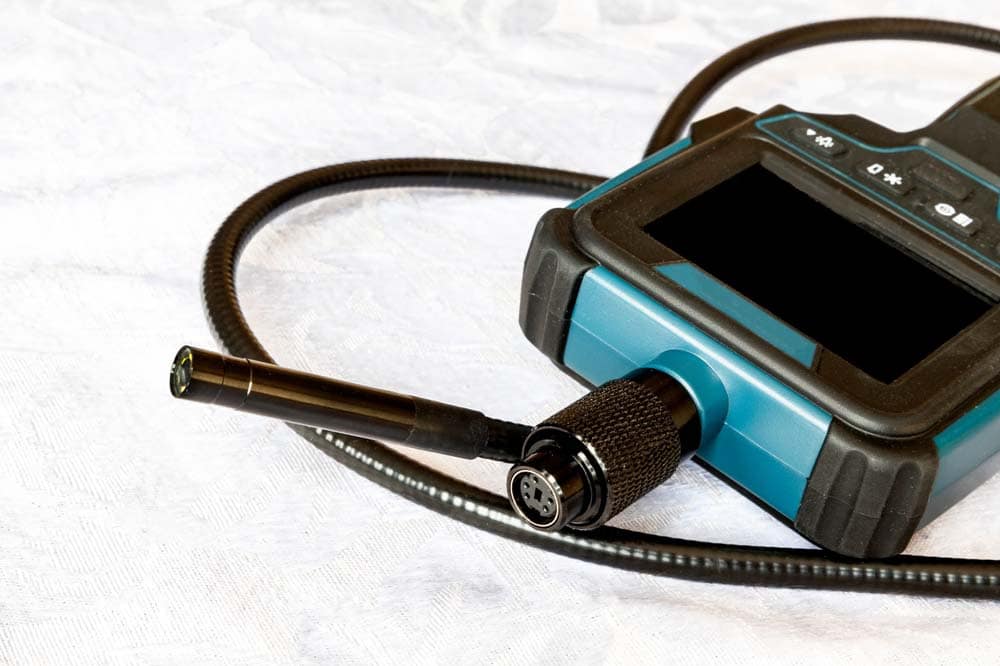
A sewer pipe crawler camera inspection system turns a frustrating underground mystery into a clear, recorded view of the problem. Instead of excavating your way toward a guess, you watch live footage from inside the pipe and plan repairs with real evidence in hand.
Sewer problems can be hard to find when they happen underground. Traditional methods often require digging up large areas just to locate a single issue. A sewer pipe crawler camera inspection system uses remote-controlled robots with high-definition cameras to inspect pipes from the inside, giving you clear images of what’s wrong without any digging.
These advanced tools have changed how professionals inspect and diagnose sewer line problems. The crawler systems can move through pipes of different sizes and materials while sending back real-time video footage. This lets technicians see cracks, blockages, root intrusions, and other damage with precision.
Understanding how these inspection systems work can help you make better decisions about maintaining your sewer infrastructure. Whether you manage a large municipal system or need to inspect pipes for your property, knowing the benefits and applications of crawler camera technology will show you why it has become the standard for underground pipe inspection.
Here’s what you’ll find inside:
- Overview of sewer pipe crawler camera inspection systems
- Enhancing diagnostic accuracy with camera inspections
- Optimal applications for crawler camera inspections
- Advantages of advanced inspection technology
- The professional inspection process
Keep reading to learn how crawler cameras reach the places standard tools cannot and deliver the clarity you need to plan the right repair the first time.
Overview of sewer pipe crawler camera inspection systems
Crawler camera systems use motorized robots to move through underground pipes and send back live video footage. These systems work differently than handheld push cameras and include multiple parts that work together to inspect pipeline conditions.
How crawler systems navigate underground pipelines
Crawler systems use motorized wheels or treads to move through pipes without an operator pushing them. The robot travels on its own power through the pipeline while you control it from above ground. You can steer the crawler forward, backward, and adjust its speed based on what you need to see.
The crawler stays stable as it moves because its wheels grip the pipe bottom. This matters when you inspect larger pipes or need to travel long distances. Most crawlers can handle pipes from 6 inches to 72 inches in diameter.
You control the crawler through a cable that also carries the video signal back to your monitor. The cable feeds from a large reel that can extend hundreds or even thousands of feet into the pipeline. Some systems include locator equipment that maps the exact position of the crawler underground so you know where problems are located.
Key components of advanced inspection equipment
A complete sewer camera inspection equipment package includes several main parts:
- Camera head with high-resolution video and LED lights
- Motorized crawler with adjustable wheels or tracks
- Cable reel that feeds and retrieves the tether line
- Control unit where you operate the crawler remotely
- Monitor or recording device showing live footage
- Optional locator for mapping pipe routes
The camera head mounts on the crawler and can pan, tilt, or zoom to capture different angles. LED lights built into the camera illuminate dark pipes so you can see cracks, blockages, and other defects clearly. The recording unit saves video files and often includes software to add notes and generate reports.
Differences between push cameras and crawler systems
Push cameras work best for smaller pipes and shorter distances. You manually push these cameras through the line using a semi-rigid rod from a cleanout access point. They typically inspect pipes up to 4 inches in diameter and reach 100 to 400 feet.
Pipeline inspection crawler systems handle bigger jobs. These motorized robots inspect larger diameter pipes and can travel much farther than push cameras. Crawlers work in pipes from 6 inches up to 6 feet wide and some models reach distances over 1,000 feet.
Push cameras cost less and work well for residential lines. Crawlers require more investment but provide better results in mainline sewers and commercial applications where you need detailed inspections of larger infrastructure.
Enhancing diagnostic accuracy with camera inspections
Camera crawler systems provide clear visual data that helps you identify specific pipe problems and their exact locations. This technology removes uncertainty from sewer assessments and allows for targeted repairs.
Identifying cracks, blockages, and root intrusion
High-definition cameras mounted on crawler systems capture detailed images of pipe interiors as they move through sewer lines. You can spot hairline cracks as small as a few millimeters wide on your screen. The cameras reveal structural damage like fractures, holes, and collapsed sections that might not cause immediate problems but will worsen over time.
Blockages show up clearly during sewer line video inspection. You’ll see grease buildup, sediment accumulation, and foreign objects lodged in pipes. The camera’s wide-angle lens captures the full pipe circumference, so you won’t miss partial obstructions along the pipe walls.
Root intrusion appears as white or tan tendrils extending into the pipe through joints or cracks. According to the U.S. Environmental Protection Agency, homeowners should keep trees and woody plants away from wastewater system components because roots naturally grow toward the moisture and nutrients inside pipes and can infiltrate buried lines through small openings. You can measure the approximate size of root masses and identify which sections need immediate attention.
Real-time video analysis for precise problem location
The crawler’s tracking system records its position as it moves through your sewer line. You get exact measurements showing how far each defect sits from the access point. This data eliminates the need to excavate multiple locations searching for the problem.
Live video feeds let you pause and review footage at any moment during inspection. You can zoom in on suspicious areas, adjust lighting levels, and capture still images of specific defects. The footage is time-stamped and geo-referenced, creating a permanent record of pipe conditions.
Most systems include software that overlays distance markers and pipe information directly on the video. You can document multiple issues in a single inspection run and create detailed reports with precise locations for each finding.
Reducing guesswork in sewer line repairs
Visual confirmation from camera inspections shows you exactly what repair method to use. You’ll know whether a pipe needs spot repair, relining, or full replacement based on what the camera reveals. This prevents unnecessary excavation and keeps repair costs down.
The footage helps you plan excavation sites with accuracy. You can dig at the exact location of the problem instead of opening up large sections of pipe. This targeted approach reduces labor time, equipment costs, and property restoration expenses.
Camera data also helps you prepare the right materials and tools before starting repairs. You’ll see the pipe diameter, material type, and damage extent during inspection. This means you can order correct replacement parts and schedule appropriate crew sizes for the job.
Optimal applications for crawler camera inspections
Crawler camera systems excel in demanding inspection scenarios where standard push cameras fall short. These robotic units handle large pipes, long distances, and challenging conditions that require precise navigation and detailed documentation.
Large-diameter or complex sewer lines
Crawler cameras are designed for pipes that measure 6 inches in diameter or larger. The wheeled design provides stable movement through pipes ranging from small mains to massive storm drains measuring several feet across.
These systems navigate complex pipe networks with multiple junctions and lateral connections. The steerable design allows you to control direction at intersections and explore specific branches without repositioning equipment.
Long inspection runs become manageable with crawler systems. You can inspect thousands of feet of pipeline in a single deployment, which saves time compared to multiple push camera setups. The self-propelled wheels maintain consistent speed and positioning throughout extended inspections.
Pipes with irregular surfaces or debris benefit from crawler stability. The multi-wheel configuration keeps cameras level over obstacles that would snag push cables. You get clear video even when traveling through rough pipe conditions.
Commercial and municipal pipeline inspections
Municipal sewer systems require the robust capabilities that crawler cameras provide. Cities use these systems to inspect main sewer lines, evaluate infrastructure condition, and plan maintenance programs across miles of underground networks.
Key municipal applications include:
- Main trunk line assessments
- Pre-rehabilitation surveys
- Post-construction verification
- Routine condition monitoring
- Emergency response investigations
Industrial facilities rely on crawler inspections for large process lines and drainage systems. Manufacturing plants, treatment facilities, and commercial properties use these systems to maintain critical infrastructure without shutting down operations.
Contractors performing rehabilitation work need accurate documentation before and after repairs. Crawler cameras deliver the detailed video evidence required for project planning, bid preparation, and final acceptance.
Situations where standard cameras are not effective
Push cameras reach their limits in pipes longer than 300-400 feet. The cable becomes difficult to manage and loses pushing force over extended distances. Crawler systems overcome this limitation with powered wheels that pull the camera through pipes measuring thousands of feet.
Vertical sections and steep grades pose problems for gravity-fed push systems. Crawlers climb inclines and navigate elevation changes that would stop standard equipment. The motorized drive maintains control in both directions.
Submerged conditions require specialized equipment. While basic push cameras struggle in standing water, crawler systems operate in partially filled or fully submerged pipes. The sealed design protects sensitive electronics while maintaining video quality.
You need crawlers when pipe conditions include heavy debris, grease buildup, or structural defects. The robust chassis pushes through obstructions and maintains traction where push cables would bind or twist.
Advantages of advanced inspection technology
Modern sewer pipe crawler camera systems deliver measurable benefits that improve how you inspect and maintain underground infrastructure. These systems reduce inspection time, limit property damage, and provide data you can use to plan maintenance more effectively.
Faster and more accurate diagnostics
Robotic crawler cameras let you identify problems in underground pipes without guessing. High-definition video feeds show you exactly what’s happening inside the pipeline in real time. You can spot cracks, blockages, root intrusions, and corrosion as the camera moves through the system.
Pan-and-tilt camera heads rotate to capture every angle of the pipe interior. This means you won’t miss damage on the top or sides of the pipe that fixed cameras might overlook. The systems record video and location data, so you can review footage later and pinpoint the exact location of issues.
You spend less time investigating problems because the camera shows you the condition immediately. Technicians can diagnose multiple issues in a single inspection run instead of making repeated trips. This speed helps you respond to problems before they become emergencies.
Minimizing excavation and property disruption
Crawler camera systems examine pipes from the inside, which means you don’t need to dig up streets, lawns, or driveways to assess pipe condition. You only excavate when and where repairs are actually needed. This targeted approach saves money on unnecessary digging and restoration work.
Property owners appreciate the reduced disruption to their land. You avoid damaging landscaping, pavement, and underground utilities that sit near the sewer lines. The inspection process becomes less invasive and more efficient.
Your crews access the pipes through existing manholes or cleanouts. The compact robotic crawlers navigate through the system and transmit findings to operators above ground. This method protects both public and private property while still giving you complete visibility into pipe conditions.
Supporting long-term maintenance planning
The detailed video and data from crawler inspections create a record of your pipe system’s condition over time. You can track how specific sections deteriorate and predict when they’ll need repair or replacement. This information helps you budget for future work instead of scrambling to fix unexpected failures.
You can prioritize repairs based on actual condition rather than pipe age alone. Some older pipes may still function well, while newer sections might show unexpected damage. According to the U.S. Environmental Protection Agency, microbial conversion of hydrogen sulfide into sulfuric acid on pipe surfaces is a major driver of concrete and metal deterioration in wastewater systems and can dramatically shorten pipe service life if left unchecked, which means camera-verified condition data is far more reliable than age alone for planning purposes.
Regular inspections with crawler cameras build a maintenance history for your entire system. You’ll know which areas need more frequent monitoring and which materials perform better in your specific conditions. This knowledge improves your decision-making for both immediate repairs and long-term infrastructure investments.
The professional inspection process
Professional crawler camera inspections follow a structured workflow that includes preparing and deploying equipment into the pipeline, monitoring conditions in real-time, and developing actionable solutions based on findings.
Setup and insertion of the crawler system
Before your inspection begins, technicians clean camera lenses and test all lighting systems to ensure clear footage. They verify that the recording equipment works properly and check cable connections on the crawler unit.
The team selects either a push camera for smaller residential lines or a robotic crawler for larger municipal mains based on your pipe diameter. Most crawler systems handle pipelines ranging from 6 inches to 80 inches or more.
Technicians insert the crawler through existing access points like manholes or cleanouts to avoid excavation. The flexible cable or robotic tracks allow the camera to navigate bends and changes in pipe direction. Some systems include locator technology that maps the exact underground route as the inspection progresses.
Live video monitoring and reporting
Your technician monitors live footage on a screen as the crawler moves through the pipeline. The camera captures high-definition video showing blockages, cracks, root intrusions, and structural damage in real-time.
Professionals document problem areas by marking timestamps and exact locations during recording. Many drain camera inspection services use standardized coding systems to classify defects by type and severity.
The operator controls crawler speed and camera angles to examine suspicious sections more closely. Recording equipment saves all footage for detailed review and client records.
Post-inspection recommendations and next steps
After completing the video inspection, your service provider reviews all footage to identify issues. They prepare a detailed report that includes:
- Video documentation with timestamps of problem areas
- Pipe condition ratings based on industry standards
- Specific defect locations measured from access points
- Recommended repairs prioritized by urgency
Your technician explains which problems need immediate attention versus those you can monitor over time. They may suggest solutions like hydro jetting for blockages, spot repairs for isolated damage, or full pipe replacement for extensive deterioration. You receive copies of all video footage and written reports for insurance claims or future reference.
Conclusion
A sewer pipe crawler camera inspection system gives you the tools to inspect underground pipes without digging or guessing. You can see real-time footage of what’s happening inside your sewer lines, storm drains, and pipelines.
These systems include a camera mounted on a crawler or push rod, a monitor for viewing footage, and controls to operate the equipment. The camera travels through pipes while you watch from above ground.
You’ll find options ranging from $6,000 to $60,000 depending on features and capabilities. Basic systems work well for simple inspections. Advanced models offer features like self-leveling cameras, distance tracking, DVR recording, and pipe locating technology.
The right system depends on your specific needs. Consider pipe sizes you’ll inspect, required image quality, cable length, and whether you need features like recording or locating capabilities.
Whether you’re a contractor, municipality worker, or property owner dealing with drainage issues, these camera systems help you make informed decisions about pipe maintenance and repairs. You’ll know exactly what’s wrong and where before starting any work.
For a professional crawler camera inspection that delivers precise answers and clear next steps from a trusted local team, book your appointment with Pro Sewer Repair and see exactly what’s happening inside your sewer line.