

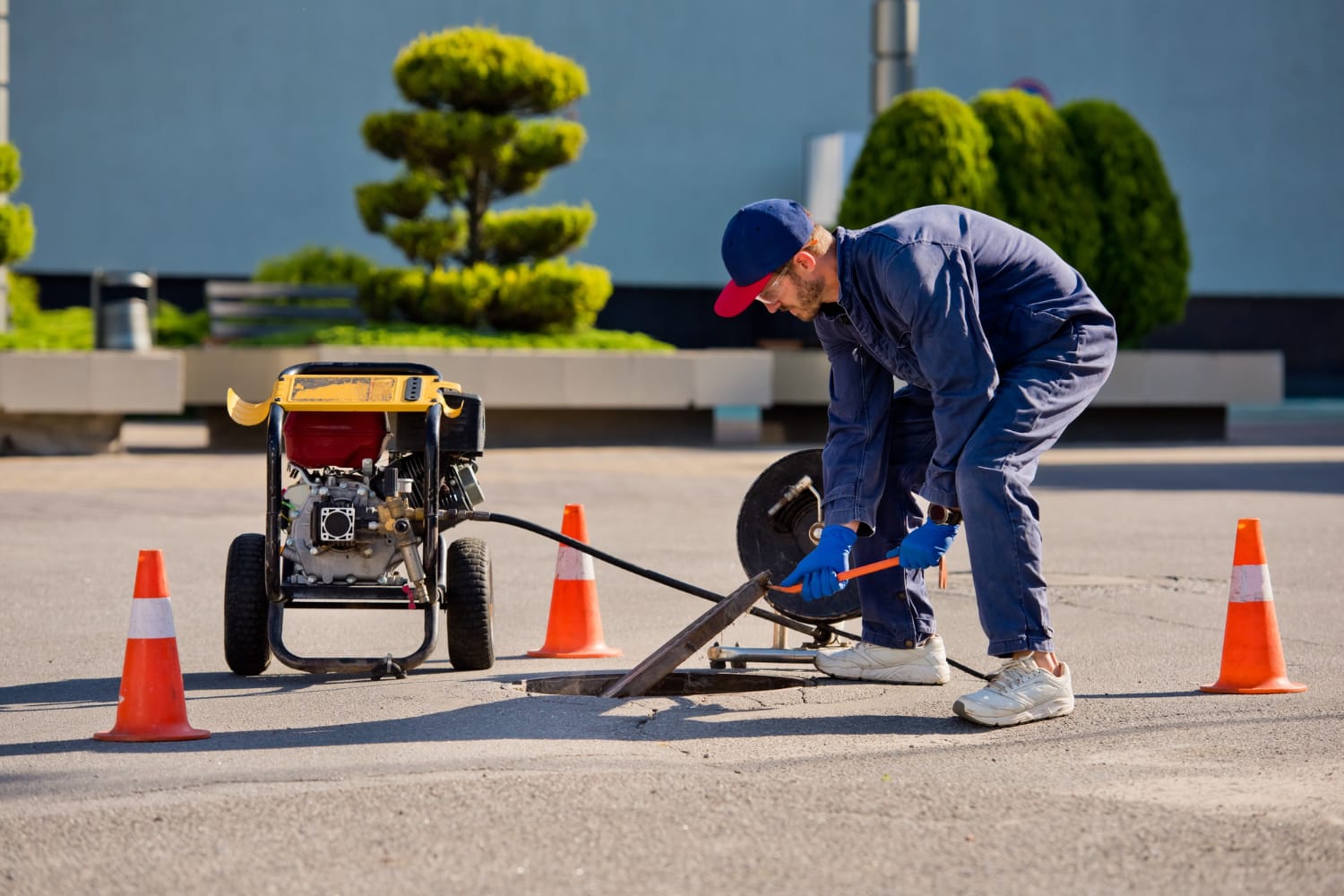
A sewer scope inspection service is one of the smartest investments a homeowner can make, because it shows you exactly what is happening in the one part of your plumbing system you can’t see without a camera. Instead of waiting for a backup to reveal the problem, you get a clear picture of your pipes before the damage turns into a repair bill.
When you buy a home, you can see the walls, roof, and floors. But what about the pipes buried underground? A sewer scope inspection uses a special camera to examine your home’s main sewer line and spot problems like cracks, clogs, or tree roots before they become expensive disasters.
Most homebuyers focus on what they can see during a walkthrough. They check the kitchen, test the faucets, and look for water stains. Meanwhile, serious issues could be hiding in the sewer line that connects your house to the main city line or septic tank.
This inspection gives you a clear picture of what’s happening below ground. You’ll learn what problems to look for, when you need this service, and how professionals check your pipes. Understanding this process helps you make smart choices about your property and avoid surprise repair bills.
Here’s what you’ll find inside:
- Understanding sewer scope inspections
- Identifying common sewer line issues
- Situations that require a sewer scope
- Advantages of professional pipe inspection
- The process of a professional scope evaluation
Keep reading to learn when a sewer scope pays for itself many times over and how to use the findings to protect your home and your budget.
Understanding sewer scope inspections
A sewer scope inspection uses specialized camera equipment to examine the condition of your underground sewer lines. This process reveals problems like cracks, blockages, and root intrusions that aren’t visible from the surface.
How sewer scope inspections work
A professional inspector inserts a small waterproof camera into your sewer line through an existing access point. This access point is usually a cleanout, which is a capped pipe that provides direct entry to your sewer system. If your home doesn’t have a cleanout, the inspector may use a drain opening or toilet connection.
The camera travels through the entire length of the pipe while recording video footage. As it moves, the inspector watches a live feed on a monitor above ground. They can see the pipe’s interior walls, identify damage, and pinpoint the exact location of any issues.
The camera cable has distance markers that help determine where problems exist along the line. Most inspections cover the lateral sewer line, which runs from your house to the municipal connection or septic tank. The process typically takes 45 minutes to an hour, depending on the length of your sewer line and what the inspector finds.
Tools used in modern sewer camera inspection service
Modern sewer cameras feature high-definition recording capabilities that capture clear images even in dark, wet conditions. The camera head contains LED lights that illuminate the pipe’s interior as it travels through the line. These cameras attach to flexible cables that can navigate bends and turns in your plumbing system.
Most professional equipment includes a locating device that transmits signals from underground. This allows inspectors to mark the exact ground location of problems without digging. The monitor displays real-time footage and often records the entire inspection for your records.
Some advanced systems measure pipe diameter and document the grade or slope of your sewer line. Inspectors use push rods or motorized crawlers depending on the distance and pipe conditions they need to examine.
Why sewer scoping is important for homeowners
Sewer line repairs cost thousands of dollars, making early detection valuable for your budget. An underground pipe inspection service identifies small problems before they become expensive emergencies. You can catch issues like tree root intrusion, pipe corrosion, or improper slope that will worsen over time.
For home buyers, this inspection reveals the true condition of a property’s sewer system. Many homes built before 1980 have older pipe materials that deteriorate or fail. You’ll know if the line needs replacement before you complete your purchase.
Regular inspections help you maintain your sewer system properly. You can schedule preventive maintenance based on what the camera shows rather than waiting for backups or slow drains.
Identifying common sewer line issues
A sewer scope inspection reveals problems that aren’t visible from above ground, including roots breaking into pipes, structural damage from age or shifting soil, and alignment issues that prevent proper drainage.
Tree root intrusion and blockages
Tree roots are one of the most frequent causes of sewer line damage. According to the U.S. Environmental Protection Agency, homeowners should keep trees and woody plants away from wastewater system components because roots naturally grow toward the moisture and nutrients inside pipes and can infiltrate buried lines through small openings. Even small cracks or loose pipe joints release vapor that draws roots toward the line.
Once roots enter your pipes, they expand and create thick mats that trap debris. This leads to slow drains and frequent backups in your home. Hair-like root tendrils can develop into masses several inches thick over time.
Common signs of root intrusion include:
- Gurgling sounds from drains or toilets
- Slow drainage throughout multiple fixtures
- Sewage backups in lower-level drains
- Unusually green patches of grass above the sewer line
The camera inspection shows exactly where roots have penetrated and how severe the blockage has become. Older clay or concrete pipes with separated joints are especially vulnerable since roots can slip through the gaps more easily than in newer PVC pipes.
Cracked, collapsed, or deteriorating pipes
Pipes break down over time due to ground movement, corrosion, and material degradation. Cast iron pipes can rust through after 50-70 years, while clay pipes become brittle and crack under pressure. A collapsed section completely blocks flow and requires immediate replacement.
Cracks start small but grow as water seeps out and erodes surrounding soil. This creates voids that allow the ground above to settle, putting more stress on the pipe. You might notice sinkholes or soft spots in your yard above damaged sections.
Types of pipe damage visible during inspection:
- Longitudinal cracks run along the length of the pipe
- Circumferential cracks wrap around the pipe
- Offset joints where sections have separated
- Hole deterioration from complete material breakdown
The inspection reveals the extent and location of damage so you can plan repairs before a complete failure occurs.
Bellies, misalignment, and drainage issues
A belly forms when a section of pipe sags below the grade of surrounding areas. This creates a low spot where water pools instead of flowing properly. Sediment and waste collect in these areas, leading to recurring clogs even after cleaning.
Pipe misalignment happens when sections shift due to soil settlement or poor installation. Offsets create edges inside the pipe where debris catches and builds up. The camera inspection shows how severe the offset is and whether water can still pass through.
Drainage problems from structural issues:
- Standing water visible in pipe sections
- Sediment buildup in low areas
- Negative slope directing flow backward
- Separated joints creating steps between sections
These problems get worse over time as more material accumulates in the affected areas. Fixing them typically requires excavation to re-grade or replace the damaged sections.
Situations that require a sewer scope
A sewer scope inspection becomes necessary when you need to check the condition of underground pipes before problems turn expensive. Certain situations make this inspection especially important for protecting your home and your wallet.
Before buying or selling a home
Getting a sewer scope inspection before you buy a home can save you thousands of dollars in unexpected repairs. The camera inspection reveals hidden problems in the sewer line that a standard home inspection misses, such as cracks, tree root damage, or outdated pipe materials.
Most home inspections don’t include the sewer line in their standard checklist. You need to request this service separately to see what’s happening underground.
Older homes especially need this inspection because they often have aging clay or cast iron pipes that crack or collapse over time. Homes built near large trees also face higher risks of root intrusion into sewer lines.
If you’re selling your home, a sewer scope inspection gives you a clear picture of any issues before buyers discover them. You can fix problems ahead of time or price your home accordingly. This approach prevents deal delays or renegotiations during the selling process.
The inspection typically costs between $200 and $400, which is much less than the $3,000 to $25,000 you might spend on major sewer line repairs.
After repeated drainage or backup issues
Slow drains throughout your house signal a possible blockage or damage in your main sewer line. When multiple fixtures back up at once, the problem likely exists in the shared sewer line rather than individual drain pipes.
A sewer scope inspection pinpoints exactly where the blockage or damage sits in your pipes. The camera shows whether tree roots have invaded the line, if pipes have collapsed, or if built-up debris is causing the backup.
Recurring clogs that keep coming back after you clear them point to a bigger structural issue. The camera inspection reveals cracks, misaligned pipe sections, or low spots where waste collects instead of flowing properly.
You should schedule this inspection after trying basic fixes without success. If plunging or snaking your drains only provides temporary relief, a video inspection uncovers the root cause so you can make the right repair.
Following major storms or ground movement
Heavy storms and flooding can shift the ground around your sewer pipes, causing them to crack or separate at joints. A sewer scope inspection after major weather events checks whether your underground pipes suffered damage.
According to the U.S. Geological Survey, most states are at some risk from earthquake shaking, with the West Coast, Alaska, and Hawaii facing the highest hazard levels, and ground motion from seismic events can stress or damage buried utilities including sewer pipes. Even small shifts in the earth create gaps where waste leaks out and groundwater seeps in.
You should get an inspection if you notice soggy spots in your yard, sewage odors, or sudden drainage problems after a storm. These signs often mean your sewer line has cracked or collapsed underground.
Foundation settling in your home can also affect sewer lines connected to the house. The camera inspection shows whether pipes have separated from connection points or developed stress cracks from the movement.
Advantages of professional pipe inspection
Professional pipe inspection helps you identify problems in your sewer line before they turn into expensive emergencies. Advanced camera technology allows trained inspectors to spot issues like cracks, blockages, and root intrusion without digging up your yard.
Preventing unexpected repair costs
A sewer scope inspection typically costs between $100 and $400, which is a small investment compared to emergency sewer repairs that can run thousands of dollars. When you schedule a plumbing sewer inspection service before buying a home, you can negotiate repairs with the seller or walk away from a property with severe problems.
Many homeowners face surprise repair bills because they don’t know about hidden damage in their sewer lines. Tree roots can grow into pipes over years, creating blockages that eventually cause backups into your home. Collapsed or deteriorated pipes often show no warning signs until sewage floods your basement.
Professional inspectors can spot early warning signs like small cracks, corrosion, or minor root intrusion. You can address these issues while they’re still manageable instead of waiting for a complete pipe failure.
Accurate diagnosis without excavation
Traditional sewer repairs required plumbers to dig up large sections of your yard just to find the problem. A sewer scope inspection eliminates this guesswork by showing the exact location and nature of any issues.
The waterproof camera travels through your entire sewer line and sends live video to the inspector. You can see the inside of your pipes in real time, which helps you understand exactly what repairs you need. Inspectors can identify specific problems like offset joints, bellied pipes, or foreign objects stuck in the line.
This targeted approach means contractors only dig where necessary, saving you money on labor and restoring your landscaping. The recorded video also provides documentation you can share with multiple plumbers to get accurate repair quotes.
Improving long-term plumbing reliability
Regular sewer scope inspections help you maintain your plumbing system before small problems become major failures. You can create a maintenance schedule based on what inspectors find, such as periodic root treatments for trees near your sewer line.
Older homes with clay or cast iron pipes benefit from routine inspections every few years. These materials deteriorate over time, and catching corrosion early extends the life of your system. Newer plastic pipes are more durable but can still develop problems from ground shifting or poor installation.
Professional inspectors provide detailed reports showing the condition of your entire sewer line. You’ll know which sections need monitoring and which parts are in good shape, helping you plan for future repairs and budget accordingly.
The process of a professional scope evaluation
A professional sewer scope evaluation follows a systematic approach that includes camera insertion, real-time video recording, and detailed documentation of your sewer line’s condition. The inspector then provides you with clear findings and expert recommendations for any necessary repairs or maintenance.
Inspection process step-by-step overview
The inspector begins by locating the best access point to your sewer line, typically through a cleanout pipe or main drain opening. They insert a waterproof camera attached to a flexible cable into the opening.
As the camera moves through your sewer line, the inspector carefully guides it from your home’s foundation toward the municipal connection point or septic tank. The camera travels the entire length of the lateral sewer line, which is the section you own and maintain.
The inspection is non-invasive and requires no digging or damage to your property. The camera captures high-resolution video footage of the pipe’s interior while the inspector monitors the feed on a screen. They look for specific issues like cracks, blockages, tree root intrusions, corrosion, and improper pipe slopes.
The inspector marks the distance as the camera advances through the line. This tracking helps pinpoint the exact location of any problems found during the examination.
Video documentation and reporting
Your inspector records the entire video inspection for your records and future reference. The footage shows the actual condition of your pipes with timestamps and distance markers throughout.
You receive a detailed report that identifies all findings from the inspection. The report includes specific locations of any damage, deterioration, or blockages discovered in your sewer line.
Common items documented in the report:
- Pipe material and estimated age
- Cracks or breaks in the line
- Tree root penetration points
- Buildup of grease or debris
- Misaligned or separated pipe joints
- Standing water or improper drainage
Most inspectors provide you with a copy of the video along with written documentation and photographs of significant findings.
Recommended next actions after inspection
Your inspector explains each finding and its severity level. Minor issues like small amounts of buildup may only require routine maintenance, while major problems like collapsed pipes need immediate attention.
You’ll receive clear recommendations for addressing any problems identified. These might include professional drain cleaning, pipe repairs, or complete line replacement depending on the damage extent.
The inspector can estimate the urgency of needed repairs. Emergency issues affecting your home’s wastewater flow require quick action, while other concerns can be scheduled for future maintenance.
Your documentation helps you obtain accurate repair quotes from plumbing contractors. The video and report show exactly what needs fixing and where problems exist, preventing unnecessary work or costs.
Conclusion
A sewer scope inspection protects your investment and gives you peace of mind about your property’s plumbing system. This service uses a specialized camera to examine your main sewer line without digging up your yard or causing damage to your property.
The inspection helps you find problems like tree root intrusion, cracks, blockages, and pipe deterioration before they turn into expensive repairs. You can schedule this service when buying a home, experiencing drainage issues, or as part of regular maintenance.
The cost of a sewer scope inspection is small compared to the thousands of dollars you might spend on emergency repairs or sewer line replacement. A trained technician will insert the camera through an access point and record video of your entire sewer line.
You will receive a detailed report showing the condition of your pipes and any issues that need attention. This information helps you make informed decisions about repairs, replacements, or negotiations during a home purchase. The inspection typically takes less than an hour and requires no excavation or disruption to your daily routine.
For a thorough scope evaluation backed by clear documentation and straightforward recommendations, book your inspection with Pro Sewer Repair and find out exactly what’s going on beneath your property.