

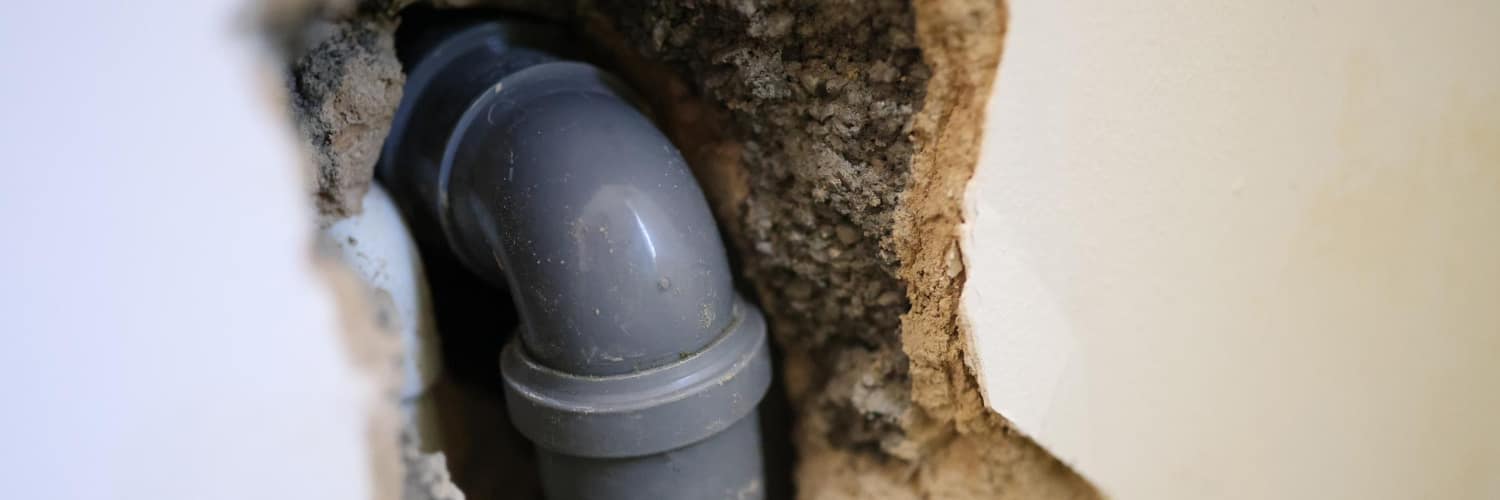
A smelly basement sewer is one of the clearest warning signs that something in your drainage system is letting gas escape where it shouldn’t. The odor is not cosmetic, it is a symptom of a problem that needs to be tracked down and fixed.
A sewer smell coming from your basement is not just unpleasant. It signals a problem with your home’s plumbing or drainage system that needs attention. The odor comes from sewer gases escaping into your living space, and it won’t go away on its own.
Basement sewer odor usually happens when something blocks sewer gases from staying in the pipes where they belong, such as dried-out drain traps, damaged sewer lines, or ventilation problems. Your basement is often the first place these smells appear because that’s where most of your home’s main drains and sewer connections are located.
The good news is that most causes of basement sewer smells can be fixed once you identify the source. This guide will help you understand why the odor is happening, what health risks it poses, and what steps you can take to eliminate the smell and keep it from coming back.
Here’s what you’ll find inside:
- Why basement sewer odors happen
- Health risks and household problems from sewer smells
- How professionals diagnose sewer odors in basements
- Effective solutions for smelly basement sewer issues
- Preventing future sewer odors in your basement
Keep reading to pinpoint the exact cause of the smell in your basement and learn which fixes actually put an end to it for good.
Why basement sewer odors happen
Sewer smells in your basement usually point to problems with your plumbing system or moisture issues. These odors come from sewer gas escaping through dry traps, damaged pipes, or backups in the main line.
Dry or broken drain traps let sewer gas escape
Every drain in your basement has a U-shaped pipe called a trap that holds water. This water creates a seal that blocks sewer gas from entering your home. When a drain doesn’t get used for weeks or months, the water in the trap evaporates and leaves an open path for gas to flow up.
Floor drains are the most common culprits in basements. If you rarely use your basement sink or shower, their traps can dry out too.
Broken or cracked traps also lose their water seal. The damage lets sewer gas bypass the trap entirely. You might have a broken trap if you smell sewage even after running water down the drain.
Cracked or damaged sewer pipes under the foundation
Sewer pipes beneath your basement floor can crack from age, settling soil, or tree root intrusion. These cracks let raw sewage and sewer gas leak into the soil around your foundation. The smell then seeps up through concrete pores or floor cracks.
Clay and cast iron pipes are especially prone to breaking down over time. Small hairline cracks can grow into major breaks if left unaddressed.
You might notice wet spots on your basement floor or walls near damaged pipes. The odor often gets worse after heavy water use, like doing laundry or taking showers.
Backed-up main sewer line sending odors backward
A clog in your main sewer line forces wastewater and gas back up through your lowest drains. Basement drains sit at the bottom of your plumbing system, making them the first place you’ll notice problems.
Common causes include tree roots growing into pipes, flushed objects, or grease buildup. The backup pushes sewer gas through floor drains, toilets, and sink drains.
You might hear gurgling sounds from drains when water goes down elsewhere in the house. Multiple slow drains throughout your home also signal a main line issue.
Groundwater or moisture carrying odors inside
High groundwater levels or basement flooding can carry sewage odors through foundation cracks and gaps. Water sitting beneath your basement floor picks up smells from nearby septic systems or old sewage in the soil. This contaminated moisture evaporates and releases odors into your basement air.
Poor drainage around your foundation makes the problem worse. Heavy rain or snowmelt can saturate the ground and push contaminated water toward your basement.
Humidity alone doesn’t cause sewer smells, but it can make existing odors more noticeable. Damp conditions also promote mold growth, which creates musty smells that people sometimes confuse with sewage.
Health risks and household problems from sewer smells
Sewer smells in your basement create health hazards and damage your living space. The gases can irritate your body, encourage mold growth, attract unwanted pests, and make your home less comfortable.
Respiratory irritation and unpleasant indoor air
Sewer gas contains hydrogen sulfide, ammonia, and methane. These gases can irritate your eyes, nose, and throat when you breathe them in. You might experience headaches, dizziness, or nausea after spending time in a basement with sewer odors.
According to the U.S. Occupational Safety and Health Administration, hydrogen sulfide at low concentrations irritates the eyes, nose, and throat, while moderate levels can cause severe eye irritation, headaches, coughing, and difficulty breathing, and higher concentrations can quickly become life-threatening. Children, elderly people, and anyone with existing respiratory conditions face higher risks from these fumes. The rotten egg smell you notice comes from hydrogen sulfide, which is toxic in high concentrations.
Long-term exposure can lead to more serious respiratory issues. Your indoor air quality drops significantly when sewer gases leak into your home. This makes it unsafe to use your basement for living space, storage, or any regular activities.
Mold or mildew growth triggered by moisture
Sewer problems often involve water leaks or excess moisture. This damp environment creates perfect conditions for mold and mildew to grow. You might see dark spots on walls, floors, or ceiling joists in your basement.
According to the U.S. Environmental Protection Agency, mold spores are ubiquitous indoors and outdoors, and indoor mold growth becomes a health concern when moisture problems let colonies establish and release spores that can trigger allergic reactions, asthma attacks, and respiratory irritation. Some types of mold produce mycotoxins that pose serious health risks with continued exposure.
The musty smell from mold combines with sewer odors to make your basement even more unpleasant. Moisture damage also weakens building materials like drywall, wood framing, and insulation. This leads to costly repairs beyond just fixing the initial sewer problem.
Attraction of pests and bugs
Sewer leaks and standing water attract various pests to your basement. Drain flies breed in the organic matter inside drain pipes and around leaks. You might also notice cockroaches, which are drawn to moisture and sewage.
Rodents like rats can enter your home through damaged sewer lines or gaps around pipes. They carry diseases and contaminate surfaces with their droppings. Insects and rodents multiply quickly once they find food and water sources in your basement.
These pests spread bacteria and parasites throughout your home. They also create additional odors and leave behind waste that requires cleanup.
Reduced home comfort and livability
A smelly basement makes your entire home less enjoyable to live in. The odors often spread upward through floors, vents, and stairways into your main living areas. You cannot use your basement for its intended purpose when it smells like sewage.
Your home’s value decreases when sewer problems go unaddressed. Potential buyers will notice the smell during inspections and viewings. You lose valuable storage space and cannot finish or renovate the basement until you fix the underlying issue.
The constant worry about health risks and structural damage adds stress to your daily life. You might feel embarrassed to have guests over or use certain areas of your home.
How professionals diagnose sewer odors in basements
Professional plumbers use specialized equipment and systematic testing methods to find the exact source of sewer odors. They check multiple parts of your plumbing system, from visible drains to hidden pipes underground.
Plumbing camera inspection to locate leaks or blockages
A plumber inserts a small waterproof camera attached to a flexible cable into your sewer line. The camera sends live video feed to a monitor above ground, showing the inside condition of your pipes in real time.
This inspection reveals clogs, broken pipes, and damaged sections that let sewer gas escape into your basement. The camera can travel through pipes of different sizes and navigate bends to check areas you cannot see.
The plumber marks the exact location of problems by using the camera’s built-in locator. This saves time and money because they know precisely where to dig or make repairs. The video footage also provides a record of your pipe condition before and after repairs.
Checking floor drains, sumps, and trap seals
Your plumber examines all floor drains in your basement to see if water remains in the P-trap. A dry P-trap lets sewer gas flow directly into your home because no water barrier blocks the smell.
They pour water down each drain and watch how it flows. Slow drainage indicates a partial clog, while water backing up signals a more serious blockage.
The sump pit lid gets checked for proper sealing. A loose or missing lid allows sewer odors to escape into your basement air. Your plumber also inspects the ejector pump system if you have one, making sure the vent pipe works correctly and the seal stays tight.
Sewer line pressure and pipe condition testing
Plumbers perform a smoke test by pumping non-toxic, scented smoke into your sewer system. The smoke escapes through any cracks, holes, or loose connections, showing exactly where problems exist.
They also conduct a pressure test by sealing the line and monitoring if pressure drops. A pressure drop confirms that leaks exist somewhere in the system.
Some professionals use specialized gas detectors that identify sewer gas concentrations in different areas of your basement. This helps them track the smell back to its source when visual inspection does not reveal obvious problems.
Identifying root intrusions and pipe cracks
The camera inspection specifically looks for tree roots that have pushed through pipe joints or cracks. Roots appear as dark, thread-like masses inside the pipe that restrict water flow.
Small hairline cracks in pipes show up as light lines on the camera screen. Larger breaks appear as obvious gaps or collapsed sections where soil may have entered the pipe.
Your plumber notes the depth and location of any root intrusion or crack. They determine if the damage requires spot repair, pipe relining, or full replacement of the affected section. This assessment helps you understand the scope of work needed for professional sewer smell removal.
Effective solutions for smelly basement sewer issues
Fixing a sewer smell in your basement requires addressing the specific source of the odor. The most effective solutions target broken drain traps, blocked sewer lines, damaged pipes, or inadequate ventilation in your plumbing system.
Restoring or replacing broken drain traps
Drain traps hold water that blocks sewer gases from entering your basement. When these traps dry out or break, foul odors can escape into your living space.
Pour water down unused drains every few weeks to keep the trap filled. A dried-out P-trap is one of the easiest problems to fix and costs nothing. If you notice a constant smell even after adding water, the trap may have a crack or leak.
Replace broken drain traps immediately to restore the water seal. You can find replacement P-traps at hardware stores for $10 to $30.
Check floor drains, washing machine drains, and basement sinks regularly. These drains often sit unused for long periods, allowing the water in the trap to evaporate completely.
Sewer line cleaning with hydro jetting
Hydro jetting uses high-pressure water streams to clear stubborn blockages in your sewer lines. This method removes grease, tree roots, and built-up debris that cause backups and odors.
A professional plumber typically charges $300 to $600 for hydro jetting services. The process involves inserting a specialized hose into your sewer line that sprays water at pressures up to 4,000 PSI. This powerful cleaning method reaches areas that traditional snaking cannot access.
Schedule hydro jetting if you experience frequent backups or persistent sewer smells. The treatment clears the entire pipe diameter and removes accumulated waste on pipe walls. Most homes benefit from this service every 18 to 24 months as preventive maintenance.
Repairing cracked or collapsed sewer pipes
Damaged sewer pipes leak sewage and gases directly into the soil around your basement. You might notice damp spots, unusual settling, or stronger odors during heavy use.
A plumber can inspect your pipes with a video camera to locate cracks, breaks, or collapses. Repair costs range from $1,500 to $4,000 for traditional excavation methods. Trenchless pipe repair offers a less invasive option at $80 to $250 per foot.
Small cracks can be sealed with epoxy pipe lining. Larger breaks or collapsed sections require pipe replacement. Address these issues quickly because sewage leaks contaminate soil and groundwater around your foundation.
Installing proper ventilation to prevent gas build-up
Your plumbing system needs vent pipes that allow sewer gases to escape outdoors safely. Blocked or missing vents create negative pressure that pulls water from drain traps.
According to the U.S. Department of Housing and Urban Development, plumbing vent stacks must extend above the roofline and remain unobstructed so that air can enter the drain system, maintain atmospheric pressure behind flowing wastewater, and prevent siphoning of water from trap seals. Clear any obstructions you find to restore proper airflow. Install an air admittance valve (AAV) if adding a traditional vent pipe is too difficult or expensive.
An AAV costs $30 to $100 and allows air into the drain system without requiring roof penetration. These valves work well for basement fixtures far from existing vent stacks. Mount the AAV at least 4 inches above the drain trap and ensure local building codes permit their use.
Preventing future sewer odors in your basement
Stopping sewer smells before they start requires consistent maintenance and smart preventive measures. By keeping your plumbing system in good working order and addressing potential problem areas, you can avoid the unpleasant surprise of sewer gas seeping into your basement.
Regular sewer line cleaning and maintenance
Your sewer lines need periodic cleaning to prevent buildup that leads to clogs and odors. Schedule professional drain cleaning every 18 to 24 months to remove grease, debris, and mineral deposits that accumulate inside pipes.
You can also use enzymatic drain cleaners monthly to break down organic matter naturally. These products work slower than chemical cleaners but won’t damage your pipes. Avoid pouring grease, coffee grounds, or harsh chemicals down your drains, as these create blockages and corrode pipe interiors.
If you have older pipes, consider a video inspection to check for cracks, tree root intrusion, or corrosion. Catching these issues early prevents major repairs and keeps sewer gas from escaping through damaged sections of your line.
Keeping trap seals filled with water
P-traps under floor drains, sinks, and other fixtures create a water barrier that blocks sewer gas from entering your basement. When these traps dry out, gases flow freely through the drain opening.
Pour a gallon of water down infrequently used drains every few months to maintain the seal. Floor drains in basements often sit unused for long periods and are common culprits for dried traps.
For drains you rarely use, add a small amount of mineral oil after pouring water. The oil floats on top and slows evaporation, keeping the trap sealed longer. Check your traps after extended vacations or during dry seasons when evaporation happens faster.
Scheduling periodic professional inspections
A licensed plumber can spot problems you might miss during routine checks. Schedule an inspection once a year to evaluate your entire drainage system, including vents, traps, and main sewer lines.
Professionals use specialized equipment like cameras and pressure gauges to identify hidden leaks, improper venting, or early signs of pipe failure. They can also verify that your backflow prevention device works correctly if you have one installed.
During inspections, ask your plumber to check vent pipes on your roof for blockages from leaves, bird nests, or debris. Blocked vents prevent proper air circulation in your plumbing system and can cause trap siphoning, which leads to dry traps and sewer gas in basement prevention failures.
Sealing gaps around drains and pipe penetrations
Small openings around pipes where they pass through floors or walls let sewer gas escape into your basement. Inspect all pipe penetrations and seal any gaps larger than 1/8 inch.
Use hydraulic cement for permanent seals around pipes in concrete floors. This material expands as it sets and creates a watertight, gas-tight barrier. For smaller gaps, apply silicone caulk designed for plumbing applications.
Check the wax ring seal around basement toilets if you have them. A deteriorated or improperly installed wax ring allows sewer gas to leak from the base of the toilet. Replace wax rings whenever you remove a toilet for any reason, and ensure the toilet sits level and firmly against the floor when reinstalled.
Conclusion
A smelly basement from sewer gases is a problem you can solve. You need to find the source of the odor before you can fix it properly.
Start by checking your floor drains and P-traps. These dry out over time and let sewer gases escape into your home. Pour water down unused drains every few weeks to keep the traps filled.
Look for damage to your plumbing system. Cracked pipes, broken wax rings around toilets, and faulty vent pipes all cause sewer smells. Some fixes are simple DIY tasks, while others need a professional plumber.
Don’t ignore persistent sewer odors. These gases contain harmful substances that affect your health over time. They also signal problems in your plumbing that can get worse and more expensive to repair.
Take action as soon as you notice the smell. Inspect all drains, fixtures, and connections in your basement. Keep a record of when and where you smell the odor to help identify patterns.
Most basement sewer smells have straightforward causes with practical solutions. You can handle many of these issues yourself with basic tools and materials. For complex problems like main sewer line damage, persistent odors, or any issue you can’t identify, schedule a professional diagnosis with Pro Sewer Repair and get the smell out of your basement for good.