
Professional sewer line cleaning services are the difference between a plumbing system that runs quietly in the background and one that turns into a weekend emergency. Regular maintenance clears the buildup that causes backups long before sewage ever reaches the inside of your home.
Your home’s sewer line works hard every day to move wastewater away from your property. When this system gets blocked or damaged, it can cause serious problems like backups, bad smells, and even damage to your home. Professional sewer line cleaning services use special tools and methods to clear blockages, remove buildup, and keep your plumbing system running smoothly.
Most homeowners don’t think about their sewer lines until something goes wrong. Tree roots, grease buildup, and aging pipes can all create clogs that regular drain cleaners can’t fix. Understanding when you need professional help and what these services include can save you time and money.
This guide will explain why sewer line cleaning matters, what problems need expert attention, and how professionals fix these issues. You’ll learn the benefits of hiring trained contractors and when you should schedule regular maintenance for your home’s sewer system.
Here’s what you’ll find inside:
- Why sewer line cleaning is essential for home plumbing systems
- Common problems that require professional sewer line cleaning
- Professional sewer line cleaning methods used by experts
- Benefits of hiring professional sewer line cleaning contractors
- When homeowners should schedule sewer line cleaning
Keep reading to learn which warning signs mean it’s time to call, which cleaning method fits your pipes, and how to avoid the emergency repair that comes with neglecting your sewer line.
Why sewer line cleaning is essential for home plumbing systems
Your home’s sewer system works behind the scenes to remove wastewater safely, but blockages and buildup can cause serious plumbing failures. Understanding how these systems work and recognizing problems early can save you from expensive repairs and health hazards.
How sewer lines carry wastewater away from your home
Your sewer line is the main pipe that connects all your home’s drains to either the city sewer system or your septic tank. Every time you flush a toilet, run a sink, or use your shower, wastewater travels through smaller drain pipes into this larger main line.
The main sewer line typically sits several feet underground on your property. Most modern homes use PVC pipes for sewer lines, while older homes may have cast iron, clay, or concrete pipes. These pipes rely on gravity to move wastewater away from your house.
When everything works properly, you never think about this system. But when blockages form or pipes get damaged, wastewater has nowhere to go and can back up into your home.
Common causes of sewer line blockages
Tree roots are one of the biggest threats to sewer lines. According to the U.S. Environmental Protection Agency, homeowners should keep trees and woody plants away from wastewater system components because roots naturally grow toward the moisture and nutrients inside pipes and can infiltrate buried lines through small openings. Roots can crack pipes or grow through these openings, creating major blockages.
Grease and fat from cooking create sticky buildup inside pipes. When you pour grease down your drain, it cools and hardens on pipe walls, trapping other debris and shrinking the space water can flow through.
Other common culprits include:
- Food particles and coffee grounds that accumulate over time
- Hair and soap scum that combine to form tough clogs
- Paper products like wipes marketed as “flushable” that don’t break down
- Mineral deposits from hard water that narrow pipe diameter
- Aging pipes that crack, sag, or collapse
Foreign objects accidentally flushed down toilets can also create instant blockages that require professional removal.
Early warning signs of sewer line problems
Slow drains throughout your home signal a problem in the main sewer line rather than individual fixtures. If multiple drains back up at once, you likely have a sewer line issue.
Gurgling sounds from toilets or drains mean air is trapped in your pipes due to a blockage. You might hear these noises when running water in one area of your home while another fixture makes sounds.
Watch for water backing up in unexpected places. When you run your washing machine and water appears in your shower, the main line cannot handle the flow properly.
Sewage odors inside or outside your home indicate a serious problem that needs immediate attention. Bad smells can mean sewage is backing up or leaking from damaged pipes.
Patches of extra green grass or standing water in your yard might mean sewage is leaking underground and fertilizing that area.
Why regular sewer cleaning prevents major repairs
A residential sewer cleaning service removes buildup before it becomes a complete blockage. Professional cleaning every 18-24 months keeps your system flowing smoothly and extends the life of your pipes.
Prevention costs less than emergency repairs. A routine cleaning might cost a few hundred dollars, while replacing a damaged sewer line can run thousands of dollars plus the cost of digging up your yard.
Regular cleaning also lets professionals inspect your pipes with cameras to spot small problems like cracks or root intrusion. Catching these issues early means you can fix them before they cause a major failure.
Clean pipes reduce the risk of sewage backups that can damage your home’s floors, walls, and belongings. They also protect your family from exposure to harmful bacteria and waste.
Scheduled maintenance gives you peace of mind that your plumbing system is working properly. You won’t have to worry about unexpected backups during holidays or when you have guests.
Common problems that require professional sewer line cleaning
Several issues can develop in your home’s sewer system that need expert attention. These problems range from natural intrusions to material buildup and aging infrastructure that can disrupt your entire plumbing system.
Tree root intrusion in underground sewer pipes
Tree roots are one of the most destructive forces affecting underground sewer lines. Roots naturally seek out moisture and nutrients, making your sewer pipes an ideal target. Once roots find a small crack or loose joint in your pipe, they work their way inside and expand.
As roots grow inside your pipes, they create dense blockages that trap waste and other debris. This problem gets worse over time because roots continue growing and branching throughout the pipe. You might notice slow drains, gurgling sounds, or recurring clogs when roots have invaded your sewer line.
A main sewer line cleaning service uses specialized equipment to cut through and remove these roots. Professional plumbers employ mechanical augers and hydro-jetting systems that can eliminate root masses without damaging your pipes. For long-term protection, some homeowners follow up cleaning with sewer lining that blocks future root intrusion. Regular cleaning helps prevent roots from taking over your entire sewer system.
Grease and debris buildup inside sewer lines
Grease, soap residue, and food particles stick to the inside walls of your sewer pipes over time. When you pour cooking oil or fatty substances down your drains, they cool and solidify inside the pipes. This creates a coating that catches other debris and narrows the pipe opening.
Hair, toilet paper, and other waste materials get trapped in these greasy deposits. The buildup reduces water flow and eventually causes complete blockages. You’ll experience slow-draining sinks, bathtubs, and toilets when grease accumulation becomes severe.
Professional cleaning removes these stubborn deposits using high-pressure water jets that scour pipe walls clean. Standard drain cleaners and home remedies can’t reach the main sewer line or remove hardened buildup effectively.
Aging or corroded sewer pipe systems
Older sewer pipes made from cast iron, clay, or orangeburg materials break down as they age. Cast iron pipes rust from the inside out, creating rough surfaces that catch debris. Clay pipes become brittle and develop cracks that allow soil infiltration into your sewer line.
Corrosion creates pits and holes in pipe walls where waste material gets stuck. These rough surfaces slow down water flow and make your system more prone to clogs. Pipes installed 40 to 50 years ago often show significant deterioration that affects drainage performance.
Regular professional cleaning helps extend the life of aging pipes by preventing debris accumulation that accelerates corrosion. Technicians can also identify sections that need repair or replacement during cleaning services.
Collapsed or partially blocked sewer lines
Soil shifting, heavy traffic above ground, and structural damage can cause sewer pipes to collapse or sag. When a pipe collapses, it creates an immediate and severe blockage that stops all drainage from your home. Partial collapses create low spots where waste and debris collect.
These structural failures cause sewage backups into your home through toilets and drains. You might notice multiple fixtures backing up simultaneously, which indicates a main line problem. Foul odors and standing water in your yard can also signal a collapsed pipe.
Professional services use camera inspections to locate collapsed sections before attempting cleaning. In cases of partial collapse, high-pressure water jets can sometimes restore flow temporarily while you arrange for pipe repair.
Professional sewer line cleaning methods used by experts
Professional sewer line cleaning uses specialized tools and proven techniques to remove blockages and keep pipes flowing properly. Experts rely on methods like high-pressure water cleaning, mechanical cable tools, camera inspections, and regular maintenance to address different types of problems.
Hydro jetting for powerful pipe cleaning
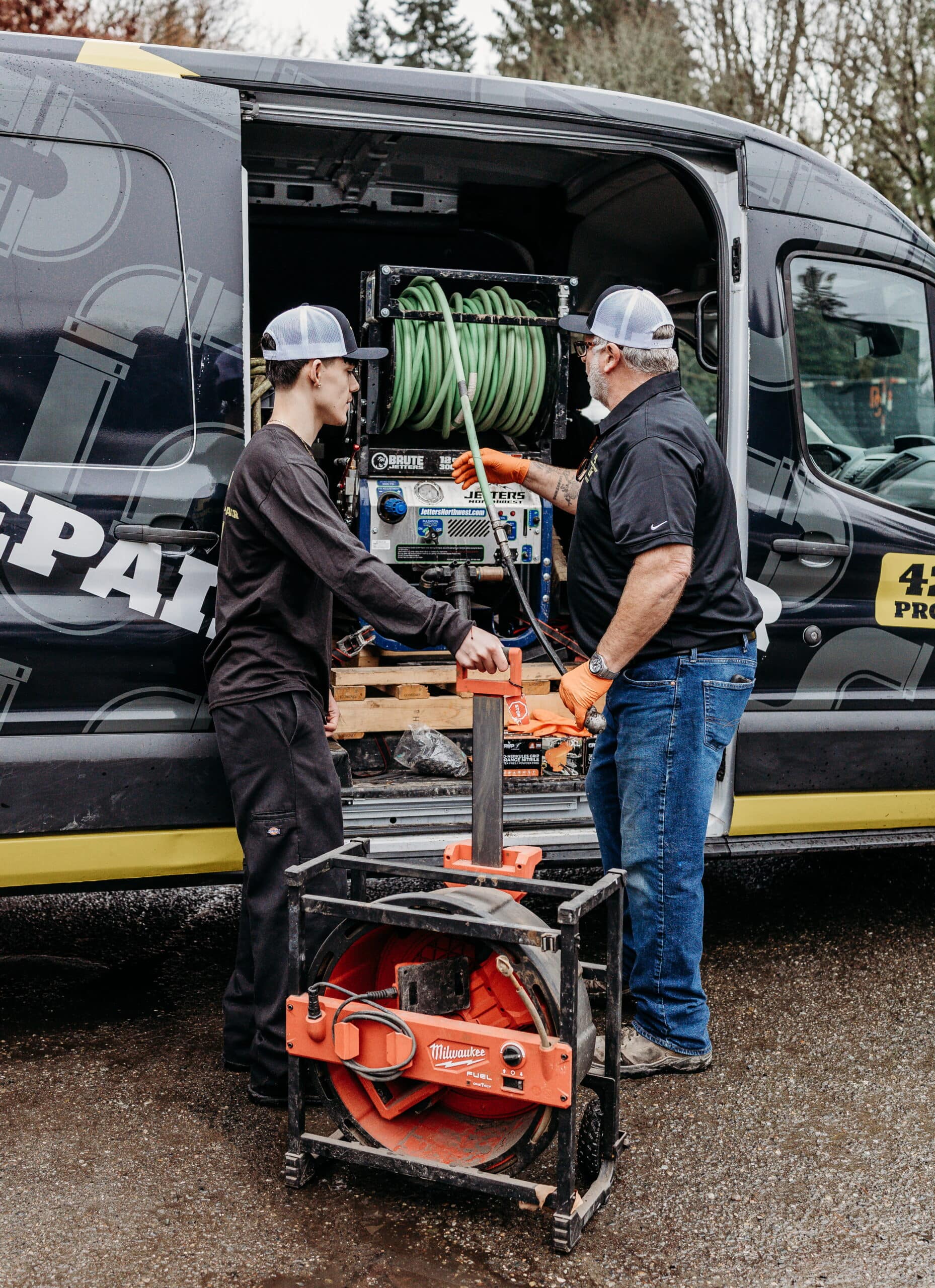
Hydro jetting uses high-pressure water to clean sewer lines thoroughly. A specialized machine pumps water through a hose at pressures between 3,000 and 4,000 PSI. The water blasts away grease, tree roots, mineral buildup, and other debris stuck to your pipe walls.
This method works well for tough clogs that other tools cannot remove. The high-pressure stream cuts through blockages and flushes everything down the line. Hydro jetting also cleans the entire pipe, not just creates a small hole through the clog.
Your plumber inserts the hose into your sewer line through a cleanout or other access point. The water jet moves forward while special nozzles spray water in all directions. This cleans the full diameter of your pipe and leaves it almost like new.
Drain snaking for clearing stubborn blockages
Drain snaking uses a long, flexible metal cable to break up clogs in your sewer line. The cable has a cutting head or auger attached to the end. A motor spins the cable while a technician feeds it through your pipe.
The rotating head breaks through blockages made of paper, waste, and soft materials. It works well for basic clogs located within 100 feet of your cleanout. Snaking costs less than hydro jetting and provides a quick solution for simple problems.
Professional plumbers use different cable sizes and cutting heads based on your pipe diameter and clog type. Small cables work for standard drains while larger ones handle main sewer lines. The cable pulls back debris or breaks it into pieces that can flow through your system.
Video camera inspections to identify pipe issues
Video inspections let plumbers see inside your sewer line without digging. A waterproof camera attached to a flexible cable travels through your pipes. The camera sends live video to a monitor above ground.
This technology helps locate the exact position and cause of blockages. Plumbers can identify tree root intrusion, collapsed pipes, bellied sections, or offset joints. The camera also measures the depth of your line and shows its overall condition.
Common issues found during video inspections:
- Cracks or breaks in pipe material
- Tree root penetration
- Grease buildup on pipe walls
- Foreign objects stuck in the line
- Corrosion or deterioration
You receive a recording of the inspection for your records. This helps you understand what repairs you need and plan for future maintenance.
Preventive cleaning to maintain sewer flow
Preventive cleaning keeps your sewer line working before major problems develop. Regular maintenance removes small buildups of grease, soap, and debris that accumulate over time. Most homes benefit from professional cleaning every 18 to 24 months.
Scheduled cleaning costs less than emergency repairs. It extends the life of your pipes by preventing corrosion and damage from standing water. You avoid backups, slow drains, and unpleasant odors in your home.
Professional sewer line cleaning during preventive visits typically includes a camera inspection first. This shows any trouble spots that need attention. The technician then uses the appropriate cleaning method based on what the camera reveals. Your plumber may recommend more frequent service if you have older pipes or large trees near your sewer line.
Benefits of hiring professional sewer line cleaning contractors
Professional contractors bring specialized equipment and training that makes sewer line maintenance safer and more reliable. Their services help you avoid emergency repairs and keep your plumbing system working properly for years.
Faster and more effective drain clearing
Professional sewer pipe cleaning contractors use advanced tools that remove blockages much quicker than store-bought solutions. They have access to hydro-jetting equipment that uses high-pressure water streams to blast through stubborn clogs, tree roots, and built-up grease. This method cleans the entire pipe diameter, not just creating a small hole through the blockage.
A trained contractor can also use video inspection cameras to find the exact location and cause of your drain problems. This means they target the right spot instead of guessing where the issue might be.
Most professional cleaning jobs take just a few hours to complete. You won’t waste days trying different methods or products that might not work.
Preventing future sewer backups
Regular professional cleaning stops problems before they become emergencies. Contractors remove debris and buildup that gradually narrows your pipes over time. This prevents the sudden backups that can flood your basement or yard.
Professional services also identify potential weak spots in your sewer system. They can spot tree root intrusions, pipe cracks, or areas where grease accumulates before these turn into major blockages.
When you schedule routine maintenance with contractors, you reduce the chances of overflow by keeping your lines clear. Clean pipes mean wastewater flows away from your property as designed.
Many professionals recommend cleaning every 18 to 22 months depending on your usage and pipe condition. This schedule keeps your system running smoothly between visits.
Extending the lifespan of sewer pipes
Professional cleaning removes corrosive materials that eat away at your pipes. According to the U.S. Environmental Protection Agency, microbial conversion of hydrogen sulfide into sulfuric acid on pipe surfaces is a major driver of concrete and metal deterioration in wastewater systems and can dramatically shorten pipe service life if buildup is left unchecked. Regular removal of these substances helps your sewer lines last longer.
Hydro-jetting performed by trained contractors actually conditions your pipes by removing scale and buildup. This process restores pipes closer to their original diameter and smooth interior surface.
Proper maintenance can add 10 to 15 years to your sewer system’s life. This delays the need for expensive pipe replacement projects that can cost thousands of dollars.
Contractors also avoid the harsh chemical drain cleaners that homeowners sometimes use. These chemicals can weaken pipes over time, while professional methods clean without causing damage.
Protecting your property from water damage
Sewer backups can cause extensive damage to your home’s foundation, flooring, and walls. Professional cleaning prevents the overflows that lead to water seeping into areas where it doesn’t belong.
When sewage backs up into your home, it creates health hazards and requires costly cleanup. The contaminated water damages drywall, carpets, and personal belongings. Professional maintenance keeps wastewater flowing away from your living spaces.
Your landscaping also stays protected when contractors maintain proper drainage. Blocked sewer lines can cause sewage to surface in your yard, killing grass and plants while creating unsanitary conditions.
Insurance claims for water damage average several thousand dollars in repairs. Regular professional cleaning costs much less than fixing flood damage from a preventable backup.
When homeowners should schedule sewer line cleaning
Knowing when to call a sewer drain cleaning service can save you from expensive repairs and messy situations. Signs like slow drains, backups, and bad smells tell you when action is needed, but regular maintenance prevents these problems before they start.
Slow drains throughout the house
When multiple drains in your home empty slowly at the same time, this points to a blockage in your main sewer line. A single slow drain usually means a local clog in that fixture. However, if your kitchen sink, bathroom drains, and shower all drain slowly, the problem sits deeper in your system.
You might notice water backing up in one fixture when you use another. For example, flushing the toilet causes water to bubble up in your shower drain. This happens because the blockage prevents water from flowing freely through your sewer line.
Warning signs include:
- Water taking several minutes to drain from sinks or tubs
- Multiple fixtures draining slowly on the same day
- Water pooling around floor drains
These symptoms mean you need a sewer drain cleaning service soon. The longer you wait, the worse the blockage becomes. Complete clogs can cause sewage backups into your home.
Frequent sewer backups or gurgling sounds
Sewage backing up into your home is a clear emergency that requires immediate professional help. Even small backups signal serious problems in your sewer line that need attention right away.
Gurgling sounds from your drains or toilet indicate air trapped in your pipes. When water tries to flow past a blockage, it pushes air back through your plumbing system. You might hear these sounds when running water or flushing toilets.
Regular backups mean your sewer line has a persistent problem. Tree roots, grease buildup, or damaged pipes could be blocking the flow. Each backup risks exposing your family to harmful bacteria and causing water damage to your property.
Foul odors coming from drains
Your sewer system should contain all odors within sealed pipes. When you smell sewage or rotten eggs near drains, the system is not working properly.
These smells indicate a crack in your pipes, a dried-out P-trap, or a blockage forcing sewer gases back into your home. According to the U.S. Occupational Safety and Health Administration, hydrogen sulfide at low concentrations produces a strong rotten-egg odor and irritates the eyes, nose, and throat, while moderate exposure can cause headaches, nausea, and breathing difficulty, and higher concentrations can quickly become life-threatening.
Fresh sewage smells near floor drains, toilets, or outdoor cleanouts point to recent backups or standing water in your lines. Don’t ignore these warning signs. Schedule a professional inspection and cleaning to locate the source.
Routine preventive plumbing maintenance
Most homes should schedule professional sewer line cleaning every 18 to 24 months. This prevents buildup before it causes problems. Regular cleaning costs less than emergency repairs for burst pipes or severe backups.
Your home might need more frequent cleaning based on specific factors. Older properties with aging pipes accumulate buildup faster. Large families put more strain on plumbing systems through daily use.
Factors that affect cleaning frequency:
- Trees growing near your sewer lines (roots invade pipes)
- Hard water causing mineral deposits
- Frequent disposal of grease or food waste
- Age and material of your pipes
Homes with these risk factors benefit from annual cleanings. Preventive maintenance extends the life of your plumbing system and catches small issues before they become expensive emergencies. A professional can recommend the right schedule based on your specific situation.
Conclusion
Taking care of your sewer lines is not optional. It’s a necessary part of maintaining your home or business. Regular cleaning prevents blockages and keeps your plumbing system running smoothly.
When you ignore your sewer lines, you risk expensive repairs down the road. Clogs don’t just cause inconvenience. They can lead to sewage backups, property damage, and health hazards.
You should schedule regular maintenance instead of waiting for a crisis. Most experts recommend having your sewer lines inspected and cleaned every 18 to 22 months. Properties with older pipes or large trees nearby may need more frequent service.
Working with experienced technicians gives you access to professional tools like hydro jetting and video cameras. These tools clean your lines thoroughly and help spot potential issues before they become major problems.
Your sewer system works hard every day to remove waste from your property. Give it the attention it deserves through regular professional cleaning. This simple step protects your investment and keeps your plumbing functioning properly for years to come. To put a routine cleaning schedule in place before the next backup, book an appointment with Pro Sewer Repair and keep your sewer line flowing the way it should.