
Sewer jetting services have become the standard solution for clogs that refuse to respond to a plunger, a store-bought cleaner, or even a standard drain snake. The reason is simple: no other method reaches the entire interior of your pipes and removes years of buildup in a single pass.
Clogged drains and slow-moving sewage lines can quickly turn into expensive emergencies if left untreated. When snaking a drain doesn’t solve the problem, you need a more powerful solution.
Sewer jetting is a professional cleaning method that uses high-pressure water streams to blast away blockages and buildup inside your pipes. This process can remove grease, tree roots, mineral deposits, and other debris that regular drain cleaning can’t handle. It’s one of the most effective ways to restore full flow to your sewer and drain lines.
Understanding how sewer jetting works and when you need it can help you avoid costly repairs and keep your plumbing system running smoothly. This service offers both immediate relief from stubborn clogs and long-term benefits for your home’s plumbing health.
Here’s what you’ll find inside:
- What sewer jetting is and how it works
- Common sewer problems that require jetting services
- Professional sewer jetting process used by plumbing experts
- Benefits of hiring professional sewer jetting contractors
- When to schedule sewer jetting services
Keep reading to learn when jetting is the right call, how the process actually unfolds, and how to get lasting results instead of another short-term fix.
What sewer jetting is and how it works
Sewer jetting uses high-pressure water to blast away blockages and buildup inside drain and sewer pipes. This cleaning method has become a go-to solution for plumbers because it’s powerful, efficient, and safe for most pipe systems.
How high-pressure water clears sewer line blockages
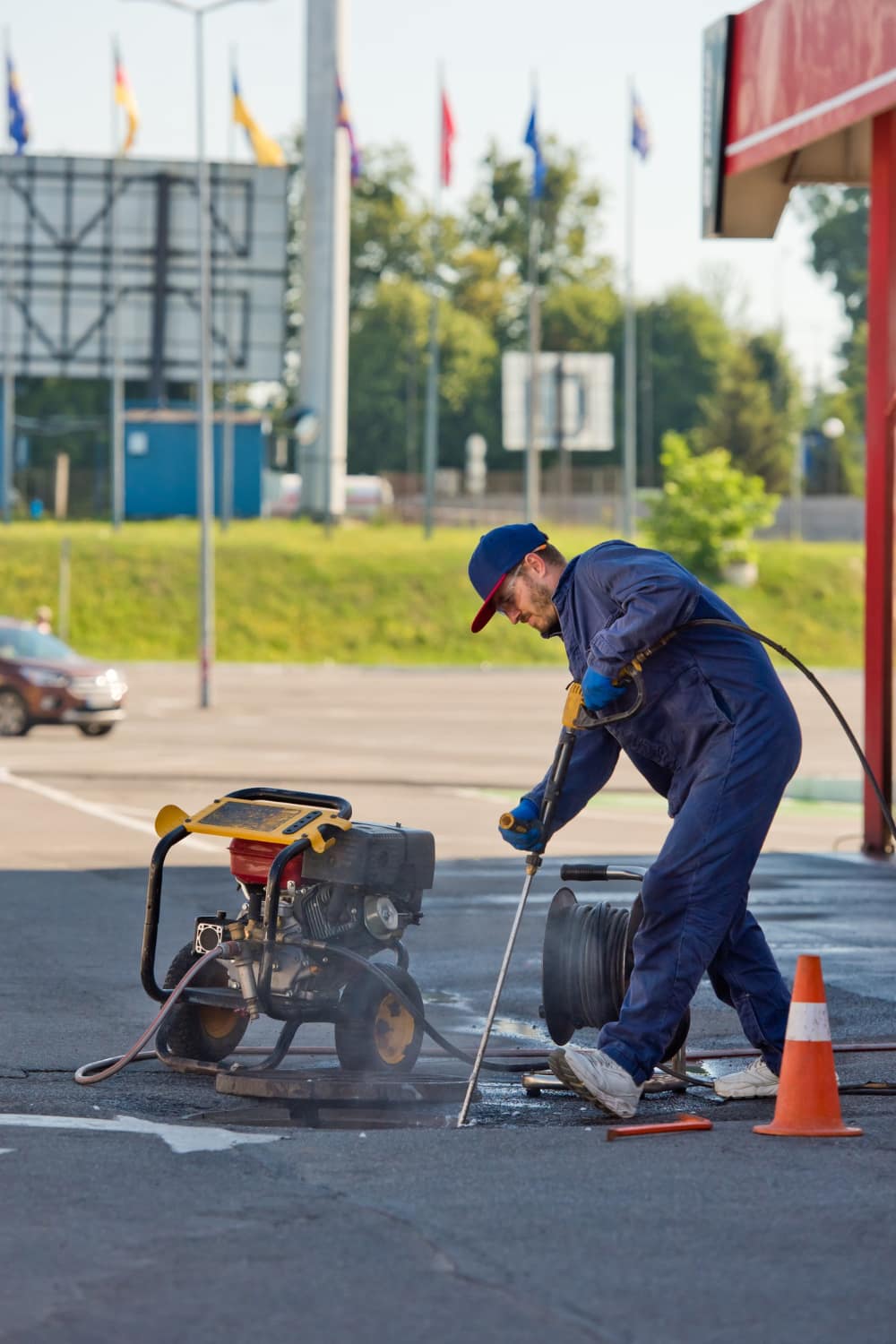
High pressure sewer jetting works by shooting water through specialized nozzles at pressures strong enough to break apart stubborn clogs. The equipment includes a high-pressure pump, reinforced hoses, and different nozzle types designed for specific blockage problems.
When plumbers perform sewer jetting, they insert the hose into your pipe through an access point. The water pressure can reach thousands of pounds per square inch, creating streams that cut through grease, tree roots, mineral deposits, and other debris.
The nozzles have jets that spray in multiple directions. Forward-facing jets break up blockages ahead, while rear-facing jets propel the hose deeper into the pipe and wash debris back toward the entry point.
Plumbers adjust the pressure and nozzle type based on your pipe size and the blockage severity. Different materials require different pressure levels to avoid damage while still removing the clog completely.
The difference between hydro jetting and drain snaking
Drain snaking uses a cable with a blade or auger on the end to physically break through clogs. The snake punches a hole in the blockage to restore water flow, but it often leaves debris stuck to pipe walls.
Hydro jetting removes the entire blockage plus any buildup coating the inside of your pipes. It scrubs the pipe walls clean instead of just creating a path through the clog.
Snaking works well for simple clogs like hair or paper products in smaller drain lines. However, it can’t handle hard buildup or thoroughly clean pipe interiors. Jetting provides a more complete cleaning that lasts longer.
Why jetting is effective for tough sewer line buildup
Grease, soap scum, and mineral deposits create hard layers inside pipes that drain snakes can’t fully remove. According to the U.S. Environmental Protection Agency, fats, oils, and grease poured down drains cool and congeal on the inside of sewer pipes, where they build up over time and are a leading cause of sewer line blockages and sanitary sewer overflows in collection systems across the country. High pressure sewer jetting breaks down these stubborn materials and flushes them out of your system.
Tree roots that invade sewer lines need serious cutting power to remove. Jetting nozzles with rotating heads can slice through root masses and clear them from your pipes.
The water pressure also removes scale and rust without harming the pipe material itself. This thorough cleaning helps prevent future clogs from forming as quickly. Your pipes stay clearer for longer periods compared to other cleaning methods.
When sewer jetting is the best cleaning option
You need sewer jetting when you have recurring clogs that keep coming back after snaking. This usually means buildup has accumulated on your pipe walls that needs complete removal.
Slow drains throughout your home often signal widespread buildup in your main sewer line. Jetting can clear the entire line in one service call.
Before camera inspections, plumbers may use jetting to clean pipes so they can see the true condition of your lines. It’s also the best choice for preventive maintenance to keep commercial kitchens and restaurants compliant with health codes.
However, jetting isn’t right for every situation. Older pipes with cracks or severe damage might not withstand the water pressure. Your plumber should inspect your line condition first to determine if jetting is safe for your specific system.
Common sewer problems that require jetting services
Sewer jetting services address specific plumbing issues that standard drain cleaning methods cannot handle. Grease buildup, tree roots, heavy debris, and recurring backups are the main problems that need the high-pressure water cleaning power of hydro jetting.
Grease and soap buildup in sewer pipes
Grease and soap create stubborn blockages in your sewer pipes over time. When you pour hot grease down your drain, it cools quickly once it enters the pipes beneath your sink. The grease then hardens and sticks to the pipe walls.
Soap combines with minerals in your water to form a thick residue called soap scum. This buildup narrows your pipes and restricts water flow.
Standard drain snakes cannot remove these sticky substances from pipe walls. Hydro jetting sewer service uses high-pressure water to blast away the entire layer of grease and soap. The water pressure completely washes away these materials instead of just poking a hole through them.
You might notice slow drains in your kitchen or bathroom sinks when grease and soap buildup becomes severe. Multiple drains backing up at once is another sign that grease has coated a large section of your main sewer line.
Tree root intrusions blocking sewer lines
Tree roots grow into sewer lines through small cracks or joints in the pipes. Roots seek out the water and nutrients inside your sewer system. Once inside, they expand and create major blockages.
Root intrusions cause some of the most serious sewer line problems. The roots form dense masses that trap other debris and completely block water flow.
Hydro jetting sewer service can blast away root systems that have formed inside your pipes. The high-pressure water cuts through the roots and flushes them out of the line. This process quickly restores full flow to your sewer system. For long-term protection, many homeowners pair jetting with sewer lining that keeps roots out for decades.
You need professional hydro jetting when you have large trees near your sewer lines and notice frequent clogs or gurgling sounds from your drains. Root problems often appear in older homes with clay or concrete pipes that have developed small cracks over time.
Heavy debris and sludge accumulation
Your sewer lines collect various types of debris over months and years of use. Toilet paper, hair, food particles, and other waste materials build up as sludge along the bottom of pipes. This sludge layer grows thicker and reduces the available space for water to flow through your system.
Sand, dirt, and sediment also wash into sewer lines through various entry points. Heavy accumulation of these materials creates blockages that standard cleaning methods cannot remove effectively.
Hydro jetting provides the force needed to break up and flush out heavy debris. The pressurized water scours the entire interior surface of your pipes and pushes all accumulated material out of the system.
Signs of heavy debris buildup include multiple slow drains throughout your home and foul odors coming from your drains. You might also hear unusual sounds from your plumbing when water drains.
Recurring drain and sewer backups
Recurring clogs indicate a deeper problem in your sewer system that needs complete cleaning. When you experience the same backup in the same location multiple times, standard drain clearing only provides temporary relief.
Frequent backups mean buildup has coated your pipe walls or a partial blockage keeps reforming. Chemical drain cleaners and basic snaking cannot remove the underlying cause of these repeat problems.
Hydro jetting sewer service addresses recurring issues by thoroughly cleaning the entire pipe interior. The high-pressure water removes all buildup and blockages in one treatment. This complete cleaning prevents the same clog from coming back quickly.
Water backing up into your bathtub, toilet, or floor drains requires immediate attention. When you notice backups happening more often despite repeated drain cleaning attempts, you need the more powerful solution that hydro jetting provides.
Professional sewer jetting process used by plumbing experts
Professional plumbers follow a specific series of steps when performing sewer line hydro jetting service. This process ensures thorough cleaning while protecting your pipes from damage.
Initial sewer camera inspection to locate blockages
Before starting any jetting work, plumbers insert a special waterproof camera into your sewer line. This camera sends live video back to a monitor, showing the exact location and type of blockage in your pipes. The inspection reveals whether you’re dealing with grease buildup, tree roots, mineral deposits, or other debris.
This step helps the plumber choose the right jetting pressure and nozzle for your specific problem. Different blockages need different approaches. For example, tree roots require more pressure than grease buildup.
The camera also checks for cracks, breaks, or collapsed sections in your pipes. If your sewer line has serious damage, jetting might not be the right solution. The plumber can spot these issues before starting work and recommend repairs if needed.
Inserting high-pressure jetting equipment
The plumber feeds a specialized hose into your sewer line through a cleanout access point or existing opening. This hose is built to handle water pressures between 3,000 and 8,000 PSI depending on your needs. A special nozzle attaches to the end of the hose.
The nozzle design matters for effective cleaning. Most nozzles spray water backward and to the sides, which pulls the hose forward through the pipe while scrubbing the walls clean. The plumber selects different nozzle types based on what the camera inspection revealed.
Once the equipment is in place, the plumber slowly guides the hose through your sewer line. The process starts at a lower pressure to test the system before ramping up to full strength.
Flushing debris and buildup from sewer pipes
High-pressure water streams blast away accumulated waste, grease, soap scum, and mineral scale from the inside of your pipes. The force of the water breaks apart blockages and scours the pipe walls completely clean. This is different from traditional snaking, which only pokes holes through clogs.
The water pressure cuts through tough obstructions like small tree roots and hardened debris. As the jetting nozzle moves through your sewer line, it removes buildup that has accumulated over months or years. All the loosened debris flows out of your system through the normal sewer exit.
The plumber works methodically through each section of pipe. This thorough approach restores your pipes to nearly their original diameter and flow capacity.
Final system check to confirm proper drainage
After jetting is complete, the plumber performs another camera inspection of your sewer line. This confirms that all blockages are removed and your pipes are clean. The camera check also verifies that the jetting process didn’t damage your pipes.
The plumber then runs water through your system to test drainage speed and performance. You should notice a significant improvement in how quickly water flows through your drains and toilets. Proper drainage means the jetting service successfully cleared your sewer line.
The plumber provides you with before and after video footage from both camera inspections. This documentation shows exactly what was removed from your pipes and confirms the quality of the cleaning work.
Benefits of hiring professional sewer jetting contractors
Professional contractors bring specialized equipment and expertise that ensures your sewer lines receive proper care. Their training and tools deliver results that protect your plumbing system for years to come.
Thorough cleaning of entire sewer pipe interior
Professional sewer jet cleaning removes all types of buildup from your pipes. The high-pressure water streams reach every surface inside your sewer lines, eliminating grease, sludge, mineral deposits, and debris that accumulate over time.
This method cleans more effectively than traditional approaches. The pressurized water scours the entire interior surface of your pipes, not just the area around a clog. Tree roots, scale buildup, and hardened materials get completely removed.
Your pipes return to their original flow capacity after professional jetting. Standard drain cleaning only creates a hole through blockages, leaving residue on pipe walls. Professional contractors clear everything, restoring your sewer lines to near-new condition.
Preventing future blockages and backups
Regular professional jetting keeps your sewer lines clear before problems develop. By removing buildup before it causes blockages, you avoid emergency plumbing situations and the damage they cause.
Clean pipes resist new clogs and backups. When residue gets removed from your sewer line walls, there are fewer surfaces for new debris to attach to and accumulate on.
You gain peace of mind knowing your system works properly. Professional maintenance prevents the stress of unexpected sewage backups in your home or business. Your plumbing continues functioning normally without interruption.
Safe and efficient cleaning technology
Professional contractors use equipment designed specifically for sewer cleaning. Their jetting machines deliver precise water pressure levels that clean thoroughly without damaging your pipes. They adjust pressure based on your pipe material and condition.
The process requires no harsh chemicals. High-pressure water handles the cleaning work naturally, making it safer for your plumbing system and the environment. According to the U.S. Geological Survey, household chemicals discharged into wastewater can persist through treatment and reach surface water and groundwater, where they may affect aquatic ecosystems and overall water quality.
Trained technicians operate the equipment safely. They inspect your lines first, identify potential issues, and use the correct techniques for your specific situation. Their experience prevents mistakes that could damage your pipes or create new problems.
Extending the lifespan of sewer infrastructure
Professional jetting protects your pipes from premature failure. Regular removal of corrosive materials and buildup prevents deterioration that shortens pipe life. Your sewer system remains structurally sound longer.
You save money by avoiding expensive replacements. Pipes that receive professional maintenance last significantly longer than neglected ones. The cost of regular jetting is much lower than replacing damaged sewer lines.
Your entire plumbing system benefits from clean sewer lines. When your main sewer lines flow freely, less stress affects the connected pipes throughout your property. This reduces wear on your complete plumbing infrastructure.
When to schedule sewer jetting services
Sewer jetting becomes necessary when you notice specific warning signs in your plumbing system or as part of regular maintenance. Understanding these indicators helps you address problems before they turn into expensive emergencies.
Slow drains throughout multiple fixtures
When water drains slowly from multiple sinks, showers, or toilets in your home, this signals a problem in your main sewer line. A single slow drain usually means a local blockage, but multiple fixtures draining poorly at the same time points to a deeper issue.
Your main sewer line may have buildup from grease, soap scum, hair, or mineral deposits that restricts water flow. Tree roots can also invade pipes through small cracks and create serious blockages.
Common signs include:
- Water backing up in other fixtures when you use one
- Gurgling sounds from drains when water flows
- Standing water in multiple fixtures that takes hours to drain
Residential sewer jetting service can clear these blockages completely by using high-pressure water to remove all debris from your pipes.
Frequent sewer line blockages
If you need to call a plumber every few months to clear the same clog, your sewer line needs a thorough cleaning. Temporary fixes like snaking only poke holes through blockages instead of removing them entirely.
Recurring blockages mean buildup has accumulated on your pipe walls over time. Each time you snake the line, debris gets pushed aside but remains attached to the pipes. This leftover material quickly attracts more waste and reforms the clog.
Sewer jetting removes all buildup from pipe walls, leaving them clean. This prevents quick re-clogging and gives you long-lasting results. You should schedule jetting service when you experience three or more blockages in a single year.
Foul odors coming from household drains
Strong sewage smells coming from your drains indicate trapped waste in your sewer line. Fresh, flowing water should not produce persistent odors in a properly functioning system.
These smells develop when organic matter sticks to pipe walls and begins to decompose. Bacteria feeding on this waste create gases that travel back up through your drains. According to the U.S. Occupational Safety and Health Administration, hydrogen sulfide at low concentrations produces a strong rotten-egg odor and irritates the eyes, nose, and throat, while moderate levels can cause headaches, nausea, and breathing difficulty, and higher concentrations can quickly become life-threatening.
Regular drain cleaners cannot reach deep clogs or remove the layers of waste causing these smells. Sewer jetting blasts away all organic material, eliminating the source of odors completely.
Preventive maintenance for sewer systems
Scheduling regular sewer jetting prevents problems before they start. Most homes benefit from professional cleaning every 18 to 24 months, depending on usage patterns and pipe conditions.
Older homes with mature trees nearby need more frequent service because roots constantly seek water sources. Homes with large families that generate more wastewater should also schedule jetting more often.
Factors that require more frequent maintenance:
- Properties with trees planted near sewer lines
- Homes built before 1980 with clay or cast iron pipes
- Households with five or more people
- Homes that have experienced previous sewer backups
Late spring and early fall provide the best weather conditions for residential sewer jetting service. Moderate temperatures reduce the risk of frozen pipes or extreme heat affecting the service quality.
Conclusion
Sewer jetting offers a proven way to keep your drainage system working properly. This method uses high-pressure water to remove blockages, tree roots, and built-up debris without harsh chemicals or extensive digging.
You get several key benefits when you choose this service. The cleaning reaches deep into your pipes and lasts longer than traditional methods. Your system becomes less likely to develop clogs again in the near future.
The process saves you money over time by stopping major problems before they start. Regular maintenance through jetting keeps your sewer lines in good shape.
You should work with qualified technicians who have the right equipment and training. They can check if your system is ready for hydro jetting and handle any needed repairs first.
This service makes sense whether you own your home long-term or need a quick fix for current drainage issues. Professional sewer maintenance companies can help you decide on the best schedule for your property’s needs. For jetting service performed by a trusted local team that treats your pipes right the first time, book your appointment with Pro Sewer Repair and restore full flow to your sewer system today.