

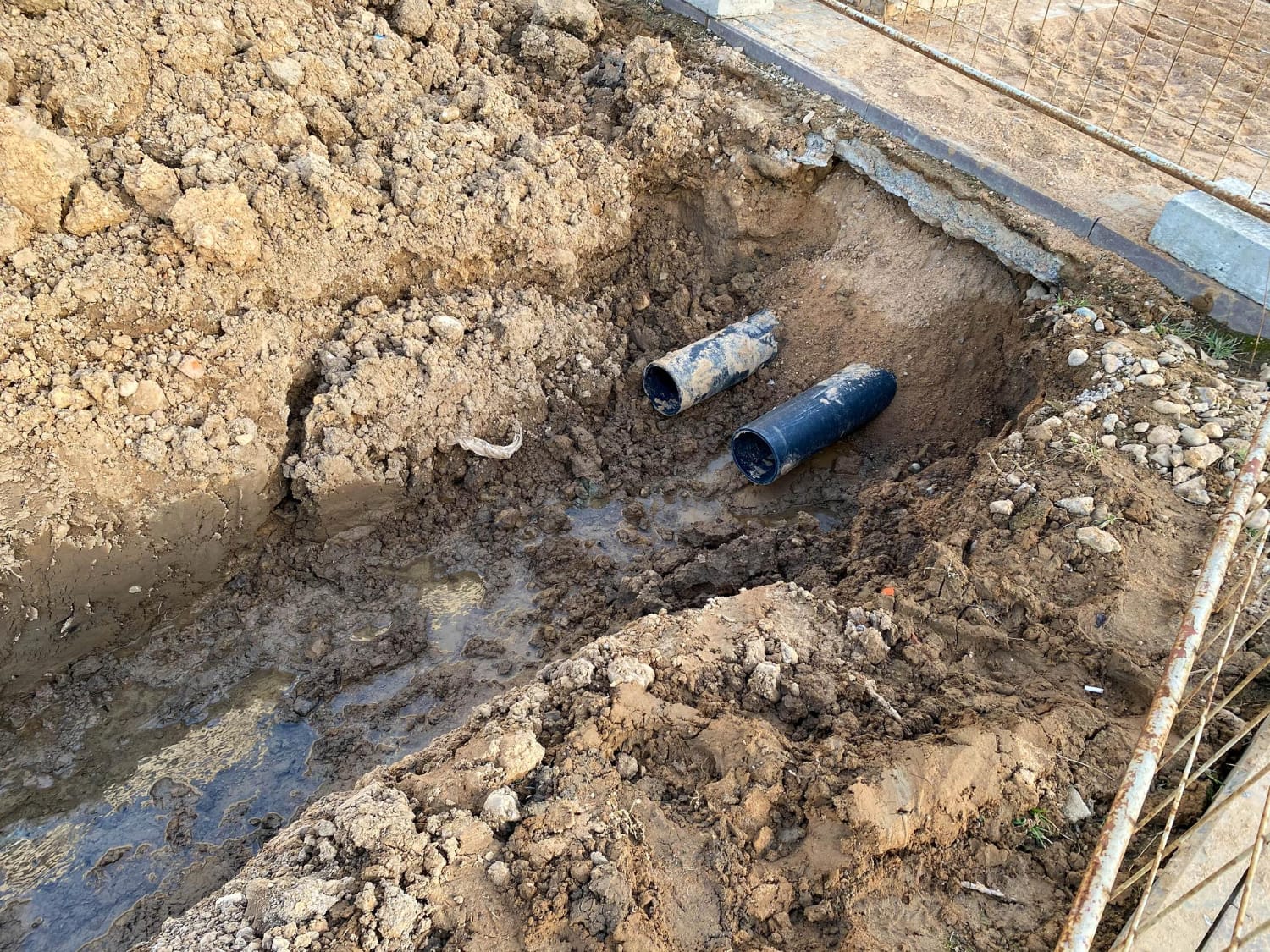
A broken sewer pipe in WA is one of those problems that never gets smaller on its own. What starts as a minor crack underground quickly turns into wet patches, foul odors, and sewage in places it should never be, which is why catching the damage early matters so much for Washington homeowners.
A broken sewer pipe can cause serious damage to your Washington home if you don’t address it quickly. Water damage, unpleasant odors, and health risks are just some of the problems that come with damaged sewer lines. Many homeowners in Washington deal with these issues due to old pipes, tree roots, or ground shifting.
Professional plumbers in Washington can repair or replace broken sewer pipes using modern methods that often don’t require digging up your entire yard. The cost and time needed for repairs depend on how bad the damage is and which repair method works best for your situation. Same-day service is available from many local plumbing companies across the state.
Understanding what causes sewer pipe damage and knowing the warning signs can help you catch problems early. This article will explain how to spot a broken sewer pipe, what repair options are available in Washington, and when you should call a professional plumber for help.
Here’s what you’ll find inside:
- What causes broken sewer pipes in Washington homes
- Warning signs of a broken sewer pipe
- Professional methods for diagnosing sewer pipe damage
- Sewer pipe repair solutions available in WA
- When homeowners should call sewer repair professionals
Keep reading to learn how to catch the damage early, pick the right repair method, and avoid the costly cleanup that follows a sewer line failure.
What causes broken sewer pipes in Washington homes
Washington homeowners face several specific threats to their underground sewer systems. Heavy rainfall, clay-rich soil, and mature trees create conditions that put extra stress on buried pipes.
Tree root intrusion in underground sewer lines
Tree roots cause significant damage to sewer pipes throughout Washington. Roots naturally seek out water sources, and small cracks or joints in your sewer line release moisture that attracts them.
Once roots find a weak spot, they grow into the pipe through tiny openings. According to the U.S. Environmental Protection Agency, homeowners should keep trees and woody shrubs away from wastewater system components because roots naturally grow toward the moisture and nutrients inside pipes and can quickly damage buried lines. This growth creates blockages and can split pipes completely.
Common trees that damage sewer lines in Washington:
- Willow trees
- Maple trees
- Poplar trees
- Birch trees
- Elm trees
Older neighborhoods with mature trees face higher risks because root systems extend far beyond the tree canopy. A tree 50 feet from your house can still reach your sewer line with its roots. Clay pipes and older cement pipes are especially vulnerable because their joints separate more easily than modern materials.
Aging sewer pipe materials and corrosion
Many Washington homes built before 1980 have sewer pipes made from materials that deteriorate over time. Clay, cast iron, and Orangeburg pipes break down after decades of use.
Cast iron pipes corrode from the inside due to hydrogen sulfide gas produced by waste. This corrosion weakens the pipe walls until they crack or collapse. The process accelerates in areas with acidic soil, which is common in Western Washington.
Clay pipes become brittle with age and crack under pressure from soil movement or tree roots. Orangeburg pipes, made from wood pulp and tar, were used from the 1940s through 1970s and typically last only 30-50 years before they collapse.
Average lifespan of sewer pipe materials:
- Orangeburg: 30-50 years
- Clay: 50-60 years
- Cast Iron: 50-75 years
- PVC: 100+ years
Soil shifting and ground movement
Washington’s soil conditions create ongoing pressure on buried sewer pipes. The state’s heavy rainfall causes soil to expand when wet and contract when dry, which shifts pipes out of alignment.
Clay soil, prevalent in many Washington areas, expands more than other soil types. This expansion pushes against your pipes from all sides. When the soil dries and contracts, it leaves gaps that allow pipes to settle unevenly.
According to the U.S. Geological Survey, the Pacific Northwest sits in a seismically active region with hazards ranging from shallow crustal earthquakes to deep intraslab events and the Cascadia Subduction Zone, all of which can produce ground shaking that damages underground infrastructure. Even small ground movements can crack rigid pipes or separate joints. Hillside properties face additional risks from soil creep, where gravity slowly pulls soil downward and drags pipes with it.
Heavy pressure from construction or traffic
Weight from above ground damages sewer pipes that lack proper protection. Construction equipment, heavy vehicles, and new building projects put stress on buried lines.
Your sewer lateral typically runs under your yard, driveway, or street. Pipes buried less than four feet deep are vulnerable to damage from heavy loads passing overhead. Contractors who excavate near your property line can accidentally strike or crush your sewer pipe.
Street work and utility installations create vibrations that crack aging pipes. New construction that adds weight to the soil above your line can compress pipes until they collapse. Improperly backfilled trenches leave pipes without adequate support, making them more likely to break under pressure.
Warning signs of a broken sewer pipe
A broken sewer pipe creates specific problems you can spot before the damage gets worse. These signs often show up in your drains, around your yard, or through strong odors near your home.
Sewage backups in toilets or drains
When sewage backs up into your toilets or drains, it means wastewater can’t flow properly through your sewer line. You might see dirty water coming up through floor drains, shower drains, or your toilet when you flush.
This happens because a crack or break in your sewer pipe blocks the normal flow of waste. The sewage has nowhere to go, so it pushes back into your home through the lowest drains.
Multiple fixtures backing up at the same time is a strong sign of a broken main sewer line. If only one drain backs up, the problem might be a simple clog. But when your toilet, shower, and sink all have issues together, the main sewer pipe is likely damaged.
Don’t ignore sewage backups. They expose your family to harmful bacteria and can cause serious water damage to your floors and walls.
Persistent sewer odors around the property
A working sewer line keeps all waste sealed inside the pipes. When you smell sewer gas around your property, it means the pipe has cracks or breaks that let odors escape.
These smells are often strongest near drain openings, in your basement, or in specific areas of your yard. The odor smells like rotten eggs or sewage and doesn’t go away with normal cleaning.
According to the U.S. Occupational Safety and Health Administration, hydrogen sulfide at low concentrations irritates the eyes, nose, and throat, while moderate exposure can cause headaches, nausea, and breathing difficulty, and higher concentrations can quickly become life-threatening. The smell also means raw sewage is leaking into the ground around your home.
You might notice the odor gets stronger after heavy rain or when you use a lot of water. This happens because more wastewater flows through the broken pipe and more gas escapes through the cracks.
Wet or sunken areas in the yard
Broken sewer pipes leak wastewater into the soil around them. This creates wet spots in your yard that stay damp even when it hasn’t rained.
The grass might look extra green and grow faster in these spots because sewage acts like fertilizer. You might also see patches of grass that are unusually lush compared to the rest of your lawn.
Over time, the ground above a broken pipe can sink or become soft. This happens because the leaking water washes away soil and creates empty spaces underground. Walking on these areas might feel spongy or unstable.
Sometimes you’ll notice small puddles that form for no clear reason. These puddles often appear along the path of your sewer line, which usually runs from your house to the street or septic tank.
Multiple slow drains inside the home
When several drains in your house empty slowly at the same time, your main sewer line probably has a problem. A single slow drain usually means a local clog, but multiple slow drains point to a bigger issue.
You might notice your kitchen sink, bathroom sink, and bathtub all drain slower than normal. The water sits in the basin longer before it finally goes down. This happens because the broken sewer pipe can’t handle the full flow of wastewater from your home.
The problem often gets worse over time as more debris catches on the damaged part of the pipe. What starts as slightly slow drainage can turn into complete backups if you don’t fix the broken pipe.
Pay attention to gurgling sounds from your drains when water goes down. These noises mean air is trapped in the pipes because wastewater can’t flow smoothly through the damaged section.
Professional methods for diagnosing sewer pipe damage
Professional plumbers use several proven diagnostic methods to identify problems in your sewer system. These techniques help locate damage, measure its severity, and guide the best repair approach for your situation.
Sewer camera inspection for accurate pipe assessment
A sewer camera inspection involves inserting a waterproof camera attached to a flexible cable into your sewer line. The camera transmits real-time video footage to a monitor above ground, allowing the plumber to see inside your pipes without any digging.
This method reveals the exact location and nature of problems like cracks, breaks, root intrusion, and blockages. The camera also shows the pipe material, diameter, and overall condition throughout the entire line.
Most modern camera systems include distance tracking and recording capabilities. Your plumber can mark the specific footage where damage occurs, making repairs more precise and efficient. The video recording also provides documentation if you need it for insurance claims or property records.
Leak detection and pipe condition evaluation
Professional leak detection uses specialized equipment to find hidden water or sewage leaks in your underground pipes. Plumbers may use acoustic sensors that detect the sound of water escaping from pressurized pipes, or electronic line locators that trace the pipe path underground.
Moisture meters and infrared cameras help identify areas where sewage may be leaking into the surrounding soil. These tools detect temperature differences and moisture levels that indicate active leaks.
Your plumber will also evaluate the overall pipe condition during this process. They check for signs of corrosion, material degradation, and structural weakness that could lead to future failures. This assessment helps determine whether your residential sewer pipe damage requires a small repair or full replacement.
Locating underground sewer line breaks
Pinpointing the exact location of a break underground requires specialized equipment and experience. Plumbers use electronic pipe locators that send a signal through the line and detect it from above ground. This identifies the precise depth and position of your pipes.
When combined with camera inspection footage, these locators can mark the exact spot where a break or severe damage occurs. Your plumber may spray paint or stake the location in your yard before any excavation begins.
Ground-penetrating radar offers another method for mapping your sewer line layout and identifying anomalies. This technology works well in complex situations where multiple pipes run close together or when the exact pipe path is unknown.
Determining repair or replacement options
After completing the diagnostic process, your plumber analyzes all collected data to recommend the best solution. They consider factors like the extent of damage, pipe age, material type, and number of problem areas.
Minor damage such as small cracks or localized root intrusion typically qualifies for spot repairs or trenchless pipe lining. Extensive damage affecting multiple sections or severely deteriorated pipes usually requires full replacement.
Your plumber should explain the available repair methods for your specific situation:
- Trenchless pipe lining for pipes with stable structure but interior damage
- Pipe bursting for full replacement with minimal digging
- Traditional excavation when access or severe damage requires it
The diagnostic findings also help provide accurate cost estimates based on the actual work needed rather than guesswork.
Sewer pipe repair solutions available in WA
Washington state homeowners have access to several proven repair methods when dealing with broken sewer lines, from quick spot fixes to complete pipe replacement. The right solution depends on the extent of damage, pipe material, and your property’s specific conditions.
Spot repairs for minor pipe breaks
Small cracks or isolated breaks often need only targeted repairs rather than replacing the entire line. A technician can access the damaged section through a small excavation and patch or replace just that portion of pipe. This approach works well for single breaks caused by tree root intrusion or minor settling.
The repair typically involves cutting out the damaged pipe section and installing a new piece with secure couplings. This method costs less than full replacement and gets your sewer system working again quickly. Most spot repairs in Washington state take one to two days to complete depending on the depth of your sewer line and soil conditions.
Trenchless sewer line repair technology
Trenchless methods fix broken sewer lines without digging up your entire yard. Pipe lining involves inserting a resin-coated tube into the existing pipe, which hardens to create a new pipe inside the old one. This solution seals cracks and prevents future root intrusion.
Pipe bursting uses a cone-shaped head to break apart the old pipe while simultaneously pulling new pipe into place. The bursting head fractures the damaged pipe and pushes the pieces into the surrounding soil. This method works for severely damaged lines that need full replacement.
Both trenchless options require only small access points rather than long trenches. They preserve your landscaping, driveways, and other structures above the sewer line. Washington contractors often complete trenchless sewer pipe repair in one to three days.
Full sewer line replacement for severe damage
Extensively damaged pipes require complete removal and replacement. Traditional excavation creates a trench along the entire sewer line path to access and remove the old pipe. Technicians then install new pipe materials like PVC or HDPE that resist corrosion and root damage.
This method makes sense when your sewer line has multiple breaks, extensive corrosion, or collapse. It also works when trenchless options aren’t feasible due to sharp bends in the line or connections to other utilities. Full replacement in Washington state typically costs more upfront but provides a new system that lasts 50 to 100 years.
The project timeline varies based on line length and site conditions. Most residential sewer pipe replacement projects take three to five days including excavation, installation, and restoration of your yard.
Preventive cleaning and maintenance services
Regular maintenance helps you avoid emergency repairs and extends your sewer line’s lifespan. Professional hydro-jetting uses high-pressure water to remove buildup, grease, and small root intrusions before they cause breaks. Most Washington homes benefit from this service every 18 to 24 months.
Video camera inspections let technicians examine your pipe’s interior condition without digging. They identify weak spots, cracks, and blockages early when repairs cost less. Annual inspections make sense if you have older pipes or trees near your sewer line.
Root barriers installed during repairs prevent tree roots from penetrating pipes again. Chemical root treatments dissolve existing intrusions and discourage future growth into your sewer system.
When homeowners should call sewer repair professionals
Homeowners in WA need to act quickly when specific warning signs appear in their plumbing or property. Knowing when to contact professionals can prevent extensive damage and costly repairs.
Sudden drainage failure in the plumbing system
When multiple drains in your home stop working at once, you likely have a serious sewer line problem. A single slow drain usually means a localized clog, but when toilets, sinks, and showers all back up together, the main sewer line is probably blocked or broken.
You should call for emergency sewer repair WA services immediately if water backs up when you flush toilets or run washing machines. This happens because wastewater has nowhere to go when your main sewer pipe is damaged.
Professional plumbers use specialized cameras to inspect the pipe and determine the exact location and cause of the failure. They can diagnose problems like tree root intrusion, collapsed pipes, or severe blockages that DIY methods cannot fix.
Waiting to address sudden drainage failure puts your home at risk for sewage backups inside your living spaces. Raw sewage creates health hazards and can damage floors, walls, and belongings.
Recurring sewer backups and blockages
If you need to clear the same drain or toilet repeatedly, your sewer line has an underlying problem that temporary fixes cannot solve. Recurring issues point to damage in the pipe itself rather than simple clogs.
Tree roots growing into cracked sewer pipes create blockages that return even after cleaning. The roots continue to grow back into the pipe through the same cracks and breaks.
Old pipes made from clay or cast iron often develop cracks, offsets, or collapsed sections that trap debris and waste. These structural problems require professional repair or replacement, not just cleaning.
A sewer professional can use video inspection equipment to identify why blockages keep happening. They will recommend permanent solutions like pipe lining, pipe bursting, or full replacement based on what they find.
You own the section of sewer pipe from your home to the city’s main connection, so you are responsible for fixing these recurring problems. Ignoring them leads to more expensive repairs and potential property damage.
Unusual yard sinkholes or wet soil areas
Sinkholes or constantly wet patches in your yard often signal a leaking or broken sewer pipe underground. When wastewater escapes from damaged pipes, it saturates the surrounding soil and creates depressions.
You might notice greener grass or faster plant growth in certain spots where sewage leaks provide extra nutrients. The area may also have a foul odor that indicates raw sewage is present.
These signs mean wastewater is contaminating your soil and potentially reaching groundwater sources. The leak will continue to worsen and expand the affected area if left unaddressed.
Professional sewer repair services can locate the exact position of the break without digging up your entire yard. They use methods like trenchless pipe repair that minimize disruption to your landscaping and property.
Preventing property damage from sewer leaks
Calling professionals at the first sign of sewer problems protects your home from water damage, mold growth, and structural issues. Sewage contains harmful bacteria and pathogens that create hazardous living conditions.
Foundation damage can occur when sewer leaks saturate the soil around your home’s base. The shifting soil puts pressure on foundation walls and can cause cracks or settling.
Water damage from sewer backups ruins flooring, drywall, insulation, and personal belongings. The costs of these repairs far exceed the expense of fixing the sewer line promptly.
Professionals have the right equipment and expertise to handle sewer repairs safely and efficiently. They prevent further damage during the repair process and ensure the work meets local codes and regulations in WA.
Attempting complex sewer line repairs yourself can worsen the damage and create safety risks. Licensed professionals carry insurance and warranties that protect you if problems occur during or after the repair.
Conclusion
A broken sewer pipe in Washington requires quick action to prevent serious damage to your property. You need to watch for warning signs like slow drains, bad smells, or wet spots in your yard.
When you spot these problems, contact a licensed plumber right away. Professional repair services can assess the damage and recommend the best fix for your situation.
Your choice depends on the pipe’s condition, location, and your budget. Trenchless methods often cost more upfront but save money on landscaping repairs.
Regular maintenance helps you avoid costly emergencies. Schedule inspections every few years, especially if you have older pipes or large trees near your sewer lines.
Washington’s weather and soil conditions can stress underground pipes over time. Clay soil, freeze-thaw cycles, and heavy rain all contribute to pipe deterioration.
You have multiple qualified contractors throughout Washington who handle sewer pipe repairs. Get several quotes and check licenses before hiring anyone. The right professional will explain your options clearly and complete repairs that last for decades.
For same-day diagnostics and honest repair recommendations from a trusted local team, contact Pro Sewer Repair and get your sewer line back in working order fast.