

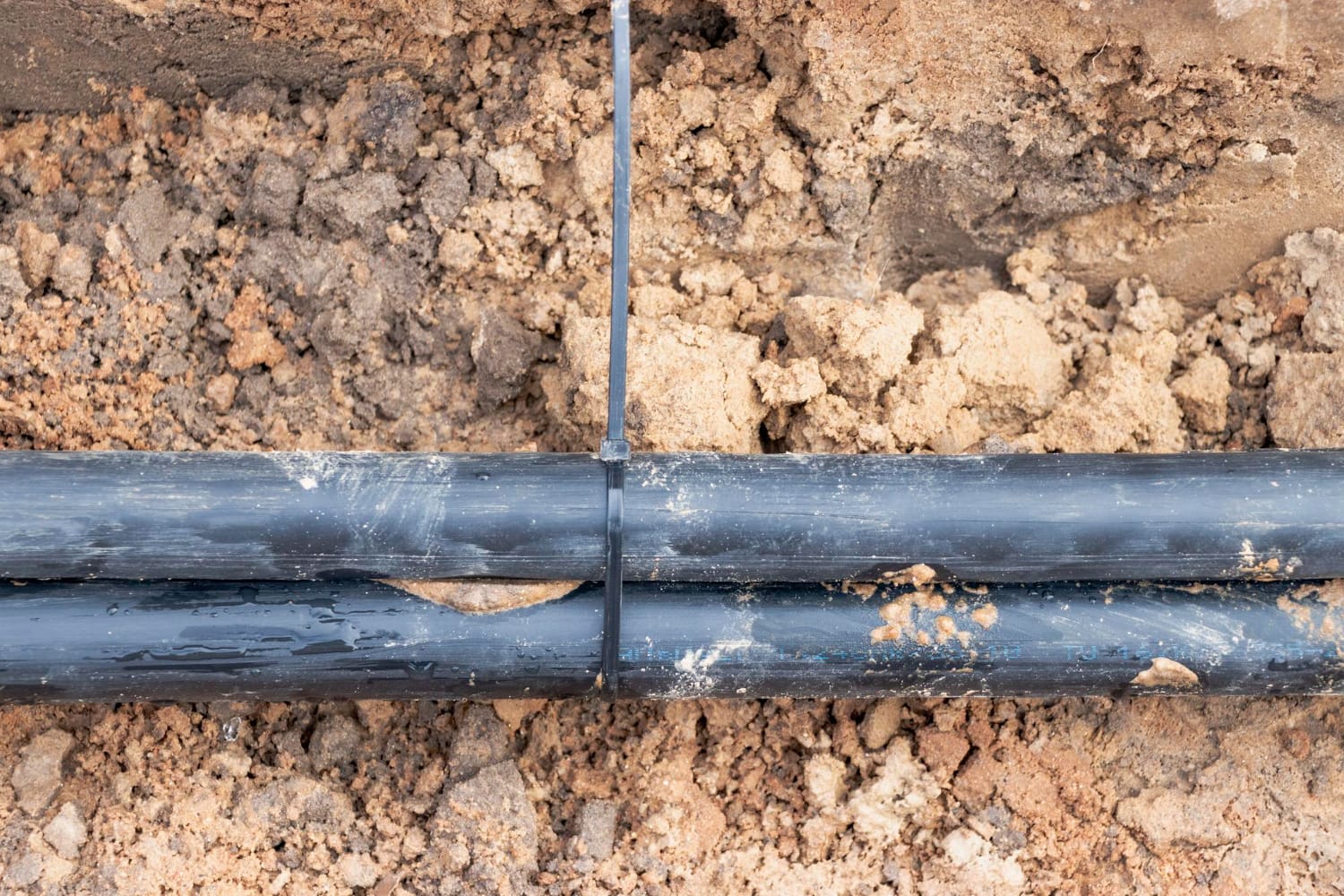
Cracked sewer pipe repair is one of those jobs you can’t afford to put off. A small crack underground has a way of turning into sewage in your basement, a soggy yard, or foundation damage if left alone long enough, so understanding your options early is what keeps a manageable repair from becoming an emergency.
A cracked sewer pipe can cause serious damage to your home and property if you don’t fix it quickly. Water damage, sewage backups, and foundation problems are just some of the issues that can happen when a pipe breaks. The good news is that you have several repair options available, from traditional digging methods to newer techniques that don’t require tearing up your yard.
Understanding what causes cracks, how to spot warning signs, and which repair method works best for your situation will help you solve the problem before it gets worse. Modern inspection tools make it easier to find the exact location and size of cracks without guessing. This means you can plan the right fix and avoid paying for unnecessary work.
This guide walks you through everything you need to know about fixing a cracked sewer pipe. You’ll learn what damages pipes in the first place, how to tell if you have a problem, and what repair choices make sense for different situations.
Here’s what you’ll find inside:
- Typical causes of sewer pipe cracking
- Recognizing indicators of a damaged sewer pipe
- Inspection methods and diagnostic tools
- Available restoration techniques
- Strategies for minimizing future sewer pipe issues
Keep reading to learn which repair option fits your pipes, what warning signs demand immediate attention, and how to keep your sewer line in good shape long after the fix is done.
Typical causes of sewer pipe cracking
Sewer pipes crack for several reasons related to environmental pressure, material breakdown, and external forces. Understanding these causes helps you identify risks and address problems before they lead to major damage.
Ground movement and soil shifting
Soil beneath and around your sewer pipes naturally shifts over time due to temperature changes, moisture levels, and settling. When the ground moves, it creates pressure on pipes that were designed to remain stable. Clay soils expand when wet and contract when dry, creating repeated stress cycles that weaken pipe walls.
According to the U.S. Geological Survey, most states are at some risk from earthquake shaking, with the West Coast, Alaska, and Hawaii facing the highest hazard levels, and ground motion from seismic events can stress or damage buried utilities including sewer pipes. Even gradual settling of your home’s foundation puts stress on connected sewer lines. The pipes may bend or twist slightly, creating weak points where cracks develop.
Sinkholes and erosion wash away soil that normally supports your pipes. Without proper support underneath, pipes sag and eventually crack from their own weight and the wastewater flowing through them. This type of damage often happens slowly and goes unnoticed until a complete break occurs.
Aging pipe materials and corrosion
Different pipe materials have specific lifespans before they become vulnerable to cracking. Clay pipes typically last 50 to 60 years, while cast iron pipes last around 40 years. As these materials age, they lose structural integrity and become brittle.
Corrosion eats away at metal pipes from both inside and outside. Wastewater contains chemicals and acids that slowly deteriorate pipe walls. Soil chemistry also plays a role, with acidic or alkaline conditions breaking down certain materials faster.
Older homes often have outdated pipe materials that were not designed to handle modern usage levels. Temperature fluctuations cause materials to expand and contract, creating microscopic cracks that grow over time. Once a pipe reaches the end of its expected lifespan, even normal usage can cause sudden failures.
Pressure from tree roots and external loads
Tree roots seek out moisture and nutrients, making sewer pipes an attractive target. According to the U.S. Environmental Protection Agency, homeowners should keep trees and woody plants away from wastewater system components because roots naturally grow toward the moisture and nutrients inside pipes and can infiltrate buried lines through small openings. This expansion applies constant pressure that widens existing cracks and creates new ones.
Clay and cast iron pipes are especially vulnerable to root intrusion because they have more joints and connection points where roots can enter. Once inside, roots form dense masses that block flow and put tremendous pressure on pipe walls from the inside.
Heavy vehicles driving over buried sewer lines compress the soil and transfer weight directly to the pipes below. Construction equipment, delivery trucks, and even repeated car traffic can crack pipes that are buried too shallow. The constant loading and unloading creates fatigue in the pipe material that eventually leads to failure.
Recognizing indicators of a damaged sewer pipe
A cracked sewer pipe often shows clear warning signs before it becomes a major problem. Recognizing foul odors, drainage issues, and yard changes helps you catch damage early and avoid expensive repairs.
Persistent sewage odors in or around the home
A strong sewage smell inside your home or yard points to a sewer line problem. This odor comes from gases escaping through cracks in the pipe.
You might notice the smell in your basement, near drains, or in certain areas of your yard. The odor usually doesn’t go away on its own and may get stronger over time.
According to the U.S. Occupational Safety and Health Administration, hydrogen sulfide at low concentrations produces a strong rotten-egg odor and irritates the eyes, nose, and throat, while moderate exposure can cause headaches, nausea, and breathing difficulty, and higher concentrations can quickly become life-threatening. These smells also indicate that waste may be leaking into the soil around your property. If you smell sewage and can’t find an obvious source like a dry P-trap, your sewer line likely has damage that needs attention.
Slow drains and recurring clogs
Multiple slow drains throughout your house suggest a problem with your main sewer line rather than individual fixtures. You may hear gurgling sounds when water drains or when you flush the toilet.
These sounds happen when air bubbles push through standing water in your pipes. The bubbling indicates a blockage or crack that prevents proper drainage.
Common drainage warning signs include:
- Water backs up in other fixtures when you use the sink or toilet
- Drains work slowly even after cleaning
- Multiple drains clog at the same time
- Gurgling noises from drains or toilets
When several drains show problems at once, the issue typically exists in your main sewer line or a major branch line. A crack in the pipe can catch debris and create blockages that affect your entire plumbing system.
Wet patches or sinkholes in the yard
Unexplained soggy areas in your yard often mean sewage is leaking from a cracked pipe underground. These wet spots appear even during dry weather and may have unusually green or fast-growing grass.
You might notice a depression forming in the ground where the pipe runs. As soil erodes from the constant water flow, small sinkholes can develop. In severe cases, you’ll see pooled water or sewage on the surface.
The affected area may attract more insects or rodents than usual. These pests seek out the moisture and waste from the damaged pipe.
Inspection methods and diagnostic tools
Finding cracks in sewer pipes requires specialized tools that reveal problems hidden underground. Professional plumbers use cameras, diagnostic equipment, and testing methods to pinpoint the exact location and extent of damage before starting repairs.
Using camera inspections to locate cracks
Video inspection cameras give you a direct view inside sewer pipes without digging up your yard. A plumber inserts a waterproof camera attached to a flexible cable into your sewer line through an access point or cleanout. The camera travels through the pipe and sends real-time video footage to a monitor above ground.
These cameras include LED lights to illuminate dark pipes and can rotate to capture all angles. Most professional-grade systems have locating transmitters that mark the exact depth and position of cracks from above ground. This technology helps you avoid unnecessary excavation.
The video footage shows cracks, breaks, blockages, root intrusions, and pipe deterioration. Plumbers can record the inspection for documentation and review. You get a clear picture of what’s happening inside your sewer line, which helps you make informed decisions about repairs.
Determining the severity of pipe damage
Once cracks are located, plumbers assess how serious the damage is. Small hairline cracks may only need sealing or lining, while large breaks might require pipe replacement. The camera inspection reveals the crack’s length, width, and whether the pipe has separated or collapsed.
Plumbers look for signs like soil infiltration, water leakage, or structural weakness around the crack. They check if the pipe still maintains its shape or if sections have shifted. Multiple cracks in one area indicate more extensive damage than a single isolated crack.
Your plumber may use a dye test to confirm leaks. They introduce colored dye into your plumbing system and watch for it appearing outside the pipe. This confirms active leaks and helps measure their severity.
Identifying contributing environmental factors
External conditions often cause or worsen sewer pipe cracks. During inspection, plumbers look for root intrusion from nearby trees and shrubs. Roots seek moisture and can penetrate small cracks, then expand and cause larger breaks.
Soil conditions affect pipe stability. Clay soils expand when wet and contract when dry, putting pressure on pipes. Sandy or unstable soil may allow pipes to shift and crack. Ground settlement or sinkholes near the pipe indicate serious problems.
Temperature changes, ground freezing, and heavy vehicle traffic above the pipe also contribute to damage. Your plumber notes these factors because they affect which repair method will work best and last longest.
Available restoration techniques
Professional repair methods vary based on crack severity and pipe condition. Modern solutions range from no-dig technologies that preserve your property to complete replacement for heavily damaged systems.
Trenchless pipe lining for minimal disruption
Trenchless pipe lining creates a new pipe inside your existing damaged sewer line without digging up your yard. A technician inserts a flexible liner coated with epoxy resin into your cracked pipe through an access point. The liner inflates and molds to the pipe walls, then hardens to form a smooth, durable surface.
This method works well for pipes with cracks, small holes, or minor corrosion. You avoid the cost and mess of excavation since workers only need to dig small access holes at entry points. The new liner typically lasts 50 years or more and resists root intrusion.
Your plumber uses a camera to inspect the pipe before lining to confirm it’s a good candidate. Pipes that are completely collapsed or severely offset may not qualify for this technique. The process usually takes one to two days to complete.
Spot repairs for localized cracks
Spot repairs target specific damaged sections of your sewer pipe instead of treating the entire line. A plumber accesses the cracked area through a small excavation or existing cleanout. They may apply epoxy patches, install repair clamps, or replace just the damaged pipe segment.
Common spot repair methods include:
- Epoxy coating or wrapping applied directly to cracks
- Mechanical pipe repair clamps that seal leaks
- Sectional replacement of a single pipe joint
This approach makes sense when damage is limited to one or two spots and the rest of your pipe remains in good condition. Spot repairs cost less than full replacement and cause minimal property disruption. The fix typically lasts 10 to 20 years depending on materials and pipe condition.
Full pipe replacement when damage is extensive
Full replacement becomes necessary when your sewer pipe has multiple cracks, collapsed sections, or severe deterioration throughout the line. Workers excavate a trench along the entire pipe route to remove the old pipe and install new materials. Modern replacement pipes are typically PVC or HDPE, which resist corrosion and root penetration.
Your contractor may recommend replacement if your pipe is very old, made from obsolete materials like clay or Orangeburg, or has failed in several locations. Traditional excavation allows plumbers to correct grade issues and ensure proper slope for drainage.
The process requires more time and money than other methods, often taking several days to a week. You’ll face temporary disruption to your landscaping, driveway, or hardscaping. However, a new pipe provides the longest-lasting solution, with modern materials rated for 50 to 100 years of service.
Strategies for minimizing future sewer pipe issues
Taking steps to prevent sewer line damage saves you from costly repairs and major headaches down the road. Regular maintenance, root management, and pipe upgrades form the foundation of a long-lasting sewer system.
Routine maintenance and inspections
Schedule professional sewer line inspections every 18 to 24 months to catch problems before they become emergencies. A plumber uses a camera to check the inside of your pipes for early signs of cracks, blockages, or corrosion.
Keep your drains clear by avoiding common mistakes that lead to clogs. Never flush items like paper towels, wipes, feminine products, or grease down your drains. These materials build up over time and put pressure on your pipes.
Consider having your sewer line cleaned with hydro jetting every few years. This process uses high-pressure water to remove buildup and debris from pipe walls. Clean pipes last longer and are less likely to develop cracks or breaks.
Watch for warning signs between inspections. Slow drains, gurgling sounds, or sewage odors mean you need to call a plumber right away.
Managing tree roots near sewer lines
Tree roots cause major damage to sewer pipes as they search for water and nutrients. Roots can crack pipes, grow through existing damage, and create complete blockages.
Plant new trees at least 10 feet away from your sewer line. Larger trees with aggressive root systems need even more distance. Ask a landscaper which tree species have less invasive roots before planting near underground pipes.
Apply root barriers between trees and your sewer line if you have existing trees nearby. These physical or chemical barriers redirect roots away from your pipes. You can also use copper sulfate or foaming root killers in your toilet a few times per year to kill roots that enter the line.
Remove trees that repeatedly cause sewer problems. The cost of ongoing repairs often exceeds the expense of tree removal.
Upgrading outdated piping materials
Old sewer pipes made from clay, cast iron, or Orangeburg deteriorate over time and crack more easily than modern materials. Cast iron pipes typically last 50 to 60 years before they start to fail. Clay pipes can last longer but crack when the ground shifts.
Replace aging pipes before they break completely. A plumber can inspect your current pipes and tell you how much life they have left. Modern PVC or ABS plastic pipes resist corrosion and last 100 years or more.
Consider trenchless pipe lining as an upgrade option. This method installs a new pipe inside your existing one without digging up your yard. The epoxy-coated liner cures in place and creates a smooth, durable surface that resists roots and corrosion.
Budget for pipe replacement based on your home’s age. If your house is over 50 years old and still has original sewer pipes, start planning for an upgrade.
Conclusion
A cracked sewer pipe needs quick attention to prevent damage to your home and property. The longer you wait, the worse the problem becomes and the more expensive repairs will be.
You have several repair options to choose from. Trenchless methods like pipe lining or pipe bursting work well for many situations and cause less disruption to your yard. Traditional dig-and-replace methods are sometimes necessary for severe damage. The best choice depends on where the crack is located, how bad the damage is, and your budget.
Modern repair technology makes fixing cracked sewer pipes easier than it used to be. Professional plumbers can often complete repairs in one or two days with minimal damage to your property.
The cost of repair varies based on the method you choose and the severity of the damage. Trenchless repairs typically cost less than traditional methods because they require less labor and restoration work.
Work with a licensed plumber who can inspect your sewer line and recommend the right solution. They have the tools and experience to fix the problem correctly the first time.
For a professional inspection and an honest repair plan built around your specific sewer line, schedule your appointment with Pro Sewer Repair and get the crack fixed right before it turns into something bigger.