

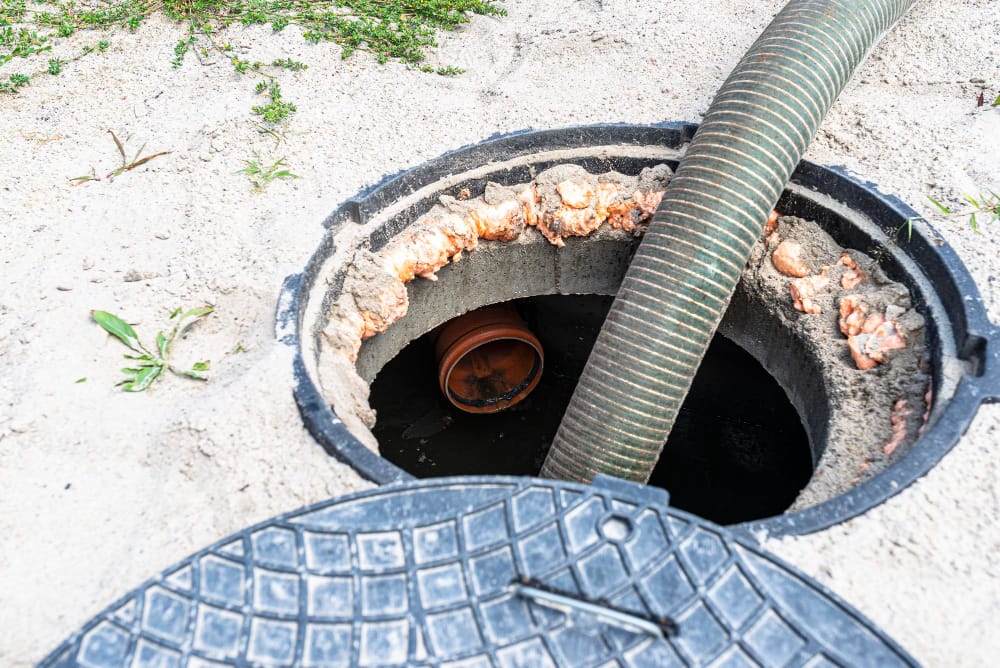
A clogged main sewer line can quickly turn your normal day into a messy emergency. When your main line gets blocked, every drain in your home can back up at once. Toilets might overflow, sinks won’t drain, and you could smell sewage in your house.
Professional plumbers in Mountlake Terrace use cameras and specialized tools to find and clear main sewer line clogs without tearing up your yard. These clogs happen for many reasons. Tree roots can grow into your pipes looking for water. Old pipes can crack or collapse over time. Grease, paper products, and other items can build up inside your sewer line.
Fixing a main sewer line clog right away protects your home from water damage and keeps your family healthy. You’ll learn how to spot warning signs early, what causes these blockages, and why quick action matters. Understanding your sewer system helps you know when to call for help.
In this article, you will learn:
- Early signs of main sewer line clogs
- Impact of tree roots on sewer lines
- Challenges with aging sewer systems
- Professional methods for addressing clogs
- Potential consequences of delayed repairs
Keep reading to recognize the warning signs early and avoid the high costs and health risks that come with a full sewer backup.
Early signs of main sewer line clogs
Problems with your main sewer line rarely appear without warning. Multiple drains acting up at once, strange sounds from your plumbing, and unusual smells all point to blockages forming in your primary waste line.
Slow drains in multiple fixtures suggest blockages
When water drains slowly from just one sink or tub, you likely have a localized drain clog in that fixture’s pipe. But when several drains throughout your Mountlake Terrace home empty slowly at the same time, the problem sits deeper in your plumbing system.
Your main sewer line carries all wastewater from every fixture in your home. A blockage in this line affects everything connected to it. You might notice your kitchen sink draining slowly while your bathroom shower also backs up.
The pattern matters here. If you flush your toilet and your shower drain gurgles or fills with water, the main line can’t handle the flow. If running your washing machine causes your bathroom sink to back up, a main sewer line obstruction is restricting drainage from multiple areas.
These symptoms get worse over time as the blockage grows. What starts as a slow draining sewer line can progress to complete backups within days or weeks.
Gurgling toilets and sinks indicate trapped air
Gurgling sounds from your drains mean air is trapped in your pipes. When your main sewer line has a blockage, air can’t flow properly through the system. This trapped air pushes back up through your drains, creating bubbling or gurgling noises.
You’ll often hear these sounds when you use water elsewhere in your home. Your toilet might gurgle when someone runs the washing machine. Your sink could bubble when you flush a toilet on a different floor.
The gurgling happens because the blockage prevents smooth water and air movement through the pipes. As wastewater tries to push past the clog, it forces air backward through the system. This air takes the path of least resistance, usually coming up through toilets and floor drains.
Pay attention if your toilet bubbles or gurgles without being used. This indicates serious pressure changes in your main line caused by a developing obstruction.
Foul odors around drains signal deeper buildup
A properly working sewer line keeps waste and sewer gases flowing away from your home. When you smell sewage or rotten eggs near your drains, something is blocking that flow.
These odors come from waste accumulating at the blockage point. Organic matter stuck in your pipes breaks down and releases unpleasant gases. According to the Agency for Toxic Substances and Disease Registry, hydrogen sulfide produced by decaying organic material gives off a distinct rotten egg smell and can cause irritation even at low concentrations. The smell might be strongest near floor drains, toilets, or in your basement.
You might also notice smelly basement sewer issues in your yard. This happens when a main line clog causes waste to seep into the soil around your sewer pipe. Wet patches or especially green grass in one area of your lawn can accompany these odors.
Don’t ignore persistent sewer smells. Your plumbing system is designed to trap these gases with water in your P-traps. If you’re smelling sewage despite these traps, a main line problem is forcing gases backward through your drainage system.
Impact of tree roots on sewer lines
Tree roots cause some of the most severe and expensive sewer line problems in Mountlake Terrace homes. Roots seek out water and nutrients from sewer pipes, entering through small openings and growing into dense masses that block wastewater flow.
Root entry through cracks in aging pipes
Tree roots detect moisture vapor escaping from tiny cracks and loose joints in your sewer pipes. Even openings as small as a pinhole allow roots to enter your system. Once inside, the roots grow rapidly because they find the perfect environment with constant water, oxygen, and nutrients.
Older sewer lines are especially vulnerable to tree roots in sewer line intrusion. Clay and concrete pipes common in Mountlake Terrace homes often develop small cracks as they age and shift with soil movement. Cast iron pipes can corrode over time, creating weak spots where roots easily penetrate.
The root system starts small but expands quickly once it establishes itself inside the pipe. Roots widen existing cracks and break apart pipe joints as they grow thicker. This damage creates larger openings that allow even more roots to enter your sewer line.
Moist soil conditions stimulate root growth
Mountlake Terrace’s wet climate creates ideal conditions for aggressive root growth toward sewer lines. According to the USDA Forest Service, tree roots extend horizontally well beyond the canopy drip line in search of water and oxygen, often spreading two to three times the radius of the crown in moist soils. Your sewer line acts like a beacon for these roots, especially during dry summer months when other water sources become scarce.
The warm temperature inside sewer pipes also attracts roots year-round. This warmth combined with moisture encourages roots to grow faster and more densely around your pipes. Certain tree species like willows, maples, and poplars are particularly aggressive in seeking out sewer lines.
Properties with poor drainage or wet soil conditions often experience faster root growth. The excess moisture in the ground pushes roots to spread more widely in search of nutrients.
Roots trap debris and exacerbate blockages
Once roots establish themselves in your sewer line, they act like a net that catches passing debris. Toilet paper, grease, soap residue, and other waste materials get tangled in the root mass. This combination creates a thick blockage that prevents wastewater from flowing properly through your pipes.
The trapped debris makes the tree root sewer blockage worse over time. Each flush adds more material to the blockage, building up layer by layer. Eventually, the obstruction becomes so severe that it causes complete backups into your home.
Root intrusion removal often becomes necessary because these blockages create recurring clogs that return even after cleaning. Small sections of roots remain attached to pipe walls and quickly regrow into new obstructions within weeks or months.
Challenges with aging sewer systems
Older sewer systems in Mountlake Terrace homes face specific problems that make clogs more likely and harder to fix. The materials used decades ago break down over time, shift position, and develop weak spots that trap debris.
Deterioration of clay and cast iron pipes
Clay pipes were common in homes built before the 1980s. These pipes become brittle and cracked sewer pipes develop as they age. Tree roots find their way into small cracks and grow inside the pipe, creating major blockages.
Cast iron pipes rust from the inside out. This process creates rough surfaces where waste and debris get stuck. The rust also weakens the pipe walls until they eventually crack or collapse completely.
Both materials have a lifespan of 50 to 60 years under normal conditions. According to the U.S. Environmental Protection Agency, much of the nation’s underground wastewater infrastructure was installed between 50 and 100 years ago and is now reaching or surpassing the end of its useful life. These aging materials require more frequent cleaning and may need full replacement.
Pipe sagging or misalignment causes recurring issues
Ground movement and soil settling cause pipes to shift from their original position. When a section of pipe sags, it creates a low spot called a belly. Water and waste collect in these bellies instead of flowing freely to the main line.
The standing water in these low spots leads to recurring drain clog problems in the same location. You might notice that professional cleaning fixes the problem temporarily, but the blockage returns within months.
Frost heave during winter months can also push pipes out of alignment. Once pipes are misaligned at their joints, gaps form where debris catches and builds up.
Corrosion leads to frequent blockages
Metal pipes develop corrosion that narrows the interior diameter of the line. What starts as small rough patches grows into thick buildup that reduces water flow. A pipe that once had a 4-inch opening might only have 2 inches of usable space.
This narrowing means even normal amounts of toilet paper or waste can cause backups. The corroded surface acts like sandpaper, catching material that would normally slide through. Chemical drain cleaners make corrosion worse by eating away at already weakened metal, which is why preventing sewer pipe corrosion requires proper professional methods.
Professional methods for addressing clogs
Professional plumbers use specialized equipment and techniques that go beyond basic tools to handle severe main sewer line blockages. These methods target different types of clogs and help identify underlying issues in your sewer system.
Hydro jetting removes heavy buildup
Hydro jetting drain cleaning uses high-pressure water streams to blast away stubborn debris inside your sewer pipes. The equipment sends water through specialized nozzles at pressures ranging from 3,000 to 8,000 PSI, which completely clears grease, scale, tree roots, and accumulated waste.
This method cleans the entire pipe diameter rather than just punching a hole through the blockage. The powerful water stream scours the pipe walls and removes buildup that has accumulated over months or years.
Sewer jetting services work best for recurring clogs or slow-draining systems where simple snaking hasn’t solved the problem. Your plumber will typically recommend this service if your home experiences frequent backups or if the pipes haven’t been thoroughly cleaned in several years.
Mechanical snaking clears localized clogs
Mechanical snaking involves feeding a flexible cable with a cutting head into your sewer line to break up blockages. The rotating cable head physically cuts through clogs caused by paper products, food waste, or minor root intrusions.
Professional drain snakes reach much farther than store-bought versions and come with interchangeable heads for different blockage types. Plumbers can access your main line through cleanout ports and work the cable through bends and turns in your system as part of professional drain cleaning.
This approach works well for sudden clogs in specific locations. It costs less than hydro jetting and provides quick relief when you need immediate drainage restored.
Camera inspections detect hidden problems
Sewer camera inspections let plumbers see exactly what’s happening inside your pipes. A waterproof camera attached to a flexible cable travels through your sewer line and transmits real-time video footage.
The inspection reveals cracks, root penetration, pipe deterioration, and the exact location of blockages. A sewer line diagnostic helps your plumber identify whether you need a simple clog removal or more extensive repairs.
Most clogged sewer line service providers include camera inspections before major work to ensure they use the right solution. The footage also provides documentation of your pipe condition and helps you make informed decisions about repairs or replacement needs.
Potential consequences of delayed repairs
A clogged main sewer line won’t fix itself, and waiting to address the problem leads to serious damage and unexpected costs. Property destruction, health hazards, and expensive emergency repairs are common outcomes when homeowners delay necessary sewer line maintenance.
Sewer backups result in property damage
When a main sewer line clog gets worse over time, wastewater has nowhere to go except back into your home. Sewage can flood through toilets, drains, and basement fixtures, damaging floors, walls, carpets, and personal belongings. This contaminated water seeps into subflooring and drywall, requiring extensive removal and replacement.
Your home’s foundation can suffer structural damage when sewage leaks underground around a blocked pipe. The excess moisture weakens concrete and soil stability beneath your property.
Sewer backup repair often includes replacing damaged building materials, sanitizing affected areas, and restoring your home to safe living conditions. Insurance policies may not cover all damage from sewer backups, especially if you neglected obvious warning signs of a clog.
Health and sanitation risks from wastewater exposure
Raw sewage contains harmful bacteria, viruses, and parasites that pose serious health threats to your family. According to the Centers for Disease Control and Prevention, workers and residents exposed to untreated sewage face risk of gastrointestinal illness, hepatitis A, and other infections caused by pathogens commonly found in wastewater. Exposure to wastewater can cause infections, gastrointestinal illness, and respiratory problems.
Standing sewage creates conditions for mold and mildew growth inside your home. These fungi release spores that contaminate indoor air quality and trigger allergic reactions or breathing difficulties. Children, elderly family members, and anyone with compromised immune systems face higher risks.
The foul odors from a backed-up sewer line indicate dangerous gases like hydrogen sulfide and methane entering your living space. These gases can cause headaches, dizziness, and nausea even before you see visible sewage.
Emergency repairs are more costly than maintenance
Emergency sewer repair typically costs two to three times more than scheduled maintenance because you pay premium rates for immediate service. Plumbers charge higher fees for after-hours, weekend, or holiday calls when sewer problems become urgent.
A minor clog that could be cleared for a few hundred dollars becomes a major excavation project when ignored. You might need full pipe replacement instead of simple cleaning if blockages cause cracks or collapsed sections.
Cost comparison:
Service Type Typical Cost Range Routine drain cleaning $150-400 Standard sewer line repair $1,500-4,000 Emergency sewer repair $3,000-10,000+ Full line replacement $8,000-25,000
Additional expenses pile up quickly when you factor in water damage restoration, temporary housing during repairs, and replacing damaged belongings.
Conclusion
A clogged main sewer line needs fast attention to protect your Mountlake Terrace home from damage. When you notice warning signs like slow drains, gurgling toilets, or sewage backups, contact a licensed plumber right away.
Professional plumbers use camera inspections to find the exact location and cause of your clog. They can handle tree roots, grease buildup, and damaged pipes with modern tools and techniques.
You should choose a plumbing company that offers 24/7 emergency service. Many Mountlake Terrace homes were built in the mid-century and have aging pipes that need special care.
Regular maintenance helps prevent future clogs. Schedule annual camera inspections to catch small problems before they become expensive repairs. Your plumber can also recommend preventative treatments based on your specific drain condition.
Don’t wait until a small clog becomes a major emergency. Contact Pro Sewer Repair today to schedule an inspection and keep your main sewer line flowing properly with professional care and routine maintenance.