

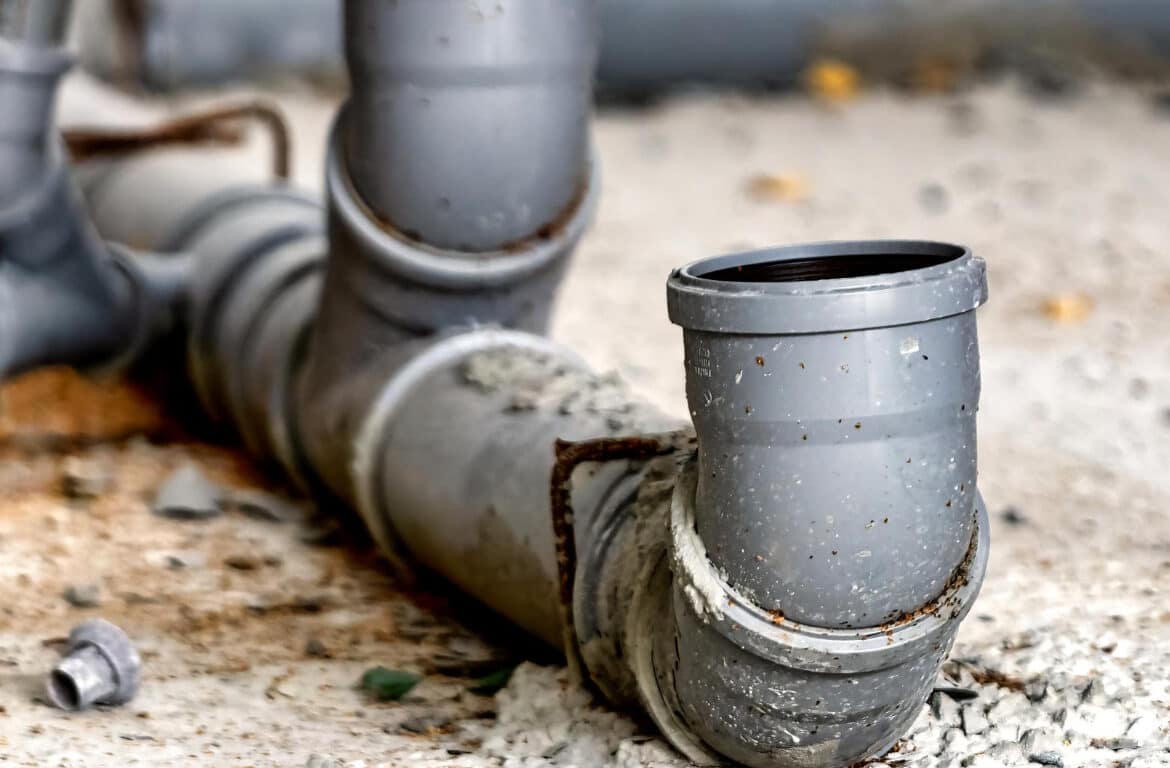
Sewer line problems are easy to miss because the damage happens underground, out of sight, and far from your daily routine. By the time the warning signs reach the inside of your home, the pipe has usually been deteriorating for months or years.
Your home’s sewer line carries wastewater away from every drain in your house. When something goes wrong with this system, it can cause serious problems that affect your daily life. Most sewer line issues start small and grow worse over time, which means catching them early can save you money and prevent major damage.
Sewer line problems happen when tree roots grow into pipes, when old materials break down, or when clogs build up in the main line. These issues develop slowly because the pipes sit underground where you cannot see them. The damage builds up from soil movement, moisture, and age until warning signs finally appear inside your home or in your yard.
Understanding common sewer line issues helps you spot trouble before it turns into an emergency. This guide will show you what causes these problems, how to recognize the warning signs, and when you need to call a professional for help.
Here’s what you’ll find inside:
- What causes sewer line problems in residential plumbing
- Warning signs of sewer line problems homeowners should not ignore
- Common types of sewer pipe damage
- Professional methods used to diagnose sewer line problems
- When to call professionals for sewer line repair
Keep reading to learn exactly what these warnings mean and how to act on them before a minor issue turns into an expensive emergency.
What causes sewer line problems in residential plumbing
Residential sewer line damage typically stems from four main sources: tree roots breaking into pipes, buildup of grease and debris, deteriorating pipe materials, and changes in the soil around your lines.
Tree root intrusion in underground sewer pipes
Tree roots cause major damage to underground sewer lines as they search for water sources. The roots detect moisture escaping from tiny cracks or joints in your pipes. Once they find these weak spots, they push into the openings and expand inside the pipe.
As roots grow larger, they create blockages that prevent waste from flowing properly. The roots act like a net that catches toilet paper, grease, and other materials passing through your line. This turns a small root problem into a complete blockage.
According to the U.S. Environmental Protection Agency, homeowners should keep trees and woody plants away from wastewater system components because roots naturally grow toward the moisture and nutrients inside pipes and can infiltrate buried lines. Your older clay or concrete pipes face the highest risk because they have more joints where roots can enter. Even small hairline cracks in modern PVC pipes can attract determined roots.
The damage gets worse over time as expanding roots crack and break apart your pipes. You might notice slow drains, gurgling sounds, or sewage backups before discovering roots caused the problem.
Grease, debris, and waste buildup
Grease represents one of the most common causes of residential sewer line clogs. When you pour cooking oil or fat down your drain, it cools and sticks to pipe walls. Over time, this creates thick layers that narrow your pipes.
Soap scum, hair, and food particles combine with grease to form stubborn blockages. These materials accumulate gradually, so you might not notice problems until water drains very slowly or backs up completely. The buildup restricts water flow and increases pressure inside your pipes.
Items that shouldn’t go down drains make the problem worse. Paper towels, wet wipes, and hygiene products don’t break down like toilet paper. They catch on existing buildup and create larger obstructions.
Regular buildup in your main sewer line can lead to sewage backing up into your lowest drains, toilets, or bathtubs. If multiple fixtures in your home drain slowly at once, the blockage likely sits in your main line rather than individual drain pipes.
Aging or corroded sewer pipe materials
Older sewer pipes break down as materials deteriorate over decades of use. Cast iron pipes, common in homes built before 1980, corrode from the inside out as sewage and chemicals eat away at the metal. This corrosion creates rough surfaces that catch debris and eventually leads to holes or complete pipe collapse.
Clay pipes crack and crumble as they age, creating gaps where soil enters your line. These traditional materials typically last 50 to 60 years before requiring replacement. Orangeburg pipes, made from wood pulp and pitch, were popular from the 1940s through 1970s but often fail after just 30 years.
Corrosion happens faster when your sewage has high acidity or when certain chemicals flow through your pipes regularly. You might see signs like discolored water, frequent clogs, or sewage odors before the pipes fail completely.
Modern PVC pipes resist corrosion better but still face problems from improper installation or manufacturing defects. Even these durable materials can crack under pressure or separate at joints as your home settles.
Ground shifting and soil movement
Soil movement around your sewer line creates stress that pipes weren’t designed to handle. When soil expands and contracts due to moisture changes, it pushes and pulls on buried pipes. Clay soil poses particular risks because it swells significantly when wet and shrinks during dry periods.
Ground settling happens naturally over time as soil compacts under your home’s weight. This settling can cause pipes to sag or develop low spots called bellies where waste and water collect. These areas trap debris and create recurring clogs.
Construction activity near your property can disturb the ground around your sewer line. Heavy equipment, excavation, or new building foundations shift soil and potentially crack or misalign your pipes. According to the U.S. Geological Survey, most states are at some risk from earthquake shaking, with the West Coast, Alaska, and Hawaii facing the highest hazard levels, and ground motion from seismic events can stress buried utilities including sewer pipes.
Poorly compacted soil during original installation leaves your pipes vulnerable to movement. When builders don’t properly prepare the trench bed, your sewer line lacks stable support and shifts more easily over time.
Warning signs of sewer line problems homeowners should not ignore
Sewer line problems rarely happen without warning. Your plumbing system will send clear signals when something is wrong, from drains that empty slowly throughout your home to strange sounds and smells that shouldn’t be there.
Slow drains across multiple fixtures
When one sink or tub drains slowly, you likely have a local clog in that specific pipe. When several fixtures drain slowly at the same time, you’re dealing with a blockage in your main sewer line. This is one of the most common early signs of sewer line problems.
Pay attention to which drains are affected. If your toilet, shower, and bathroom sink all drain slowly, the blockage sits somewhere in the line that connects them. Kitchen and bathroom drains that slow down together point to an issue in your main sewer line.
The problem typically starts small. You might notice your bathtub takes an extra minute to empty. A few days later, your kitchen sink holds water longer than usual. These gradual changes mean something is building up in your sewer line, whether it’s tree roots, grease buildup, or deteriorating pipe material.
Don’t wait for drains to stop working completely. Slow drainage gives you time to call a plumber before sewage backs up into your home.
Frequent sewer backups or toilet overflows
Sewage backing up into your home is a clear sign your sewer line has a serious problem. This often happens in your lowest drains first because water flows downward and looks for the easiest exit point.
Your basement floor drain or first-floor toilet will show problems before upstairs fixtures. You might see water or sewage pooling around floor drains. Your toilet might overflow even when no one has used excessive toilet paper.
Common backup patterns:
- Water appears in your shower when you flush the toilet
- Your washing machine drain causes your toilet to bubble
- Multiple fixtures back up at the same time
- Sewage comes up through basement drains
If backups happen more than once, your sewer line has a blockage that standard drain cleaning won’t fix. Tree roots, collapsed pipes, or major clogs require professional inspection and repair.
Gurgling sounds coming from drains
Your drains should be quiet when water flows through them. Gurgling, bubbling, or glug-glug sounds mean air is trapped in your pipes. This happens when a blockage prevents proper drainage and creates negative pressure in the line.
The sounds often appear when you use one fixture and hear noises from another. You might flush your toilet and hear gurgling from your bathtub drain. Running your washing machine might make your kitchen sink bubble.
These noises indicate air pockets forming because water can’t flow smoothly through blocked pipes. The trapped air pushes back up through other drains, creating the sounds you hear.
Unpleasant sewer odors inside the home
Your plumbing uses water traps in each drain to block sewer gases from entering your home. When you smell sewage inside, something has broken this barrier. A damaged or clogged sewer line can force gases back through your drains.
The smell might be constant or come and go. You might notice it more in certain rooms, especially those on lower floors or near the main sewer line. The odor smells like rotten eggs, sewage, or decomposing organic matter.
According to the U.S. Occupational Safety and Health Administration, hydrogen sulfide at low concentrations irritates the eyes, nose, and throat, while moderate exposure can cause headaches, nausea, and breathing difficulty, and higher concentrations can quickly become life-threatening. The issue could be a crack in the pipe, a complete blockage, or a damaged vent stack. Each of these problems requires professional attention to locate and repair the source.
Common types of sewer pipe damage
Sewer pipes can suffer from several distinct types of physical damage that affect how wastewater moves through your plumbing system. Each type of damage creates unique problems that require different repair approaches.
Cracked or broken sewer pipes
Cracks and breaks in sewer pipes happen when the pipe material deteriorates or experiences external pressure. Tree roots often cause these breaks as they grow into small cracks searching for water and nutrients. The roots expand over time and split the pipe apart.
Ground settling and soil erosion can also crack pipes by removing support from underneath. When heavy vehicles drive over shallow sewer lines, the weight can fracture older or weaker pipes. Temperature changes make some pipe materials expand and contract, which leads to stress fractures.
Common causes of cracked pipes:
- Tree root intrusion
- Shifting soil and ground movement
- Heavy surface loads
- Age-related deterioration
- Freezing temperatures
Small cracks allow wastewater to leak into the surrounding soil. This creates wet spots in your yard and wastes water. Larger breaks let dirt and debris enter the pipe, which causes blockages downstream.
Collapsed sewer lines blocking waste flow
A collapsed sewer line means the pipe has completely caved in and blocks all wastewater flow. This represents the most severe type of sewer pipe damage you can experience.
Extreme ground movement from earthquakes or construction work can collapse pipes. Very old pipes made from clay or Orangeburg material lose their structural strength over decades. When the pipe walls become too weak, they can no longer support the weight of the soil above them.
You’ll notice multiple drains backing up at once when a line collapses. Toilets won’t flush properly and water backs up into lower drains. Raw sewage may even surface in your yard near the collapse point.
Collapsed lines require immediate replacement since repairs cannot restore a completely failed pipe section.
Misaligned or offset pipe connections
Misaligned pipes occur when separate pipe sections shift apart at their connection points. The joints between pipes become offset, creating gaps or angles that disrupt smooth wastewater flow.
Poor initial installation accounts for many alignment issues. If contractors didn’t properly secure pipe connections, they can separate over time. Soil settlement affects pipe alignment by causing different sections to sink at different rates.
Even small offsets create problems because waste catches on the uneven edges. Toilet paper and solid waste accumulate at these spots and form blockages. Water can leak through the gaps between misaligned sections.
Signs of pipe misalignment:
- Frequent clogs in the same area
- Gurgling sounds from drains
- Slow drainage throughout the house
- Damp soil near the sewer line
Severe blockages inside the sewer line
Blockages happen when materials accumulate inside the pipe and restrict or stop wastewater flow. Unlike structural damage, blockages involve the pipe’s interior rather than the pipe walls themselves.
Grease, hair, soap residue, and hygiene products build up on pipe walls over years. Tree roots that enter through small cracks grow into dense masses that trap other debris. Some people flush items like wipes and paper towels that don’t break down properly.
Minor blockages cause slow drains and gurgling noises. Complete blockages make toilets overflow and prevent any drainage. You might smell sewage odors coming from your drains when waste can’t move through the system.
Professional cleaning with hydro-jetting or mechanical augering removes most blockages without replacing pipes.
Professional methods used to diagnose sewer line problems
Plumbers use specialized tools and techniques to find the exact cause of sewer line issues without guessing or digging up your entire yard. These methods range from visual inspections with cameras to pressure tests that reveal hidden leaks.
Sewer camera inspections for accurate detection
A sewer camera inspection uses a waterproof video camera attached to a flexible cable that travels through your pipes. The camera sends real-time footage to a monitor above ground, letting the plumber see exactly what’s happening inside your sewer line. This technology shows blockages, cracks, tree root intrusions, and collapsed sections with precision.
The camera head includes bright LED lights to illuminate dark pipes and can rotate to capture images from all angles. Most professional cameras also record the inspection, giving you visual proof of any problems found. The cable has distance markers that help pinpoint the exact location of issues, which is critical if repairs or excavation become necessary.
This method works on pipes of various sizes and materials without causing any damage to your plumbing system. The plumber inserts the camera through an existing access point like a cleanout or drain opening. The entire inspection typically takes 30 to 60 minutes depending on the length of your sewer line and complexity of the system.
Hydro jetting to remove blockages
Hydro jetting uses high-pressure water streams to clear stubborn blockages and clean pipe walls. A specialized machine pumps water through a hose at pressures ranging from 3,000 to 8,000 PSI. The jetting nozzle shoots water forward and backward simultaneously, breaking apart clogs while propelling the hose through the pipe.
This method removes grease buildup, soap scum, mineral deposits, and even tree roots that have penetrated the line. Unlike mechanical snakes that only poke holes through blockages, hydro jetting clears the entire pipe diameter. The process also scours the pipe walls clean, which helps prevent future clogs from forming quickly.
Plumbers typically perform a camera inspection before hydro jetting to check if your pipes can handle the high pressure. Older or damaged pipes might require gentler cleaning methods to avoid causing further damage.
Leak detection and pressure testing
Pressure testing involves sealing off sections of your sewer line and introducing air or water at controlled pressure levels. The plumber monitors the pressure gauge to see if it drops, which indicates a leak somewhere in that section. This method identifies leaks that aren’t visible from the surface or through camera inspection alone.
Acoustic leak detection uses sensitive listening devices to pick up sounds of water or sewage escaping from pipes. The equipment amplifies these sounds, helping technicians locate leaks buried underground or hidden behind walls. Some advanced systems use electronic sensors placed at multiple points along the line to triangulate the leak’s exact position.
These techniques work particularly well when you notice wet spots in your yard, unexplained water bills, or signs of sewage seepage but can’t determine the source.
Evaluating pipe condition for repair or replacement
After diagnosing the immediate problem, plumbers assess the overall condition of your sewer line to determine if spot repairs will suffice or if replacement makes more sense. They examine the pipe material, age, extent of damage, and number of problem areas found during inspection.
Clay and cast iron pipes installed before 1980 often show widespread deterioration including multiple cracks, corrosion, and root intrusion. PVC pipes typically last longer but can still crack from ground shifting or improper installation. The plumber looks for warning signs like bellied sections where the pipe has sagged, offset joints where connections have separated, and channel formations where the bottom of the pipe has eroded.
If problems appear in isolated spots and the rest of the pipe shows good structural integrity, targeted repairs using trenchless methods might work. However, if damage affects more than 30-40% of the line or the pipe material has reached the end of its expected lifespan, full replacement becomes the more cost-effective long-term solution.
When to call professionals for sewer line repair
Some sewer problems require immediate professional attention to prevent extensive damage and health risks. Knowing when to contact a sewer line repair service can save you from costly emergency repairs and protect your property.
Persistent drain problems throughout the house
Multiple slow drains happening at the same time signal a serious issue with your main sewer line. When water backs up in one fixture after using another, the blockage likely sits deep in your system where standard tools can’t reach.
A plunger or drain snake might clear a single clogged drain. But when your kitchen sink, bathroom drains, and toilets all struggle simultaneously, you’re dealing with a main line problem that needs professional equipment.
Professionals use specialized cameras to inspect your pipes and identify the exact location and cause of the blockage. They can determine if tree roots have invaded your line, if pipes have collapsed, or if years of buildup have created an obstruction. Hydro-jetting equipment can clear severe blockages without damaging your pipes.
Attempting to fix widespread drain issues yourself often leads to temporary solutions at best. You risk pushing the problem deeper into your system or missing critical damage that will worsen over time.
Water backing up from floor drains
Water coming up through floor drains indicates your sewer line cannot handle the flow leaving your home. This backup often contains raw sewage that poses serious health hazards to anyone in your property.
Floor drain backups typically occur in basements or lower levels first. The water may appear after running washing machines, taking showers, or flushing toilets. This problem demands immediate professional response.
A licensed plumber will perform a camera inspection to locate breaks, clogs, or collapsed sections in your line. They can then recommend the appropriate repair method based on what they find. Never ignore floor drain backups, as sewage exposure can cause illness and create lasting damage to your foundation and flooring.
Recurring sewer odors in the property
Persistent sewer smells inside or around your home mean gases are escaping from damaged pipes. These odors won’t disappear with air fresheners because the source remains in your compromised sewer line.
Sewer gas contains harmful compounds that can affect your health with extended exposure. Cracks in your pipes, broken seals, or venting issues all allow these gases to enter your living space.
A sewer line repair service will pinpoint where your line has failed. They use detection equipment to find leaks and assess the extent of damage. Small cracks might need targeted repairs, while extensive damage could require pipe relining or replacement.
Preventive sewer system maintenance
Regular inspections catch problems before they become emergencies. Schedule professional camera inspections every few years to monitor your sewer line’s condition, especially if you have older pipes or large trees near your lines.
Preventive maintenance costs far less than emergency repairs. A plumber can identify early warning signs like small cracks, minor root intrusion, or developing blockages. Addressing these issues early keeps your system running smoothly and extends your pipes’ lifespan.
Professional maintenance also includes hydro-jetting to remove buildup before it causes blockages. This service clears grease, debris, and mineral deposits that accumulate over time. Many homeowners benefit from annual or bi-annual preventive cleanings based on their system’s age and usage patterns.
Conclusion
Sewer line problems need your attention as soon as you notice the warning signs. Regular maintenance and early detection can save you from expensive repairs down the road. When you stay alert to issues like slow drains, bad smells, or wet spots in your yard, you can catch problems before they get worse.
You should schedule professional inspections every few years to keep your sewer system working well. These checkups help find small issues before they turn into major headaches. A trained plumber can spot cracks, blockages, and other damage that you might miss.
Taking care of your sewer line protects your home and keeps your plumbing system running smoothly. When problems do show up, contact a licensed plumber right away. They have the tools and skills to fix the issue correctly.
You now know what causes common sewer line problems and how to handle them. Whether you face a simple clog or need a full line replacement, acting fast helps limit damage and costs. Your sewer system works hard every day, so give it the care it needs to stay in good shape.
For a professional diagnosis and a repair plan built around your specific pipes, schedule an inspection with Pro Sewer Repair and protect your home before the next warning sign turns into an emergency.