

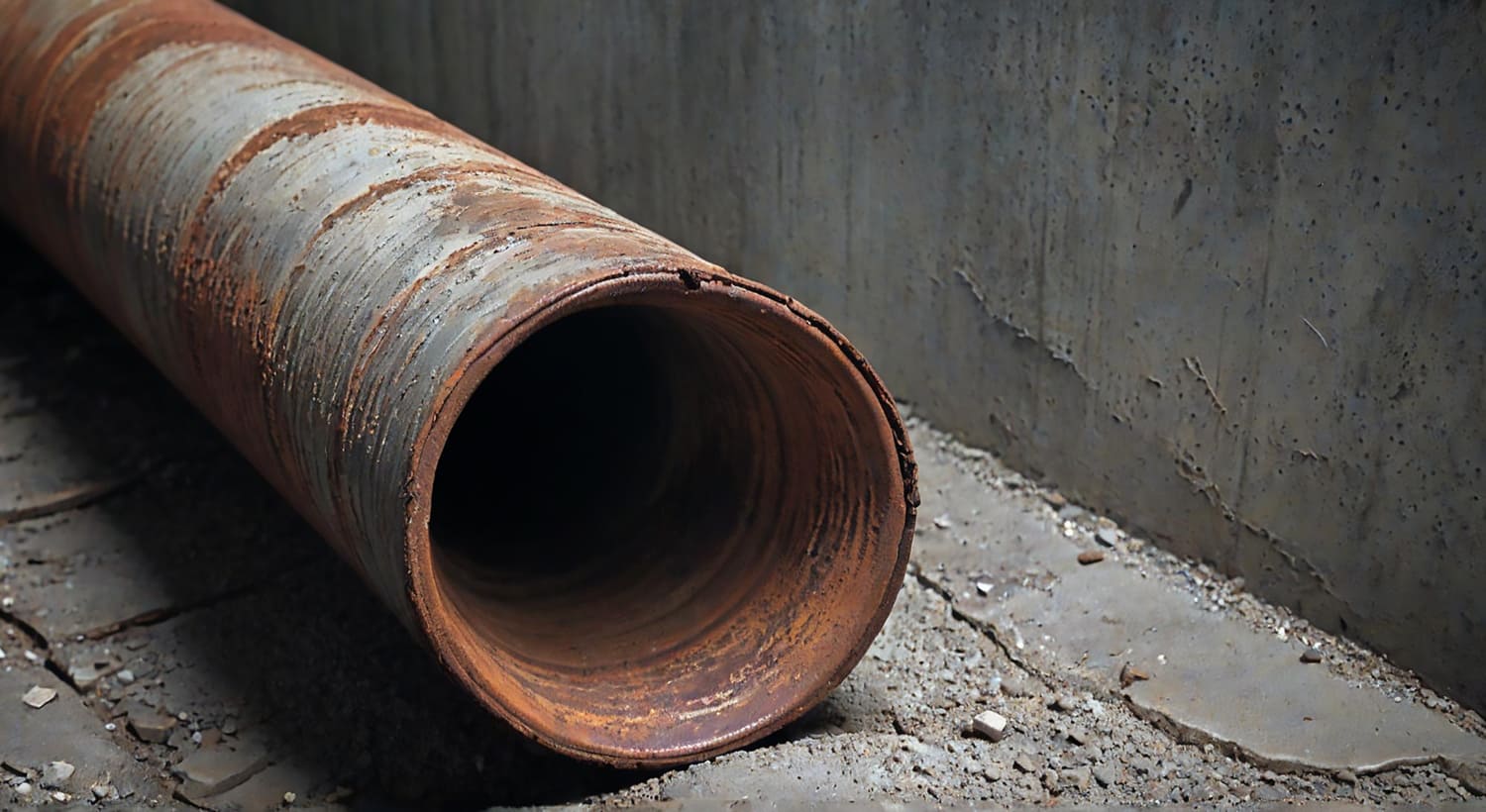
Preventing sewer pipe corrosion is one of the smartest moves a homeowner can make, since the damage builds quietly for years before it surfaces as a leak or a collapse. Catching it early and using the right materials saves thousands in emergency work.
Sewer pipe corrosion happens when the materials inside your pipes break down over time due to chemical reactions, moisture, and bacteria. This damage weakens your plumbing system and can lead to leaks, blockages, and expensive repairs if left untreated. Understanding how corrosion starts and what you can do to stop it will help you protect your home’s sewer system.
The good news is that you can prevent most sewer pipe corrosion through regular maintenance, professional inspections, and modern repair methods that strengthen your pipes without major digging. Simple steps like watching for warning signs and scheduling timely checkups make a big difference in how long your sewer lines last.
This guide will walk you through what causes corrosion in your sewer pipes, how to spot problems early, and what both professionals and homeowners can do to keep pipes working properly. You’ll learn practical ways to protect your system and know when it’s time to call in expert help.
Here’s what you’ll find inside:
- What causes sewer pipe corrosion in residential plumbing systems
- Early warning signs of sewer pipe corrosion
- Professional methods to prevent sewer pipe corrosion
- Homeowner maintenance tips for sewer pipe protection
- When to schedule professional sewer line inspection
Keep reading to learn how to add decades to your sewer line’s life without rebuilding your entire plumbing system.
What causes sewer pipe corrosion in residential plumbing systems
Sewer pipe corrosion happens when pipes break down because of chemical reactions, moisture exposure, material quality issues, and outside environmental conditions. Understanding these causes helps you protect your plumbing system before major problems develop.
Chemical exposure from household wastewater
The wastewater flowing through your sewer pipes contains harsh chemicals that attack metal surfaces every day. Cleaning products, detergents, and personal care items create acidic or alkaline conditions inside your pipes. These chemical reactions speed up the breakdown of pipe materials.
Hydrogen sulfide gas forms naturally when bacteria break down organic waste in your sewer system. This gas converts to sulfuric acid when it meets moisture and oxygen inside pipes. According to the U.S. Environmental Protection Agency, microbial conversion of hydrogen sulfide to sulfuric acid on pipe crowns is a primary driver of concrete and metal deterioration in wastewater collection systems, and the resulting corrosion can dramatically shorten the service life of sewer infrastructure if left unchecked.
Kitchen waste adds oils, grease, and food particles that create additional chemical reactions. Your garbage disposal sends acidic food remnants directly into pipes. Even normal bodily waste contains compounds that contribute to the chemical breakdown of pipe walls over time.
Moisture and oxygen interaction inside pipes
Metal pipes corrode faster when water and oxygen touch their surfaces at the same time. This process, called oxidation, creates rust on iron and steel pipes. The rust weakens the pipe structure and can eventually cause holes and leaks.
Pipes that don’t drain completely hold standing water that keeps metal surfaces wet. The constant moisture gives oxygen more time to react with the metal. Partial clogs make this problem worse by trapping water in low spots.
Common moisture-related corrosion factors:
- Condensation on cold pipes
- Slow drains that leave water sitting
- High humidity in crawl spaces or basements
- Leaking joints that expose pipe exteriors to water
Aging metal or weak pipe materials
Older homes often have galvanized steel or cast iron pipes that corrode more easily than modern materials. These metals have natural lifespans of 20 to 50 years depending on conditions. After decades of use, the protective coating inside these pipes wears away.
Cast iron pipes develop rough, pitted surfaces as corrosion progresses. The rough spots catch debris and create more areas for bacteria to grow. This speeds up the corrosion cycle and reduces water flow.
Poor quality pipes or improper installation shortens the life of your sewer system. Thin-walled pipes or those with manufacturing defects start corroding sooner. Installation errors that stress pipe joints create weak points where corrosion begins.
Soil and environmental factors underground
The soil surrounding your buried sewer pipes plays a major role in corrosion rates. Acidic soil speeds up the breakdown of metal pipes from the outside. Clay soils hold moisture against pipes, while sandy soils drain better and cause less external corrosion.
Stray electrical currents in the ground can cause electrolytic corrosion on metal pipes. This happens when underground utilities or improper grounding create electrical pathways through your pipes. The current literally pulls metal atoms away from the pipe surface.
Groundwater levels affect how much moisture reaches your pipes. Areas with high water tables keep soil saturated around sewer lines. Tree roots seeking water can also damage protective pipe coatings and create entry points for moisture and soil chemicals.
Early warning signs of sewer pipe corrosion
Corroded sewer pipes give off clear signals before they fail completely. Catching these early signs helps you avoid expensive repairs and serious damage to your home.
Slow drainage across multiple plumbing fixtures
When multiple drains in your home start moving slowly at the same time, corrosion is likely damaging your main sewer line. You might notice your kitchen sink, bathroom drains, and toilet all backing up within the same day or week.
This happens because corrosion creates rough, uneven surfaces inside your pipes. These rough patches catch debris and slow down water flow. Unlike a single clogged drain that only affects one fixture, corrosion impacts your entire system.
Pay attention if your drains gurgle or bubble when water flows through them. This sound means air is trapped in your pipes because corroded areas are restricting normal flow. The problem gets worse over time as corrosion spreads and narrows the pipe diameter.
Discolored or rusty water flowing from drains
Brown, yellow, or reddish water coming from your drains signals metal pipe corrosion. The discoloration comes from rust particles and corroded pipe material breaking off and mixing with your water.
You might see this most clearly when you run water after not using your plumbing for several hours. The staining can appear in your toilet bowl, sink, or bathtub. Cast iron and steel pipes are most prone to this type of visible corrosion.
The water may also leave orange or brown stains on your fixtures and drains. These stains form because corroded metal particles settle on surfaces. If you notice this discoloration, your pipes are actively deteriorating and releasing material into your wastewater system.
Unpleasant sewer odors inside the home
Sewer gas smells inside your home often mean corrosion has created cracks or holes in your pipes. These openings let methane and other gases escape into your living space instead of flowing safely through your sewer system.
The smell is distinct and unpleasant, similar to rotten eggs or sewage. You might notice it near drains, in your basement, or in areas where sewer lines run beneath your foundation. The odor typically gets stronger when you use water or flush toilets.
According to the U.S. Occupational Safety and Health Administration, hydrogen sulfide at low concentrations irritates the eyes, nose, and throat, while moderate exposure can cause headaches, nausea, and breathing difficulty, and higher concentrations can quickly become life-threatening. Even small pinholes from corrosion can release enough gas to create noticeable odors throughout your home.
Frequent minor pipe blockages
Repeated clogs that come back shortly after clearing them point to corrosion problems in your sewer line. Corroded pipes develop buildup and rough interior surfaces that trap waste and debris.
You might find yourself calling a plumber every few months for the same issue. Regular drain cleaning only provides temporary relief because the underlying corrosion continues to worsen. Each time you clear a blockage, the corroded area catches new material within weeks.
These frequent blockages cost money and indicate your pipes are breaking down from the inside. The rough, pitted surface created by corrosion acts like velcro for anything flowing through your system.
Professional methods to prevent sewer pipe corrosion
Professionals use advanced materials, protective treatments, routine maintenance, and diagnostic technology to stop corrosion before it causes major damage to sewer systems.
Installing corrosion-resistant pipe materials
Modern pipe materials offer better protection against corrosion than older options like cast iron or clay. PVC and HDPE pipes resist chemical attacks from sewage and won’t rust or deteriorate from acidic waste. These plastic materials can last 50 to 100 years with minimal corrosion issues.
Fiberglass reinforced pipes work well in highly corrosive environments because they handle both chemical and biological attacks. Your plumber might recommend these for areas with aggressive sewage conditions or high water tables.
Trenchless pipe lining creates a new pipe inside your existing one using epoxy resin materials. This method, called CIPP (cured-in-place pipe), forms a corrosion-resistant barrier without digging up your yard. The new liner seals cracks and prevents future corrosion while restoring the pipe’s structural strength.
When replacing sewer lines, professionals consider factors like soil pH, water chemistry, and waste type to select the best material for your specific situation.
Applying protective pipe coatings
Protective coatings create a barrier between your pipe material and corrosive sewage elements. Epoxy coatings bond directly to pipe interiors and seal small imperfections that could start corrosion. These coatings are especially useful for concrete and metal pipes exposed to hydrogen sulfide gas.
Antimicrobial coatings target microbiologically induced corrosion (MIC), which happens when bacteria produce sulfuric acid that eats away at concrete and metal surfaces. These specialized treatments stop bacterial colonies from forming on pipe walls.
Professionals apply coatings during new installation or as a rehabilitation method for existing pipes. The application process requires proper surface preparation, including cleaning and drying, to ensure the coating adheres correctly.
Some coating systems include multiple layers for enhanced protection. Your contractor might use a primer coat followed by a topcoat for maximum durability and corrosion resistance.
Regular sewer line cleaning and maintenance
Scheduled cleaning removes buildup that traps moisture and creates conditions for corrosion to start. Professional hydro-jetting uses high-pressure water streams to clear grease, sediment, and debris from pipe walls. This process restores proper flow and eliminates environments where corrosive bacteria thrive.
Your sewer lines need cleaning every 18 to 24 months depending on usage and pipe condition. Properties with heavy use or older systems benefit from annual maintenance.
Professionals also check for root intrusions during cleaning appointments. Tree roots create openings where corrosive elements penetrate pipe materials and accelerate damage.
Preventive maintenance costs less than emergency repairs or full pipe replacement. Regular service helps your plumber spot minor issues before they become major problems.
Camera inspection for early damage detection
Video camera inspections let professionals see inside your pipes without excavation. High-resolution cameras mounted on flexible cables travel through your sewer line and send real-time footage to a monitor. This technology identifies corrosion, cracks, and weak spots in early stages.
Inspectors look for signs like surface pitting, material thinning, and discoloration that indicate active corrosion. They measure the extent of damage and determine whether repairs or replacement are needed.
Your plumber creates a detailed report with time-stamped video showing exactly where problems exist. This documentation helps you understand the condition of your system and plan appropriate repairs.
Annual or biannual inspections catch corrosion damage early when treatment options are simpler and less expensive. Camera technology also verifies that protective coatings or liners are working properly after installation.
Homeowner maintenance tips for sewer pipe protection
Protecting your sewer pipes from corrosion requires consistent care and attention to what goes into your drains. Simple daily habits combined with regular professional maintenance can extend the life of your pipes and prevent expensive repairs.
Avoid pouring grease and chemicals down drains
Grease and harsh chemicals create conditions that accelerate sewer line corrosion protection issues. When you pour cooking oils or fats down your drain, they coat the inside of your pipes and trap debris. This buildup holds moisture against the pipe walls and creates pockets where corrosion can start.
Chemical drain cleaners contain strong acids or bases that eat away at clogs. These same chemicals damage your pipe materials over time, especially older metal pipes made from cast iron or galvanized steel.
Instead of pouring grease down the drain, collect it in a container and throw it in the trash once it solidifies. For minor clogs, use a plunger or drain snake rather than chemical products. If you need a liquid solution, mix hot water with dish soap or use an enzyme-based cleaner that breaks down organic matter without harming your pipes.
Use drain filters to reduce debris buildup
Drain filters catch hair, food particles, and other solid materials before they enter your residential sewer pipe maintenance system. These small barriers prevent debris from accumulating inside your pipes where it can trap moisture and chemicals that cause corrosion.
Place mesh screens over all drains in your kitchen, bathroom, and laundry areas. In the kitchen, use filters that catch food scraps while allowing water to flow freely. Bathroom drains need filters designed to trap hair and soap scum.
Clean your drain filters at least once a week by removing trapped debris and rinsing them thoroughly. Replace damaged or worn filters immediately to maintain proper protection. This simple step costs just a few dollars but prevents the conditions that lead to pipe deterioration.
Schedule periodic professional sewer cleaning
Professional sewer cleaning removes buildup that you cannot reach with basic household tools. Experts recommend scheduling inspections and cleaning every 3-5 years to maintain healthy pipes. During these visits, technicians use specialized equipment to clear your lines and check for early signs of damage.
Professional hydro-jetting uses high-pressure water to blast away grease, mineral deposits, and tree roots without damaging your pipes. This method thoroughly cleans pipe interiors and removes the corrosive materials that wear down your sewer lines.
Camera inspections allow technicians to see inside your pipes and identify weak spots, cracks, or areas with heavy corrosion. Catching these problems early lets you make repairs before a complete pipe failure occurs.
Monitor plumbing performance regularly
Watch for warning signs that indicate your sewer pipes need attention. Slow drains, gurgling sounds, and foul odors coming from your drains suggest buildup or damage inside your pipes.
Check for water stains on basement walls or ceiling areas near plumbing fixtures. Damp spots or unexplained puddles in your yard above your sewer line location point to possible leaks. These leaks expose pipes to soil and groundwater that speed up corrosion.
Keep track of when you notice changes in your plumbing performance. Multiple slow drains throughout your home indicate a main line problem rather than a single fixture issue. Contact a licensed plumber promptly when you observe these symptoms to prevent minor issues from becoming major failures.
When to schedule professional sewer line inspection
Scheduling inspections at the right time helps catch corrosion early and extends sewer pipe lifespan protection. Key moments include property transactions, when pipes reach 20-30 years old, after drainage problems, and when corrosion warning signs appear.
Before buying or selling a home
You should always schedule a sewer line inspection before completing a real estate transaction. A professional camera inspection reveals the true condition of underground pipes that you cannot see during a standard home walkthrough.
For buyers, this inspection protects you from inheriting expensive sewer problems. The camera can detect corrosion, cracks, root intrusion, and deteriorating pipe materials before you commit to the purchase. You can use these findings to negotiate repairs or adjust the sale price.
For sellers, getting an inspection before listing gives you time to address issues proactively. This approach prevents deal delays and shows potential buyers that you have maintained the property properly.
The inspection involves inserting a high-resolution camera through a cleanout or vent access point. The technician records video of the pipe interior and provides a written report with images of any problem areas.
When pipes are over 20-30 years old
Older sewer systems need regular inspection regardless of whether you notice problems. According to the U.S. Department of Housing and Urban Development, the service life of drain, waste, and vent piping varies widely by material, with cast iron and vitrified clay pipes commonly reaching the end of their useful life after several decades depending on installation conditions, soil chemistry, and wastewater exposure. Clay pipes, cast iron, and PVC all age on different timelines, which is why pipe material matters when planning inspections.
You should start annual inspections once your pipes reach the 20-30 year mark. At this age, corrosion often begins affecting pipe integrity even if drains still work normally.
The inspection schedule depends on your pipe material. Cast iron corrodes faster in acidic soil conditions or areas with high water tables. Clay pipes become vulnerable to root intrusion and cracking as they age.
Regular inspections at this stage allow you to plan for repairs or replacement before emergency failures occur. Early detection of corrosion gives you time to budget for trenchless lining or other sewer pipe lifespan protection methods.
After repeated drain blockages
Multiple clogs in a short timeframe signal deeper sewer line problems. You should schedule an inspection if you experience frequent backups, even after professional drain cleaning.
Repeated blockages often indicate corrosion that has roughened pipe interiors or created ridges where debris catches. Corroded pipes develop scale buildup and uneven surfaces that trap waste materials.
A camera inspection shows whether blockages stem from:
- Pipe deterioration – Corrosion creating rough surfaces or buildup
- Bellied sections – Sagging pipes where water pools
- Root intrusion – Tree roots exploiting corroded weak points
- Offset joints – Separated connections from shifting soil
The inspection determines whether you need repair work or just routine maintenance. Addressing the underlying corrosion prevents endless cycles of temporary fixes.
If signs of corrosion begin to appear
Schedule an inspection immediately when you notice corrosion warning signs. Early intervention prevents minor issues from becoming major failures.
Watch for these symptoms:
- Discolored water with rust or sediment
- Sewage odors in your yard or basement
- Slow drains throughout multiple fixtures
- Unusually green or soggy patches in your lawn
- Gurgling sounds from toilets or drains
These signs often indicate that corrosion has progressed enough to affect pipe function. The rust-colored water means corroded metal is flaking into your system. Sewage smells suggest pipes have developed holes or cracks from corrosion damage.
Wet spots in your yard typically appear above corroded pipe sections that are leaking. The leaked wastewater fertilizes grass, creating noticeably greener patches above your buried sewer line.
A professional inspection documents the extent of corrosion and helps you choose appropriate repairs. Some corroded sections may only need targeted patching, while advanced deterioration requires pipe replacement or trenchless lining for long-term sewer pipe lifespan protection.
Conclusion
Protecting your sewer pipes from corrosion requires consistent effort and smart choices. You need to combine regular maintenance with modern solutions to keep your system working properly.
The materials you choose make a real difference. Modern pipe linings and coatings add protection to existing pipes. New pipes made with anti-corrosion properties last longer and need fewer repairs.
You can also reduce corrosion by controlling what goes into your sewer system. Proper chemical treatments in wastewater help prevent the buildup of harmful substances. Root barriers stop tree roots from damaging pipes and creating weak spots.
Regular cleaning prevents the conditions that lead to corrosion. When you remove buildup and blockages, you reduce the bacteria and chemicals that eat away at pipe materials.
The money you spend on prevention saves you from expensive emergency repairs later. A proactive approach protects your property and keeps your sewer system functioning for years to come. You have many tools available to fight corrosion, from basic maintenance to advanced technologies. Using them together gives your sewer pipes the best chance of lasting their full lifespan.
To put a corrosion prevention plan in place before the damage gets costly, schedule an inspection with Pro Sewer Repair and get expert eyes on your system today.