

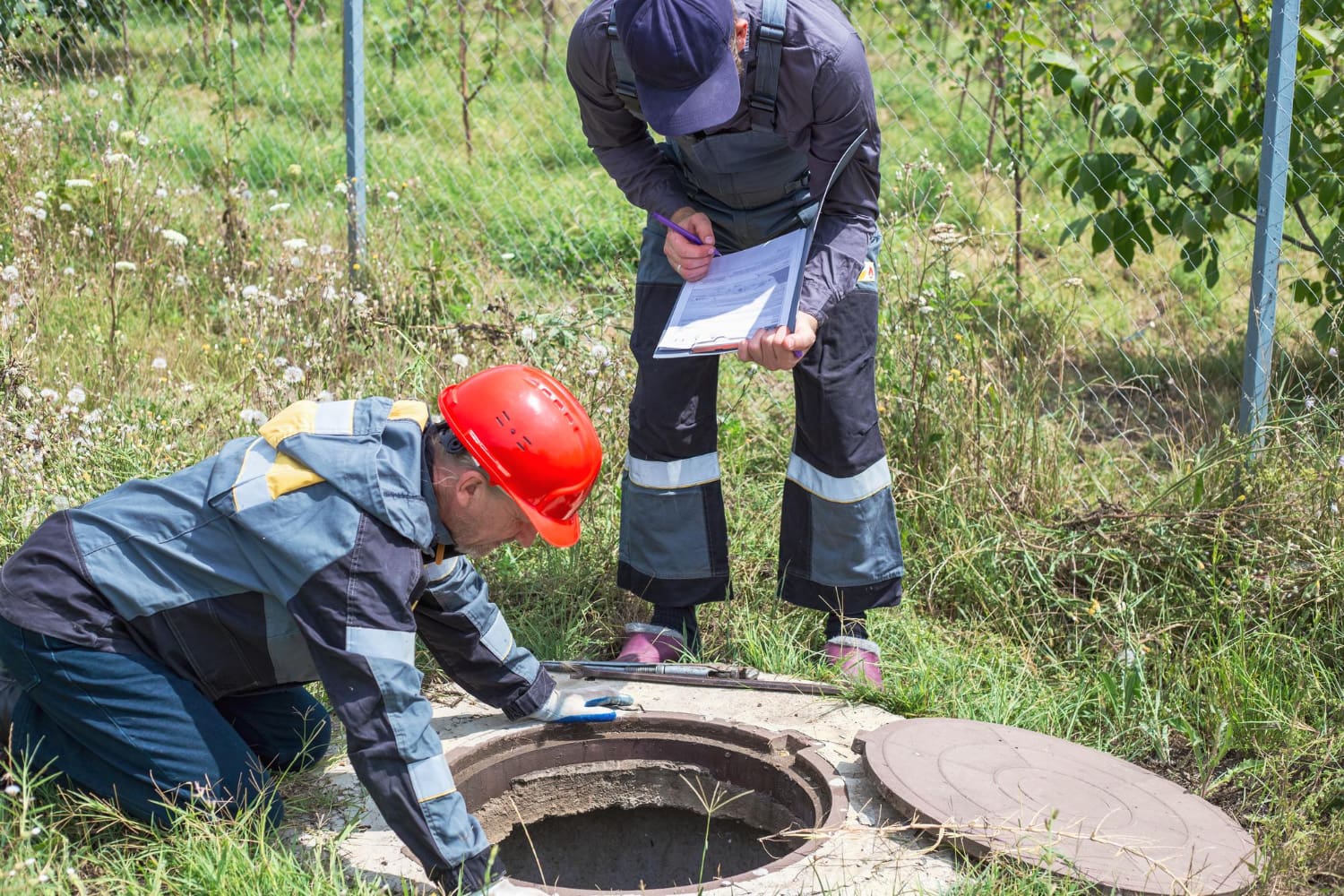
Sewer line diagnostic troubleshooting specialists are the professionals you call when drain problems stop responding to standard fixes. Their job is to find the exact cause of what’s happening underground, using tools and training that go well beyond what a general plumber brings to the call.
When your drains back up or sewage smells fill your home, the problem often lies deep within your sewer line where you can’t see it. Sewer line diagnostic troubleshooting specialists use advanced tools and training to find the exact cause of your plumbing problems without guesswork or unnecessary digging. These professionals can identify issues like blockages, cracks, root intrusion, and pipe collapse that regular plumbers might miss.
Finding the right specialist means getting your sewer system inspected with cameras and other modern equipment that pinpoints problems quickly. You’ll learn how these experts approach different types of sewer issues, what diagnostic methods they use, and why their specialized knowledge saves you time and money. Understanding the troubleshooting process helps you make better decisions when sewer problems happen at your home.
Whether you’re dealing with slow drains, bad odors, or a complete backup, knowing what specialists look for can help you act fast. The right diagnosis prevents small problems from turning into expensive emergencies that damage your property.
Here’s what you’ll find inside:
- Specialist approaches to sewer inspection
- Common issues found in sewer lines
- Diagnostic tools and techniques
- Troubleshooting steps for sewer problems
- Benefits of working with a specialist
Keep reading to understand how the right diagnosis leads to the right fix the first time, sparing you the cycle of repeated repairs and rising costs.
Specialist approaches to sewer inspection
Sewer line inspection experts use advanced tools and training to find problems that regular plumbers might miss. Plumbing diagnostic professionals bring specialized knowledge that makes a real difference when dealing with complex underground pipe issues.
Role of advanced inspection in problem detection
Advanced inspection methods let specialists see exactly what’s happening inside your sewer lines. CCTV camera technology allows experts to send high-resolution cameras through your pipes to identify cracks, blockages, root intrusions, and corrosion. These cameras attach to flexible cables that navigate bends and turns in your sewer system.
Specialists also use acoustic testing to detect leaks by listening for sound changes in the pipes. Robotic crawlers can access areas that standard equipment cannot reach. These tools give precise measurements and locations of problems.
Key detection capabilities:
- Pinpoint exact locations of damage
- Identify multiple issues in one inspection
- Document problems with video evidence
- Measure pipe degradation and structural integrity
This technology-driven approach means you get accurate answers without digging up your yard. Specialists can create detailed reports showing exactly where repairs are needed and what type of damage exists.
Difference between general plumbers and specialists
General plumbers handle common repairs like fixing leaks, unclogging drains, and replacing fixtures. Sewer line inspection experts focus specifically on underground pipe systems and use specialized diagnostic equipment.
Specialists receive additional training in operating CCTV inspection cameras, interpreting video footage, and understanding complex underground infrastructure. They know how to read pipe conditions, recognize early warning signs of failure, and assess the severity of different defects.
General plumbers might use basic tools like drain snakes or hydro-jetting equipment. Specialists invest in advanced technology including robotic inspection systems, sonar equipment, and GPS mapping tools that track pipe locations underground.
The specialist’s experience with sewer diagnostics means they can spot subtle problems that others might overlook. They understand how different pipe materials age and what specific defects look like at various stages.
Why expertise matters in complex sewer issues
Complex sewer problems require knowledge that goes beyond basic plumbing skills. Root intrusions, pipe bellying, offset joints, and deteriorating cast iron pipes need expert analysis to determine the best repair approach.
Specialists understand how soil conditions affect pipes and can identify issues caused by ground settlement or tree roots. They know when trenchless repair methods work and when traditional excavation is necessary. This expertise saves you money by avoiding unnecessary repairs.
Misdiagnosing sewer problems leads to failed repairs and wasted expenses. An expert can tell the difference between a simple clog and a collapsed pipe section. They assess whether your entire line needs replacement or if targeted repairs will solve the issue.
Plumbing diagnostic professionals also understand local building codes and permit requirements for sewer work. Their detailed inspection reports provide documentation needed for insurance claims or property transactions.
Common issues found in sewer lines
Sewer lines experience three main types of problems that require professional diagnosis: blockages from various materials, structural damage to pipes, and installation-related defects. Each issue creates distinct symptoms and requires different repair approaches.
Blockages caused by grease, debris, and roots
Grease buildup is one of the most common causes of sewer line blockages. According to the U.S. Environmental Protection Agency, fats, oils, and grease poured down drains cool and congeal on the inside of sewer pipes, where they build up over time and are a leading cause of sewer line blockages and sanitary sewer overflows in collection systems across the country. Over time, this creates thick layers that narrow the pipe opening and trap other materials.
Tree roots actively seek out sewer lines because they contain water and nutrients. Small roots can enter pipes through tiny cracks or loose joints. Once inside, they grow into thick masses that block water flow completely.
Solid debris like food scraps, paper products, and hygiene items also cause blockages. These materials don’t break down properly in water and can stick to rough pipe interiors or existing grease deposits.
Common blockage materials:
- Cooking grease and fats
- Tree and shrub roots
- Paper towels and wipes
- Hair and soap buildup
- Food waste and coffee grounds
Cracked or collapsed underground pipes
Pipes crack and collapse due to age, ground movement, and external pressure. Cast iron and clay pipes, common in older homes, deteriorate over 50 to 100 years. The pipe material becomes brittle and weak.
Shifting soil puts stress on underground pipes. Heavy vehicles driving over your yard, construction nearby, or natural soil settling can create pressure points. These forces crack pipes or cause complete collapse.
According to the U.S. Geological Survey, most states are at some risk from earthquake shaking, with the West Coast, Alaska, and Hawaii facing the highest hazard levels, and ground motion from seismic events can stress or damage buried utilities including sewer pipes. Water leaking from damaged pipes erodes surrounding soil, which removes support and leads to further collapse.
Improper pipe slope or misalignment issues
Sewer pipes need the correct slope to move waste using gravity. The standard slope is 1/4 inch per foot of pipe length. Too much slope causes water to rush ahead of solid waste. Too little slope prevents proper drainage.
Misalignment happens during installation or when pipes shift over time. Pipes that don’t connect properly create gaps where waste accumulates. Low spots in the pipe, called bellies or sags, trap water and debris.
These installation defects often occur in older homes or where unlicensed contractors performed work. The problems might not appear immediately but worsen as waste builds up in problem areas. Repairs typically require excavation to reset pipes at the correct angle.
Diagnostic tools and techniques
Sewer line diagnostic troubleshooting specialists rely on specialized equipment to identify problems beneath the surface. Modern technology allows these underground pipe diagnostic specialists to pinpoint issues without unnecessary excavation or guesswork.
Sewer camera inspection systems
Video inspection cameras serve as the primary tool for diagnosing sewer line problems. These waterproof cameras attach to flexible cables that feed through your pipes, transmitting real-time footage to monitors above ground. The camera heads typically include LED lights to illuminate dark pipes and can rotate to capture images from multiple angles.
Most professional-grade systems record footage for later review and include distance counters that mark the exact location of any problems found. The cameras can detect cracks, blockages, root intrusions, and pipe deterioration with precision. High-definition models reveal even minor issues like small leaks or early-stage corrosion.
Sewer camera inspection troubleshooting identifies problems that would otherwise remain hidden until they cause major failures. The footage helps specialists determine whether you need repairs or full replacement. Many systems now include built-in transmitters that help locate the camera’s position underground, making it easier to plan repairs.
Hydro jetting and mechanical cleaning tools
Hydro jetting equipment uses high-pressure water streams to clear blockages and clean pipe walls. The system pumps water through specialized nozzles at pressures ranging from 3,000 to 8,000 PSI. Forward-facing jets break through clogs while rear-facing jets propel the hose through your pipes and scour the walls clean.
This method removes grease buildup, mineral deposits, and tree roots more thoroughly than traditional snaking. Specialists adjust water pressure based on your pipe material and condition to prevent damage.
Mechanical tools like drain snakes and augers still serve important roles for specific situations. Power augers use rotating cables with cutting heads to break through solid obstructions. These tools work well for isolated clogs and provide a less aggressive option for older or fragile pipes.
Locating and mapping underground pipe systems
Electronic pipe locators track the position and depth of your sewer lines without digging. These devices detect signals from transmitters attached to camera heads or sent through the pipes themselves. The locator displays depth measurements and marks the exact path of your underground lines.
Ground-penetrating radar offers another method for mapping pipe systems. This technology sends radio waves into the ground and measures the signals that bounce back, creating images of buried infrastructure.
GPS-enabled mapping systems allow specialists to create detailed records of your sewer layout. These digital maps show pipe locations, depths, connection points, and previously identified problem areas. This documentation proves valuable for future maintenance and helps new technicians quickly understand your system.
Troubleshooting steps for sewer problems
Professional sewer troubleshooting services follow a three-step process to diagnose issues: evaluating visible symptoms, conducting camera inspections to see inside pipes, and determining whether repairs or full replacement makes sense for your situation.
Initial symptom evaluation and system assessment
The first step involves gathering information about what you’re experiencing. A specialist will ask about slow drains, gurgling sounds, sewage odors, or water backing up into fixtures. They’ll want to know if problems affect one drain or multiple locations in your home.
The technician checks which fixtures are affected and where they connect to your main sewer line. Multiple slow drains or backups in lower-level fixtures often point to main line issues rather than simple clogs.
They’ll also inspect accessible cleanouts and look for wet spots in your yard. Tree locations matter because roots commonly invade sewer pipes seeking water. The age of your system helps predict likely problems since older clay or cast iron pipes deteriorate differently than modern PVC.
Basic tests include running water in different fixtures and flushing toilets to see how the system responds. This testing reveals whether blockages are partial or complete.
Camera inspection and live diagnostics
A waterproof camera attached to a flexible cable travels through your sewer line to show exactly what’s happening inside. The camera sends live video to a monitor above ground.
This inspection reveals:
- Blockages from grease, waste, or foreign objects
- Tree root intrusion breaking through pipe joints
- Cracks or breaks in the pipe walls
- Collapsed sections where pipes have caved in
- Bellied pipes that sag and collect debris
The camera has a locator that marks the depth and exact location of problems in your yard. Technicians measure distances from entry points to problem areas. Most inspections take 30 to 60 minutes depending on your line’s length and condition.
Identifying repair vs replacement solutions
Video evidence determines whether you need spot repairs or full line replacement. Small cracks, single root intrusions, or localized blockages typically qualify for targeted fixes.
Trenchless spot repairs handle problems at specific points without digging up your entire yard. Pipe lining adds a new interior coating to seal cracks and keep roots out.
Full replacement becomes necessary when multiple sections show damage, pipes have collapsed, or the entire line has deteriorated. Your pipe’s material and age factor into this decision since outdated systems may fail repeatedly even after repairs.
Cost comparisons look at immediate repair expenses versus long-term replacement value. Replacing severely damaged pipes now often costs less than multiple emergency repairs over coming years.
Benefits of working with a specialist
Sewer line diagnostic specialists bring advanced tools and expertise that save you time, money, and property damage. Their training allows them to solve complex problems without resorting to expensive digging or temporary fixes.
Preventing unnecessary excavation work
Modern sewer line specialists use camera inspection equipment to see inside your pipes without any digging. This technology lets them pinpoint exact locations of clogs, cracks, or collapsed sections before any work begins.
You avoid the high costs and property damage that come with traditional excavation methods. A specialist can often repair your sewer line through small access points instead of tearing up your entire yard.
Trenchless repair techniques allow professionals to fix or replace sections of pipe with minimal surface disruption. This means your driveway, landscaping, and sidewalks stay intact during most repairs.
The diagnostic equipment specialists use can also map your entire sewer system. This creates a clear picture of your pipe’s condition and helps identify potential problem areas before they become emergencies.
Faster and more accurate problem resolution
Specialists identify the root cause of your sewer issues quickly through diagnostic testing and experience. They know the difference between symptoms and actual problems, which means they fix what’s really wrong the first time.
Their specialized training covers multiple repair methods and pipe materials. This knowledge lets them choose the most effective solution for your specific situation rather than using a one-size-fits-all approach.
Professional-grade equipment speeds up both diagnosis and repairs. Video inspection cameras, hydro-jetting tools, and pipe locating devices reduce the time needed to complete your project from days to hours in many cases.
Long-term prevention of recurring sewer issues
A specialist addresses the underlying causes of your sewer problems instead of just treating surface symptoms. They examine factors like pipe material, soil conditions, tree root infiltration, and system design that contribute to ongoing issues.
Comprehensive repairs from trained professionals last longer than quick fixes. They follow industry standards and building codes that ensure your sewer system functions properly for years.
Specialists can identify patterns in your sewer system that lead to repeat problems. They provide recommendations for maintenance schedules and preventive measures tailored to your property’s specific needs.
Professional repairs often come with warranties that protect your investment. This gives you recourse if problems return and demonstrates the specialist’s confidence in their work quality.
Conclusion
Working with sewer line diagnostic troubleshooting specialists gives you access to the expertise and equipment needed to solve complex plumbing problems. These professionals use advanced tools to identify issues quickly and accurately.
You benefit from their training and experience when dealing with stubborn sewer line problems. They can spot issues that might not be obvious to an untrained eye.
Your sewer line carries wastewater away from your home every day. Keeping it in good working condition protects your property and maintains a healthy living environment.
Professional diagnostics help you make informed decisions about your plumbing system. You’ll know exactly what’s wrong and what options you have for fixing it.
The right specialist will explain their findings clearly and recommend the most cost-effective solution for your situation. They can also advise you on preventive maintenance to avoid future problems.
When you notice signs of sewer line trouble, getting a professional diagnosis is the smart choice. Early detection often means simpler repairs and lower costs. The investment in professional diagnostic services can save you from expensive emergency repairs down the road.
For a precise diagnosis backed by modern tools and clear recommendations, schedule your appointment with Pro Sewer Repair and get answers on what’s really happening in your sewer line.