

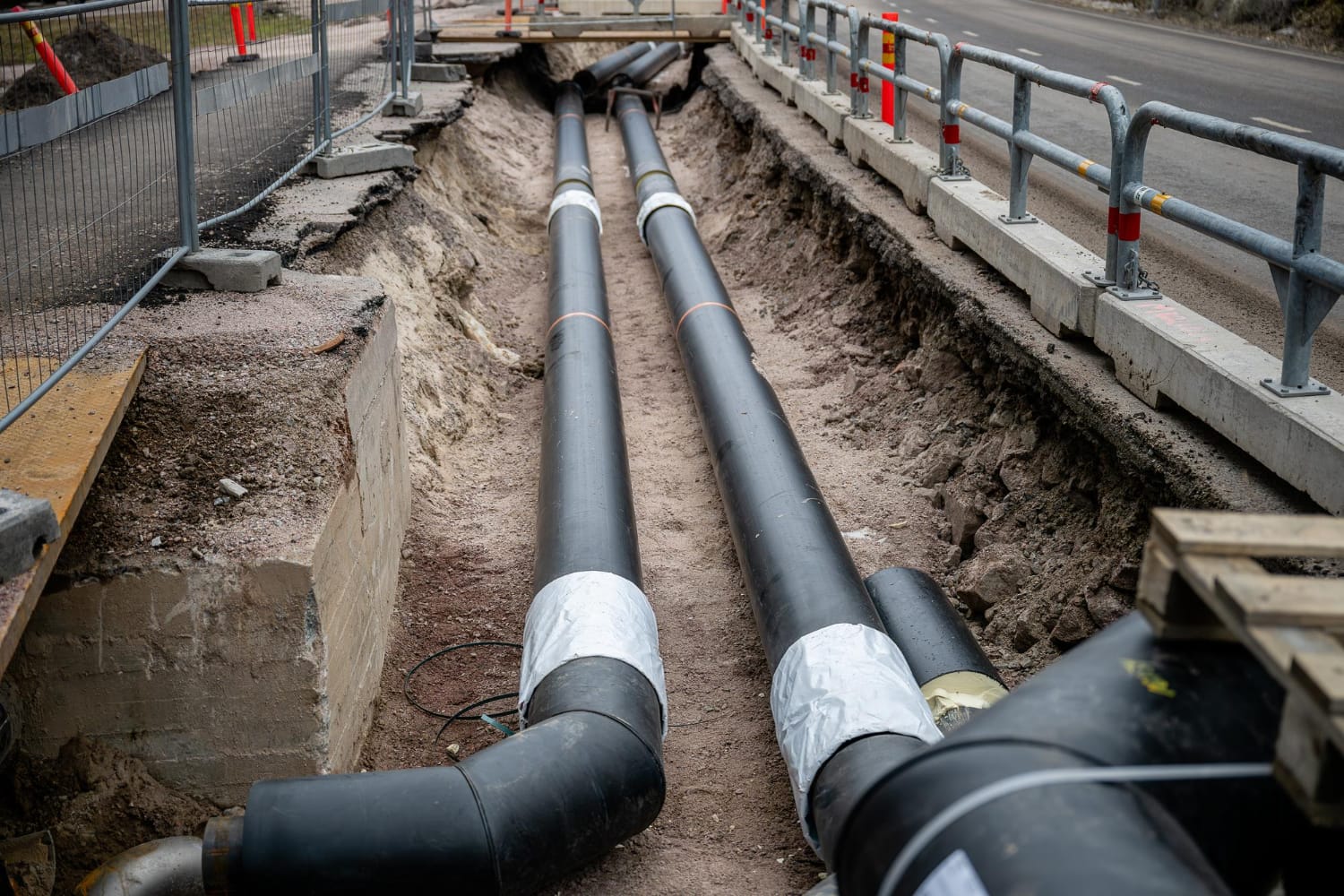
Your sewer line runs underground and out of sight, which is exactly why small problems often go unnoticed until they become expensive emergencies. Sewer pipe inspection services in Washington use in-pipe video technology to catch cracks, root intrusion, and blockages long before they force a backup into your home.
Sewer pipe problems can cause serious damage to your Washington home if you don’t catch them early. Hidden issues like tree root invasion, pipe cracks, and blockages often develop underground where you can’t see them. Professional sewer pipe inspection services in Washington use special camera technology to look inside your pipes and find problems before they turn into expensive emergencies.
Many Washington homeowners don’t think about their sewer system until something goes wrong. A backup in your basement or slow drains throughout your house are signs that something might be blocking or damaging your pipes. Regular inspections help you avoid these messy and costly situations.
Understanding how sewer inspections work and when you need them can save you thousands of dollars in repairs. From buying a new home to maintaining your current property, knowing the condition of your sewer lines gives you important information about your plumbing system. This guide will help you learn why inspections matter, what the process involves, and how to choose the right professionals for the job.
Here’s what you’ll find inside:
- Why sewer pipe inspection is important for Washington homes
- Common reasons to schedule sewer inspection services
- Professional sewer camera inspection process
- Benefits of hiring sewer inspection contractors in Washington
- When homeowners should schedule sewer pipe inspection
Keep reading to learn exactly when an inspection pays for itself and how to use the findings to protect your property value.
Why sewer pipe inspection is important for Washington homes
Washington homes face unique sewer line challenges due to the state’s climate, aging infrastructure, and soil conditions. Regular inspections help you catch problems early and avoid the stress of emergency repairs.
Detect hidden pipe damage before it worsens
Sewer pipes deteriorate underground where you cannot see them. Cracks, corrosion, and structural damage develop slowly over time. A camera inspection reveals these issues before they turn into complete line failures.
Many Washington homes were built before 1980 and still have original sewer lines. These older pipes often contain materials that break down faster than modern options. Clay and cast iron pipes are common in older properties and become brittle with age.
Ground movement from soil settling or seismic activity can shift pipes out of alignment. Water table changes in Washington’s wet climate put extra pressure on buried lines. A residential sewer inspection Washington state professionals conduct shows exactly where damage exists and how severe it has become.
Prevent expensive sewer line repairs
Sewer line replacement costs thousands of dollars. Full line replacements often run between $5,000 and $20,000 depending on your property layout and pipe depth. Early detection through inspection lets you address small problems before they require extensive work.
Minor repairs like sealing a crack or removing a localized blockage cost far less than emergency excavation. When you know the condition of your pipes, you can plan and budget for repairs on your schedule.
A sewer scope inspection during home purchase protects your investment. You can negotiate repairs with the seller or adjust your offer based on what the inspection reveals. Without this information, you risk inheriting expensive problems that surface shortly after closing.
Identify root intrusion and blockages
Tree roots grow into sewer lines through small cracks and joints seeking water and nutrients. Once inside, roots expand and create major blockages. According to the U.S. Environmental Protection Agency, homeowners should keep trees and woody shrubs away from wastewater system components because roots naturally grow toward the moisture and nutrients inside pipes and can quickly crack or clog them. Washington’s abundant vegetation makes root intrusion one of the most common sewer problems in the state.
Camera inspections show exactly where roots have entered your line. You can see the extent of growth and plan the right treatment. Some root problems need hydro jetting to clear the pipes, while severe cases may require pipe repair or replacement.
Other blockages form from grease buildup, debris accumulation, or items that should not be flushed. Regular inspections help you maintain clear lines and address buildup before it causes backups into your home.
Maintain healthy residential plumbing systems
Your sewer line connects to every drain in your home. When the main line has problems, your entire plumbing system suffers. Slow drains, gurgling sounds, and sewage odors often indicate sewer line issues.
Regular inspections keep your system running properly. You catch declining pipe conditions, improper slope that causes standing water, and connections that have separated. These factors affect how well wastewater flows away from your property.
A residential sewer inspection Washington state homeowners schedule every few years provides peace of mind. You know your system works correctly and can prevent health hazards from sewage backups. Documentation from inspections also proves valuable for insurance claims and future property sales.
Common reasons to schedule sewer inspection services
Knowing when to call for a sewer inspection can prevent expensive repairs and health hazards in your Washington property. Problems like slow drainage, backups, bad smells, and real estate transactions are the most common situations that require professional camera inspection of your sewer lines.
Slow drains across multiple fixtures
When one drain runs slow, you likely have a localized clog. But when multiple drains throughout your property drain slowly at the same time, this points to a problem in your main sewer line.
You might notice your kitchen sink, bathroom sink, and shower all draining slower than normal. This happens because a blockage or buildup in the main line restricts water flow from all your fixtures. Tree roots, grease buildup, and pipe deterioration commonly cause this issue.
A camera inspection shows exactly what’s blocking your line and where the problem sits. The plumber can see whether roots have invaded the pipe, if grease has coated the walls, or if the pipe has collapsed or broken. This information helps determine the right fix, whether that’s hydro jetting, pipe repair, or replacement.
Ignoring slow drains leads to complete blockages. Once your main line fully clogs, wastewater has nowhere to go and backs up into your property.
Frequent sewer backups or overflows
Sewer backups are messy, unsanitary, and signal serious problems in your line. Water and waste backing up through floor drains, toilets, or tubs means your sewer line cannot handle the flow.
Backups often start small. You might see occasional overflow during heavy water use or after rain. Over time, these episodes become more frequent and severe. Raw sewage backing into your property creates health risks and causes damage to floors, walls, and belongings.
Tree root intrusion is a leading cause of repeated backups in Washington properties. Roots seek water and nutrients, entering pipes through tiny cracks and growing into thick masses. Broken or collapsed pipes also prevent proper drainage and cause backups.
A video inspection reveals the exact cause and location of the blockage. The camera shows whether you’re dealing with roots, a broken pipe, or severe buildup. This diagnostic step is essential before any repair work begins because it ensures the correct fix for your specific problem.
Unpleasant sewer odors inside the property
Sewer gas smells like rotten eggs and should never enter your living or working spaces. When you smell this odor inside your property, it indicates a break or crack in your sewer line.
Cracks and breaks in pipes allow sewer gas to escape before reaching the vent system. These openings can result from ground settling, tree root damage, or pipe deterioration. Sometimes the smell is stronger after rain or during certain times of day when you use more water.
According to the U.S. Occupational Safety and Health Administration, hydrogen sulfide at low concentrations irritates the eyes, nose, and throat, while moderate levels can trigger headaches, coughing, and breathing difficulty, and high concentrations can cause rapid loss of consciousness. The smell also makes your property unpleasant and can indicate bigger structural issues with your pipes.
Camera inspection pinpoints exactly where your pipe is damaged. The technician can see cracks, holes, separated joints, or corroded sections that let gas escape. Identifying the precise location and extent of damage helps plan efficient repairs without unnecessary digging or guesswork.
Home purchase or property sale inspection
A sewer line inspection should be part of any real estate transaction. Most home inspectors don’t include sewer lines in standard inspections, but problems with these pipes cost thousands to repair.
Buyers benefit from knowing the condition of sewer lines before closing. Older properties in Washington often have clay or cast iron pipes that deteriorate over time. Tree roots, ground shifting, and age cause damage that isn’t visible from the surface. Discovering major sewer issues after purchase leaves you responsible for expensive repairs.
Sellers can also benefit from inspections. Knowing your sewer line’s condition before listing helps avoid surprises during negotiations. If problems exist, you can address them proactively or price accordingly.
The inspection provides video evidence of pipe condition. You’ll see whether pipes are clear and intact or if they show signs of damage, root intrusion, or deterioration. This documentation protects both parties and helps negotiate repairs or price adjustments based on facts rather than estimates.
Professional sewer camera inspection process
Professional sewer pipe inspection uses advanced camera technology to examine the inside of your pipes without digging or guessing. Trained technicians follow a systematic process to identify problems and provide solutions based on what they find.
Inserting high-resolution camera equipment into pipes
A technician starts by feeding a waterproof, high-definition camera attached to a flexible cable into your sewer line. The camera enters through an access point like a cleanout or drain opening. The flexible rod allows the camera to navigate through bends and turns in your pipes.
The camera has its own light source to illuminate the dark pipe interior. This lighting lets the camera capture clear images as it moves through the system. The flexible cable can extend hundreds of feet into your sewer line, reaching from your home to the main connection.
Most cameras used in sewer camera inspection Washington services include an electromagnetic transmitter. This device helps technicians track the camera’s exact location from above ground. They can mark the precise spot where problems exist without digging up your entire yard.
Locating blockages and structural damage
As the camera travels through your pipes, technicians watch a live video feed on a monitor. They look for common problems that affect sewer lines. These issues include tree root intrusions, grease buildup, and foreign objects stuck in the pipe.
The camera also reveals structural problems like cracks, breaks, and pipe separations. Technicians can spot areas where pipes have shifted or settled. They identify sections where the pipe has collapsed or deteriorated due to age or corrosion.
Common issues found during inspection:
- Tree roots growing into pipe joints
- Bellied or sagging pipe sections
- Corrosion and rust damage
- Offset or misaligned pipe connections
- Scale and mineral buildup on pipe walls
Recording pipe condition for accurate diagnosis
Technicians record the entire inspection on video. This recording creates a permanent record of your pipe’s condition. You can review the footage to see the exact problems inside your sewer line.
The video includes timestamp and location data. This information helps identify where each problem exists within your system. Technicians take still images of significant issues for detailed analysis.
The recorded footage serves multiple purposes. It helps you understand what repairs are needed. Insurance companies and real estate transactions often require these inspection videos as documentation.
Providing repair recommendations
After completing the inspection, technicians analyze what they found. They explain each problem and how it affects your sewer system. You receive a detailed report outlining the condition of your pipes.
The recommendations include specific repair solutions for each issue. Minor problems might only need hydro-jetting to clear blockages. Serious damage could require pipe lining or replacement of affected sections.
Technicians prioritize repairs based on severity. They tell you which problems need immediate attention and which ones you can monitor. You also receive cost estimates for the recommended work. This information helps you make informed decisions about maintaining your sewer system.
Benefits of hiring sewer inspection contractors in Washington
Professional sewer line inspection service WA providers offer specialized expertise and advanced equipment that makes finding and fixing pipe problems easier. Working with qualified sewer system inspection contractors WA gives you access to technology and knowledge that protects your property investment.
Accurate underground pipe damage detection
Trained contractors use high-resolution camera systems to identify problems deep underground that you cannot see from the surface. These cameras reveal cracks, breaks, corrosion, root intrusion, and blockages with exact locations marked in feet from your home’s foundation.
Washington’s damp climate creates specific challenges. Tree roots grow aggressively toward moisture in sewer lines, and older clay or cast iron pipes deteriorate faster in wet soil conditions. Professional inspectors recognize these regional issues and spot early warning signs before they turn into emergency repairs.
The inspection footage provides clear video evidence of your pipe’s condition. You receive a detailed report showing problem areas, their severity, and recommended solutions. This documentation helps you make informed decisions about repairs and proves valuable when filing insurance claims or negotiating property sales.
Non-invasive inspection technology
Modern camera inspections eliminate the need to dig up your yard just to see what’s wrong. Technicians insert small waterproof cameras through existing access points like cleanouts or toilet drains. The cameras travel through your entire sewer system without causing any damage to your property.
This approach saves you thousands of dollars in unnecessary excavation costs. Your landscaping, driveways, and sidewalks stay intact during the inspection process. The cameras transmit real-time video to monitors above ground, letting inspectors examine pipe interiors without breaking concrete or tearing up grass.
Washington contractors often use this technology to determine if you qualify for trenchless repair methods. These alternatives to traditional digging include pipe bursting and cured-in-place pipe lining, which further reduce property disruption and restoration expenses.
Faster problem identification
Professional inspectors complete thorough sewer line examinations in one to two hours. Their experience helps them quickly distinguish between minor issues and serious problems that need immediate attention. You get answers the same day instead of waiting weeks for problems to worsen.
The technology shows exactly where blockages or damage occur within your system. Contractors measure distances precisely, so repair crews know the exact dig location if excavation becomes necessary. This precision eliminates guesswork and reduces labor time during repairs.
Quick identification prevents small problems from becoming catastrophic failures. A tiny crack spotted early might only need spot repair, while ignored damage can lead to complete pipe collapse and sewage backups into your home.
Preventive maintenance planning
Regular inspections help you schedule repairs before emergencies happen. Contractors assess your pipe’s remaining lifespan and create a maintenance timeline based on actual conditions rather than guesses. This planning lets you budget for future work instead of facing unexpected five-figure repair bills.
Washington’s older neighborhoods often have aging sewer infrastructure. Inspection services reveal whether your pipes match the typical lifespan for their material type. Clay pipes last 50-60 years, cast iron lasts 75-100 years, and PVC lasts over 100 years. Knowing your pipe’s age and condition helps you plan replacements strategically.
Documentation from inspections builds a maintenance history for your property. This record increases your home’s value and gives future buyers confidence in your plumbing system’s reliability.
When homeowners should schedule sewer pipe inspection
Sewer pipe inspections should occur at specific times to protect your home and avoid expensive repairs. The best times include before purchasing a property, when you notice drainage issues, after tree roots grow near your pipes, and as part of regular home maintenance.
Before buying a home in Washington (US state)
You should always schedule a sewer inspection before buying any home in Washington. The inspection reveals problems that a standard home inspection might miss. These problems include cracked pipes, root intrusion, and outdated materials.
Homes built before 1980 often have clay or cast iron pipes that deteriorate over time. Washington’s climate and mature trees can also cause damage to older sewer systems. According to the U.S. Department of Housing and Urban Development, the service life of drain, waste, and vent piping varies widely by material and installation conditions, with cast iron and vitrified clay commonly reaching the end of their useful life in older homes, which makes pre-purchase sewer evaluation critical for houses built decades ago.
The inspection gives you information to negotiate the sale price or request repairs before closing. You can also use the findings to plan for future maintenance needs. If the seller refuses to address major sewer problems, you can make an informed decision about whether to proceed with the purchase.
When drainage problems begin appearing
Schedule an inspection immediately when you notice warning signs in your plumbing. Slow drains in multiple fixtures often indicate a problem in your main sewer line. Gurgling sounds from toilets or drains suggest air trapped in the pipes from a blockage.
Foul odors coming from drains point to a backup or crack in the sewer system. Water pooling in your yard, especially above the sewer line path, means sewage may be leaking underground. These signs require prompt attention to prevent sewage backups inside your home.
A camera inspection identifies the exact location and cause of the problem. This allows plumbers to fix the issue without unnecessary digging or guesswork.
After tree root growth near sewer lines
Tree roots cause significant damage to sewer pipes as they search for water and nutrients. Roots can penetrate small cracks and grow inside pipes, creating major blockages. This problem is common in Washington where properties have mature trees.
You should inspect your sewer line every 1-2 years if trees grow within 10 feet of your sewer pipes. Willow, maple, and poplar trees are particularly aggressive in seeking water sources. Even after removing problematic trees, their roots can continue growing and damaging pipes for years.
Root intrusion often starts small but worsens quickly without intervention. Regular inspections catch root growth early when treatment with solutions like protective pipe lining is simpler and less expensive.
During annual plumbing maintenance
Include sewer line inspections in your regular home maintenance schedule. Most homes should have inspections every 2-3 years under normal conditions. Older homes or those with previous sewer problems need annual inspections.
Homes with PVC pipes installed after 1980 can typically wait 3-5 years between inspections. Properties with heavy water usage from large families should schedule more frequent checks. Regular inspections catch small issues before they become emergencies.
A maintenance inspection typically costs less than emergency service calls and major repairs. You can schedule these inspections during slower plumbing seasons when prices may be lower.
Conclusion
Sewer pipe inspection services in Washington offer you a smart way to protect your property and avoid expensive repairs. These services use video camera technology to show you the exact condition of your pipes. You can see cracks, blockages, tree roots, and other problems before they turn into major issues.
Regular inspections help you catch small problems early. This saves you money in the long run because repairs cost less when the damage is minor.
Professional inspection companies across Washington provide these services for homeowners and businesses. They use specialized cameras and equipment to check your entire sewer line. The video recordings give you a complete picture of what’s happening underground.
You should consider getting an inspection if you’re buying a home, notice slow drains, or haven’t had your sewer line checked in several years. Many companies offer free estimates and transparent pricing.
Taking action now with a sewer inspection can prevent water damage, health hazards, and costly emergency repairs later. You’ll know exactly what condition your pipes are in and what steps you might need to take. This knowledge helps you make informed decisions about your property’s plumbing system. To book a same-day camera inspection and get clear answers about what’s happening in your lines, schedule your appointment with Pro Sewer Repair today.