

When your sewer line breaks, you might think digging up your entire yard is the only option. Trenchless sewer repair experts fix damaged pipes without the need for large trenches, saving your landscaping and reducing repair time. This modern approach uses special tools and techniques to access and repair underground pipes through small entry points.
Finding the right professionals for this type of work can protect your property from unnecessary damage. These specialists use cameras to inspect your pipes and apply proven methods to fix problems from the inside. The process typically costs less in the long run because you avoid expenses like replacing driveways, gardens, and other damaged surfaces.
Understanding how trenchless repair works helps you make better choices about your plumbing needs. You’ll learn about different repair techniques, when to call for help, and what benefits you can expect. This guide covers everything you need to know about working with trenchless sewer repair experts.
Here’s what you need to know:
- Trenchless sewer repair experts: modern no-dig solution for sewer line damage
- What trenchless sewer repair means for homeowners
- Types of trenchless sewer repair techniques used by experts
- Benefits of hiring professional trenchless sewer repair contractors
- Signs you need trenchless sewer line repair
- When to call trenchless sewer repair experts
Keep reading to find out how no-dig methods can save your yard, your budget, and weeks of disruption when sewer problems strike.
Trenchless sewer repair experts: modern no-dig solution for sewer line damage
When your sewer line breaks or clogs, you don’t need to destroy your yard to fix it. Trenchless sewer repair experts use advanced no-dig technology to solve pipe problems without tearing up your property.
This modern method works like keyhole surgery for your plumbing. Licensed technicians access your damaged pipes through small entry points instead of digging a long trench across your lawn. They can repair or replace underground sewer lines while leaving your landscaping, driveway, and walkways mostly untouched.
Two main trenchless methods include:
- Pipe lining – A new liner is inserted into your existing damaged pipe and cured in place
- Pipe bursting – The old pipe is broken apart while a new pipe is pulled through at the same time
Professional plumbers use specialized equipment and cameras to inspect your sewer line first. This helps them determine if trenchless repair will work for your specific situation.
The process typically takes one to three days compared to a week or more for traditional dig methods. You’ll see less mess on your property and lower restoration costs since your yard stays mostly intact.
Trenchless repairs use durable materials that resist corrosion and tree root damage. These modern pipes can last 50 to 100 years with proper maintenance. The reduced disruption and long-lasting results make this approach popular among homeowners facing sewer line issues.
Always hire licensed plumbing experts with proven experience in trenchless technology. Their training and equipment make the difference between a quick fix and ongoing problems.
What trenchless sewer repair means for homeowners
Trenchless sewer line repair service offers you a way to fix broken pipes without tearing up your property. This method costs less, works faster, and protects your landscaping compared to old-style digging.
How no-dig technology repairs underground pipes
Trenchless technology fixes your sewer pipes through small access points instead of digging long trenches across your yard. A plumber uses specialized equipment to repair or replace pipes from inside.
The two main methods include:
- Pipe lining – A flexible tube coated with resin gets inserted into your damaged pipe, then inflated and hardened to create a new pipe inside the old one
- Pipe bursting – A new pipe gets pulled through the old damaged pipe while breaking apart the old material
Both approaches only require one or two small access holes. Your plumber runs a camera through the sewer line first to find the exact problem location. The repair typically takes one to two days instead of a full week.
You keep your water running during most of the process. Your driveway, garden, and sidewalks stay intact.
Difference between trenchless repair and traditional excavation
Traditional sewer repair requires digging a trench along the entire length of your damaged pipe. This means tearing up your lawn, removing trees or shrubs, and possibly breaking concrete.
Residential trenchless sewer repair uses existing access points or creates just two small entry holes. The work happens underground without disturbing the surface. According to the U.S. Environmental Protection Agency, trenchless methods cut surface disruption dramatically compared to open-cut excavation, reducing restoration work on pavement, soil, and landscaping.
Traditional Excavation:
- 5-7 days of work
- Full trench across property
- Landscape restoration needed
- Higher labor costs
- Permits often required
Trenchless Repair:
- 1-2 days of work
- Two small access points
- Minimal surface disruption
- Lower overall costs
- Fewer permit requirements
You save money on restoration costs with trenchless methods. No need to replace your driveway, reseed grass, or replant gardens after the repair finishes.
When trenchless sewer repair is the best choice
Trenchless repair works well when your existing pipes have structural integrity in most areas. You need at least some sections of stable pipe for the new materials to anchor properly.
This method suits you if your property has established landscaping you want to preserve. It also makes sense when pipes run under driveways, patios, or other hardscaping that costs a lot to remove and replace.
Your sewer line must be accessible through cleanouts or the main connection points. Pipes that collapsed completely may need traditional excavation instead.
Common sewer problems solved by trenchless methods
Trenchless sewer line repair service handles most underground pipe issues you encounter. Cracked or broken pipes from ground settling or age get sealed with pipe lining that lasts 50 years or more.
Tree root intrusion gets cleared before the new liner goes in, creating a smooth barrier roots cannot penetrate. The seamless interior prevents future root problems.
Corroded pipes in older homes get replaced through pipe bursting without excavating your entire yard. This works especially well for cast iron or clay pipes that have deteriorated over decades.
Bellied or sagging sections where pipes dipped and collect waste can be fixed by pulling through new pipes at the correct grade. Your plumber adjusts the slope during installation to restore proper drainage.
Small leaks and joint separations also get resolved permanently with trenchless methods.
Types of trenchless sewer repair techniques used by experts
Experts use several main techniques to fix or replace damaged sewer lines without digging up your entire yard. These methods rely on specialized equipment and technology to restore your pipes from the inside or replace them through small access points.
Pipe lining and structural pipe restoration
Pipe lining creates a new pipe inside your existing damaged one. Experts insert a flexible tube coated with epoxy resin into your sewer line through a small access point. They inflate this tube so it presses against the inner walls of your old pipe.
The epoxy hardens in place after a few hours. This creates a smooth, durable inner pipe that seals cracks and stops leaks.
This method works well for pipes with cracks, small holes, or corrosion. The new lining typically lasts 50 years or more. Your water flow often improves because the smooth epoxy surface reduces buildup and blockages.
Experts can line pipes ranging from 3 to 48 inches in diameter. The process usually takes one day to complete. You can use your sewer system again within hours after the epoxy cures.
Pipe bursting for complete pipe replacement
Pipe bursting replaces your entire sewer line without digging a trench. Experts pull a cone-shaped bursting head through your old pipe. This head breaks apart the damaged pipe as it moves forward.
A new pipe attaches directly behind the bursting head. The new pipe slides into place as the old one breaks away into the surrounding soil.
This technique offers true sewer line replacement without digging up your property. Experts only need two small access points at each end of the damaged section. The new pipe is usually made of high-density polyethylene, which resists corrosion and root intrusion.
You can replace pipes up to 500 feet long in a single run. The method works for increasing pipe diameter by one or two sizes. Most projects finish in one to three days depending on length and soil conditions.
Hydro jetting preparation cleaning
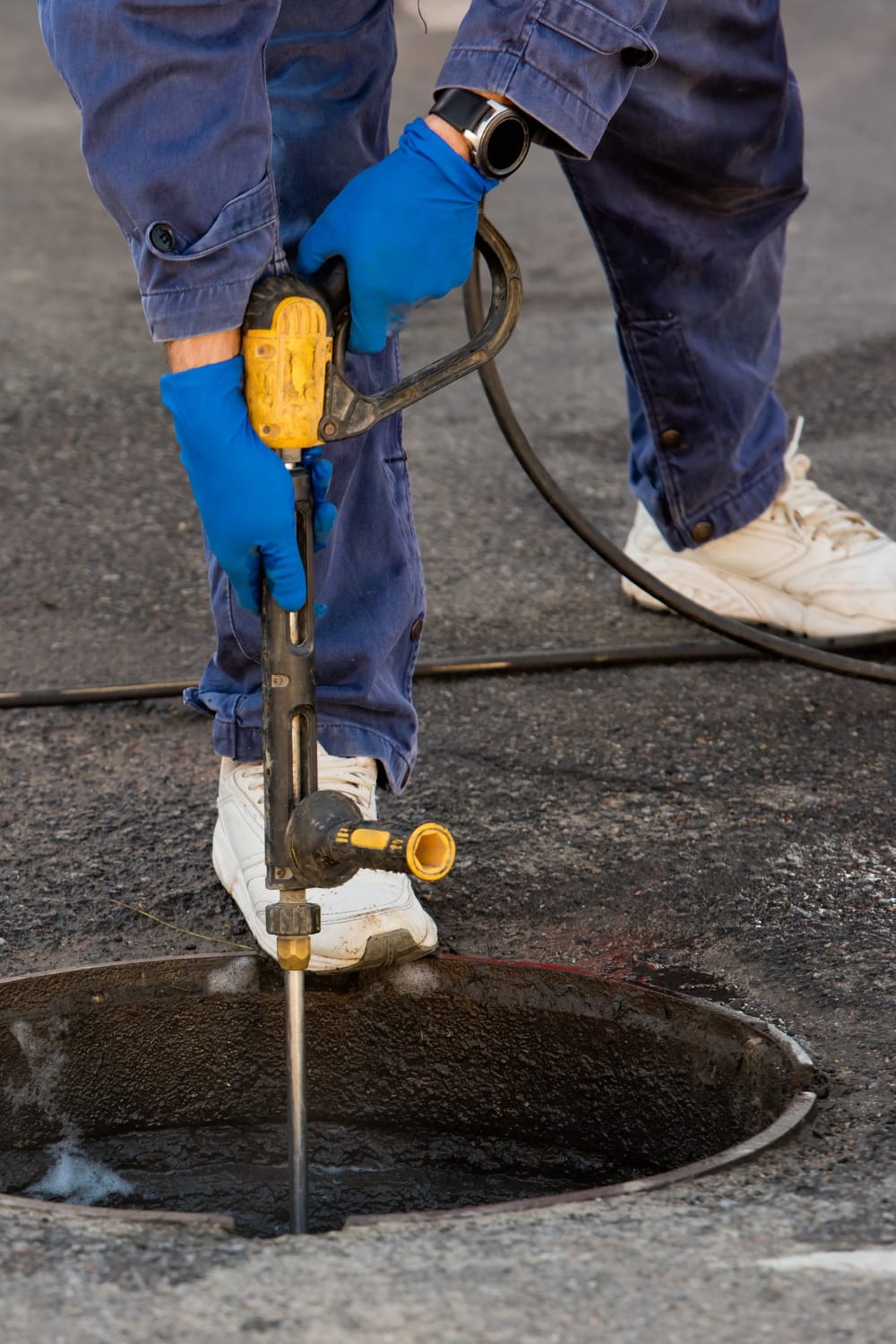
Hydro jetting uses high-pressure water to clean your pipes before repair work begins. Experts insert a specialized nozzle into your sewer line. This nozzle sprays water at pressures up to 4,000 PSI in all directions.
The powerful water stream removes grease, scale, tree roots, and other buildup. Clean pipes allow experts to properly inspect damage and ensure repair materials bond correctly.
This step is essential before pipe lining. Any debris left inside prevents the epoxy from adhering to pipe walls. Experts performing hydro trenchless sewer repair always clean lines first.
The process also clears minor blockages and restores flow in partially clogged pipes. Your pipes must be structurally sound enough to handle the water pressure.
Camera-guided sewer line installation
Experts use specialized cameras to guide all trenchless repair work. They insert a waterproof camera attached to a flexible cable into your sewer line. This camera sends live video to a monitor above ground.
The camera shows the exact location and extent of damage. Experts can see cracks, breaks, root intrusion, and collapsed sections. They measure distances precisely to know where to position repair equipment.
Modern cameras include lights and can rotate 360 degrees. Some models have locator transmitters that mark the exact position underground. Experts save video recordings to document conditions before and after repairs.
This technology eliminates guesswork from the repair process. You receive visual proof of problems and completed repairs. Camera inspections typically add 30 to 90 minutes to your project timeline.
Benefits of hiring professional trenchless sewer repair contractors
Professional trenchless pipe repair contractors use specialized equipment and techniques that protect your property while fixing damaged sewer lines efficiently. These experts deliver repairs that last longer and cost less than traditional digging methods when you factor in all the expenses.
Minimal yard and landscape damage
Trenchless sewer repair keeps your yard intact because it only requires one or two small access points instead of digging a long trench across your property. Your lawn, garden beds, trees, and shrubs stay in place during the repair process. The concrete driveway you just had installed won’t need to be torn up and replaced.
Professional contractors use specialized camera equipment to locate the exact problem area in your pipes. They access your sewer line through existing cleanouts or small entry points they create. This targeted approach means your landscaping remains undisturbed throughout the repair.
You avoid the costs and hassle of replanting grass, replacing plants, or fixing damaged hardscapes. The small access holes are easy to fill and blend back into your yard once the work is done.
Faster repair compared to digging methods
Professional trenchless contractors complete most repairs in one to two days instead of the week or more required for traditional excavation. The work moves quickly because crews don’t spend days digging trenches, removing soil, and then filling everything back in.
Trenchless methods like pipe lining or pipe bursting require minimal prep work. Technicians inspect your pipes with video cameras, prepare the damaged section, and complete the repair using specialized equipment inserted through small access points. Your home returns to normal function faster with less disruption to your daily routine.
The speed advantage matters especially if you’re dealing with sewage backups or other urgent plumbing issues. Quick repairs mean less time with unusable bathrooms and reduced risk of water damage to your property.
Cost savings on property restoration
The upfront price of trenchless repair might seem higher than traditional digging, but you save substantially on restoration costs. You won’t pay to replace sections of your driveway, patio, or walkways that would need demolition with excavation methods.
Landscaping restoration alone can cost thousands of dollars after traditional sewer repair. You’d need to pay for new sod, plants, mulch, and labor to return your yard to its previous condition. Trenchless repair eliminates most of these expenses because your property stays intact.
Professional trenchless contractors also reduce hidden costs like temporary relocation expenses if traditional digging would make your home unlivable during repairs. You keep using your property normally while the work happens.
Long-term durability of repaired pipes
Professional trenchless repairs create pipes that last 50 years or more when installed correctly by trained technicians. The materials used in pipe lining form a seamless, corrosion-resistant barrier inside your existing pipes.
Experienced contractors properly prepare pipe surfaces and ensure complete coverage during the lining process. This attention to detail prevents future leaks and blockages. The cured-in-place pipe liner becomes stronger than many original sewer line materials.
Professional installation matters because improperly installed liners can fail prematurely or create new problems. Qualified contractors use the right equipment and follow proven procedures to ensure your repair performs well for decades. They also provide warranties that protect your investment in case issues arise.
Signs you need trenchless sewer line repair
Your home will send clear warning signals when your sewer line is failing. Catching these problems early means you can fix them with trenchless methods before the damage gets worse.
Recurring drain backups in the home
When multiple drains in your house back up at the same time, your main sewer line likely has a problem. You might notice water coming up through floor drains, toilets gurgling when you run the sink, or sewage backing up into your bathtub or shower.
A single clogged drain is normal. But when the problem keeps coming back or affects several fixtures at once, the issue sits deeper in your system. Tree roots often grow into small cracks in sewer pipes and create blockages that standard drain cleaning can’t fix permanently.
These backups tend to happen in your lowest fixtures first because sewage flows downward. If you keep calling plumbers to clear the same drains every few months, your sewer line needs repair rather than another temporary fix.
Sewer odors inside basement or yard
Sewer gas smells like rotten eggs and should never enter your home or yard. When you notice these odors near drains, in your basement, or around your property, your sewer line has cracks or breaks that are leaking gas.
The smell might be stronger on humid days or when you run water. You could notice it near specific spots in your yard where the pipe runs underground. These odors mean sewage isn’t staying contained in the pipe where it belongs.
According to the U.S. Occupational Safety and Health Administration, hydrogen sulfide is a colorless gas with a strong rotten-egg odor, and exposure at elevated levels can cause headaches, nausea, respiratory irritation, and more serious health effects. The odor also signals that raw sewage might be leaking into the soil around your foundation.
Slow draining fixtures
All your sinks, tubs, and toilets should drain at their normal speed. When everything in your house starts draining slowly at the same time, you have a main line problem rather than individual fixture issues.
This happens when your sewer pipe has partial blockages from roots, grease buildup, or pipe deterioration. The water can still get through, but not at the normal rate. You might hear gurgling sounds as air tries to escape through the restricted pipe.
One slow drain means a local clog. Multiple slow drains throughout your home point to your main sewer line. The problem will only get worse as the blockage grows or the pipe damage spreads.
Wet or sinking ground areas
Unexplained soggy patches in your yard, especially when it hasn’t rained, indicate sewage leaking from underground pipes. The ground might feel spongy when you walk on it, or you might see unusually green grass growing in one spot.
These wet areas appear because wastewater is escaping through cracks or breaks in your sewer line. The extra moisture saturates the soil above the damaged section. Sometimes the ground will actually sink or form depressions as the soil erodes around the leaking pipe.
You might also notice plants growing faster or greener in these spots because sewage acts as fertilizer. Standing water, foul odors, or visible sewage on the surface means the problem is severe and needs immediate attention.
When to call trenchless sewer repair experts
Knowing when to contact professionals can save you from expensive emergency repairs and property damage. Certain warning signs and situations require expert evaluation to determine if trenchless methods are right for your sewer system.
After sewer line inspection reveals damage
A professional camera inspection shows the exact condition of your pipes. When this inspection reveals cracks, breaks, or deterioration, you need expert assessment right away.
Plumbers use specialized cameras to travel through your entire sewer line. The video footage shows blockages, root intrusions, and pipe damage that aren’t visible from above ground. This technology identifies problems before they cause sewage backups or complete pipe failure.
You should schedule an inspection if you notice slow drains, gurgling sounds, or sewage odors in your home. Once the camera reveals damage, trenchless repair experts can tell you if pipe lining or pipe bursting will fix the problem. They evaluate the severity and location of damage to recommend the best repair method.
The inspection results help you make informed decisions about repairs. Experts can show you the exact problem areas and explain why trenchless methods may work better than traditional digging.
When pipes are cracked or collapsed
Cracked pipes leak sewage into your yard and allow dirt to enter your system. Collapsed pipes stop water flow completely and need immediate professional attention.
Small cracks grow larger over time due to ground shifting, tree roots, and age. You might notice wet spots in your yard, foundation settling, or increased water bills. These signs indicate leaking pipes that need repair before they collapse.
Common causes of pipe damage:
- Tree root intrusion
- Ground movement or settling
- Corrosion from age
- Freezing temperatures
- Heavy vehicle traffic above pipes
A collapsed pipe is a plumbing emergency. Water and waste can’t flow through a collapsed section, causing backups into your home. Trenchless experts can replace the damaged section without digging up your entire yard.
Before structural plumbing failure occurs
Acting early prevents catastrophic failures that damage your home’s foundation and landscaping. Warning signs tell you when your sewer system needs professional evaluation.
Frequent clogs, slow drains throughout your home, and sewage backups indicate serious problems developing in your main sewer line. Don’t wait until sewage floods your basement or yard. Multiple drain issues at once mean the problem is in your main line, not individual fixtures.
You should call experts when you notice persistent sewer gas smells, unusually green patches in your lawn, or sinkholes forming in your yard. These signs mean sewage is leaking underground. The longer you wait, the more damage occurs to your property and the higher your repair costs become.
Older homes with original clay or cast iron pipes need proactive attention. According to the U.S. Department of Housing and Urban Development, sewer piping materials such as cast iron and vitrified clay have finite service lives that depend heavily on soil conditions, installation quality, and maintenance, which is why pipes installed decades ago are at elevated risk for failure.
For preventive sewer system maintenance
Regular maintenance extends your sewer line’s life and catches problems early. Preventive care costs less than emergency repairs and protects your property value.
Schedule professional inspections every three to five years, even without obvious problems. This timeline works for most homes, but older properties or homes with large trees nearby need more frequent checks. Camera inspections spot early warning signs like small cracks, developing root intrusions, and pipe corrosion.
Trenchless experts can apply protective pipe lining before damage becomes severe. This proactive approach reinforces weak sections and prevents future breaks. The lining creates a new pipe inside your old one without excavation.
Properties with aging infrastructure benefit most from preventive maintenance. If your home is over 30 years old and has never had a sewer inspection, contact experts now. They’ll evaluate your system and recommend a maintenance schedule based on your pipes’ condition and material.
Conclusion
Trenchless sewer repair gives you a modern way to fix damaged pipes without tearing up your yard. This method works well for most homes and saves you time and money compared to old-style repairs.
You should work with trained trenchless experts who can check your pipes and tell you if this method fits your needs. Not every sewer problem works with trenchless repair, so you need a professional inspection first.
The right expert will use cameras to look inside your pipes and find the exact problem. They can then pick the best repair method for your situation. Good experts explain your options in plain terms and give you honest pricing before they start work.
When you pick a trenchless sewer repair company, look for proper licenses and insurance. Ask about their experience with trenchless methods and read reviews from past customers. Companies that offer warranties on their work show they stand behind their repairs.
Your sewer system is vital to your home’s health and safety. Working with skilled trenchless repair experts means you get quality fixes without the mess and stress of traditional digging methods. For a no-dig assessment and honest pricing from a team that has handled every scenario in this guide, contact Pro Sewer Repair to schedule your inspection today.