

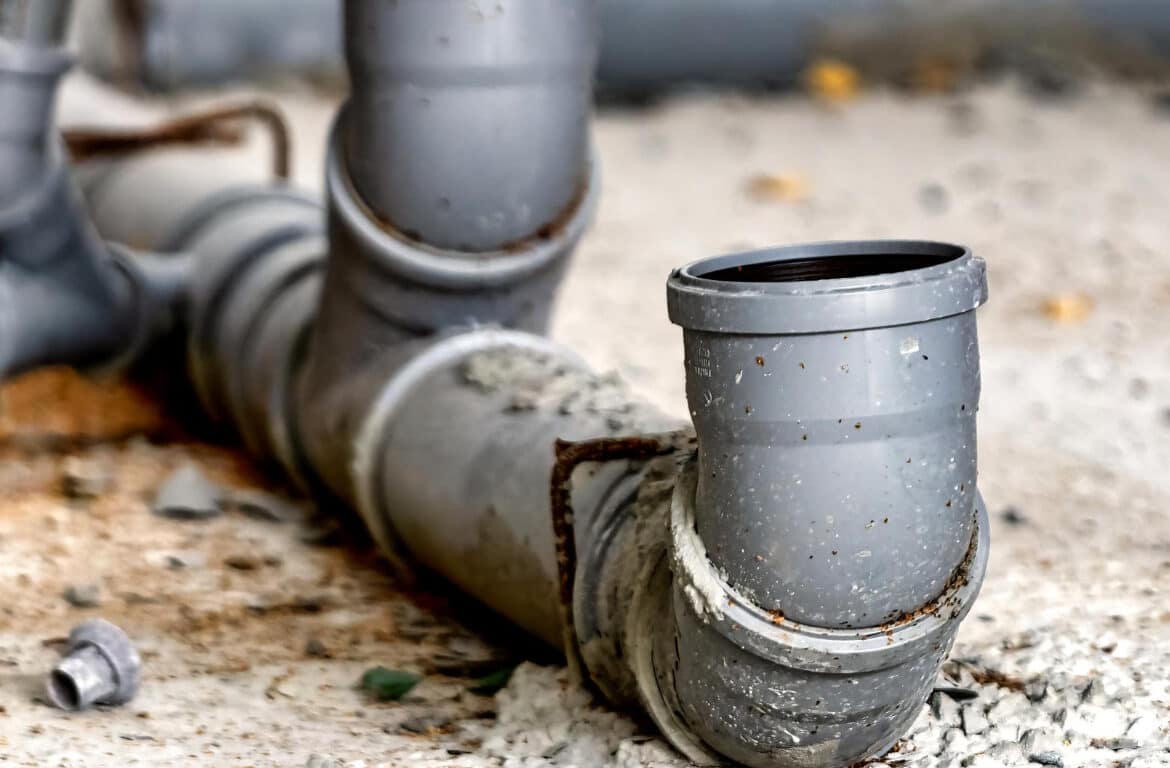
The weather in Edmonds, WA does not treat your sewer line the same way in January as it does in July. Each season brings a different type of stress to the pipe running beneath your property, and the damage from one season often does not surface until the next. Heavy fall and winter rain saturates the soil and pressures aging joints.
Freeze-thaw cycles in cold snaps shift the ground and widen cracks. Spring warmth triggers an explosion of root growth into those newly opened gaps. And summer’s dry stretch pulls the soil away from the pipe walls, creating settlement that misaligns the line from underneath.
Edmonds sits on the Puget Sound coast in Snohomish County, and its sewer system reflects both the city’s waterfront geography and its mid-century development history.
The City of Edmonds Sewer Division maintains over 186 miles of sanitary sewer mains, 14 pump stations, and more than 9,800 customer accounts. The wastewater treatment plant that serves Edmonds and its regional partners was originally built in 1957 and has been expanded multiple times since.
But the private side sewers connecting individual homes to those mains are the homeowner’s responsibility, and many of those laterals are original to the homes they serve, making them 50 to 70 years old and vulnerable to exactly the seasonal forces this region delivers year after year.
Understanding how each season affects your sewer line changes the way you think about maintenance, timing, and when to call for help. This is not a problem that announces itself with a single event. It is a cycle that repeats annually, and the homeowners who recognize the pattern protect their pipes far more effectively than those who only react after a backup.
In this article, you will learn about:
- Fall and winter bring the heaviest load your sewer line will face all year
- Spring is when winter’s hidden damage finally shows up
- Summer goes easy on your pipes, but it creates its own risks
- What Edmonds homeowners can do at each stage of the year
- When the same seasonal problem keeps coming back, the pipe is talking
Keep reading to see how Edmonds’ full weather cycle works against aging sewer lines and what you can do at each stage to stay ahead of the damage.
Fall and winter bring the heaviest load your sewer line will face all year
The wet season in the Puget Sound region runs roughly from October through March, and it delivers the majority of the area’s annual rainfall in a concentrated window. For aging sewer lines, this is the most punishing stretch of the year.
Saturated soil puts constant pressure on aging pipes
According to the Western Regional Climate Center, annual precipitation in the Puget Sound lowlands ranges from 32 to 35 inches between the Canadian border and Seattle, with the heaviest accumulation falling during the winter months. Edmonds, sitting on the coast at the edge of this corridor, receives steady rain from October onward that keeps the soil saturated for months at a time.
Saturated soil is heavier than dry soil, and that weight presses against buried pipes from all sides. For modern PVC lines with fused joints, this pressure is manageable. For 60-year-old concrete or cast iron pipes with mortar joints that have already loosened, the sustained load accelerates joint separation and widens existing cracks.
Groundwater that has risen due to prolonged rain also infiltrates the pipe through those same defects, a condition called inflow and infiltration that increases flow volume inside the line and can overwhelm the system during peak rainfall.
The effect is cumulative. A pipe that held up through October may start showing symptoms by December, not because of a single storm but because weeks of constant saturation have pushed the soil pressure past what the aging joints can withstand.
What happens when an atmospheric river hits an already stressed system
The Puget Sound region is periodically affected by atmospheric river events, concentrated plumes of subtropical moisture that can deliver four to five inches of rainfall in a single 24-hour period. These events, which typically occur in late fall and winter, are a leading cause of major flooding across western Washington.
For a sewer system that is already dealing with saturated ground and elevated groundwater, an atmospheric river event can push conditions past the tipping point. Infiltration through cracked pipes spikes. Surface water that should stay in the stormwater system finds its way into the sanitary sewer through illicit connections, damaged cleanouts, or broken pipe sections.
The combined load can produce backups that seem to come out of nowhere, but the groundwork was laid by weeks of steady rain before the big event arrived.
Edmonds homeowners who experience their first backup during a major rain event are often seeing the result of a pipe defect that has been developing through the entire wet season. The storm did not cause the problem. It revealed it.
Freeze-thaw cycles shift the ground and pull joints apart
Edmonds does not experience the prolonged deep freezes that affect cities further inland, but it does see periodic cold snaps that drive temperatures below freezing for days at a time, followed by rapid warming. This freeze-thaw pattern is particularly hard on aging sewer pipes.
When soil moisture freezes, the ground expands. When it thaws, the ground contracts and settles. Each cycle moves the soil around the pipe slightly, and over the course of a winter with multiple freeze-thaw events, the cumulative movement can shift pipe sections out of alignment, pull joints apart, or crack rigid clay and concrete that cannot flex with the ground. The damage often happens invisibly.
A joint that separates by half an inch during a cold snap may not produce symptoms until debris catches on the offset weeks later and flow begins to back up.
Homes with older clay tile lines are at the highest risk because the short pipe sections and brittle mortar joints have no ability to absorb ground movement. Cast iron is more flexible but corrodes internally over decades, and a pipe wall that has thinned from years of corrosion is far more likely to crack under the stress of a freeze-thaw cycle than one that is still at full thickness.
Spring is when winter’s hidden damage finally shows up
The transition from winter to spring brings a shift in both the type and the visibility of sewer problems. The damage that accumulated quietly through the wet season starts producing symptoms as the ground warms and biological activity picks up.
Snowmelt and lingering rain keep the ground soft
Spring in Edmonds is not an immediate transition to dry weather. March and April bring continued rainfall that overlaps with snowmelt from any winter accumulation at higher elevations in the surrounding area. The ground stays saturated well into the season, and pipes that were stressed all winter continue to sit in wet, heavy soil.
This extended wet period is when bellies and sags become most noticeable. A pipe section that settled slightly during winter freeze-thaw cycles now sits in a low point that collects standing water and debris. The belly may not have existed in September. By April, it is trapping waste and slowing drainage every time someone flushes a toilet or runs a load of laundry.
Root growth explodes as the soil warms
Roots grow year round in the Pacific Northwest’s mild climate, but their most aggressive growth period begins in spring as soil temperatures rise and moisture remains abundant. Any crack or joint separation that formed or widened during the winter becomes an immediate target.
A joint that shifted a quarter inch in January may have been too cold for significant root activity at the time. By April, roots have found the moisture escaping from that gap, entered the pipe, and begun expanding inside the line. The homeowner who noticed nothing unusual all winter starts experiencing slow drains in spring and assumes the problem just started. In reality, winter created the opening and spring filled it with roots.
This is one of the most common seasonal patterns in Edmonds sewer problems. The damage happens in one season and the symptoms appear in the next, which makes it easy to misdiagnose the cause if you are only looking at what is happening right now.
The backups that show up in March often started forming in December
A backup in early spring is rarely a sudden event. It is the endpoint of a process that began months earlier. Winter saturated the soil and stressed the pipe. A joint shifted or a crack widened. Groundwater infiltrated the line and deposited silt. Roots entered through the new opening as temperatures warmed. Debris accumulated behind the growing root mass. And then, one morning, the lowest drain in the house backs up.
The homeowner sees a single event. The pipe tells a story that spans the entire winter. A camera inspection at this point often reveals not just the immediate blockage but the underlying seasonal damage that caused it, and that context is what determines whether the fix is a cleaning, a repair, or a replacement.
Summer goes easy on your pipes, but it creates its own risks
June through September is the driest stretch in the Puget Sound region, with July averaging roughly one inch of rainfall compared to November’s eight. The ground dries, the soil lightens, and the constant pressure on buried pipes eases. But the dry season introduces a different set of stresses that can affect your sewer line in ways you might not expect.
Dry soil shrinks away from pipe walls
As the ground dries through summer, the soil contracts. In areas with clay-rich soil, this contraction can be substantial, pulling the ground away from the sides of the pipe and creating small voids around the line. Without the support of firm, packed soil on all sides, the pipe is more vulnerable to movement and settling.
When the wet season returns in the fall, rainwater fills those voids rapidly, and the soil re-expands around the pipe. That sudden shift from loose to compressed can stress joints and accelerate the separation process that leads to leaks and root entry points. The dry season itself may not produce a backup, but the soil movement it causes sets the stage for the problems that appear the following winter.
Roots dig deeper looking for moisture
During the dry months, the shallow soil layers lose moisture first. Roots that have been growing laterally near the surface shift their growth pattern downward, seeking the consistent moisture that a sewer line provides year round. A pipe that was not in a root’s immediate path during the wet season can become a target in summer as the root system extends deeper in search of water.
This is particularly relevant in Edmonds neighborhoods with mature trees and older pipes. The combination of deep-seeking roots and a pipe with aging joints at sewer-line depth creates the conditions for the intrusion that will produce symptoms the following spring. Homeowners who schedule a preventive root clearing in late summer or early fall can disrupt this cycle before the wet season amplifies the problem.
Dry P-traps and vacation-season sewer odors
Summer is also when homeowners are most likely to encounter sewer odors caused by dry P-traps. The water seal in a P-trap evaporates faster in warm, dry conditions, and fixtures that go unused during vacations or seasonal changes lose their seal entirely. A guest bathroom, a basement floor drain, or a laundry sink that sits idle for two or three weeks in July can produce a noticeable sewer smell that has nothing to do with the pipe’s condition.
The fix is simple: run water in every fixture periodically to keep the traps full. If the smell persists after refilling the traps, the cause is likely a pipe defect rather than a dry seal, and a closer look is warranted.
What Edmonds homeowners can do at each stage of the year
Matching your maintenance to the seasonal cycle gives you the best chance of catching problems early and preventing the kind of emergency repairs that happen when seasonal damage goes unnoticed. Here is a practical breakdown by season.
Fall is the time to inspect before the wet season starts
The window between late September and early November, after summer’s dry stretch but before the heaviest rain arrives, is the ideal time for a sewer camera inspection. The pipe is accessible, any summer root growth is visible, and any defects that developed over the previous year can be identified and addressed before winter rain and groundwater stress make them worse.
If the inspection shows root activity, schedule a cleaning before the wet season. If it shows joint separation or cracking, plan the repair now rather than waiting for a winter backup to force the issue.
Winter calls for vigilance, not panic
During the wet season, watch for these signals that the weather is exposing a pipe defect:
- Drains that slow during or immediately after heavy rain, then recover as the ground dries slightly
- Gurgling sounds from fixtures when it is raining hard outside
- Sewer odor in the yard or basement during prolonged wet periods
- Standing water or new soft spots in the yard near the sewer line path
None of these require an emergency call by themselves, but any of them during the wet season should prompt a diagnostic inspection sooner rather than later. The earlier you identify the defect, the more options you have for repair.
Spring is for cleaning and scoping after the thaw
Once the ground begins to stabilize in late March or April, schedule a post-winter camera inspection. This is when winter damage is most visible: shifted joints, new root entry, silt deposits from groundwater infiltration, bellies that formed from freeze-thaw settling. A combined cleaning and inspection at this stage clears whatever winter left behind and shows you exactly what condition the pipe is in going into the warmer months.
Summer is the best time for planned repairs
If fall or spring inspections revealed defects that need repair, summer is the ideal window to do the work. The ground is dry, access is easier, trenchless methods perform best in stable soil conditions, and you have the time to plan and schedule rather than reacting to an emergency. Use the dry months to address the problems the wet months revealed, so you enter the next fall with a pipe that is ready for the rain.
When the same seasonal problem keeps coming back, the pipe is talking
A one-time backup during a major storm can happen to any system. But a pattern, the same slow drains every November, the same root blockage every spring, the same sewer smell every time the ground saturates, is not weather doing something new. It is weather doing the same thing to a pipe that never got fixed.
Same problem, same season, every year
If you have called for drain cleaning two winters in a row, or if every spring brings the same symptoms you dealt with last spring, the seasonal stress is exposing a structural defect that cleaning cannot resolve. The weather applies the pressure. The pipe fails at the weakest point. You clean it. The weather applies the pressure again. The pipe fails at the same point, or the one next to it.
Breaking this cycle requires addressing the pipe, not the blockage. A camera inspection after a cleaning shows the defect clearly and guides the repair plan.
The repair that ends the seasonal cycle
The right repair depends on what the footage reveals, but the seasonal context helps frame the decision:
- If the camera shows isolated joint separation from freeze-thaw movement, a short section of sewer lining can seal those joints and prevent future root entry and infiltration.
- If the pipe has multiple defects spread along its length, cracked joints, root entry at several points, internal corrosion, a full-length liner creates a jointless, sealed pipe inside the old one that resists everything the Edmonds weather cycle throws at it.
- If the pipe has collapsed, lost its shape, or deteriorated beyond what a liner can address, pipe bursting replaces the line with new HDPE pipe that eliminates every seasonal vulnerability in the old material.
The goal is a pipe that can handle the full annual weather cycle without producing symptoms. Edmonds homeowners who repair or replace the weakest sections of their side sewer stop chasing the same seasonal problems year after year and start each wet season with a line that is ready for what the Puget Sound delivers.
Conclusion
Every season in Edmonds tests your sewer line differently, and the damage from one season sets up the failures that appear in the next. Winter rain and freeze-thaw cycles stress joints and widen cracks. Spring warmth sends roots into those new openings. Summer dries the soil and shifts the ground. And fall brings the rain back to a pipe that may be one season closer to failure than it was a year ago.
The homeowners who understand this cycle and time their maintenance to match it catch problems when they are small, fixable, and affordable. The ones who wait for the backup discover how much more expensive a seasonal pattern becomes when it is allowed to compound unchecked.
If your Edmonds home has experienced seasonal sewer problems, or if your pipe has never been inspected and you want to know what condition it is in before the next wet season, Pro Sewer Repair can run a camera through the line and give you a clear picture. From there, whether you need a cleaning, a lining, or a full replacement, you will know exactly what the pipe needs and when to do it.