
Sewer problems don’t announce themselves politely. They start with slow drains, strange smells, or gurgling sounds that are easy to ignore until a backup forces you to take action. Professional sewer drain cleaning in Seattle helps homeowners avoid emergency repairs by removing blockages, tree roots, and buildup before they cause serious damage.
Seattle homes face unique challenges when it comes to sewer maintenance. The area’s heavy rainfall, older infrastructure, and mature trees create conditions where drains clog more often and sewer lines deteriorate faster than in drier climates. Understanding what causes these problems and how to prevent them can save you thousands of dollars in repair costs.
This guide covers the warning signs that your sewer line needs attention and explains the most effective cleaning methods available to Seattle homeowners. You’ll learn about the specific risks local properties face and why regular maintenance matters more than waiting until something goes wrong.
In this article, you will learn:
- Early warning signs of sewer line issues
- Challenges specific to Seattle homes
- Effective cleaning and maintenance methods
- Consequences of neglected sewer maintenance
- Benefits of routine sewer cleaning
Keep reading to discover how a small investment in professional sewer care can prevent thousands of dollars in property damage and emergency repairs.
Early warning signs of sewer line issues
Your home’s plumbing system often shows clear signs when something goes wrong with the main sewer line. Recognizing these symptoms early helps you avoid expensive repairs and messy sewage backups.
Multiple slow drains indicate deeper blockage
When one drain moves slowly, you might have a simple clog in that fixture. But when several drains throughout your home slow down at the same time, you’re likely dealing with a sewer line problem.
Pay attention to these patterns in your home:
- Kitchen sink drains slowly while bathroom drains also struggle
- Water backs up in the shower when you flush the toilet
- Multiple fixtures on the same floor drain poorly at once
A single clogged pipe affects only one area. A blocked main sewer line impacts your entire drainage system because all your pipes connect to this one exit point. When the main line gets blocked, wastewater has nowhere to go and backs up through multiple drains.
The blockage usually starts small and gets worse over time. Tree roots, grease buildup, and debris create restrictions that grow larger. Professional clogged sewer repair can diagnose exactly where the problem sits and clear it before it becomes a complete backup.
Gurgling sounds suggest trapped air in pipes
Strange bubbling or gurgling noises from your drains and toilets signal air trapped in your sewer line. These sounds happen when water tries to flow past a blockage and pushes air back up through your plumbing system.
You might hear gurgling when you run the washing machine and your toilet starts bubbling. Or your kitchen sink makes noise after you flush a toilet upstairs. These sounds tell you that air pressure is building up because water cannot flow freely through the sewer line.
The gurgling gets louder as the blockage grows worse. What starts as a quiet bubble can turn into loud glug-glug sounds. This air displacement means your sewer line needs attention soon.
Foul odors signal buildup in sewer line
Your sewer line should be airtight, keeping all sewage smells contained underground. When you smell sewage odors inside or outside your home, something has broken that seal.
These smells often appear in specific areas:
- Drains: Sniff near sink drains and floor drains for rotten egg or sewage odors
- Yard: Check for foul smells around your lawn or near the street
- Basement: Notice smelly basement sewer issues in lower levels
A healthy sewer line has water traps that prevent gases from entering your home. When blockages form or pipes crack, sewer gases escape. According to the Agency for Toxic Substances and Disease Registry, hydrogen sulfide produced by decomposing organic matter creates a distinct rotten egg odor and can cause irritation to the eyes and respiratory system even at low levels.
Fresh, clean drains should never smell like sewage. If you notice these odors, your sewer line likely has buildup that needs professional cleaning.
Challenges specific to Seattle homes
Seattle’s drainage systems face distinct pressures from the region’s climate, landscape, and infrastructure age. Heavy rainfall, invasive tree roots, and outdated pipe materials create ongoing maintenance demands for local homeowners.
Heavy rainfall overwhelms aging systems
Seattle receives an average of 37 inches of rain annually, with the wettest months between October and March. This constant moisture puts significant stress on drainage systems that were often designed decades ago for smaller volumes.
Older sewer systems in neighborhoods like Queen Anne and Capitol Hill weren’t built to handle modern water loads. According to the U.S. Environmental Protection Agency, much of the nation’s underground wastewater infrastructure was installed between 50 and 100 years ago and is now at or beyond the end of its design life, leading to widespread overflow and backup issues. The combination of increased residential development and climate patterns means more runoff enters these systems than they were designed to manage.
When heavy rain events occur, aging pipes struggle to move water quickly enough. This creates backup risks and overflow situations that can damage your home’s foundation and landscaping.
The ground around Seattle becomes saturated during extended rainy periods. This saturation can shift pipes, create new cracks, and worsen existing drainage problems throughout the wet season.
Tree root intrusion in residential neighborhoods
Seattle’s mature trees add beauty to neighborhoods but create serious challenges for underground sewer lines. Tree roots naturally seek out water sources and find small cracks or joints in pipes, which is why root intrusion removal becomes a recurring need for many homeowners.
Once roots enter a pipe, they expand and create blockages that trap debris and waste. Popular Seattle trees like maples, willows, and birches have aggressive root systems that can extend 20-30 feet from the trunk.
Neighborhoods with older homes and established landscaping face higher risks. Ballard, Beacon Hill, and other areas with tree-lined streets see frequent tree roots in sewer line problems that require professional clearing.
Common signs of root intrusion include:
- Slow draining fixtures throughout your home
- Gurgling sounds from toilets or drains
- Recurring clogs in the same location
- Sewage backups during heavy rain
Root problems worsen over time as roots grow thicker and cause more pipe damage.
Vulnerability of older clay and cast iron pipes
Many Seattle homes built before 1980 have clay or cast iron sewer pipes. These materials deteriorate over time and become prone to cracks, breaks, and complete failure that may require collapsed sewer line repair in severe cases.
Clay pipes were common in Seattle construction but are brittle and crack easily from ground movement. The city’s hilly terrain and soil shifts put extra pressure on these rigid pipes, leading to common cracked sewer pipe repair needs.
Cast iron pipes corrode from the inside due to sulfide gases produced by waste breakdown. After 50-70 years, many cast iron lines develop holes, cracks, and collapsed sections that block flow, making preventing sewer pipe corrosion a priority for owners of older homes.
Seattle’s clay-heavy soil retains moisture and expands during wet periods. This expansion puts additional stress on already weakened pipes and accelerates deterioration.
Effective cleaning and maintenance methods
Professional sewer drain cleaning relies on specialized tools and techniques to remove blockages and keep pipes flowing properly. Each method addresses different types of problems, from heavy buildup to isolated clogs and hidden damage.
Hydro jetting removes grease and debris
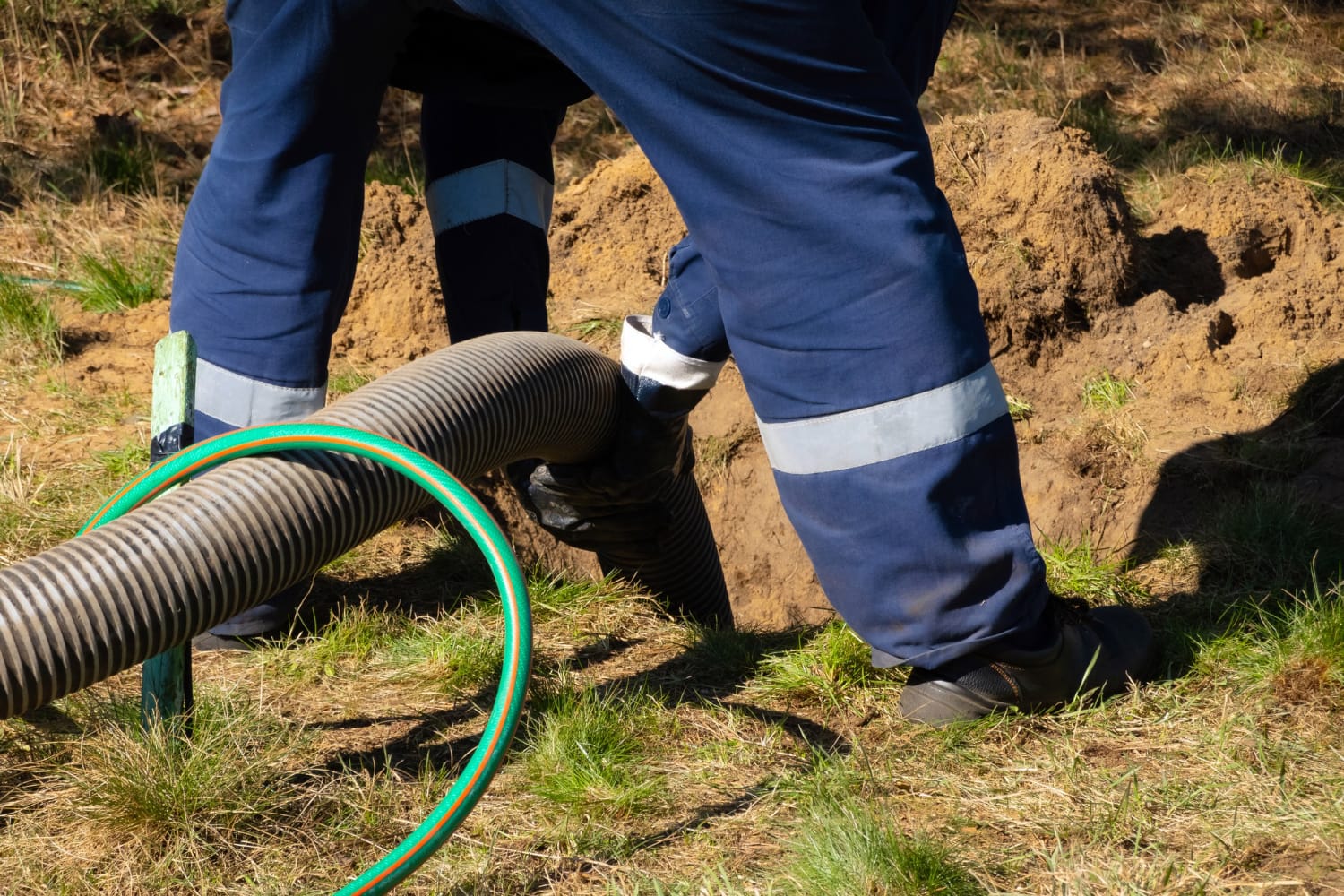
Hydro jetting drain cleaning uses high-pressure water streams to clean sewer lines thoroughly. The equipment sends water through your pipes at pressures ranging from 3,000 to 8,000 PSI, which blasts away grease, soap scum, mineral deposits, and tree roots.
This method works well for main sewer lines because it clears the entire pipe diameter. The powerful water stream scrubs the pipe walls clean rather than just poking a hole through the blockage.
Your plumber inserts a specialized nozzle into the sewer line that sprays water in multiple directions. The forward jets break up debris while rear-facing jets propel the hose through the pipe and flush everything toward the main sewer. Sewer jetting services work best for preventive maintenance and severe blockages. They are particularly effective in Seattle homes with older plumbing systems that accumulate decades of buildup.
Drain snaking for localized clogs
A drain snake, also called a drain auger, handles simple clogs in individual fixtures. This flexible metal cable reaches into your pipes to break up or retrieve blockages.
The technician feeds the cable through your drain opening until it reaches the clog. A rotating blade or hook at the cable’s end breaks apart the obstruction or grabs it for removal.
Snaking works well for toilet paper buildup, hair clogs in bathroom drains, and food particles in kitchen sinks. It’s less invasive than hydro jetting and costs less for minor problems.
This method doesn’t clean your entire pipe system. It creates a path for water to flow but leaves residue on pipe walls that can cause future recurring drain clog issues.
Camera inspections to identify pipe damage
Sewer camera inspections let technicians see inside your sewer lines without digging. A waterproof camera attached to a flexible cable travels through your pipes and sends live footage to a monitor.
The inspection reveals cracks, corrosion, misaligned joints, and tree root intrusion. A sewer line diagnostic helps your plumber pinpoint the exact location and depth of problems, which helps plan repairs accurately.
Cameras also confirm that cleaning removed all blockages. After hydro jetting or snaking, the technician can verify your pipes are completely clear.
Most professionals recommend camera inspections before major cleaning work in older homes. This prevents surprises and ensures the right cleaning method for your specific situation.
Consequences of neglected sewer maintenance
Ignoring your sewer system can lead to property destruction, health hazards, and unexpected bills that cost thousands of dollars more than routine maintenance.
Property damage from sewer backups
Sewer backups can destroy your floors, walls, and personal belongings in a matter of hours. When your sewer line clogs or breaks, wastewater flows backward into your home through toilets, drains, and basement fixtures.
The water damage spreads quickly across carpets, hardwood floors, and drywall. Your furniture and electronics can be ruined beyond repair. Seattle homeowners face additional risks from the area’s heavy rainfall, which can overwhelm neglected sewer systems and increase backup frequency.
Structural damage often follows as moisture seeps into walls and foundations. You may need to replace entire sections of flooring or repair foundation cracks. Mold growth starts within 24 to 48 hours of water exposure, requiring professional remediation that adds to your costs.
Sewer backup prevention in Seattle requires regular inspections and cleaning to catch problems early. Most backups result from tree root intrusion, pipe corrosion, or buildup of grease and debris that develops over years of neglect.
Health and sanitation risks from wastewater
Raw sewage contains harmful bacteria, viruses, and parasites that threaten your family’s health. According to the Centers for Disease Control and Prevention, exposure to untreated sewage can transmit pathogens that cause gastrointestinal illness, hepatitis A, and other serious infections, particularly when wastewater contacts skin, eyes, or mucous membranes.
Contact with contaminated water happens through skin exposure or breathing airborne particles. Children and elderly family members face higher risks of severe illness. Even after cleanup, bacteria can remain on surfaces if not properly sanitized.
The smell from sewer backups makes your home unlivable and indicates dangerous gases like methane and hydrogen sulfide. These gases can cause headaches, dizziness, and respiratory problems. Long-term exposure to sewer gases may lead to more serious health complications.
High costs of emergency repairs
Emergency sewer repair costs three to four times more than scheduled maintenance. A basic drain cleaning runs $200 to $400, while emergency pipe replacement can exceed $10,000.
You pay premium rates for after-hours service, weekend calls, and rushed jobs. Damage to landscaping, driveways, and sidewalks during emergency excavation adds thousands to your bill. Your homeowner’s insurance may not cover damage from neglected maintenance.
Property values drop when sewer issues appear in inspection reports. You face fines and legal liability if your failing sewer system damages neighboring properties or contaminates public water sources. Routine maintenance costs a fraction of these emergency expenses and prevents the stress of unexpected failures.
Benefits of routine sewer cleaning
Regular sewer line maintenance protects your home from expensive repairs and keeps your plumbing working properly. Scheduling professional drain cleaning services helps you avoid emergencies and extends the life of your entire system.
Reduced risk of recurring blockages
Professional sewer cleaning removes buildup that causes repeat clogs in your drains. Over time, grease, soap scum, hair, and other debris stick to pipe walls and create layers that trap more material.
When you schedule routine cleaning, professionals use specialized equipment to clear these accumulations before they harden into stubborn blockages. This preventive approach stops small issues from turning into major problems that require emergency service.
Common materials removed during routine cleaning:
- Grease and cooking oils
- Hair and soap residue
- Food particles
- Mineral deposits
- Tree roots in early stages
Without regular maintenance, these materials continue to build up until water barely flows through your pipes. According to the U.S. Environmental Protection Agency, fats, oils, and grease poured down drains are a leading cause of sewer line blockages nationwide, congealing inside pipes and trapping additional debris over time. Professional cleaning breaks this cycle and keeps your sewer lines clear.
Improved drainage throughout the home
Clean sewer lines allow water to flow away from your home quickly and efficiently. You’ll notice faster drainage in sinks, tubs, showers, and toilets after professional cleaning removes restrictions in your pipes.
Slow drains typically mean partial blockages are forming somewhere in your system. These restrictions force water to back up, which creates standing water in fixtures and unpleasant odors throughout your home.
Regular cleaning maintains proper flow rates and eliminates these frustrating problems. Your kitchen sink empties faster, your shower doesn’t pool water around your feet, and toilets flush with full force. These improvements make daily tasks more convenient and show that your entire plumbing system is working as designed.
Longer lifespan for underground pipes
Routine sewer cleaning protects your underground pipes from damage that shortens their useful life. When debris and roots accumulate inside pipes, they create pressure points and weak spots that lead to cracks and breaks.
Professional cleaning removes these threats before they cause structural damage. This is especially important for older pipes that may already have small cracks or worn areas. Clean pipes also resist corrosion better because harmful materials don’t sit against pipe walls for extended periods.
Routine sewer maintenance extends pipe life by:
- Preventing root intrusion through small cracks
- Removing corrosive materials before they damage pipe walls
- Reducing pressure that stresses joints and connections
- Identifying potential problems during inspection
Replacing damaged sewer lines costs thousands of dollars and requires excavation that tears up your yard. Regular cleaning costs far less and helps your existing pipes last for decades instead of failing prematurely.
Conclusion
Your home’s sewer and drain system needs regular attention to work properly. Professional cleaning services in Seattle can handle everything from simple sink clogs to serious sewer line blockages.
Most plumbing companies in the area offer several ways to clear your drains. They use tools like drain snakes, hydro-jetting equipment, and camera inspections. These methods remove buildup and help you avoid bigger problems later.
Seattle’s wet weather and tree roots can make drain problems worse over time. Getting your drains cleaned before small issues turn into emergencies saves you money and stress.
Many local plumbers offer emergency services 24/7. Some companies provide free estimates and same-day appointments. You can also find specials like $99 drain cleaning services from certain providers.
Regular maintenance keeps your plumbing system healthy. Most experts suggest professional drain cleaning every year or two, depending on your home’s age and usage.
Professional plumbers have the right equipment and training to fix your drainage issues safely. They can spot problems you might miss and recommend solutions that fit your budget. Schedule your service with Pro Sewer Repair today to protect your Seattle home from water damage and costly repairs down the road.