
Blog
Sewer cleaning cost in WA: factors that impact pricing and service needs
Pro Sewer Repair team
Budgeting for a clogged sewer line starts with understanding what actually drives the sewer cleaning cost in WA. Prices shift based on the blockage type, pipe condition, and the equipment your plumber brings to the job, and knowing those variables puts you in control of the conversation.
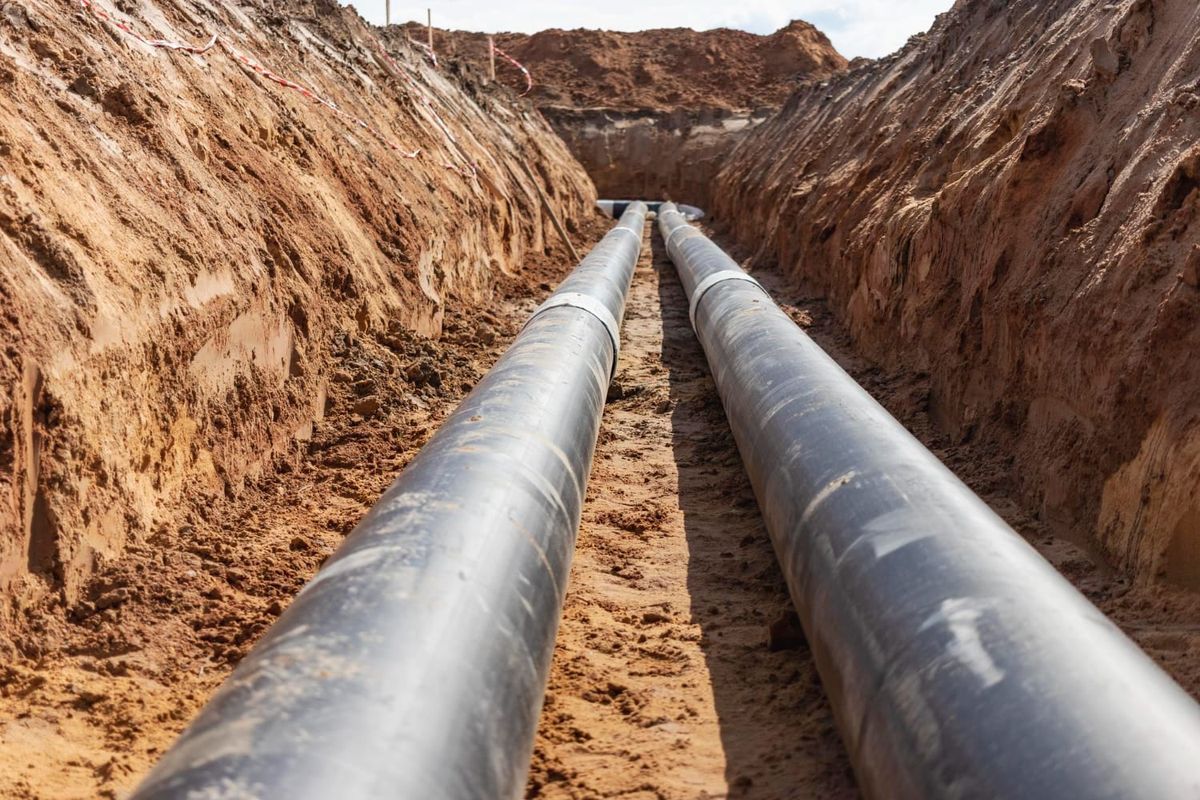
Dealing with a clogged sewer line is never fun, but knowing what to expect financially can make the situation less stressful. What sewer cleaning costs in Washington State depends on the severity of the blockage, the length and condition of the line, and the method used to clear it. Basic drain cleaning runs on the lower end, while complex issues like root intrusion or deep sewer line blockages can push costs higher.
Several factors affect what you’ll pay for sewer cleaning services in Washington. The type of blockage, your pipe’s condition, and the cleaning method your plumber chooses all play a role in the final bill. Understanding these variables helps you make informed decisions when hiring a professional.
This guide looks at sewer cleaning costs across Washington, explains what drives prices up or down, and shows you how different cleaning methods compare. You’ll also learn when it’s time to call a professional and discover practical ways to keep your sewer cleaning expenses under control.
Here’s what you’ll find inside:
- Average sewer cleaning cost in Washington State
- Factors that influence sewer cleaning cost in WA
- Different sewer cleaning methods and their price impact
- When sewer cleaning services become necessary
- How to reduce sewer cleaning expenses in WA
Keep reading to get clarity on what drives the price and avoid overpaying for work your pipes may not actually need.
Average sewer cleaning cost in Washington State
What Washington homeowners spend on sewer drain cleaning varies with the severity of the blockage and the cleaning method required. Simple clogs cost less to fix than complex main line issues that need advanced equipment.
Residential sewer cleaning price range
Minor clogs usually cost the least to clear. These simpler jobs usually involve a plumber using a standard snake or auger to clear blockages near your drains.
For standard residential sewer cleaning, the price covers the labor and equipment needed to address common household drain problems.
Your total cost depends on several factors. The depth and location of your clog affects pricing, as does the time required to complete the work. Simple clogs near accessible cleanout points cost less than blockages deep in your main sewer line.
Hydro jetting service cost overview
Hydro jetting is often used in Washington for stubborn or severe clogs. This method uses high-pressure water streams to clear blockages and clean pipe walls thoroughly.
You’ll pay more for hydro jetting than basic snaking, but it delivers better results for tough situations. Tree roots, grease buildup, and persistent blockages respond well to this approach.
Many plumbers recommend hydro jetting for main sewer line cleaning because it removes debris completely. The process also helps prevent future clogs by cleaning your pipes more thoroughly than mechanical snaking.
Camera inspections often accompany hydro jetting services. This adds to your total but helps identify the exact problem location and severity.
Main sewer line cleaning pricing factors
Several elements affect your final sewer drain cleaning price in Washington. Your location within the state impacts labor rates.
The complexity of your blockage drives pricing up or down. Root intrusion requires more time and specialized equipment than simple grease clogs. The depth and accessibility of your sewer line also matter.
Key pricing factors include:
- Type and severity of blockage
- Cleaning method required (snaking vs. hydro jetting)
- Length and depth of pipe sections needing service
- Time of day or week for service
- Need for camera inspection
- Your property’s specific layout and access points
Materials and equipment costs remain fairly consistent across Washington, but labor rates vary by region and company.
Emergency sewer cleaning fees
After-hours emergency service increases your costs significantly. Many companies charge more for weekend, evening, and holiday calls.
What emergency sewer cleaning costs in Washington depends on the situation. Plumbers charge premium rates for immediate response because they’re interrupting personal time or rearranging schedules.
You’ll face higher bills for urgent situations, but waiting can lead to sewage backups that cost much more to remediate. According to the U.S. Environmental Protection Agency, sewage backups inside a home can release pathogens and contaminants that pose serious health risks and require thorough cleanup of affected areas, which is why a prompt response to a backup often ends up less expensive than the remediation that follows neglect.
Ask about emergency pricing before agreeing to service so you understand what you’ll pay.
Factors that influence sewer cleaning cost in WA
Several key elements determine what you’ll pay for sewer cleaning services in Washington, from how deep your pipes sit to the type of blockage causing problems. The cleaning method your plumber chooses and where your sewer lines are located also play major roles in the final price.
Pipe length and sewer line depth
The distance from your home to the main sewer connection directly affects your cost. Longer pipe runs require more time and equipment to clean thoroughly.
Depth matters because plumbers charge more to access lines buried deep underground. Standard residential sewer lines typically sit 2 to 6 feet below ground. Lines deeper than 6 feet need specialized equipment and take longer to clean.
Your property’s layout influences both factors. Homes set far back from the street have longer sewer runs. Properties on hillsides often have deeper lines due to slope requirements.
Most plumbers in Washington price based on linear footage or include depth considerations in their service quotes. A 50-foot line costs less to clean than a 150-foot line because it requires less camera cable, cleaning equipment, and labor time.
Severity of blockage or debris buildup
Minor clogs from soap buildup or small debris cost the least to clear. These simple blockages usually take 30 minutes to an hour for a plumber to remove.
Major blockages from tree roots, collapsed pipes, or years of grease buildup take more time and equipment, so they cost more. Root intrusion is particularly common in Washington due to the wet climate that encourages aggressive root growth. These situations need heavy-duty equipment like hydro-jetters or mechanical augers with cutting heads.
Complete line blockages that cause sewage backups into your home require emergency service. Many companies charge premium rates for after-hours or weekend calls.
The blockage location also matters. Clogs near the clean-out access point cost less to fix than blockages deep in the main line under your yard.
Cleaning method used by plumbers
Snaking or augering is the usual choice for basic clogs. This method uses a rotating cable with a blade attachment to break through blockages. It works well for simple stoppages but doesn’t fully clean pipe walls.
Hydro-jetting is the heavier-duty option. This process shoots high-pressure water through your pipes to remove grease, scale, and tree roots. It cleans the entire pipe diameter and provides longer-lasting results.
Camera inspection adds to your total cost. Plumbers use this to locate problems and verify the cleaning worked. Many professionals recommend combining camera work with hydro-jetting for complete maintenance.
Some companies offer package pricing that bundles cleaning with inspection.
Location and accessibility of sewer lines
Easy-to-reach clean-out ports keep costs lower. When plumbers can access your sewer line through an existing clean-out near your foundation or in your yard, you avoid additional excavation charges.
Lines under driveways, patios, or landscaping cost more to service. Some situations require digging to install temporary access points, which adds to your bill.
Urban properties in Seattle or Tacoma often have higher labor rates than rural areas.
Properties with challenging terrain face extra charges. Steep slopes, rocky soil, or limited equipment access can increase costs. Plumbers need more time and sometimes special equipment to work in these conditions.
Different sewer cleaning methods and their price impact
The method used to clean your sewer line directly affects what you’ll pay. Basic snaking usually costs the least and intensive hydro jetting the most, depending on the severity of your blockage and the equipment required.
Drain snaking for minor blockages
Drain snaking is the most affordable sewer cleaning option. A plumber feeds a rotating cable through your pipes to break up clogs and clear blockages.
This method works well for simple problems like hair buildup, soap scum, or small debris accumulations.
The lower cost makes snaking ideal when you’re dealing with accessible clogs near drains or fixtures. However, snaking only punches a hole through the blockage rather than removing all buildup from pipe walls. This means the problem might return sooner than with other methods.
Most plumbers can complete snaking work quickly, which keeps labor costs down. The equipment is also standard and doesn’t require special setup.
Hydro jetting for heavy buildup removal
Hydro jetting uses high-pressure water to completely clean your sewer pipes. The water pressure removes grease, tree roots, mineral deposits, and years of accumulated debris from pipe walls.
Hydro jetting costs more than snaking in Washington state. This higher price reflects the specialized equipment and expertise required.
The method provides the most thorough cleaning available. It removes buildup that snaking can’t reach. You’ll benefit from longer-lasting results compared to other methods.
Hydro jetting works especially well for stubborn clogs deep in your sewer system. It handles tree root intrusion and severe grease accumulation that other methods can’t fix. The investment often makes sense when you’ve had recurring problems or want preventive maintenance.
Video camera sewer inspection costs
Video camera inspections let plumbers see exactly what’s happening inside your pipes. A small waterproof camera travels through your sewer line and sends back real-time footage.
As a standalone service, it carries its own fee. Many plumbing companies include it at reduced cost when you’re already paying for cleaning work.
The inspection identifies the exact location and type of blockage before work begins. Your plumber can see tree root intrusion, pipe damage, or collapsed sections that need repair rather than just cleaning.
You’ll avoid paying for the wrong service when you know what’s causing your problem. The inspection also helps plumbers provide accurate estimates instead of guessing at what equipment they’ll need.
Preventive sewer cleaning maintenance pricing
Regular maintenance keeps your sewer lines flowing and prevents emergency situations. Many Washington homeowners schedule annual or bi-annual cleanings.
Maintenance cleaning costs less than emergency service calls. Emergency calls often carry after-hours fees that scheduled preventive work does not.
Plumbers can work more efficiently during scheduled appointments. They have time to properly assess your system and recommend the best cleaning method for your specific pipes.
Most plumbing companies offer service agreements that reduce your per-visit cost. These plans might include annual inspections, priority scheduling, and discounts on additional services. Regular cleaning also extends your pipe lifespan and reduces the chance of costly repairs from neglected buildup.
When sewer cleaning services become necessary
Certain warning signs indicate your sewer system needs professional attention. Recognizing these problems early can help you avoid expensive emergency repairs and property damage.
Slow drains throughout the home
When multiple drains in your house empty slowly at the same time, this points to a blockage in your main sewer line rather than isolated clogs. You might notice water backing up in your shower when you flush the toilet, or your kitchen sink draining slowly when the washing machine runs.
These symptoms show that wastewater cannot flow freely through your sewer system. Tree roots, grease buildup, or foreign objects often cause these blockages in the main line. A single slow drain typically means a localized problem, but widespread drainage issues require sewer line cleaning.
Professional cleaning addresses the root cause instead of providing temporary fixes. Ignoring these signs leads to more serious backups and potential flooding inside your home.
Repeated sewer backups
Frequent backups signal a persistent obstruction in your sewer line that needs immediate attention. You should not experience regular backups if your sewer system works properly.
Backups often occur in your lowest drains first, such as basement floor drains or ground-level toilets. Raw sewage backing up into your home creates health hazards and can damage floors, walls, and personal belongings.
If you find yourself calling a plumber every few months for the same backup problem, your sewer line likely has a serious blockage or structural issue. Regular cleaning removes accumulated debris before it causes complete blockages. Some properties require scheduled maintenance cleanings to prevent recurring problems, especially older homes with mature trees nearby.
Foul sewer odors inside property
Sewer gas smells inside your home indicate breaks in your plumbing system’s seal. Your sewer system should contain all odors within the pipes through proper venting and P-traps.
Strong sewage odors suggest cracks in your sewer line, dried-out P-traps, or severe clogs that allow gases to escape into your living space. These smells often appear in bathrooms, basements, or near floor drains.
According to the U.S. Occupational Safety and Health Administration, hydrogen sulfide at low concentrations irritates the eyes, nose, and throat, while moderate exposure can cause headaches, nausea, and breathing difficulty, and higher concentrations can lead to loss of consciousness. The presence of these odors means your sewer line needs inspection and cleaning. Professional plumbers can identify the source of the smell and determine whether you need cleaning, repairs, or both.
Preventive plumbing system care
Scheduling regular sewer line maintenance prevents most emergency situations and extends your plumbing system’s lifespan. Many homeowners wait until problems occur, but preventive cleaning costs less than emergency repairs.
You should consider annual or bi-annual sewer line inspections, especially if your home is over 40 years old or has large trees near sewer lines. Professional cleanings remove small buildups before they become major blockages.
Preventive maintenance also includes camera inspections that reveal the condition of your pipes. These inspections identify potential problems like cracks, root intrusion, or corrosion before they cause failures. Regular cleaning maintains proper flow and reduces wear on your entire plumbing system, which helps you avoid costly repairs and water damage to your property.
How to reduce sewer cleaning expenses in WA
Cutting down on sewer cleaning costs requires a mix of preventive care and smart decisions about when and how to address issues. Regular maintenance and early action can save you hundreds of dollars compared to emergency repairs.
Schedule routine sewer maintenance
Regular sewer inspections and cleanings prevent expensive problems before they start. Most professional sewer cleaning Washington services recommend having your lines checked every 18 to 24 months, depending on your home’s age and usage patterns.
A routine cleaning usually costs much less than emergency repairs, especially when backups damage your home.
Preventive maintenance also extends the life of your sewer system. Technicians can spot early signs of root intrusion, corrosion, or buildup during routine visits. Catching these issues early means simpler, less expensive fixes.
Many plumbing companies in Washington offer maintenance plans that bundle services at a discount. These plans often include priority scheduling and reduced rates on emergency calls.
Address drain problems early
Small drainage issues quickly turn into major expenses when ignored. Slow drains, gurgling sounds, or water backing up in your sink are warning signs that need attention.
A minor clog that is simple to clear can become a severe backup that needs emergency service. Acting fast when you notice drainage problems keeps costs manageable.
Watch for these early warning signs:
- Water draining slower than usual
- Gurgling noises from drains or toilets
- Multiple fixtures backing up at once
- Foul odors from drains
Don’t wait until water backs up into your home. Even if the problem seems small, getting it checked prevents damage to your pipes and property. Early intervention also means you can schedule service during regular business hours instead of paying premium rates for after-hours emergencies.
Choose professional local plumbing contractors
Hiring licensed, local professionals often saves money in the long run compared to unlicensed work. Local contractors know Washington-specific plumbing codes and common regional issues like root intrusion from local tree species.
Licensed professionals have the right equipment to diagnose problems accurately. This prevents repeat visits and wasted money on temporary fixes. They also carry insurance that protects you from liability if something goes wrong.
Get multiple quotes before choosing a plumber. Some contractors charge by the hour, while others offer flat-rate pricing for specific services.
Ask about warranties on their work. Reputable companies stand behind their repairs, which means free fixes if the same problem returns within a certain timeframe.
Avoid chemical drain damage
Store-bought drain cleaners seem like a quick fix, but they can damage your pipes and lead to costly repairs. These harsh chemicals eat through clogs but also corrode older pipes, especially if used repeatedly.
Pipe damage from chemical cleaners often requires section replacement or repiping, which costs significantly more than professional cleaning.
Chemical cleaners also pose environmental risks when they enter Washington’s water systems. According to the U.S. Geological Survey, household chemicals discharged into wastewater can persist through treatment and reach surface water and groundwater, where they may affect aquatic ecosystems and water quality. They can also harm beneficial bacteria in septic systems, leading to system failures that cost thousands to fix.
Instead of chemicals, use these safer alternatives:
- Hot water flush: Pour boiling water down drains weekly
- Baking soda and vinegar: Natural cleaning for minor buildup
- Drain screens: Catch hair and debris before they cause clogs
- Professional snaking: Mechanical removal of stubborn blockages
Professional sewer cleaning Washington services use methods like hydro-jetting that scour the pipe walls instead of eating at them. While the initial cost is higher than a chemical product, the results usually last longer.
Conclusion
Sewer cleaning costs in Washington vary based on several factors. What you pay depends on the severity of the clog and the cleaning method required.
Simple drain issues usually cost less than main sewer line cleaning. If you need specialized equipment or your sewer line has severe blockages, your costs may increase.
Labor rates in Seattle and surrounding Washington areas also play a part. Factor in inspection fees if your plumber needs to use camera equipment to locate the problem.
Getting multiple quotes helps you find fair pricing. Most reputable plumbers offer free estimates. Budget a bit extra beyond the base quote in case your plumber discovers additional issues during the cleaning process.
Regular maintenance prevents expensive emergency repairs. Consider scheduling routine sewer line inspections every few years to catch problems early. This approach saves you money compared to dealing with major backups or pipe damage later. For a clear breakdown of what your sewer line actually needs, request a free estimate from Pro Sewer Repair: a camera look first, then every option and a written price before work begins.
Ready when you are
Let's put a camera down the line and see.
Free estimates and free second opinions, open 24/7/365 across the Greater Seattle & Puget Sound area. Call and a real Pro Sewer team member picks up.