
Sewer Camera Inspection
Sewer Camera Inspection in Seattle, WA
Frustrated by recurring backups and gurgling drains? We look inside your pipes to find the exact blockage so it can be fixed at the source.
A Pro Sewer Repair camera inspection shows you the material, defects and grade of your Seattle sewer line on screen, with a surface trace of where it runs — so the fix is chosen from evidence, not guesswork. Estimates are free.
Diagnosing Recurring Backups with Sewer Camera Inspections in Seattle
Are you tired of plunging a slow-draining toilet, noticing foul sewage odors in your basement, or dealing with sudden, messy backups every time heavy rain hits Seattle? Guessing at the cause of a recurring sewer issue usually leads to wasted money on temporary drain snaking, but a camera inspection lets us see exactly what is blocking or breaking the line so it can be fixed at the source. You do not have to wait for a total pipe collapse to find out what is wrong: Pro Sewer Repair is open 24/7/365, estimates are free, and a camera inspection can pinpoint the root cause of your sewer headaches.
Signs You Need a Professional Sewer Camera Inspection
Multiple Fixtures Backing Up Simultaneously
You might notice that when you run the washing machine, water suddenly backs up into the downstairs shower. Sometimes, flushing a toilet causes the bathroom sink to gurgle and spit up gray water. This indicates the problem is not isolated to a single localized pipe inside your walls.
There is likely a severe blockage or break deep in the main sewer line connecting your home to the municipal system. When the main line is obstructed, the wastewater has nowhere to go but backward into your house. If ignored, this backed-up water will eventually flood the lowest point of your property with raw sewage.
Persistent Gurgling Sounds from Drains
Hearing a distinct bubbling or gurgling noise coming from the toilet bowl or tub drain is never a good sign. You will usually hear this sound right after using a completely different plumbing fixture in the house, like draining a full bathtub. This sound is actually trapped air struggling to escape the plumbing system.
When a sewer line is partially blocked by roots or a collapsed pipe section, water struggles to flow past the obstruction. This creates a vacuum effect that forces air up through the water traps in your drains. Catching it at this stage via camera inspection can prevent a full-blown backup before the pipe completely seals shut.
Unexplained Lush Patches in the Yard
You may notice sections of your lawn that are significantly greener, taller, or faster-growing than the rest of the yard. These lush patches are often accompanied by soft, spongy, or foul-smelling soil that never seems to dry out. While it might look like great landscaping at first glance, it is actually a major red flag for your plumbing.
In older Seattle neighborhoods, mature tree roots are incredibly aggressive when seeking out water and nutrients. They sense the moisture leaking from a cracked underground sewer pipe and infiltrate the line, feeding on the continuous supply of wastewater. Tree roots will continue to grow and expand until they completely shatter the pipe, turning a localized repair into a full system replacement.
Recurring Clogs After Recent Snaking
Perhaps you recently paid to have your drains snaked or cabled, but the exact same slow drains or clogs have returned just weeks or months later. A traditional drain snake only punches a temporary hole through a blockage to restore temporary flow. It cannot fix a sagging pipe belly, an offset joint, or a cracked line letting mud into the system.
If you are dealing with a structural failure, clearing the line with a cable is only treating the symptom rather than the disease. Continuing to pay for temporary snaking is simply throwing your money away while the underlying problem gets worse. A camera inspection reveals the structural reality of the pipe so a long-term solution can be applied.
What's Causing Your Sewer Line Problems?
Invasive Tree Root Intrusion
Tree roots naturally seek out moisture and oxygen in the soil around your home. When aging joints in a sewer line begin to sweat or leak even slightly, roots force their way inside the pipe through microscopic cracks. Once inside, they create a dense, web-like blockage that catches toilet paper, grease, and solid waste.
With Seattle and its abundance of large, mature trees in historic property lines, root intrusion is a common cause of sewer failure in the area. The roots act like a net, slowly choking off the flow of wastewater to the city main. Depending on severity, we can descale the roots to clear the line or recommend a localized repair to seal the pipe.
Aging and Deteriorating Pipe Materials
Over decades of daily use, the bottom of a sewer pipe can rot out entirely due to constant exposure to flowing water. The material can also become brittle and fracture under the heavy weight of the saturated soil above it. When this happens, mud and debris wash into the line and create massive, immovable blockages.
Many mid-century and older homes were built using clay, concrete, or Orangeburg pipes. These outdated materials are now decades old, and many are deteriorating underground. We use our inspection equipment to determine exactly how much of the pipe is compromised so we can lay out the options to repair or rehabilitate it.
Soil Shifting and Pipe Bellies
The ground underneath your pipe can settle or wash away, causing a section of the sewer line to sink. This creates a belly or negative slope in the pipe where water and solid waste pool constantly instead of draining away by gravity. Without gravity to move the waste, clogs form rapidly and repeatedly in this sunken section.
The heavy rainfall and hilly topography of the region make soil erosion and shifting highly common. This constant geological movement pulls older pipes out of alignment and creates offset joints that no longer connect properly. A camera inspection includes a specialized locator tool that tells us exactly where the belly is and how deep it sits.
What to Expect During Your Sewer Camera Inspection
The Diagnostic Process
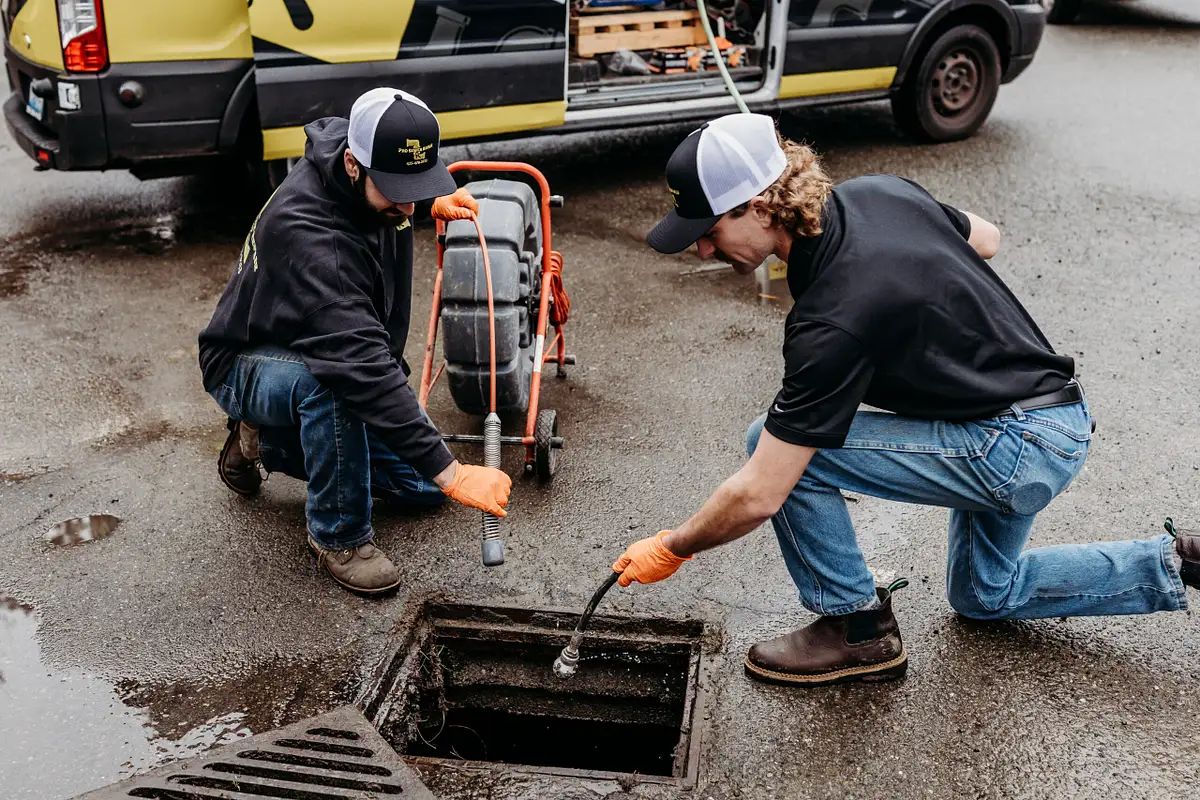
When you call Pro Sewer Repair for an inspection in Seattle or the surrounding areas, we prioritize finding the exact cause of your problem without unnecessary guesswork. First, our technicians locate your sewer cleanout to gain direct access to the main line. We then feed a waterproof camera on a flexible push rod into your sewer line.
As the camera travels through the pipe, we watch a real-time video feed on a monitor to identify cracks, root masses, bellies, or heavy grease buildup. If we spot an issue, a built-in radio transmitter on the camera head allows us to use a surface locator to map the exact depth and location of the problem. You will see exactly what we see on the screen, and we will provide a clear explanation alongside a free estimate for the necessary repairs.
Next Steps After Your Camera Inspection
Custom Repair Solutions
Depending on what the camera reveals, we lay out every option that fits your line. If your pipes are heavily blocked by sludge or minor roots but remain structurally intact, professional Sewer Drain Cleaning can clear the line. This approach avoids construction when the pipe itself is sound.
However, if the inspection reveals severe cracks, missing pipe bottoms, or massive root damage, we offer Trenchless Sewer Repair. Methods like Pipe Bursting and Sewer Lining repair or replace the damaged pipe from small access points, with far less digging than a trench, which can leave most of your landscaping, driveway, or patio undisturbed.
The Hidden Costs of Ignoring Sewer Line Symptoms
Protecting Your Property
Hoping a slow drain or occasional gurgle will just fix itself is a dangerous gamble that rarely pays off. Sewer problems do not improve over time; they only escalate into much larger emergencies that disrupt your daily life. A minor root intrusion that could easily be cleared today will eventually grow thick enough to shatter the pipe completely.
When a sewer line fails entirely, the resulting raw sewage backup creates a severe health hazard inside your home. The cost of waiting is not just the price of a larger plumbing repair down the road, but the massive expense of biohazard cleanup and extensive interior water damage. Catching the problem early with a camera inspection gives you more options and a smaller repair to plan for.
Schedule Your Seattle Sewer Inspection Today
Do not let a mystery blockage keep threatening your home. As a family-owned business, Pro Sewer Repair is open 24/7/365, shows you what the camera finds, and gives you a free estimate before any work begins. Call us today at (425) 478-3133 to schedule your sewer camera inspection and get the answers you need.
Sewer Camera Inspection in Seattle: questions people also ask
What can a sewer camera inspection show?
The pipe material, roots, offsets, cracks, bellies, scale, grease, a collapsed section and the connection at the main - each with a distance from the entry point. The camera head carries a radio sonde, so the route and depth are marked on the surface too.
Will I see the footage?
Yes. You watch the monitor with the technician, and the findings are explained in plain language.
Does a camera inspection mean I need a sewer replacement?
No. The purpose is diagnosis and options. An inspection can end with a cleaning, a spot repair, or confirmation that the line is fine. When the footage does show a failing line, you see every viable fix with its trade-offs before a price.
Can you scope a sewer for a Seattle home purchase or a property manager?
Yes. We do pre-purchase sewer scopes and inspections for property managers, HOAs and real-estate decisions, and we show you what the camera found.
More of the questions we hear every week are on the FAQ page .
Ready when you are
Let's put a camera down the line and see.
Free estimates and free second opinions, open 24/7/365 across the Greater Seattle & Puget Sound area. Call and a real Pro Sewer team member picks up.