

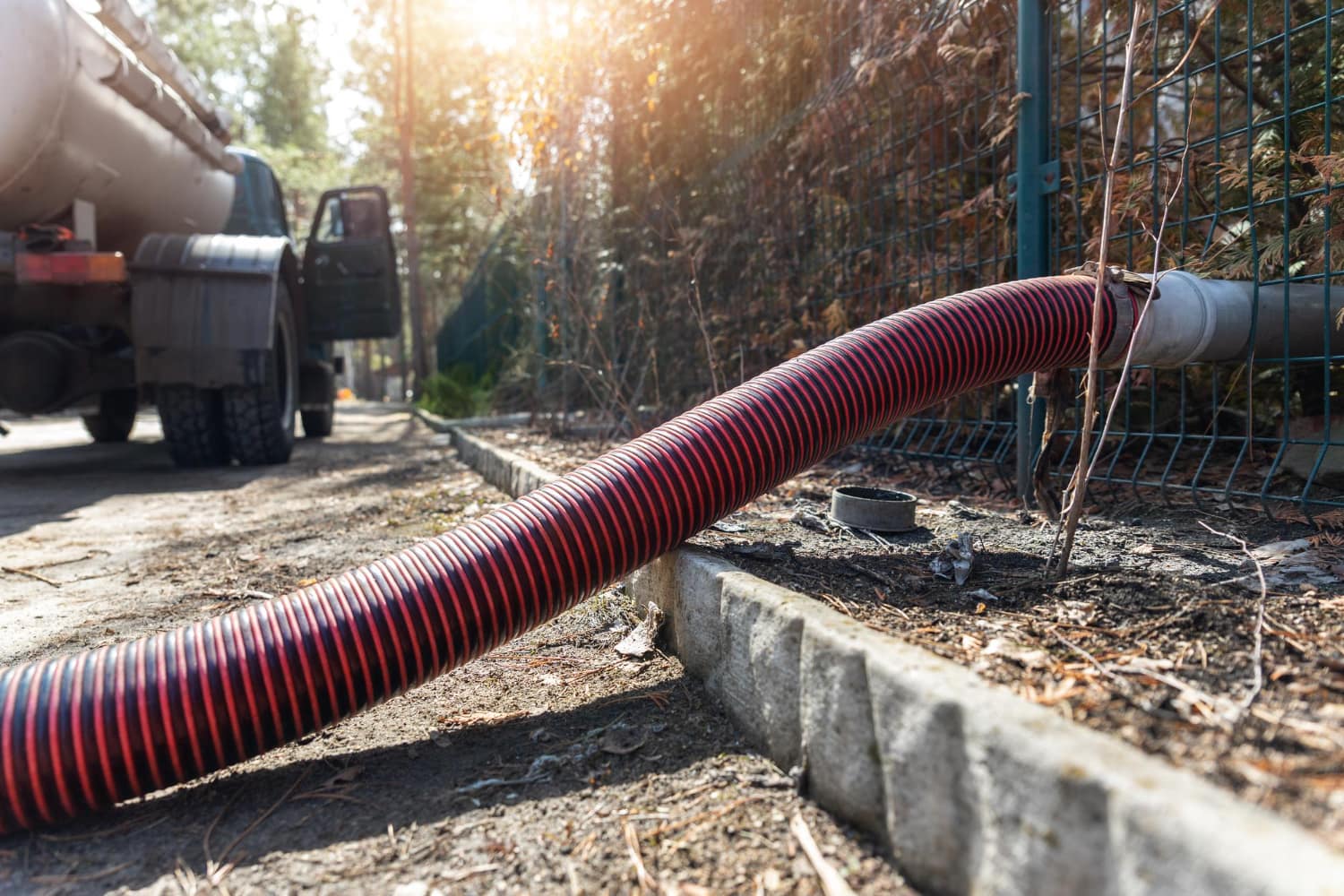
Mountlake Terrace homeowners often face a frustrating pattern of main sewer line clogs that seem to happen more often than they should. You might wonder why your drains back up repeatedly even after professional cleaning.
Main sewer line clogs in Mountlake Terrace happen frequently because of aging infrastructure from the 1950s and 1960s, invasive tree roots, and improper disposal of household materials. Since the city incorporated in 1954 to provide sewer connections, many of the original pipes are now over 70 years old. These older systems weren’t built to handle modern household demands.
Your sewer problems likely stem from a combination of factors working together. Understanding the warning signs, infrastructure challenges, and prevention methods can help you avoid costly emergency repairs. This guide will help you identify the main causes behind your recurring clogs and show you how to protect your home’s sewer system.
In this article, you will learn:
- Warning signs of impending main sewer line blockages
- Impact of tree root intrusion
- Challenges posed by outdated sewer infrastructure
- Contribution of household habits to clogs
- Benefits of professional sewer maintenance
Keep reading to identify the exact causes of your recurring clogs and learn how to protect your Mountlake Terrace home from costly sewer emergencies.
Warning signs of impending main sewer line blockages
Your main sewer line usually shows clear signs before a complete blockage occurs. Catching these early warnings about sewer line problems helps you avoid sewage backups and expensive emergency repairs.
Multiple drains backing up simultaneously
When several drains in your home stop working at the same time, you likely have a main sewer line problem. A single drain clog affects only one fixture, but main line issues impact your entire plumbing system.
Watch for water backing up in unexpected places. If you flush a toilet and water appears in your shower drain, this points to a main line blockage. The same thing happens when running your washing machine causes your kitchen sink to overflow.
The lowest drains in your home show problems first. Basement floor drains and ground-level showers back up before upstairs fixtures because water follows gravity and seeks the lowest exit point when the main line blocks.
Pay attention to multiple slow drains throughout your house. One slow drain means a local clog, but when all your sinks, tubs, and toilets drain slowly, the main line is partially blocked and you may have a slow draining sewer line that needs attention.
Gurgling sounds in toilets and sinks
Gurgling noises from your drains signal trapped air in your sewer line. When a blockage forms, air cannot escape normally through the vent system and instead bubbles up through your drains.
You might hear these sounds even when you are not using water. A toilet that gurgles on its own or a sink that makes bubbling noises indicates air pressure changes in your sewer line. These sounds often happen when someone uses water elsewhere in the house.
The gurgling gets louder as the blockage grows worse. What starts as a faint noise can become obvious bubbling sounds that you hear throughout your home.
Foul odors around interior drains
Sewer gas smells inside your home mean your drain system is not sealed properly. A healthy main sewer line keeps all waste and gases flowing away from your house, but blockages cause sewage to sit in pipes and release odors that often appear as a smelly basement sewer issue.
According to the Agency for Toxic Substances and Disease Registry, hydrogen sulfide gas produced by decomposing organic matter creates a distinct rotten egg odor and can cause respiratory and eye irritation even at relatively low concentrations. You might notice it near drains, in your basement, or in bathrooms. These odors appear because waste cannot move through the blocked line and instead creates gas that seeps back into your home.
Persistent sewer smells do not go away with cleaning. If the odor returns quickly after you clean your drains, tree roots, grease buildup, or other sewer backup causes are likely blocking your main line. Do not ignore these smells because they indicate both a blockage and potential health risks from sewer gas exposure.
Impact of tree root intrusion
Tree roots cause some of the most serious and recurring sewer line problems in Mountlake Terrace. They enter through small openings in pipes and create blockages that grow worse over time, often requiring root intrusion removal by a qualified professional.
Roots penetrate aging sewer pipes
Many homes in Mountlake Terrace have older sewer lines made from clay, cast iron, or concrete. These materials develop small cracks and loose joints as they age. Tree roots in sewer line systems sense moisture and nutrients inside your sewer line and grow toward these weak points.
Once roots find an opening, they push through and expand inside the pipe. A root that starts as thin as a hair can grow thick enough to fill the entire pipe width. The roots don’t just block the flow, they make existing cracked sewer pipes larger and create new damage.
Common entry points include:
- Joints between pipe sections
- Hairline cracks from ground settling
- Corroded spots in metal pipes
- Crumbling sections in clay pipes
Even small defects give roots enough access to start a tree root sewer blockage. The roots continue growing as long as water flows through the line, eventually requiring root removal in sewer line services.
Moist soil conditions promote root growth
The Pacific Northwest climate keeps soil consistently wet for much of the year. Trees in your yard extend their root systems wider and deeper when searching for water during drier months. Your sewer line becomes an attractive target because it provides steady moisture year-round.
According to the U.S. Forest Service, tree roots regularly extend two to three times beyond the canopy drip line when searching for water and oxygen in suitable soils. Mature trees like maples, willows, and firs have aggressive root systems that can extend 20 to 30 feet from the trunk. If your sewer line runs anywhere near these trees, roots will likely find it. The combination of wet soil and older pipes creates ideal conditions for root intrusion.
Entrapped debris from root networks
Once roots establish themselves inside your sewer line, they act like a net that catches everything flowing through. Toilet paper, grease, soap residue, and other materials get trapped in the root mass. This debris builds up quickly and creates dense blockages.
The trapped material makes the clog worse over time. What starts as slow drainage becomes a complete backup. Each flush or drain use adds more debris to the root network, and the blockage keeps growing until you need professional clogged sewer repair work.
Challenges posed by outdated sewer infrastructure
Older sewer systems create recurring problems through material breakdown, structural shifts, and internal buildup that restrict water flow. These issues explain why certain areas experience repeated main line blockages.
Deterioration of clay and cast iron pipes
Many sewer systems in older neighborhoods were built between 1900 and 1960 using clay or cast iron pipes. According to the U.S. Environmental Protection Agency, much of the nation’s underground wastewater infrastructure was installed between 50 and 100 years ago and is now at or beyond the end of its design life, contributing to widespread sanitary sewer overflows and chronic blockage problems.
Clay pipes become brittle over time. They crack under ground pressure or when tree roots push against them. Once cracks form, roots grow into the pipe looking for water and nutrients.
Cast iron pipes face different problems. They rust from the inside out due to chemical reactions with wastewater, making preventing sewer pipe corrosion a critical concern. The rusting process weakens the pipe walls until they develop holes or collapse completely, sometimes requiring collapsed sewer line repair.
Both pipe types have reached or passed their expected lifespan. A pipe that’s 60 to 120 years old cannot handle modern water flow demands. Small cracks become larger breaks, sometimes leading to a broken sewer pipe emergency, creating perfect spots for debris to catch and build up into full clogs.
Problems from pipe sagging or misalignment
Ground movement causes pipes to shift from their original position over many years. Soil settles unevenly, freezing and thawing cycles create pressure, and nearby construction disturbs the earth around buried pipes.
When pipes sag, they create low spots where water pools instead of flowing smoothly. Solid waste and debris settle in these areas because gravity cannot pull them through the depression. Paper products, grease, and other materials accumulate in the sagging section, often requiring sewer lateral repair work.
Misaligned pipe joints create another problem. The connections between pipe segments can separate slightly or shift at angles. These gaps and offsets catch passing debris like a net catches fish. What starts as a small snag quickly grows into a complete blockage.
Corrosive narrowing of pipe diameter
The inside surface of old pipes doesn’t stay smooth. Corrosion eats away at metal pipes while mineral deposits build up on all pipe types.
Hard water leaves behind calcium and magnesium deposits. These minerals stick to pipe walls and gradually form thick layers. Grease and soap residue also coat the interior surface, hardening over time.
As these layers grow thicker, the pipe’s opening gets smaller. A pipe that once had a 6-inch diameter might now function as a 4-inch pipe. The reduced space means less water can flow through at once. When you run multiple fixtures or flush toilets, the system cannot handle the volume. Backups happen because the pipe cannot accommodate normal usage anymore, and eventually you may need a full main sewer line replacement.
Contribution of household habits to clogs
Daily activities in your home directly affect how well your main sewer line works. The things you flush down drains and how you use water can either keep your pipes clear or cause serious blockages.
Accumulation of grease, wipes, and hygiene products
Pouring cooking grease down your kitchen sink creates one of the most common causes of sewer line clogs. According to the U.S. Environmental Protection Agency, fats, oils, and grease are a leading cause of sewer line blockages nationwide because they cool and harden inside pipes, trapping additional debris and reducing flow over time.
Flushing items labeled as “flushable wipes” causes major problems despite what the packaging claims. These wipes do not break down like toilet paper. They clump together and create blockages in your sewer line that lead to recurring drain clog issues.
Hygiene products like cotton swabs, dental floss, and feminine hygiene items also lead to clogs. These items do not dissolve in water. When you flush them, they get caught in pipe bends and collect other debris.
Items to never put down your drains:
- Cooking oils and grease
- Wet wipes and cleaning wipes
- Cotton balls and swabs
- Feminine hygiene products
- Dental floss
- Paper towels
Effects of heavy water usage in short bursts
Running multiple water fixtures at the same time puts stress on your main sewer line. When you do laundry while running the dishwasher and someone takes a shower, all that wastewater moves through your pipes at once.
This surge of water can push debris that was sitting in your pipes into tighter spaces. If your sewer line already has a partial blockage, the extra water flow can make it worse. The sudden volume overwhelms the system and causes backups, sometimes requiring emergency sewer repair work.
Spacing out your water usage throughout the day helps prevent this problem. Wait between loads of laundry and avoid running appliances during peak bathroom times.
Importance of routine sewer maintenance
Regular sewer line maintenance keeps your sewer line working properly and helps you catch problems early. Professional inspections can spot small issues before they become expensive repairs.
You should have your main sewer line inspected every 18 to 24 months. A plumber can use a camera and perform a sewer line diagnostic to look inside your pipes and identify buildup or damage. This lets you address concerns while they are still manageable.
Scheduling preventive professional drain cleaning removes accumulation from your pipes. This service clears out grease, soap residue, and other materials that slowly build up over time. Keeping your pipes clean reduces the chance of sudden blockages.
Benefits of professional sewer maintenance
Professional sewer maintenance protects your home from expensive repairs and keeps your plumbing system running smoothly. Regular service includes advanced cleaning methods, detailed inspections, and early problem detection that saves money over time.
Advantages of hydro jetting versus snaking
Hydro jetting drain cleaning uses high-pressure water streams to clear your sewer lines completely. The water pressure reaches up to 4,000 PSI, which removes grease buildup, mineral deposits, and debris that stick to pipe walls. This method cleans the entire diameter of your pipes, not just punching a hole through the blockage.
Snaking only creates a small opening in clogs. It leaves residue on pipe walls that causes new blockages to form quickly. You’ll need sewer line repair services more often when using traditional snaking methods.
Sewer jetting services last longer because they remove all the material causing problems. Your sewer lines stay clear for years instead of months. High pressure drain cleaning also works on tree roots, soap scum, and hardened waste that snakes can’t remove.
Camera inspections for root and pipe issues
Sewer camera inspections let professionals see inside your sewer lines without digging. A waterproof camera travels through your pipes and sends back real-time video. A video sewer inspection service shows exactly where problems exist and what’s causing them.
You’ll know if tree roots have invaded your pipes before they cause major damage. The camera reveals cracks, breaks, and weak spots in your sewer line. A sewer scope inspection service can spot early signs of pipe deterioration and fix them before you need a full replacement.
These inspections save you money on unnecessary digging. The camera shows the exact location of problems, so repair crews only dig where needed. You get accurate information about your pipe condition instead of guessing what’s wrong.
Cost savings through preventive care
Regular sewer drain cleaning prevents emergency repairs that cost thousands of dollars. Professionals recommend sewer line cleaning services every two to three years based on your pipe age and tree locations. This schedule stops small problems from becoming major failures.
Emergency sewer repairs cost three to five times more than scheduled maintenance. You avoid water damage to your home, yard restoration costs, and temporary housing expenses during major repairs. Preventive care extends your sewer line’s lifespan by decades.
Professional maintenance from experienced sewer repair contractors also keeps your property value stable. Buyers check sewer line conditions before purchasing homes. A well-maintained system means you won’t face surprise repair bills or failed home inspections.
Conclusion
Main sewer line clogs in Mountlake Terrace happen frequently due to several key factors. Tree roots top the list as they infiltrate pipes searching for water and nutrients. The area’s mature trees and older infrastructure create ideal conditions for this problem.
Your sewer system also faces challenges from what goes down your drains. Grease, oil, and non-degradable items like wipes build up over time. These materials stick to pipe walls and gradually reduce flow capacity.
The city maintains 69 miles of sewer main lines and 5,500 connection laterals. This extensive network serves the entire community, but older sections face more frequent issues. Corroded cast iron pipes and cracked terracotta lines are especially vulnerable in established neighborhoods.
You can reduce clog frequency through regular maintenance and careful drain use. Avoid putting grease down your sink and only flush toilet paper. Professional cleaning services can inspect your lines before major blockages occur.
When multiple drains back up at once, you likely have a main line problem. Acting quickly prevents sewage backup and expensive repairs. The longer blockages remain, the more damage they cause to your plumbing system and property. Contact Pro Sewer Repair today to schedule an inspection and protect your Mountlake Terrace home from recurring main sewer line clogs.