

Sewer problems don’t wait for convenient times to happen. A sewer emergency can strike at any hour, turning your home into a stressful situation that needs quick action. When you experience sewage backups, pooling water in your yard, or toilets that won’t drain properly, you need professional emergency sewer repair services in Bellevue, WA that can respond fast and fix the problem correctly.
Understanding what counts as a sewer emergency helps you know when to call for help. Some signs are obvious, like sewage coming back up through drains or strong sewer odors in your home. Other warning signs are less clear but just as serious, and catching them early can save you from bigger problems and higher costs.
The difference between a quick fix and major damage often comes down to how fast you act. Whether you need residential sewer repair in Bellevue, WA or face an urgent backup, knowing what steps to take and who to call makes all the difference. This guide will walk you through everything you need to know about handling sewer emergencies, from spotting the first signs to getting professional help when you need it most.
In this article, you will learn:
- Recognizing early warning signs of sewer emergencies
- Immediate actions to mitigate sewer incidents
- Increased risks and damage from repair delays
- Precision diagnosis with professional services
- The importance of round-the-clock availability
Keep reading to learn how to respond to a sewer emergency in your Bellevue home and protect your family from costly damage and serious health hazards.
Recognizing early warning signs of sewer emergencies
Sewer emergencies rarely happen without warning. Certain sewer line problems indicate your sewer line is failing and needs immediate attention to prevent major damage and expensive repairs.
Multiple drains backing up throughout the home
When more than one drain in your home backs up at the same time, you likely have a main sewer line problem. This is different from a single clogged sink or toilet. You might notice that flushing the toilet causes water to back up in your shower or bathtub. Water might also appear in floor drains when you run the washing machine.
These issues happen because your main sewer line is clogged or damaged. All the drains in your home connect to this main line. When it gets clogged, wastewater has nowhere to go except back up through your drains, often requiring sewer backup repair.
Watch for these signs:
- Water backing up in your basement floor drains
- Toilets gurgling when you use other fixtures
- Multiple fixtures draining slowly at once
- Water appearing in unexpected drains when you use appliances
This is a serious problem that needs fast action. The backup can quickly worsen and cause water damage throughout your home.
Strong sewer odors appearing indoors or outside
Sewer gas smells like rotten eggs and should never be present in or around your home. These odors mean sewer gas is escaping from your pipes. You might smell it near drains, in your basement, or in your yard, often creating a smelly basement sewer issue.
The smell often comes from cracked sewer pipes or breaks in your sewer line. It can also happen when a blockage causes pressure to build up in the pipes. Damaged pipe connections let the gas leak out.
Pay attention to:
- Foul odors that get stronger over time
- Smells concentrated near specific drains or outside areas
- Odors that don’t go away after cleaning
- Gas smells in your yard or basement
According to the Agency for Toxic Substances and Disease Registry, hydrogen sulfide gas produced by decomposing organic matter creates a distinct rotten egg odor and can cause respiratory and eye irritation even at relatively low concentrations. These odors are both unpleasant and potentially dangerous.
Slow drainage that suddenly becomes a complete blockage
Drains that work slowly often get worse over time. Your sink might take a few minutes to empty at first. Days or weeks later, nothing drains at all. This pattern shows a growing slow draining sewer line issue.
Tree roots in sewer line systems, grease buildup, and pipe damage all cause progressive clogs. What starts as a partial blockage continues to build up. Eventually, the pipe becomes completely blocked. At this point, you’re facing a plumbing emergency that requires clogged sewer repair.
A complete blockage means wastewater cannot leave your home. This creates unsanitary conditions and requires immediate repair. Don’t wait for slow drains to fix themselves. The problem will only get worse and turn into a costly emergency.
Immediate actions to mitigate sewer incidents
When a sewer emergency happens, quick action can reduce damage and protect your property from further contamination. Stopping water flow, identifying affected areas, and securing your belongings are the most critical steps to take while waiting for professional help.
Limiting water use to prevent additional backups
Stop using all water in your home as soon as you notice a sewer backup. This includes toilets, sinks, showers, dishwashers, and washing machines. Every gallon of water you send down the drain will add to the backup and push more wastewater into your home.
Turn off automatic water-using appliances like ice makers and water softeners. Alert everyone in your household not to use any plumbing fixtures until an emergency sewer service technician in Bellevue assesses the problem.
If the backup is severe, locate your main water shutoff valve and turn it off completely. This valve is usually near your water meter or where the main line enters your home. Shutting off the water prevents accidental use and stops any potential flooding from broken pipes or fixtures.
Identifying areas affected by wastewater intrusion
Check all lower-level drains first, including basement floor drains, toilets, and bathtubs. Wastewater typically backs up at the lowest points in your plumbing system. Look for standing water, wet spots, or unusual odors in these areas.
Inspect the ground around your outdoor cleanout access point if you have one. Wastewater pooling outside indicates a blockage in your main sewer line. Note any soggy patches in your yard or areas where grass looks unusually green or grows faster than surrounding areas.
Document all affected areas with photos or video before cleanup begins. This documentation helps with insurance claims and provides a clear record of the damage extent.
Protecting belongings from contamination and damage
Move furniture, electronics, and other valuables away from affected areas immediately. According to the Centers for Disease Control and Prevention, exposure to untreated sewage carries documented risk of pathogens that cause gastrointestinal illness, hepatitis A, and other serious infections, especially when wastewater contacts skin, eyes, or mucous membranes. Wastewater can contaminate porous materials like wood, fabric, and cardboard.
Place aluminum foil or plastic sheeting under furniture legs that cannot be moved to create a barrier between items and contaminated floors. Remove area rugs, boxes, and stored items from basements or lower levels where backup occurred.
Keep children and pets away from all affected areas until professional cleaning is complete. Wastewater poses serious health risks and should only be handled by trained professionals with proper protective equipment. Seal off contaminated rooms using plastic sheeting and tape if possible to prevent spread to clean areas of your home.
Increased risks and damage from repair delays
When sewer problems go unaddressed, the damage spreads quickly through your property and creates serious health hazards that become more expensive to fix with each passing day.
Wastewater spreading into flooring and walls
Raw sewage doesn’t stay contained when pipes break or crack. The contaminated water seeps into your floors, crawls up walls, and saturates the building materials throughout your home. Wood flooring warps and buckles within hours of exposure. Drywall absorbs the wastewater and becomes a breeding ground for mold growth.
Your subflooring takes the worst damage because sewage pools in spaces you can’t see. The moisture weakens floor joists and support beams. Carpet padding holds contaminated water like a sponge and spreads bacteria across large areas. Wall insulation soaks up sewage and loses its ability to regulate temperature.
Once wastewater spreads into these materials, you can’t just dry them out. Most contaminated materials need complete removal and replacement to ensure your home is safe.
Health concerns associated with sewer exposure
Sewage contains harmful bacteria like E. coli, salmonella, and hepatitis A virus. Breathing air in a home with sewer backup exposes you to these pathogens. You can develop respiratory infections, stomach illnesses, and skin infections from contact with contaminated surfaces.
Children and elderly family members face the highest risk of serious illness from sewer exposure. Even brief contact with sewage-contaminated areas can cause vomiting, diarrhea, and fever. The bacteria in raw sewage remain active on surfaces for days or weeks without proper cleaning.
Mold starts growing within 24-48 hours after sewage exposure. These mold spores cause allergic reactions, asthma attacks, and breathing problems. The longer you wait for urgent sewer repair services in Bellevue, the more your indoor air quality suffers.
Repair costs that rise as damage expands
A simple pipe crack might cost a few hundred dollars to fix today. Wait a week, and that same problem could require thousands of dollars in repairs. The sewage damage spreads to more areas of your home and affects more building materials, sometimes requiring underground sewer pipe repair work.
Foundation damage develops when sewage leaks underground near your home’s base. Soil erosion weakens the support under your foundation, leading to cracks and settling. Structural repairs cost significantly more than fixing the original sewer line problem.
Your property value drops when sewer damage goes unaddressed. Future buyers will discover the history of sewage problems during inspections. Insurance claims also become more complicated when you delay repairs, as companies may argue the extended damage resulted from neglect rather than the initial emergency. Regular sewer line maintenance helps demonstrate responsible homeownership.
Precision diagnosis with professional services
Professional sewer diagnostics identify the exact location and nature of your emergency before repairs begin. Advanced inspection tools reveal hidden damage inside your pipes without excavation or guesswork.
Camera inspections that locate blockages and pipe failures
Sewer camera inspections use waterproof video equipment to travel through your pipes and capture real-time footage. A technician feeds a flexible cable with a high-definition camera into your sewer line through an access point. The camera transmits live video to a monitor above ground.
A video sewer inspection service shows the precise location of problems within your sewer system. The camera identifies clogs, cracks, corrosion, and structural failures that cause backups. A sewer line diagnostic with GPS tracking marks the exact depth and distance of damage from the entry point.
A sewer scope inspection service eliminates the need to dig up your entire yard searching for problems. The footage becomes a permanent record of your pipe condition. Technicians can show you the damage on screen and explain what repairs your system needs.
Tree root intrusion and collapsed pipe sections
Tree roots seek moisture and nutrients inside sewer pipes through small cracks or loose joints. Once inside, roots expand and create dense masses that block water flow completely. According to the U.S. Forest Service, tree roots regularly extend two to three times beyond the canopy drip line when searching for water and oxygen in suitable soils. Root intrusion is one of the most common causes of sewer line emergency situations in Bellevue WA, often requiring root intrusion removal by a qualified professional.
Camera inspections reveal root locations and how extensively they penetrate your pipes. Severe root damage often weakens pipe walls until sections collapse inward, requiring collapsed sewer line repair. Collapsed pipes require immediate attention because sewage cannot flow past the obstruction, and a broken sewer pipe can create even worse damage.
Clay and older concrete pipes are most vulnerable to root invasion. According to the U.S. Environmental Protection Agency, much of the nation’s underground wastewater infrastructure was installed between 50 and 100 years ago and is now at or beyond the end of its design life. Modern PVC and HDPE pipes resist root penetration better but can still develop problems at connection points.
Repair options based on the severity of the damage
Minor blockages may only require hydro jetting drain cleaning or mechanical snaking to restore flow. These methods clear debris and moderate root growth without replacing pipes. Small cracks can be sealed with epoxy relining sewer pipe that coats interior walls.
Extensive damage demands more comprehensive solutions. Trenchless pipe bursting replaces old pipes by breaking them apart and pulling new pipes through the same path. Trenchless pipe lining installs a resin-coated tube inside existing pipes that hardens into a new inner wall.
Traditional excavation through experienced sewer line replacement contractors becomes necessary when pipes have collapsed completely or shifted out of alignment, sometimes requiring a full main sewer line replacement. Your technician will recommend the most cost-effective method based on damage severity, pipe location, and soil conditions.
The importance of round-the-clock availability
Sewer emergencies don’t follow a schedule, and waiting until morning can turn a manageable problem into a costly disaster. Access to 24 hour sewer repair services in Bellevue WA protects your property from extensive water damage and keeps your household safe.
Emergencies that occur outside normal business hours
Sewer backups and pipe bursts often happen at the worst times. You might notice sewage coming up through drains late at night or discover a collapsed sewer line on a weekend morning.
Most sewer emergencies happen when you least expect them. A tree root can puncture your main sewer line at 2 AM. Your toilet might start overflowing during a holiday dinner. These problems need immediate attention regardless of the time.
Standard plumbers who only work 9 to 5 can’t help you when disaster strikes at midnight. You need a service that answers calls at any hour and sends technicians right away. Waiting 12 or 16 hours for business hours to resume gives sewage more time to back up into your home and cause damage to floors, walls, and belongings.
Preventing overnight damage and extended disruptions
Raw sewage contains harmful bacteria that can make your family sick. The longer it sits in your home, the more health risks increase. Quick response from emergency crews stops contamination from spreading through your living spaces.
Water damage gets worse with every passing hour. Sewage backup can ruin carpets, drywall, and furniture within hours. Your home’s structural elements can absorb contaminated water and require expensive repairs or replacement.
A backed-up sewer means you can’t use toilets, sinks, or showers safely. Your daily routine stops completely. Kids can’t get ready for school. You can’t cook meals or wash dishes. Round-the-clock service gets your plumbing working again so life returns to normal faster.
Restoring safe plumbing operation as quickly as possible
Emergency sewer repair teams arrive with the tools and expertise to diagnose problems fast. They use cameras to inspect pipes and locate blockages or breaks. This technology helps them fix the exact problem without guessing or wasting time.
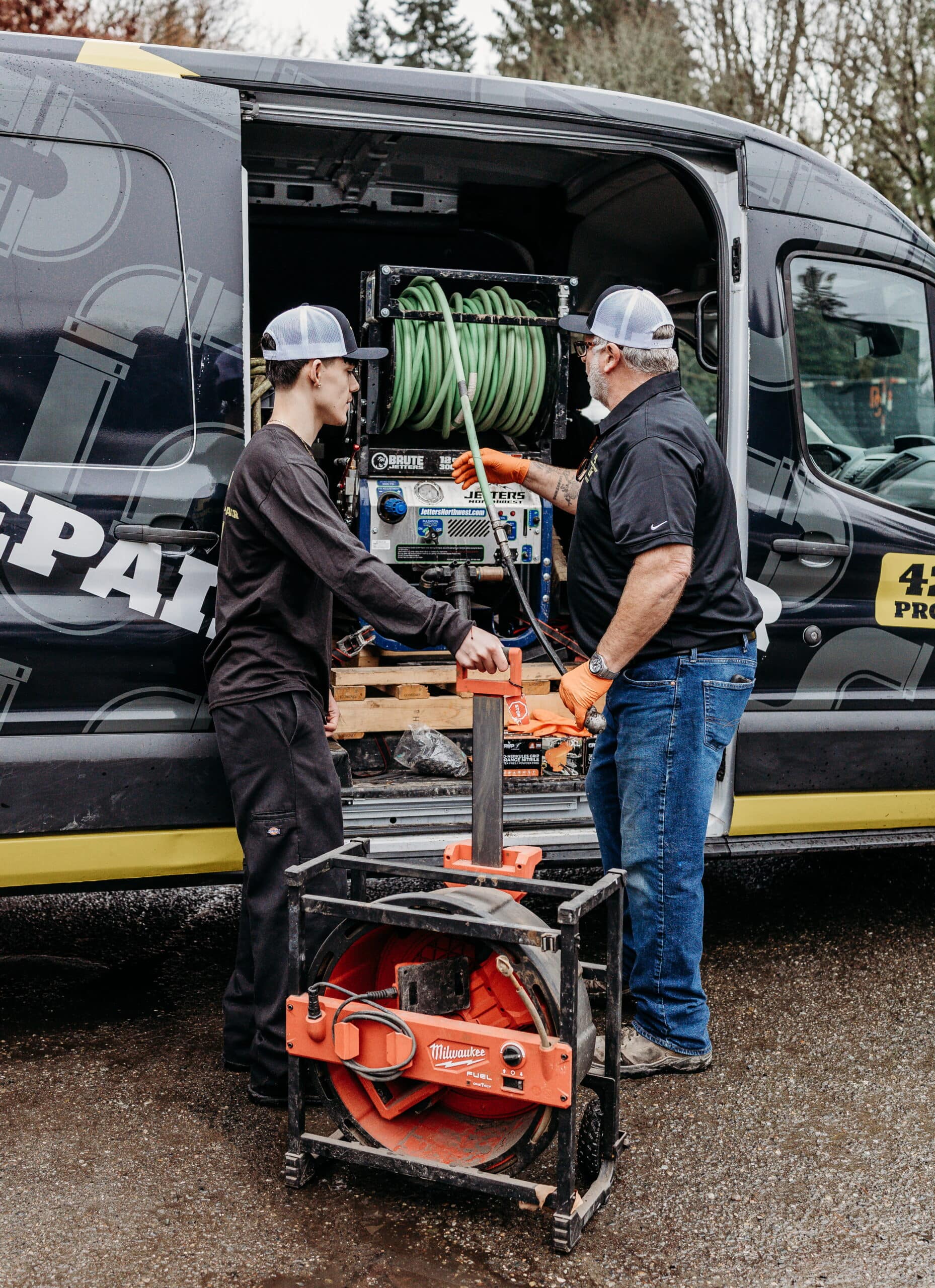
Professional crews can clear severe clogs using sewer jetting services, repair broken pipes, and restore flow within hours. They work through the night if needed to get your system operational. Many use trenchless sewer line repair services that fix underground pipes without tearing up your yard.
Fast repairs mean less time dealing with unsanitary conditions. Your family can use bathrooms again. You avoid hotel costs or staying with relatives. Most importantly, you stop additional damage that makes repairs more expensive and complicated.
Conclusion
Sewer emergencies can happen at any time in Bellevue, WA. When they do, you need fast and reliable help to protect your home and property.
Professional plumbers in the area offer 24/7 emergency services to handle burst pipes, clogs, and other urgent issues. Many companies use modern methods like trenchless repair that fix your sewer lines without digging up your yard.
You should keep contact information for trusted sewer repair contractors on hand before an emergency happens. This preparation helps you act quickly when disaster strikes.
Regular inspections and routine sewer maintenance can catch problems early and reduce the chance of emergency repairs. Most Bellevue plumbers offer inspection services to check your sewer lines for damage or blockages.
Remember that wastewater issues affect more than just your home. They can impact the entire city system and require proper handling. Professional sewer drain cleaning services and repair providers understand local codes and work with Bellevue’s wastewater infrastructure.
Don’t wait when you notice warning signs like slow drains, bad smells, or wet spots in your yard. Contact Pro Sewer Repair right away to inspect and repair your sewer system. Fast action saves you money and protects your property from serious damage.