

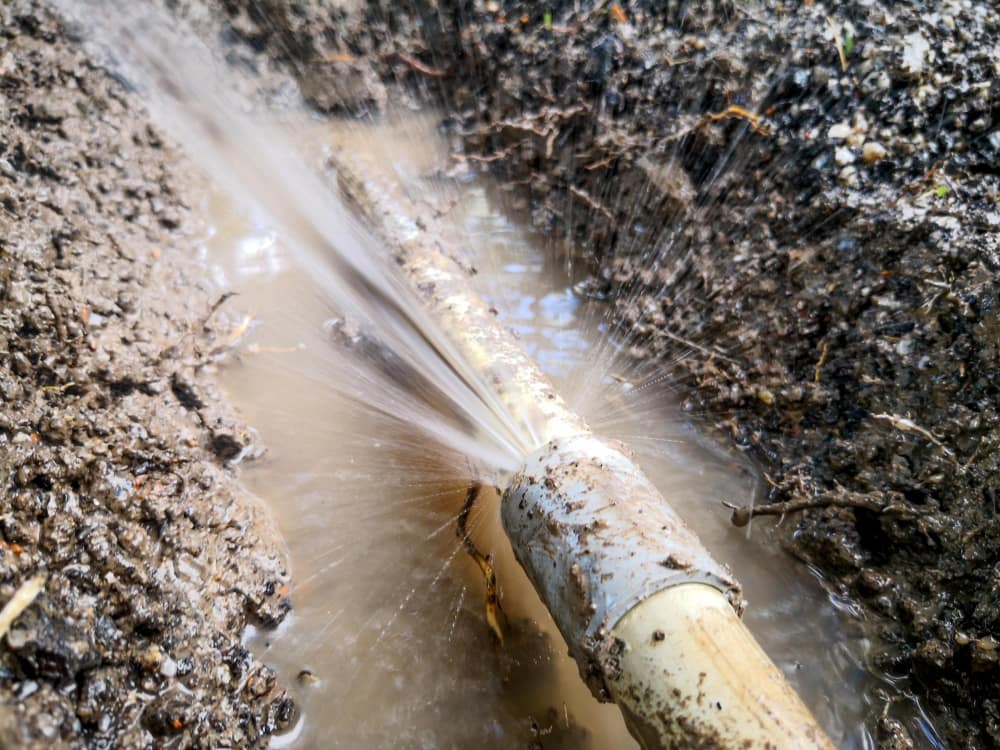
Dealing with sewer problems at your Shoreline, WA property used to mean tearing up your yard and waiting weeks for repairs to finish. Trenchless sewer repair offers a modern solution that fixes damaged pipes with minimal digging, usually requiring only two small access points instead of excavating your entire lawn. This approach saves time and protects your landscaping while delivering long-lasting results.
Traditional sewer repairs can disrupt your daily life and leave your property looking like a construction zone. The newer methods available in Shoreline let plumbers access and repair underground pipes without destroying driveways, gardens, or sidewalks. You get the same quality repairs with far less mess and inconvenience.
Understanding how trenchless repair works helps you make smart decisions about fixing your sewer lines. This article walks you through the different techniques available, explains what problems they can solve, and shows you why property owners across Shoreline are choosing these no-dig options for their plumbing needs.
In this article, you will learn:
- Modern alternatives to conventional sewer repairs
- Non-invasive solutions for common sewer issues
- Exploring trenchless methods for pipe restoration
- Key advantages of no-dig pipe rehabilitation
- Determining the value of trenchless services
Keep reading to discover how trenchless sewer repair can save your Shoreline property from costly excavation while delivering long-lasting pipe restoration.
Modern alternatives to conventional sewer repairs
Old-fashioned sewer repair methods require digging up your entire yard, driveway, or landscaping to reach broken pipes. Today’s trenchless methods let you fix or replace damaged sewer lines with much less digging and disruption to your property.
Concerns about excavation and property impact
Traditional sewer repairs create serious problems for your property. Contractors need to dig trenches 3 to 6 feet deep across your yard to access underground pipes. This means your lawn gets torn up, gardens get destroyed, and you’ll need to pay for restoration work after the repairs are done.
The damage extends beyond just grass and plants. Tree roots may get cut during excavation, which can harm or kill mature trees. Your sprinkler system might get damaged. Sidewalks and driveways often need to be broken up if pipes run underneath them.
The restoration costs add up quickly. You’ll pay for new sod or seed, replanting shrubs, fixing irrigation lines, and repairing any hardscaping. These extra expenses can match or exceed the actual pipe repair costs.
Obstacles presented by landscaping and pavement
Your property’s existing features make traditional excavation even harder. Mature trees, decorative rock gardens, and established flower beds took years to grow and create. Digging them up means losing that investment and starting over.
Paved areas present the biggest challenges. If your sewer line runs under your driveway, patio, or walkway, crews must break through concrete or asphalt. After the pipe work is done, you need new paving that may not match the original color or texture.
Buildings and structures also get in the way. Sewer lines often run near or under garages, sheds, decks, and home additions. Traditional methods require working around these obstacles or even removing parts of structures to reach the pipes, which often leads to needing underground sewer pipe repair work afterward.
How trenchless technology streamlines repairs
A trenchless sewer service in Shoreline solves these problems by working underground without full excavation. Technicians only dig small access points at each end of the damaged section. They then repair or replace pipes from inside using specialized equipment.
Relining sewer pipe work involves inserting a flexible tube coated with epoxy resin into your existing pipe. The tube inflates and presses against the old pipe walls. Once the epoxy hardens, you have a new pipe inside the old one.
Pipe bursting replaces severely damaged lines by pulling a new pipe through the old one. A cone-shaped head breaks apart the old pipe while simultaneously pulling the replacement pipe into place behind it.
Both methods preserve your landscaping, driveway, and other property features. Repairs typically finish in one or two days instead of a week or more. You avoid the cost and hassle of restoring your yard afterward.
Non-invasive solutions for common sewer issues
Trenchless methods can fix three of the most frequent sewer line problems without tearing up your yard. These solutions work for pipes damaged by age, tree roots, and general wear that causes repeated backups.
Cracks from aging and soil shifting
Your sewer pipes develop cracked sewer pipe issues over time as materials break down and ground movement puts stress on the lines. Clay and concrete pipes are especially prone to cracking after 40 to 50 years of use. According to the U.S. Environmental Protection Agency, much of the nation’s underground wastewater infrastructure was installed between 50 and 100 years ago and is now at or beyond the end of its design life.
Trenchless repair fixes these cracks using pipe lining or pipe bursting. Pipe lining involves inserting a flexible tube coated with resin into the damaged pipe. The tube inflates and the resin hardens, creating a new pipe inside the old one. This seals all cracks and adds decades to your pipe’s life, making preventing sewer pipe corrosion much easier going forward.
Pipe bursting breaks apart the old damaged pipe while pulling a new, stronger pipe into place at the same time. This method works well when cracks are severe or the pipe has caved in, requiring collapsed sewer line repair.
Problems caused by root intrusion
Tree roots in sewer line systems grow into pipes through small cracks and pipe joints because they seek out water and nutrients. According to the U.S. Forest Service, tree roots regularly extend two to three times beyond the canopy drip line when searching for water and oxygen in suitable soils. Once inside, roots expand and create blockages that stop waste from flowing properly. You might notice a slow draining sewer line, gurgling sounds, or sewage odors when roots have invaded your pipes.
Trenchless lining stops root problems by creating a smooth, seamless barrier inside your existing pipe. Roots cannot penetrate the new epoxy lining. Before installing the liner, plumbers clear out existing roots using specialized cutting tools, often through root removal in sewer line services.
The new lining eliminates the joints and small openings where roots typically enter. This prevents future invasions without requiring root intrusion removal every few years or forcing you to remove trees from your property.
Ongoing backups related to pipe wear
Pipes wear down from constant water flow, chemical reactions, and waste materials passing through them. The interior surfaces become rough and corroded, which makes it easier for waste to catch and build up. You experience recurring drain clog issues even after professional drain cleaning when your pipes have significant wear.
Trenchless solutions restore smooth flow by resurfacing the inside of your pipes. The new lining creates a slick surface that waste slides through easily. This reduces the chance of future clogs and the need for sewer backup repair.
Your pipes also gain protection against further corrosion and deterioration. The process takes hours instead of days and keeps your driveway, garden, and sidewalks intact.
Exploring trenchless methods for pipe restoration
Modern plumbing technology offers several ways to fix damaged sewer lines without tearing up your property. Camera inspections help identify problems, while lining and replacement methods provide long-term solutions tailored to your specific pipe condition.
Utilizing camera inspections to assess pipes
Before any repair work begins, plumbers use specialized sewer camera inspections to look inside your sewer pipes. These small waterproof cameras travel through your entire sewer line and send back real-time footage to technicians above ground.
A video sewer inspection service reveals cracks, blockages, tree root intrusions, and corrosion. It also shows exactly where problems exist and how severe they are. This information helps your plumber decide whether you need pipe lining or full replacement.
A complete sewer line diagnostic typically takes 30 to 60 minutes. You get a detailed report with video evidence of your pipe’s condition. This eliminates guesswork and prevents unnecessary digging or repairs you don’t actually need.
Pipe lining techniques for lasting strength
Sewer pipe lining professionals in Shoreline WA insert a resin-coated liner into your existing damaged pipe. The liner gets positioned at the problem area and then inflated to press against the pipe walls. Once the resin hardens, it creates a new pipe inside the old one.
This method works well for pipes with cracks, small holes, or minor damage. The new lining typically lasts 50 years or more and resists tree roots and corrosion.
The process requires only small access points at either end of the damaged section. Your yard, driveway, and landscaping remain intact. Most pipe lining projects finish in one day, and you can use your plumbing system again within hours.
When trenchless replacement is suitable
Trenchless sewer line replacement in Shoreline becomes necessary when pipes are too damaged for lining. This includes pipes that have collapsed, have large sections missing, or show severe deterioration throughout, sometimes requiring a full main sewer line replacement.
Pipe bursting is the most common replacement method used by sewer line replacement contractors. A new pipe gets pulled through the old one while a bursting head breaks apart the damaged pipe. The new pipe takes its place immediately.
This approach works for replacing entire sewer lines from your house to the street connection, including sewer lateral repair work. You need only two small access holes instead of a full trench. The new pipes are stronger than originals and resist future problems. Replacement projects usually take one to three days depending on the length of pipe involved.
Key advantages of no-dig pipe rehabilitation
No-dig sewer repair in Shoreline WA offers practical benefits that make it stand out from traditional methods. Property owners avoid damage to their yards, experience less disruption during repairs, and complete projects in significantly less time.
Protecting outdoor features and surfaces
Trenchless methods keep your landscaping, driveways, and hardscaping intact. Traditional excavation requires digging trenches that can destroy flower beds, tear up grass, crack concrete patios, and damage tree roots. You won’t need to replant gardens or reseed your lawn after the repair work finishes.
Sewer repair without excavation in Shoreline WA preserves expensive outdoor features like pools, decks, and irrigation systems. The equipment accesses your pipes through small entry points instead of cutting through your entire yard. This approach protects the investment you’ve made in your property’s exterior.
Your driveway and walkways remain usable throughout the repair process. No one needs to park on the street or walk around construction zones for weeks. The minimal access points required mean your property maintains its appearance and function during the entire project.
Minimizing disruption to the property
You can continue your normal daily routine while repairs happen. The work doesn’t prevent you from using your home or accessing different areas of your property. There’s no need to relocate or make major adjustments to your schedule.
The noise level stays lower compared to heavy excavation equipment. Your neighbors won’t deal with constant machinery sounds or construction crews blocking the street. Most people barely notice the repair work happening.
Your property stays cleaner because crews don’t pile dirt and debris across your yard. There’s no mud tracked through your property or dust covering outdoor furniture. The small work area means less cleanup and restoration after completion.
Faster project completion compared to digging
Most trenchless repairs finish within one day instead of taking several weeks. The technology allows technicians to work efficiently without spending days digging and then refilling trenches. You restore your sewer function quickly without extended construction timelines or the need for emergency sewer repair services down the line.
The weather has less impact on project schedules. Rain or cold temperatures that would stop traditional excavation don’t affect trenchless methods as severely. Your repair moves forward on schedule regardless of conditions.
Permitting and inspections take less time because the work involves minimal ground disturbance. You spend fewer days waiting for approvals or dealing with city requirements. The streamlined process gets your sewer system back to normal faster.
Determining the value of trenchless services
Trenchless sewer repair requires a higher initial payment than traditional digging, but the total value depends on how long the fix lasts and what damage you avoid during installation. Understanding which properties qualify and getting a thorough inspection before work starts helps you make the right choice for your Shoreline home.
Comparing lifetime costs and permanent fixes
Traditional excavation costs less at first, but restoration expenses add up quickly. You pay for landscaping repairs, driveway replacement, and fence reinstallation after workers dig up your property. These surface fixes can add $3,000 to $15,000 to your total bill.
Trenchless methods like CIPP lining create a new pipe inside your old one that lasts 50 years or more. The epoxy coating resists tree roots, corrosion, and cracks that damaged your original line. You avoid repeated repairs and the need for clogged sewer repair services that older methods require every 10 to 15 years.
A 50-foot repair might cost $5,000 to $12,500 for trenchless work compared to $3,500 to $8,000 for traditional digging. When you add restoration costs and factor in decades of use, trenchless options often save money over the life of your sewer system, especially when paired with regular sewer line maintenance.
Eligibility criteria for trenchless repair options
Not every sewer line qualifies for trenchless repair. Your pipe must have at least 30% of its original diameter remaining for CIPP lining to work properly. Lines that have completely collapsed need excavation instead.
Pipe bursting works when your existing line maintains enough structure to guide the new pipe through. Offset joints, severe bellies, and multiple sharp turns can prevent successful installation. The depth of your sewer line matters too, since lines deeper than 15 feet require specialized equipment that increases costs.
Material type affects your options. Clay, cast iron, and PVC pipes all work with trenchless methods, but some older concrete pipes crumble too easily. Your property needs adequate access points for camera inspection and equipment insertion. A broken sewer pipe with widespread structural failure may need full excavation instead.
Importance of professional inspection prior to work
A sewer scope inspection service reveals the exact condition of your sewer line before you spend money on repairs. The technician feeds a waterproof camera through your pipes to identify cracks, blockages, and structural damage. This video footage shows whether trenchless repair will fix your problem.
The inspection costs $200 to $500 but prevents expensive mistakes. You learn the precise location of damage, which helps contractors give accurate quotes. Some sewer repair contractors waive inspection fees when you hire them for the repair work.
Professional evaluation identifies root intrusion, pipe material, and slope issues that affect repair success. The technician measures your pipe diameter and checks for proper drainage flow. This information determines which sewer line repair services work best for your specific situation in Shoreline.
Conclusion
Trenchless sewer repair offers you a smart solution for fixing damaged sewer lines without destroying your Shoreline property. This modern method saves your landscaping, driveway, and outdoor spaces from the heavy digging that traditional repairs require.
You can choose from several trenchless options based on your specific needs. Pipe lining creates a new pipe inside your old one, while pipe bursting replaces the entire line with minimal excavation. Both methods take less time than traditional repairs and cause far less disruption to your daily life.
The cost of trenchless repair often balances out when you consider what you save on landscape restoration. You won’t need to replant grass, rebuild walkways, or repair structures damaged by excavation.
Most trenchless repairs come with strong warranties because the materials last for decades. The new pipe sections resist tree roots, corrosion, and other common problems that likely damaged your original sewer line. Pair this with routine sewer maintenance and you can extend the life of your system even further.
Working with experienced professionals matters. Licensed plumbers in Shoreline have the right equipment to inspect your pipes with cameras and determine if trenchless methods will work for your situation. Not every sewer problem qualifies for trenchless repair, but many do.
You should get multiple quotes and ask about the specific technique recommended for your property. Make sure the company has proper licensing and insurance before any work begins. Contact Pro Sewer Repair today to schedule a camera inspection and find out if trenchless sewer repair is the right solution for your Shoreline home.