

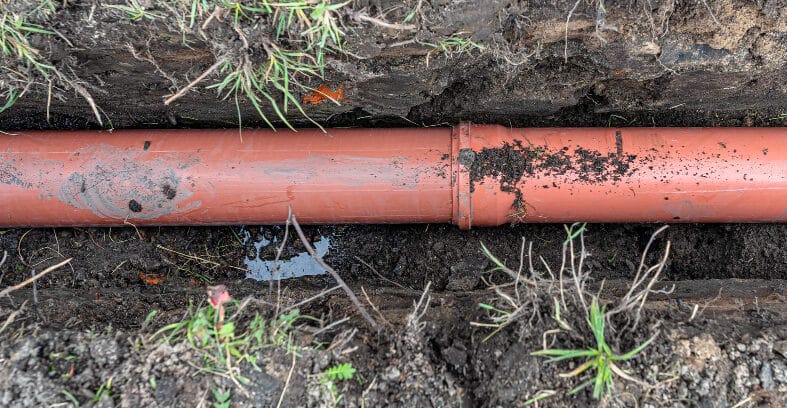
Trees add beauty to Kirkland neighborhoods, but their roots can cause serious problems for your home’s sewer system. Tree roots naturally grow toward water sources, and your sewer pipes provide exactly what they need. When roots find small cracks or joints in pipes, they push inside and grow larger, creating blockages and damage.
Tree root intrusion is one of the most common causes of sewer line problems in Kirkland homes, especially in older properties with aging pipes. The damp climate in the Pacific Northwest encourages aggressive root growth. Once roots get inside your sewer line, they can cause backups, leaks, and even complete pipe collapse if left untreated.
You might notice slow drains, gurgling sounds, or sewage backups in your home. These signs often point to root problems in your sewer line. Understanding how roots invade pipes and catching the problem early can save you from expensive repairs and protect your property from damage.
In this article, you will learn:
- How tree roots seek moisture underground
- Signs of sewer issues inside the home
- Consequences beyond simple blockages
- Identifying root intrusion with camera inspections
- Benefits of early detection and intervention
Keep reading to learn how to spot tree root damage early and protect your Kirkland home from thousands of dollars in sewer repairs.
How tree roots seek moisture underground
Tree roots grow toward water sources through a natural process that makes underground sewer lines an easy target. Small leaks or cracks in pipes release moisture and nutrients that attract roots, which then exploit these weak points and expand inside the pipes over time.
How roots locate small cracks in sewer pipes
Tree roots in sewer line systems don’t need large openings to find your sewer line. They detect moisture vapor that escapes through tiny cracks, loose joints, or small holes in pipes. Even a hairline fracture can release enough water vapor to draw roots toward the source.
Once roots sense this moisture, they grow directly toward it. According to the U.S. Forest Service, tree roots regularly extend two to three times beyond the canopy drip line when searching for water and oxygen in suitable soils. When they reach a crack or joint in your pipe, fine hair-like roots enter first.
These initial roots are thin and flexible. They can slip through openings as small as a pinhead. After they enter the pipe, they find warm water, oxygen, and nutrients from the wastewater flowing through your system.
The environment inside your sewer pipe is ideal for root growth. The roots multiply quickly once inside. What started as a few thin strands can grow into a thick mass that fills the pipe and catches debris flowing past, often requiring root intrusion removal by a qualified professional.
Why older sewer lines are especially vulnerable
Older sewer lines in Kirkland face higher risks of root invasion due to their materials and age. Clay and concrete pipes installed decades ago develop cracked sewer pipe issues and separations as they settle and shift over time. The joints between pipe sections often loosen, creating perfect entry points.
Clay pipes are particularly prone to root damage. They become brittle with age and crack more easily than modern materials. The porous nature of clay also allows moisture to seep through the pipe walls, which attracts roots even before visible cracks form.
Cast iron pipes deteriorate from the inside out through corrosion, making preventing sewer pipe corrosion a top priority for older homes. This process weakens the pipe structure and creates rough surfaces where roots can grip and grow. Metal pipes also develop rust holes that let moisture escape.
According to the U.S. Environmental Protection Agency, much of the nation’s underground wastewater infrastructure was installed between 50 and 100 years ago and is now at or beyond the end of its design life. Older installations often used shorter pipe sections with more joints, and each joint represents a potential weak spot where roots can enter your sewer line.
The gradual process leading to major damage
Root intrusion happens slowly at first. The initial invasion involves just a few small roots entering through a crack or joint. These roots grow thicker inside the pipe as they access water and nutrients, which is why root removal in sewer line work becomes necessary.
As roots expand, they create two problems simultaneously. The growing roots physically block the flow of wastewater through your pipe. They also apply pressure against the pipe walls and existing cracks, making those openings larger.
The roots act like a net that catches toilet paper, grease, and other debris. This buildup reduces flow even more. You might notice a slow draining sewer line or gurgling sounds as the blockage develops.
Over months or years, the pressure from expanding roots can crack pipes that were previously intact. The combination of blockages and structural damage eventually leads to backups, standing water, or sewage surfacing in your yard, sometimes requiring collapsed sewer line repair.
Signs of sewer issues inside the home
Tree root damage to your sewer line creates noticeable sewer line problems inside your home before the situation becomes critical. These warning signs often appear gradually and affect multiple areas of your plumbing system.
Recurring drain clogs
When tree roots invade your sewer line, you’ll notice clogs that keep coming back even after you clear them. The roots create a net-like structure inside the pipe that catches toilet paper, grease, and other waste materials.
Unlike a simple drain clog in a single drain, tree root blockages affect your main sewer line. This means you might clear a toilet or sink today, only to have the same problem return within days or weeks. Store-bought drain cleaners and plungers only provide temporary relief because they don’t address the roots causing the obstruction.
The clogs often worsen over time as the roots continue growing. What starts as a minor slow drain can progress to complete blockages that prevent your plumbing from working at all. Professional clogged sewer repair is the only permanent solution for this recurring problem.
Multiple fixtures draining slowly
Tree roots in your sewer line cause drainage problems throughout your entire home rather than in just one location. You might notice your toilets, sinks, showers, and washing machine all draining slower than normal at the same time.
This happens because the roots block your main sewer line, which carries waste from all your fixtures. The blockage creates a bottleneck that restricts water flow from every drain in your house. You may see water backing up in your shower when you flush the toilet, or your sink might drain slowly when you run the washing machine.
The problem becomes more obvious when you use multiple fixtures at once or when you use large amounts of water. These whole-house drainage issues point directly to a main sewer line is clogged problem rather than individual fixture clogs.
Gurgling sounds and sewer odors
Gurgling noises coming from your drains indicate air pockets trapped in your sewer line by root blockages. You’ll hear these sounds most often from toilets, but they can also come from sinks, tubs, and floor drains. The gurgling typically happens when you use nearby fixtures or when air tries to escape past the obstruction.
Smelly basement sewer odors inside your home signal a serious problem. Tree roots damage pipes and create openings where sewer gas escapes into your living space. According to the Agency for Toxic Substances and Disease Registry, hydrogen sulfide gas produced by decomposing organic matter creates a distinct rotten egg odor and can cause respiratory and eye irritation even at relatively low concentrations.
The odors may be strongest near drains or in your basement. They can appear intermittently or become constant as the root damage worsens. Both gurgling sounds and sewer smells require immediate professional inspection to prevent further pipe damage.
Consequences beyond simple blockages
Root intrusion doesn’t stop at creating clogs in your Kirkland sewer system. The damage progresses over time, leading to structural failures that threaten your entire plumbing infrastructure and property.
Cracks widening from root growth
Tree roots start small when they first enter your sewer pipes through tiny openings. Once inside, they absorb water and nutrients, causing them to expand rapidly. This growth puts constant pressure on the pipe walls from the inside.
The expanding roots act like wedges, forcing cracks to widen with each passing month. A hairline crack that was barely visible can become a significant break within a year. Older pipe materials like clay and concrete are especially vulnerable to this type of damage, sometimes leading to a broken sewer pipe situation.
As the cracks grow larger, more roots find entry points into your system. This creates a cycle where initial damage leads to worse problems. The structural integrity of your sewer line weakens until sections can no longer handle normal wastewater flow.
Pipe separation interrupting flow
Root pressure can push pipe sections apart at their connection points. Sewer pipes in Kirkland typically connect through joints that were sealed decades ago. These seals deteriorate over time, making them easy targets for aggressive root systems, often requiring sewer lateral repair.
When roots force pipes to separate, you lose the tight seal needed for proper drainage. Wastewater leaks into the surrounding soil instead of flowing toward the main sewer line. This creates soggy patches in your yard and waste contamination in your property’s soil.
Separated pipes also allow dirt and debris to enter your sewer system. The combination of roots, soil, and waste creates dense blockages that standard drain cleaning cannot fix. Your entire line may need a sewer line diagnostic to locate every separation point.
Structural damage increasing backup risks
Root damaged sewer pipes in Kirkland lose their ability to transport waste efficiently. The combination of cracks, separations, and internal root masses reduces your pipe’s effective diameter. What was once a four-inch pipe might function like a two-inch one.
This reduced capacity means waste moves slower through your system. Toilet paper, grease, and solid waste that would normally flow freely start accumulating. You’ll notice slow drains throughout your home before complete backups occur and require sewer backup repair.
Severe structural damage can cause pipe collapse, creating immediate and total blockages. When this happens, all wastewater has nowhere to go except back into your home through drains and toilets. Emergency sewer repair services become necessary to restore basic plumbing function.
Identifying root intrusion with camera inspections
A sewer camera inspection in Kirkland WA allows plumbers to see exactly where and how tree roots have entered your pipes without any excavation. The camera reveals the extent of the damage and helps determine whether you need cleaning, repairs, or full pipe replacement.
Recognizing root intrusion without digging
A video sewer inspection service uses a waterproof video camera attached to a flexible cable that travels through your sewer line. The camera sends live footage to a monitor above ground, showing the inside condition of your pipes in real time.
You can see roots as white or tan thread-like masses that grow through pipe joints or cracks. Small roots look like hair, while larger intrusions appear as thick tangles that fill the pipe opening.
The inspection identifies root entry points at pipe connections and damaged sections. Older clay or cast iron pipes are most vulnerable because their joints separate over time, creating gaps for roots to enter.
Common signs visible on camera include:
- Fine root hairs breaking through joints
- Thick root masses blocking water flow
- Roots wrapped around the inside of pipes
- Cracks or holes where roots penetrated
The camera operator can mark the exact depth and location of root intrusions using the cable’s distance markers.
Locating damaged sewer pipe sections
A sewer scope inspection service pinpoints the precise location of each damaged section in your sewer line. The technician measures how far the camera has traveled from the access point to map where problems exist underground.
Modern camera systems include locating transmitters that send signals to receivers above ground. This technology allows the plumber to mark the exact spot on your property where roots have damaged the pipe.
You receive a detailed report showing the depth and location of each problem area. This information eliminates guesswork and prevents unnecessary digging in your yard.
The inspection also reveals other issues like pipe bellies, offset joints, or cracks that might be letting roots inside. Knowing all damaged sections helps you plan repairs more efficiently and avoid future problems in weak areas.
Assessing whether to clean, repair, or replace
The camera footage helps determine the best solution for your root intrusion problem. Minor root growth with intact pipes usually only requires cleaning with mechanical cutting tools or hydro jetting drain cleaning.
Cleaning is sufficient when:
- Pipes show minimal cracks or damage
- Roots are small and haven’t caused structural issues
- The pipe material is still strong
Repair becomes necessary when roots have created specific damage points but most of the line remains sound. Relining sewer pipe methods can fix isolated sections without full excavation.
Replacement is recommended when:
- Multiple sections show severe deterioration
- The pipe material is old clay or Orangeburg
- Roots have caused extensive cracking throughout the line
- Previous repairs have failed
Your plumber uses the inspection results to provide repair estimates based on actual conditions rather than guesses. This approach saves you money by addressing only what needs attention, and may involve sewer line replacement contractors when full replacement is required.
Benefits of early detection and intervention
Catching tree root damage before it becomes severe can save you thousands of dollars and protect your property from serious complications. Regular inspections and timely sewer maintenance prevent minor root intrusion from turning into major sewer emergencies.
Preventing complete sewer blockages
Tree roots start small when they enter your sewer pipes through tiny cracks or loose joints. Over time, these roots grow thicker and trap debris like toilet paper, grease, and other waste materials. This combination creates blockages that restrict water flow through your pipes.
When you detect roots early through camera inspections, a plumber can remove them with sewer jetting services or mechanical cutting tools. High pressure drain cleaning clears your pipes before roots create a complete blockage. Complete blockages require emergency sewer repair work, which costs significantly more than routine maintenance.
Early removal also prevents roots from causing structural damage to your pipes. Roots that stay in pipes for months or years can crack the pipe walls and create weak spots. These weak areas eventually collapse and require a full main sewer line replacement instead of simple cleaning.
Reducing property damage and backups
Sewer backups cause water and waste to flow back into your home through drains, toilets, and basement fixtures. This creates health hazards and damages your floors, walls, and personal belongings. According to the Centers for Disease Control and Prevention, exposure to untreated sewage carries documented risk of pathogens that cause gastrointestinal illness, hepatitis A, and other serious infections, especially when wastewater contacts skin, eyes, or mucous membranes.
Tree roots outside your home can also cause damage when sewage leaks from cracked pipes into your yard. The leaked water creates soggy patches in your lawn, kills grass and plants, and produces foul odors. In severe cases, the ground above damaged pipes can sink or collapse, requiring underground sewer pipe repair.
Regular inspections help you avoid these problems completely. Plumbers performing professional drain cleaning can spot root intrusion when it’s just beginning and remove it before any waste backs up into your home. This protects your family’s health and prevents expensive cleanup and restoration work.
Long-term protection for plumbing systems
Your sewer system should last 50 to 100 years with proper care. Tree roots can cut this lifespan in half if you don’t address them quickly. Early intervention preserves your pipes and extends their useful life through proper sewer line maintenance.
Regular sewer drain cleaning and inspections every few years help you track the condition of your sewer lines. You can see where roots are entering and take steps to stop them. Plumbers may recommend installing root barriers in your yard or replacing specific pipe sections with root-resistant materials.
Preventive sewer line cleaning services cost much less than full sewer line replacement. A typical camera inspection and cleaning service costs a few hundred dollars. Complete sewer line cleaning service and repair runs into thousands of dollars when you need to excavate and replace damaged pipes. Investing in early detection through experienced sewer repair contractors protects your budget and gives you peace of mind.
Conclusion
Tree root damage to sewer lines is a serious issue for Kirkland homeowners. The city’s mature trees and aging underground pipes create conditions where roots can easily invade your sewer system.
You should take action before problems get worse. Regular inspections help catch root intrusion early, which saves you money on repairs. Professional plumbers can use cameras to check your pipes and find damage before it leads to backups or flooding.
Different repair options work for different situations. Hydro jetting clears roots from pipes without digging. Pipe lining fixes cracks where roots enter. Severe damage may require replacing sections of your sewer line.
The cost of repairs varies based on how much damage exists. Catching problems early usually means simpler and cheaper fixes. Waiting too long can lead to major repairs or full pipe replacement.
Your home’s plumbing depends on healthy sewer lines. Contact Pro Sewer Repair today to schedule a camera inspection and get the qualified local expertise you need to handle Kirkland’s specific challenges with tree roots and aging infrastructure.