

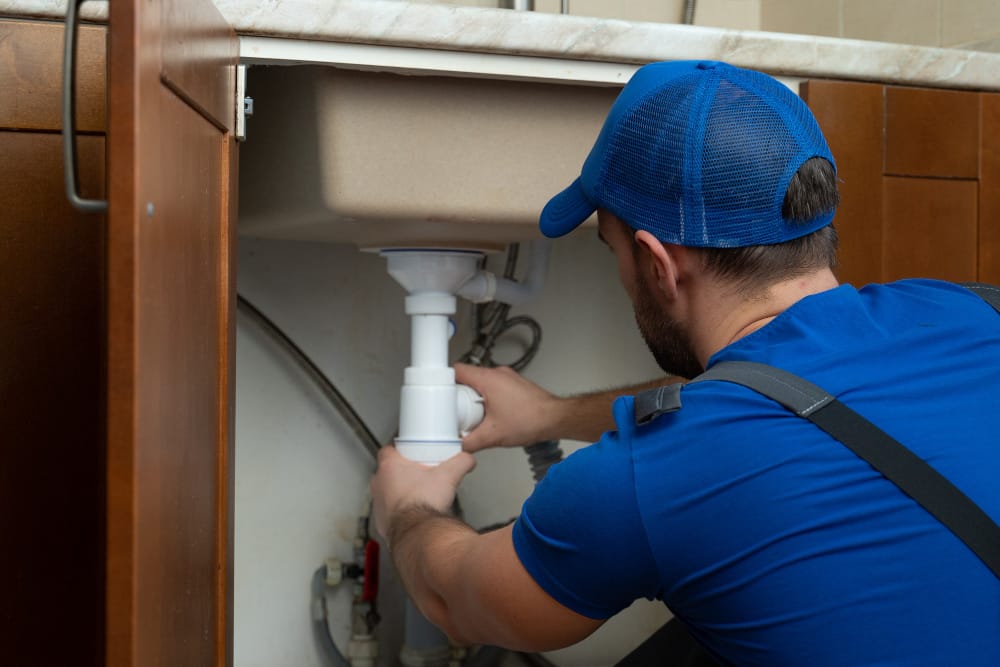
Sewer problems can disrupt your daily life and cause expensive damage to your Seattle home. Whether you live in Ballard, Capitol Hill, or Wallingford, understanding the warning signs of sewer line issues helps you act before small problems become major repairs.
Seattle homeowners face unique sewer challenges due to aging infrastructure, tree root growth, and heavy spring rainfall that can damage underground pipes. Many homes in King County and Snohomish County were built decades ago with sewer lines that now show their age. The region’s wet climate and abundant trees create conditions where roots seek out moisture in your pipes and rainwater puts extra pressure on underground systems.
Knowing what to look for can save you thousands of dollars in emergency repairs. This guide covers the most common sewer problems in the Seattle area and explains why catching these issues early makes a real difference for your home and wallet.
In this article, you will learn:
- Slow drainage throughout multiple fixtures
- Tree root intrusion in aging sewer lines
- Effects of heavy spring moisture on underground pipes
- Odor issues linked to underground pipe damage
- The importance of early detection and preventative action
Keep reading to learn how to spot the most common Seattle sewer problems early and protect your home from costly emergency repairs this summer.
Slow drainage throughout multiple fixtures
When several drains in your home start slowing down at the same time, you’re likely dealing with a blockage in your main sewer line rather than individual fixture problems. This type of drainage issue affects multiple areas of your home simultaneously and requires professional attention to prevent sewage backups.
Why multiple fixtures begin draining slowly at the same time
Your home’s plumbing system connects all drains to a single main sewer line that carries waste away from your property. When this main line develops a blockage or restriction, water from every fixture must flow through the same narrowed passage, creating a slow draining sewer line situation.
The problem typically starts small but grows worse over time. Tree roots, accumulated grease, or deteriorating pipe sections create partial blockages that restrict water flow throughout your entire system. A main sewer line is clogged situation often develops gradually before any major backup occurs.
You’ll notice the slowdown affects fixtures on lower levels first because gravity forces water downward through the restricted section. Upper-level drains may continue working normally at first, creating confusion about the source of the problem. Fixtures closest to the blockage struggle the most, while those farther away might show only minor drainage issues initially.
Warning signs that the blockage extends beyond a single drain
Multiple sewer line problems indicate you need residential sewer repair services in Seattle WA:
- Water backs up in your shower or bathtub when you flush the toilet
- Your washing machine causes gurgling sounds in nearby drains
- Kitchen and bathroom sinks drain slowly on the same day
- Ground-floor fixtures show problems when you use upstairs plumbing
Your toilets provide the clearest warning signals. When flushing one toilet causes water to bubble up in another bathroom’s drain, the blockage sits in your main line and may require sewer backup repair.
You might also notice sewage odors inside your home or wet spots appearing in your yard above the sewer line. These symptoms confirm the problem extends beyond a single fixture’s drain pipe.
When recurring clogs indicate a larger sewer issue
A drain clog that returns repeatedly within days or weeks points to an underlying sewer line problem. Standard drain cleaning only provides temporary relief because it doesn’t address the root cause in your main line.
You should call for professional inspection if you experience three or more clogs in the same area within a month. The blockage likely sits deeper in your system than basic drain snaking can reach, so clogged sewer repair becomes necessary.
Recurring problems often stem from:
- Broken or collapsed pipe sections that trap debris
- Invasive tree roots growing into pipe joints
- Severe corrosion in older cast iron or clay pipes
- Improper pipe slope preventing normal drainage
These structural issues require camera inspection and targeted repair rather than repeated drain cleaning attempts.
Tree root intrusion in aging sewer lines
Tree roots naturally seek out water sources, and older sewer pipes often provide easy access through deteriorated joints and small openings. Once inside, roots expand rapidly and create blockages that standard cleaning methods can’t fully resolve.
How roots enter aging sewer pipes through small cracks
Tree roots in sewer line systems grow toward moisture and nutrients found in your sewer lines. They can detect water vapor escaping from pipes even when the openings are extremely small.
Clay and concrete pipes installed before the 1970s are especially vulnerable. According to the U.S. Environmental Protection Agency, much of the nation’s underground wastewater infrastructure was installed between 50 and 100 years ago and is now at or beyond the end of its design life. These older materials develop cracked sewer pipe damage over time due to ground shifts, temperature changes, and general wear. Roots enter through these tiny openings, as well as through loose pipe joints where sections connect.
Once a root penetrates your pipe, it grows inside where water and waste provide constant nourishment. The root expands and creates larger cracks as it develops. Additional roots follow the same path into your sewer line.
Common entry points include:
- Cracked or broken pipe sections
- Separated joints between pipe segments
- Deteriorated seals around connections
- Porous concrete that allows seepage
Signs root intrusion is restricting wastewater flow
You’ll notice several warning signs when roots start blocking your sewer pipes. Multiple drains in your home may gurgle or drain slowly at the same time. This happens because roots create partial blockages that restrict water flow.
Toilets often show the first symptoms since they have the most direct path to your sewer line. You might see water backing up into bathtubs or showers when you flush. Recurring drain clog issues that happen in the same location every few months typically indicate root growth rather than simple debris buildup.
Standing water in your yard near the sewer line path can signal a serious blockage or broken sewer pipe. You may also notice unusually green patches of grass where roots have compromised your pipes. Professional sewer pipe repair services in Seattle can perform camera inspections to confirm root intrusion and show you exactly where the problem exists.
Why recurring backups often return after temporary fixes
Basic drain cleaning removes roots temporarily but doesn’t address why they entered your pipes. According to the U.S. Forest Service, tree roots regularly extend two to three times beyond the canopy drip line when searching for water and oxygen in suitable soils. The roots you see inside are connected to larger root systems outside that continue growing.
Standard rooter services cut through roots to restore flow. However, the remaining root structure regenerates quickly, often within months. Each time roots regrow, they create denser blockages than before, which is why root removal in sewer line work needs to be paired with structural repairs.
The cracks and openings that allowed initial root entry remain after cleaning. New roots follow the same path into your pipes because the structural damage hasn’t been repaired through proper root intrusion removal methods.
Temporary fixes leave these problems unresolved:
- Damaged pipe sections stay cracked
- Joint separations remain open
- Underground moisture continues attracting roots
- Pipe integrity keeps deteriorating
Permanent solutions require repairing or replacing damaged pipe sections to eliminate entry points completely.
Effects of heavy spring moisture on underground pipes
Spring moisture in Seattle creates specific problems for underground sewer systems through soil saturation, pressure changes, and ground movement. These conditions often expose weaknesses in existing pipes and can create visible signs of damage in your yard.
Saturated soil placing pressure on underground pipes
When spring rains saturate the ground, the soil around your sewer lines absorbs water and expands. This expansion creates uneven pressure on pipes from all directions.
Clay soils common in Seattle are particularly problematic because they swell significantly when wet. The pressure can cause pipes to shift position or develop stress points along their length. Older pipes made from clay or cast iron are especially vulnerable to this type of strain, making preventing sewer pipe corrosion a priority.
The ground may also lose its ability to support pipes properly when oversaturated. Without stable surrounding soil, pipes can sag or separate at their joints. This creates gaps where sewage can leak out and groundwater can seep in, sometimes leading to collapsed sewer line repair situations.
Existing cracks that become more noticeable over time
Small cracks in your sewer line often go undetected during dry weather. Spring moisture makes these cracks worse and brings them to your attention through obvious problems.
Water seeping into tiny cracks can widen them through freeze-thaw cycles and continuous moisture exposure. The cracks allow more water to enter your sewer system, which can overwhelm the line’s capacity. You may notice slow drains or gurgling sounds as water backs up.
Tree roots actively seek out moisture sources in spring as they begin growing. They find their way into existing cracks and grow inside the pipe. Once inside, roots expand and create blockages that require professional intervention or main sewer line replacement services from qualified sewer line replacement contractors to resolve.
Yard conditions that may indicate a damaged sewer line
Your yard often shows warning signs when spring moisture reveals sewer line damage. Recognizing these signs early can prevent costly emergency sewer repair services.
Common yard indicators include:
- Patches of grass that stay unusually green or grow faster than surrounding areas
- Soggy spots or standing water that appear even without recent rain
- Unpleasant sewage odors coming from your yard
- Sinkholes or depressions forming in your lawn
- Pavement or driveway sections that crack or settle unevenly
Areas of your yard directly above damaged sewer lines receive extra moisture and nutrients from leaking sewage. This creates the lush, green patches you might notice. Sinkholes develop when soil erodes into broken pipes, leaving empty spaces underground that eventually collapse, sometimes requiring sewer lateral repair work.
Odor issues linked to underground pipe damage
Foul sewer smells inside or around your home usually mean something is wrong beneath the ground. When underground pipes crack or break, they release gases that should stay contained in the sewer system.
Why foul smells often point to underground sewer issues
Your sewer system is designed to keep harmful gases away from your living spaces through proper venting and sealed pipes. When pipes crack, corrode, or separate underground, sewer gases escape into the surrounding soil and find their way into your home.
According to the Agency for Toxic Substances and Disease Registry, hydrogen sulfide gas produced by decomposing organic matter creates a distinct rotten egg odor and can cause respiratory and eye irritation even at relatively low concentrations. These gases include hydrogen sulfide, which smells like rotten eggs, and methane.
Damaged underground pipes create openings where gases leak out instead of moving through the proper ventilation system. Tree roots that break through pipes make these leaks worse by creating larger gaps. Older homes in Seattle often have clay or cast iron pipes that crack more easily as they age.
The smell gets stronger after you use water because it pushes more gas through the damaged sections. Heavy rain can also force gases up through breaks in your sewer line when groundwater saturates the soil around damaged pipes.
Common locations where homeowners first notice odors
You will likely smell sewer odors in your basement or lower levels first since gases rise from underground pipes through foundation cracks and floor drains. A smelly basement sewer issue often appears in bathrooms on the ground floor first because they connect directly to your main sewer line.
Typical problem areas include:
- Basement laundry rooms and utility spaces
- Bathrooms near the street-facing side of your home
- Crawl spaces and foundation perimeter
- Yard areas directly above your sewer line path
- Garages with floor drains
Some homeowners notice smells outside near their property line where the private sewer connects to the city system. Your yard may develop soft spots or unusually green patches of grass above a leaking pipe.
How damaged pipes allow gases to escape
Cracks in underground pipes create direct pathways for sewer gases to enter the soil around your home. Even small hairline cracks release enough gas to cause noticeable odors. The gases move through porous soil and enter your home through any available opening in the foundation.
Tree root intrusion creates some of the worst odor problems because roots break pipes apart as they grow. The roots seek out moisture and nutrients inside sewer lines, then expand and crack the pipe walls. This damage often happens gradually over several years.
Corrosion eats through metal pipes from the inside out, creating holes that leak both sewage and gases. Shifting soil and settling foundations can separate pipe joints, leaving gaps where gases escape freely. Professional sewer service teams in Seattle WA use cameras to locate these damage points without digging up your entire yard, including through underground sewer pipe repair methods.
The importance of early detection and preventative action
Catching sewer problems early through inspections and taking quick action can save you thousands of dollars in repairs. Regular sewer maintenance helps you avoid emergency situations and keeps your sewer system working properly throughout the year.
The role of camera inspections in diagnosing sewer problems
Sewer camera inspections let sewer professionals look inside your pipes without digging up your yard. A waterproof camera attached to a flexible cable travels through your sewer lines and sends back real-time video footage.
This technology shows exactly what’s happening inside your pipes. You can see tree root intrusions, cracks, blockages, and pipe deterioration on a monitor. A video sewer inspection service can pinpoint the exact location and depth of problems, which helps technicians plan the right repair approach.
Common issues camera inspections reveal:
- Tree root penetration
- Pipe corrosion and pitting
- Grease buildup
- Bellied or sagging pipes
- Cracks and breaks in pipe walls
A sewer scope inspection service gives you concrete evidence of your pipe’s condition. A complete sewer line diagnostic helps you make informed decisions about whether you need repairs, relining, or full replacement. You won’t waste money on unnecessary work or guesswork.
Identifying repair needs before a complete failure occurs
Small problems in your sewer system grow into major failures if left unchecked. A minor root intrusion can completely block your line within months. A small crack can collapse and require expensive excavation.
Regular inspections help you spot warning signs early. You might notice slow drains, gurgling sounds, or occasional backups. These symptoms often mean damage is developing in your pipes. Getting sewer line repair services at this stage costs much less than emergency repairs.
Trenchless repair methods like relining sewer pipe work best when damage is still limited. Once a pipe completely fails, you might need full excavation and replacement. Early detection gives you more repair options and keeps costs down, especially when working with reliable sewer repair contractors.
Benefits of addressing sewer issues before peak summer usage
Seattle experiences increased water usage during summer months as people water gardens, wash cars, and use more water overall. Your sewer system handles this extra load along with its regular waste removal duties, which is why proper sewer line maintenance matters so much.
Fixing sewer problems before summer prevents breakdowns during high-usage periods. A weak pipe that handles winter flows might fail under summer stress. Getting repairs done in spring or early summer through hydro jetting drain cleaning and other services means your system is ready for increased demand.
You also avoid the inconvenience of losing sewer function during peak season. Emergency repairs during summer can disrupt outdoor activities, landscaping projects, and family gatherings. Planned maintenance lets you schedule work at a convenient time rather than dealing with an urgent crisis.
Conclusion
Sewer repair in Seattle requires attention to specific local conditions. The city’s high water table and clay-heavy soils can speed up pipe damage, especially in older homes. You need to watch for warning signs like slow drains, sewage odors, or wet spots in your yard.
A camera inspection gives you clear answers about what’s wrong with your sewer line. This step helps you avoid guesswork and unnecessary digging. The inspection shows whether you need a small spot repair or full replacement.
Costs vary based on the work needed. Spot repairs typically range from $1,500 to $5,000 depending on pipe depth and how easy it is to access. Trenchless options often cost more upfront but save your landscaping and driveways.
Many Seattle contractors offer 24/7 emergency service when you have urgent problems like sewage backups. You should choose a licensed contractor with experience in local soil conditions and older Seattle homes built before 1960.
Regular maintenance helps catch problems early. Professional drain cleaning and periodic inspections protect your investment and prevent costly emergency repairs down the road. Contact Pro Sewer Repair today to schedule a camera inspection and keep your Seattle home protected through the busy summer months and beyond.