

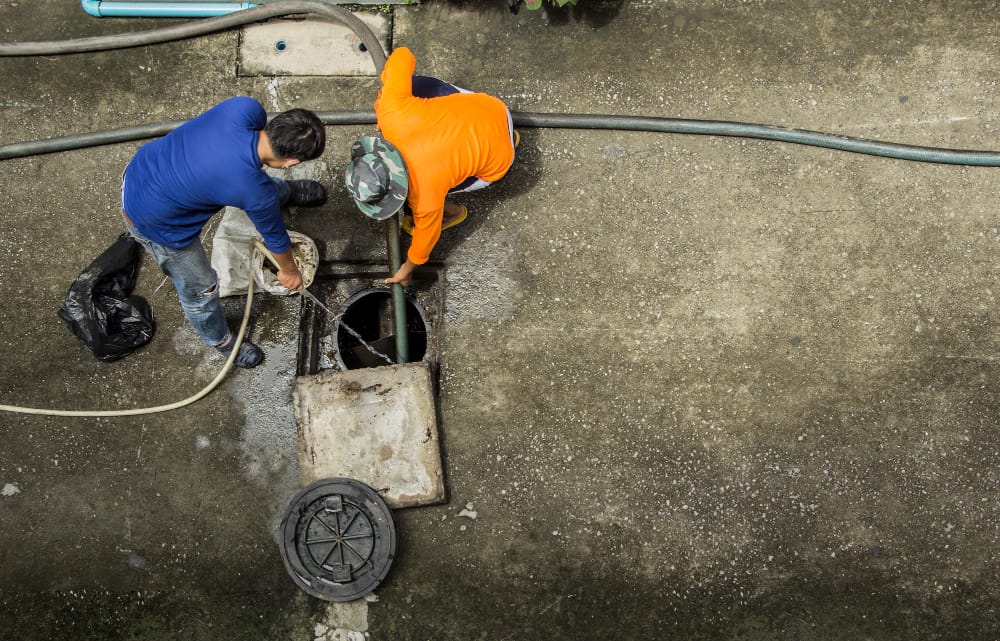
A sewer backup in your Bothell home creates an urgent situation that demands fast action. Raw sewage and wastewater can quickly damage your property, create health hazards, and disrupt your daily life. Professional sewer backup repair services in Bothell, WA can diagnose the problem, clean up the mess, and fix the underlying issue to prevent future backups.
Understanding what causes sewer backups and how to respond helps you protect your home and family. You need to know the warning signs that indicate trouble before a major backup occurs. Quick repairs save you money and prevent extensive damage to your property.
This guide walks you through the steps to take during a sewer emergency and explains how professionals fix these problems. You’ll learn what causes backups, how experts diagnose issues, and why timely repairs matter for your home’s safety and value.
In this article, you will learn:
- Immediate steps to take after a sewer backup
- Warning signs of sewer issues
- Frequent causes of residential sewer backups
- How professionals diagnose and resolve backups
- Impact of timely sewer repairs on property
Keep reading to learn exactly how to respond when a sewer backup hits your Bothell home and how to prevent it from happening again.
Immediate steps to take after a sewer backup
Acting quickly when sewage backs up into your home protects your family’s health and limits property damage. Turn off water immediately, keep everyone away from contaminated areas, and move items to safety.
Stopping water use to prevent additional wastewater overflow
Turn off all water sources in your home right away. This includes toilets, sinks, showers, washing machines, and dishwashers. Every gallon you use will add more sewage to the backup.
Check if the backup affects your whole house or just specific drains. If wastewater comes up through multiple fixtures, stop using water completely until professionals arrive for emergency sewer repair services in Bothell WA.
Don’t flush toilets or run water down any drain, even in areas that seem unaffected. The sewer system works as one connected network. Water you send down a working drain upstairs can push more sewage out of a backed-up toilet on the main floor.
Tell everyone in your household not to use water until the problem is fixed. Put signs on bathroom doors if needed to remind family members.
Keeping family members away from affected areas
Keep all people and pets out of rooms with sewage. According to the Centers for Disease Control and Prevention, exposure to untreated sewage carries documented risk of pathogens that cause gastrointestinal illness, hepatitis A, and other serious infections, especially when wastewater contacts skin, eyes, or mucous membranes.
Close doors to affected rooms and block them if necessary. Children and pets don’t understand contamination risks and may walk through sewage without realizing the danger.
Anyone who touched sewage needs to wash their hands thoroughly with soap and hot water for at least 20 seconds. Remove contaminated clothing and shoes immediately. Put them in sealed plastic bags until you can wash them separately or throw them away.
If sewage touched your skin, wash the area with antibacterial soap. Contact your doctor if you develop symptoms like nausea, diarrhea, or fever after exposure to sewage.
Protecting belongings from contamination and damage
Move furniture, electronics, and other items away from sewage as soon as you can do so safely. Wear rubber boots, waterproof gloves, and protective eyewear if you need to enter contaminated areas.
Take photos of all damage before moving anything. You’ll need these for insurance claims and to show sewer backup repair professionals in Bothell WA the full extent of the problem.
Don’t try to clean sewage yourself with household products. Professional cleanup requires specialized equipment, antimicrobial treatments, and proper disposal methods. Carpets, drywall, and insulation that absorbed sewage usually need complete replacement, not just cleaning.
Lift area rugs and remove small items from floors. Place salvageable belongings in clean, dry spaces away from the backup zone.
Warning signs of sewer issues
Sewer line problems rarely happen without warning. Your plumbing system typically shows clear signs when something is wrong, and catching these early can prevent major damage to your home.
Multiple drains slowing down throughout the home
When just one drain runs slowly, the problem is usually in that specific pipe. But when several drains in your home slow down at the same time, this points to an issue in your main sewer line is clogged situation.
You might notice water backing up in your shower when you flush the toilet. The kitchen sink might drain slowly even though you just cleaned it. These connected problems mean a blockage or damage exists deeper in your sewer system, often appearing as a slow draining sewer line.
Common causes include:
- Tree roots in sewer line systems growing into pipes
- Built-up grease and debris in the main line
- Broken or collapsed pipe sections
- Items that don’t break down flushed down toilets
The issue becomes worse over time as the blockage grows. Water takes longer to drain, and you may hear gurgling sounds from multiple fixtures. Don’t ignore these signs, as they indicate your sewer line needs professional attention before a complete backup occurs.
Toilets and drains backing up unexpectedly
Sewage backing up into your home is a clear emergency that requires immediate action. You might see wastewater coming up through floor drains, toilets overflowing without being clogged, or dirty water appearing in your bathtub or shower.
These backups happen when your sewer line can no longer move waste away from your home. The sewage has nowhere to go except back into your house through the lowest drains. This creates health hazards and can cause serious property damage.
Backups often occur after heavy rain in Bothell, which puts extra strain on sewer systems. You might also notice backups when you run large amounts of water, like doing laundry or taking a shower. Any backup of sewage needs professional clogged sewer repair right away to protect your family and property.
Persistent sewer odors indicating a developing problem
Your home should never smell like sewage. When you notice foul odors coming from drains, this means sewer gas is escaping into your living space, often creating a smelly basement sewer issue.
These smells often start small. You might catch a whiff near one drain, then notice it in other areas. According to the Agency for Toxic Substances and Disease Registry, hydrogen sulfide gas produced by decomposing organic matter creates a distinct rotten egg odor and can cause respiratory and eye irritation even at relatively low concentrations.
Sewer odors point to cracked sewer pipes, broken seals, or blockages that prevent proper venting. The smell can appear in your yard too, especially if you see unusually green or lush patches of grass. This happens when a leaking sewer line fertilizes that area. Both indoor and outdoor sewage smells require professional inspection to locate and fix the source of the problem.
Frequent causes of residential sewer backups
Sewer backups in your Bothell home typically stem from three main issues: tree roots breaking into underground pipes, buildup of grease and debris inside the lines, and structural damage to aging sewer pipes. Understanding these causes from what causes sewer backups helps you recognize warning signs and seek professional help before minor problems become major emergencies.
Tree root intrusion blocking underground sewer lines
Tree roots naturally grow toward water sources, making your underground sewer lines a prime target. Small cracks or loose joints in your pipes allow roots to enter and expand inside the line. Once inside, these roots create thick tangles that catch toilet paper, waste, and other materials flowing through your system, often requiring root intrusion removal by a qualified professional.
Older neighborhoods in Bothell face this problem more often because mature trees surround many properties. According to the U.S. Forest Service, tree roots regularly extend two to three times beyond the canopy drip line when searching for water and oxygen in suitable soils, which is why a single root invasion can block your entire sewer line within months.
You might notice recurring drain clog issues throughout your home or gurgling sounds from your toilets when roots start blocking your pipes. These blockages often worsen during spring and summer when trees actively grow. Professional camera inspections can locate exactly where roots have invaded your sewer line, allowing technicians to perform root removal in sewer line work and repair damaged sections.
Grease and debris accumulation restricting flow
Pouring cooking grease, fats, and oils down your kitchen drain causes significant sewer problems. According to the U.S. Environmental Protection Agency, fats, oils, and grease are a leading cause of sewer line blockages nationwide because they cool and harden inside pipes, trapping additional debris and reducing flow over time.
Food scraps, coffee grounds, and “flushable” wipes add to this problem. These items don’t break down properly in your sewer system. They stick to grease deposits and create stubborn blockages that backup into your home.
Common items that cause grease-related backups:
- Cooking oils and butter
- Meat fats and bacon grease
- Dairy products and sauces
- Coffee grounds and food particles
- Paper products labeled as flushable
Regular sewer drain cleaning and proper disposal habits prevent most grease-related backups. You should scrape plates into the trash and pour cooled grease into containers for disposal rather than washing them down the drain.
Damaged or collapsed sewer pipes causing wastewater backups
Your sewer pipes deteriorate over time from age, ground movement, and pressure from vehicles or structures above them. According to the U.S. Environmental Protection Agency, much of the nation’s underground wastewater infrastructure was installed between 50 and 100 years ago and is now at or beyond the end of its design life. Clay and cast iron pipes common in older Bothell homes become brittle and crack after decades of use, making preventing sewer pipe corrosion a priority.
Corroded pipes develop holes and weak spots that eventually fail under normal wastewater pressure. When a section of your sewer line collapses, it creates an immediate and complete blockage. A broken sewer pipe means wastewater has nowhere to go except back into your home through the lowest drains.
You need professional underground sewer pipe repair services when pipes suffer structural damage. Standard drain cleaning won’t fix collapsed sewer line repair situations. Repair options include trenchless pipe lining for minor damage or full pipe replacement for severely deteriorated sections.
How professionals diagnose and resolve backups
When you face a sewer backup, plumbers follow a clear process to find the problem and fix it correctly. They use cameras to locate blockages, remove whatever is causing the backup, and decide if your pipes need repair or full replacement.
Camera inspections used to identify the exact blockage location
Professional plumbers perform sewer camera inspections by inserting a small waterproof camera into your sewer line to see what’s causing the backup. This camera travels through your pipes and sends live video to a monitor above ground. The plumber can see tree roots, collapsed sections, grease buildup, or foreign objects blocking the flow.
A video sewer inspection service shows the exact location and depth of the problem without digging up your yard. This technology also reveals the condition of your pipes and whether damage exists in other areas. Most camera inspections take 30 to 60 minutes to complete.
You get a detailed report of what the camera found, often with recorded video footage. A sewer line diagnostic helps you understand what needs fixing and why.
Clearing obstructions and restoring normal wastewater flow
Once the blockage location is known, plumbers use specialized tools to clear it. For simple clogs, they use a motorized auger or drain snake that breaks through the obstruction. Tree roots require a rooter machine with cutting blades that slice through the invasive growth.
Hydro jetting drain cleaning works for stubborn blockages and buildup. High pressure drain cleaning methods shoot high-pressure water through your pipes at up to 4,000 PSI. Sewer jetting services break apart grease, scale, and debris while flushing everything toward the main sewer line.
After clearing the blockage, plumbers run water through your system to confirm normal flow has returned. They may perform another camera inspection to verify the line is completely clear.
Determining whether repair or replacement is necessary
Your plumber reviews the camera footage to assess pipe condition beyond just the immediate blockage. Cracks, corrosion, misaligned joints, or collapsed sections indicate you need sewer repair or potentially replacement that requires experienced sewer line replacement contractors.
Minor damage can be fixed with spot repairs or relining sewer pipe work, where technicians insert a resin-coated sleeve that hardens inside your existing pipe. Severe damage like collapsed pipes or extensive cracking requires a full main sewer line replacement, either through traditional excavation or trenchless methods.
The plumber considers your pipe’s age, material, and overall condition when making recommendations. Cast iron pipes from the 1950s, for example, may need replacement rather than repeated repairs through sewer lateral repair work. You receive cost estimates for different repair options so you can make an informed decision based on your budget and long-term needs.
Impact of timely sewer repairs on property
Acting quickly when sewer problems appear protects your home from serious damage and keeps repair costs manageable. Quick repairs prevent raw sewage from spreading through your property and causing health risks that require professional cleanup.
Reducing the risk of structural damage inside the home
Sewer backups release water and waste into your home’s foundation, walls, and flooring. This moisture seeps into concrete, wood framing, and drywall where it weakens the materials over time.
When sewage sits against your foundation, it creates pressure that can lead to cracks and settling. The longer contaminated water remains in contact with structural elements, the more damage occurs. Wood studs and floor joists absorb moisture and begin to rot, which compromises their ability to support your home.
Common structural problems from delayed repairs include:
- Cracked foundation walls and floors
- Warped or rotting floor joists
- Damaged drywall and baseboards
- Compromised electrical systems in walls and outlets
Fast action stops sewage from reaching these critical areas. Professional repairs fix the damaged pipe before backup occurs inside your living spaces.
Limiting mold and bacteria growth after contamination
Raw sewage contains harmful bacteria and pathogens that create health hazards in your home. When sewage backs up into your property, these organisms spread across floors, carpets, and walls.
Mold starts growing within 24 to 48 hours in areas exposed to sewage. It develops behind walls and under flooring where you cannot see it. This hidden growth damages building materials and releases spores into your air.
Professional sewer drain cleaning services and sewer cleanup remove contaminated materials and sanitize affected areas. These professionals use specialized equipment to dry out spaces and prevent mold from taking hold. The faster you address the backup, the less area becomes contaminated and needs treatment.
Bacteria from sewage makes surfaces unsafe for your family. Proper cleanup requires more than basic cleaning supplies to eliminate these health threats.
Avoiding larger restoration expenses through early action
Small sewer line problems cost hundreds of dollars to fix. Waiting until sewage backs up into your home increases costs to thousands or tens of thousands of dollars.
Early repairs might only require fixing a crack or clearing a blockage in your sewer line through sewer line repair services. Delayed action leads to complete pipe replacement plus restoration of everything damaged by the backup. You will pay for flooring replacement, drywall repairs, new carpeting, and professional cleaning services.
Your homeowner’s insurance may not cover damage from maintenance issues you ignored. Many policies exclude coverage when problems result from lack of upkeep. Regular sewer line maintenance and routine sewer maintenance shows you maintained your property properly.
Property value drops when sewer problems remain unaddressed. Buyers discover these issues during inspections, which leads to lower offers or failed sales.
Conclusion
Sewer backup problems need quick action to prevent damage to your Bothell home. When you notice warning signs like slow drains, gurgling sounds, or sewage odors, contact a licensed plumber right away.
Professional plumbers in Bothell offer several repair options. These include camera inspections to find the problem, hydro jetting to clear blockages, and trenchless repair methods that fix pipes without tearing up your yard.
Most local plumbing companies provide 24/7 emergency service. This means you can get help any time a backup happens, even on weekends or holidays.
Regular maintenance helps prevent future backups. You can schedule yearly inspections and sewer line cleaning service appointments to keep your sewer lines working properly.
Keep contact information for trusted sewer repair contractors handy. Fast response times matter when dealing with sewage emergencies. Local Bothell plumbers know the area’s sewer systems and common problems.
The cost of repairs depends on the problem’s severity and your chosen repair method. Trenchless repairs often cost more upfront but save money by avoiding landscape restoration. Traditional repairs may cost less but require more property work afterward.
Your sewer system is a critical part of your home. Contact Pro Sewer Repair today to schedule an inspection and protect your property value and your family from the health hazards of a sewer emergency.