

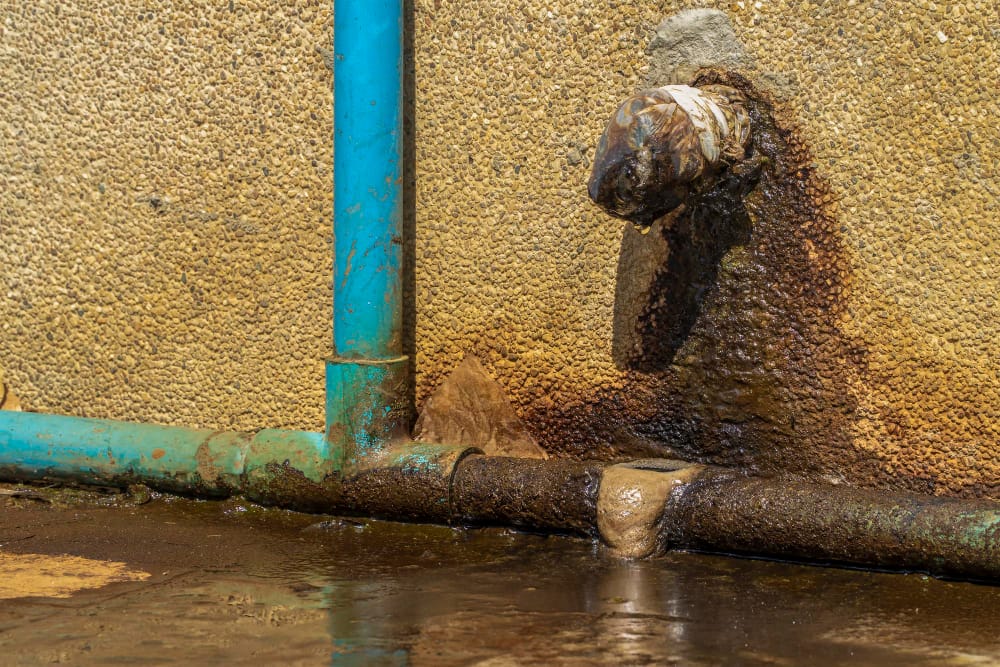
Your home’s sewer line carries waste away from your property every day, but most people don’t think about it until something goes wrong. If you’re dealing with frequent backups, slow drains, or sewage odors in your Everett, WA home, a full sewer line replacement might be the most effective solution. While repairs can fix some problems temporarily, certain situations call for replacing the entire line.
Understanding when repair isn’t enough can save you money and prevent serious damage to your property. Older pipes, invasive tree roots, and repeated plumbing issues are common signs that your sewer system needs more than a quick fix.
This guide will help you recognize when sewer replacement is necessary for your Everett home. You’ll learn about the warning signs, the benefits of modern sewer systems, and how replacing your line can protect your property from costly damage.
In this article, you will learn:
- Persistent sewer issues despite multiple repairs
- Limitations of repairing aged sewer infrastructure
- Impact of tree roots on sewer line integrity
- Preventing property damage through comprehensive solutions
- Advantages of upgrading to a modern sewer line system
Keep reading to learn when full sewer replacement makes more sense than repeated repairs and how a new line protects your Everett home for decades to come.
Persistent sewer issues despite multiple repairs
When you’ve called for repairs more than once but sewer line problems keep coming back, it signals deeper issues in your sewer system. Repeated service calls cost money and time while the actual problem continues to worsen underground.
Frequent backups that disrupt daily life
Sewer backups create immediate chaos in your home. Water and waste overflow from toilets, showers, or floor drains without warning. These backups often happen when you’re running laundry, taking showers, or using multiple fixtures at once.
The disruption goes beyond the mess. You can’t use your plumbing normally until someone fixes the problem. Your family has to adjust their routines around a failing system.
Backups that happen monthly or even weekly point to serious damage in your main sewer line, especially when the main sewer line is clogged again and again. Tree roots, collapsed pipes, or severe deterioration cause these repeated failures. A plumber might clear the blockage temporarily through sewer backup repair, but the underlying structural problem remains untouched.
Recurring drain issues despite previous service calls
Your drains slow down again just weeks or months after professional drain cleaning. Multiple fixtures drain poorly at the same time, or you notice gurgling sounds coming from your pipes. These signs indicate the problem extends beyond a single drain clog.
Standard drain cleaning removes blockages but doesn’t address cracks, breaks, or root intrusion in your sewer line. When you need sewer repair more than twice in a year, the pipe itself has likely deteriorated. Cleaning the inside of a broken pipe only provides short relief, and a slow draining sewer line keeps returning.
You might also notice wet spots in your yard, foul odors near your foundation, or higher water bills. According to the Agency for Toxic Substances and Disease Registry, hydrogen sulfide gas produced by decomposing organic matter creates a distinct rotten egg odor and can cause respiratory and eye irritation even at relatively low concentrations. These symptoms develop when damaged pipes leak continuously.
Why temporary fixes stop delivering long-term results
Snaking or hydro jetting drain cleaning clears obstructions from your pipes. These methods work well for simple clogs caused by grease, hair, or other debris. They fail when your sewer line has structural damage.
Common structural problems that temporary fixes can’t resolve:
- Pipes crushed by soil settling or tree roots
- Clay or cast iron pipes that have corroded through
- Joints separated by ground movement
- Bellied sections where pipes sag and trap waste
Each temporary repair buys you a few weeks or months. The costs add up quickly while your damaged pipe continues to break down. Full main sewer line replacement becomes necessary when repairs can no longer keep your system functional.
Limitations of repairing aged sewer infrastructure
Older sewer systems reach a point where simple repairs no longer provide lasting solutions. The structural integrity of aged pipes, combined with material breakdown and decades of use, creates conditions where repair work becomes a temporary fix rather than a reliable long-term answer.
Common signs of deterioration in older sewer systems
Your sewer system shows clear warning signs when it approaches the end of its useful life. Frequent backups in your drains or toilets indicate blockages that keep returning even after clogged sewer repair. You might notice slow drainage throughout your home, especially when multiple fixtures drain at once.
Sewage odors in your yard or basement point to cracks or breaks in the line, often creating a smelly basement sewer issue. Wet spots or unusually green patches in your lawn often mark where wastewater leaks into the surrounding soil. Sinkholes or depressions near sewer lines signal serious structural failure underground.
If you experience multiple sewer problems within a short time frame, your system likely needs more than spot repairs. Older pipes in Everett WA often show these symptoms due to the region’s soil conditions and age of housing stock.
Cracks, corrosion, and structural pipe failures
Clay and cast iron pipes, common in older Everett WA homes, deteriorate in specific ways. Cast iron corrodes from the inside out as hydrogen sulfide gas from waste converts to sulfuric acid. This process thins pipe walls until they crack or collapse completely, which is why preventing sewer pipe corrosion is critical for older homes.
Clay pipes develop cracked sewer pipe issues at joints where sections connect. Tree roots penetrate these weak points and expand inside the pipe, causing major blockages. The roots can break apart entire pipe sections as they grow, sometimes leading to a broken sewer pipe emergency.
Corrosion cannot be reversed through repair methods. Once pipe walls thin to a certain point, the remaining material lacks the strength to support soil weight above it. Patching individual cracks in severely corroded pipes wastes money because new failures appear in adjacent weakened areas within months.
How pipe age affects long-term reliability
Sewer pipes have defined lifespans based on their material. Cast iron pipes typically last 50-75 years, while clay pipes function for 50-60 years. Orangeburg pipes, used between 1860 and 1970, often fail within 30-50 years. According to the U.S. Environmental Protection Agency, much of the nation’s underground wastewater infrastructure was installed between 50 and 100 years ago and is now at or beyond the end of its design life.
After pipes exceed their expected lifespan, repair effectiveness drops significantly. A repaired section might hold for a year or two, but the rest of the line continues aging at the same rate. You end up paying for repeated repairs as different sections fail in sequence, sometimes including sewer lateral repair work that doesn’t solve the underlying issue.
Damaged sewer pipe replacement in Everett WA becomes more cost-effective than ongoing repairs once your system reaches 70-80% of its expected lifespan. The money spent on temporary fixes adds up quickly and provides no equity in your property like a full replacement does.
Impact of tree roots on sewer line integrity
Tree roots can compromise your sewer system by entering through small openings and expanding inside pipes until they create serious blockages and structural damage. Understanding how roots infiltrate your lines and recognizing the warning signs helps you decide between temporary fixes and full replacement.
How roots spread through damaged sewer lines
Tree roots naturally grow toward water sources in the soil. Your sewer pipes contain moisture and nutrients that attract nearby roots.
Tree roots in sewer line systems enter through tiny cracks, loose joints, or small leaks in your pipes. These openings can be as small as a hairline fracture. According to the U.S. Forest Service, tree roots regularly extend two to three times beyond the canopy drip line when searching for water and oxygen in suitable soils. Once a root finds an entry point, it grows inside the pipe where water and nutrients are abundant.
The roots expand rapidly inside your sewer line. As they grow thicker, they widen the original cracks and create new damage. Root masses can fill the entire pipe diameter over time, often requiring root intrusion removal by a qualified professional.
Older pipes made from clay or cast iron are most vulnerable to root intrusion. These materials develop more cracks and have joints that separate over time. Modern PVC pipes resist root damage better but can still fail at connection points.
Signs root intrusion has caused structural problems
Slow drains throughout your home indicate a blockage in your main sewer line rather than individual fixtures. When roots partially fill your pipe, water backs up in multiple locations.
You might notice gurgling sounds from toilets or drains when you use water elsewhere in your home. This happens when air gets trapped by root blockages.
Sewage odors near drains or in your yard suggest damaged pipes. Roots create openings where sewer gas escapes.
Watch for these outdoor warning signs:
- Soggy patches in your yard without recent rain
- Extra green or lush grass near your sewer line
- Sinkholes or depressions above your pipe route
- Sewage surfacing in your lawn
Frequent backups that return shortly after clearing mean roots have caused permanent damage. The structural integrity of your pipe has deteriorated beyond simple cleaning, sometimes leading to a collapsed sewer line repair situation.
When replacement becomes more cost-effective than repeated clearing
You face a decision point when root problems keep returning. Root removal in sewer line services every 6-12 months cost $300-800 per visit in the Everett area.
Calculate your annual clearing costs over three years. If you’re spending $1,500 or more on repeated treatments, replacement makes financial sense. A new sewer line costs $3,000-$15,000 depending on length and access but eliminates ongoing maintenance.
Pipe age matters significantly. Lines older than 40-50 years will continue developing new cracks even after root removal. You’re treating symptoms rather than solving the underlying problem.
A sewer camera inspection reveals the extent of structural damage. If your pipe shows multiple cracks, separated joints, or collapsed sections, replacement prevents future emergencies. Severely damaged pipes can collapse completely and require emergency sewer repair services.
Modern trenchless replacement methods reduce costs and property disruption. These techniques install new pipes through existing routes without extensive digging across your yard, with relining sewer pipe being one popular approach.
Preventing property damage through comprehensive solutions
Replacing a damaged sewer line protects your home from water damage, structural issues, and environmental contamination while restoring reliable wastewater removal.
Reducing the risk of future backups and leaks
Old or damaged sewer pipes create recurring problems that threaten your property. Cracks in aging pipes allow tree roots to invade the system, which leads to blockages and sewage backups inside your home. According to the Centers for Disease Control and Prevention, exposure to untreated sewage carries documented risk of pathogens that cause gastrointestinal illness, hepatitis A, and other serious infections, especially when wastewater contacts skin, eyes, or mucous membranes.
Residential sewer line replacement in Everett addresses these problems by installing new pipes that resist corrosion and root intrusion. Modern pipe materials last longer and maintain their structural strength over time. They form tight seals at connection points to prevent leaks that contaminate soil and groundwater around your property.
A complete replacement eliminates weak spots in your sewer system. You avoid the cycle of repeated repairs that add up in cost without solving underlying issues, including the need for underground sewer pipe repair on different sections every few months. New sewer lines handle wastewater efficiently without the constant threat of sudden failures that damage your home.
Protecting landscaping, driveways, and foundations
Leaking sewer lines saturate the soil around your property with wastewater. This moisture weakens the ground beneath driveways and walkways, causing them to crack and sink. Your foundation faces similar risks when water pools near its base, which leads to settling and structural damage.
Trenchless replacement methods used by qualified sewer line replacement contractors minimize disruption to your existing landscape. These techniques preserve your lawn, gardens, and hardscaping by requiring only small access points. Traditional excavation can destroy large sections of your yard, but modern approaches keep most of your property intact during the replacement process.
Fresh sewer pipes stop contaminated water from seeping into the surrounding soil. Your trees, shrubs, and grass no longer face exposure to harmful waste materials. You maintain property value by protecting both the visible features of your landscape and the hidden infrastructure beneath it.
Restoring dependable wastewater flow throughout the property
A properly functioning sewer line removes wastewater from all fixtures in your home without delays or backups. Damaged pipes create slow drains, gurgling sounds, and foul odors that indicate restricted flow. These symptoms worsen over time as blockages grow and pipe damage spreads.
New sewer lines provide smooth interior surfaces that resist buildup and blockages. Wastewater moves freely from your sinks, toilets, and drains to the municipal system. You regain normal water pressure and drainage speed throughout your home.
Reliable wastewater removal supports daily activities without interruption. Your family uses plumbing fixtures confidently, knowing the system handles the load. You eliminate emergency situations that require immediate attention and costly urgent repairs.
Advantages of upgrading to a modern sewer line system
Modern sewer systems deliver stronger performance, require less maintenance, and give you peace of mind about what’s happening beneath your property. These upgrades use better materials and installation methods that weren’t available when older systems were first installed.
Improved performance and long-term reliability
New sewer lines use materials like PVC, HDPE, and other engineered plastics that resist corrosion and root intrusion better than older clay or cast iron pipes. These materials typically last 50 to 100 years with minimal degradation.
Modern installations also feature better joint connections that prevent leaks and infiltration. Your new system will handle waste flow more efficiently because the pipes maintain smooth interior surfaces that don’t accumulate buildup like older materials.
When you upgrade, your sewer service in Everett WA can install pipes sized correctly for your current needs rather than outdated specifications. This means better drainage performance during heavy use and less chance of slow drains or backups. The improved flow capacity also reduces stress on the entire system and pairs well with routine sewer line maintenance for long-term reliability.
Fewer emergency repair calls and maintenance concerns
Old sewer lines often need repairs every few years as problems pile up. A new system eliminates the cycle of frequent fixes and service calls that come with aging infrastructure, reducing the need for sewer line repair services on the same sections repeatedly.
Modern pipes don’t develop the same issues that plague older systems. You won’t deal with collapsed sections from soil pressure, bellied pipes that trap waste, or separated joints that leak.
Common problems eliminated by upgrading:
- Root intrusion through cracked joints
- Corrosion and deterioration of pipe walls
- Offset or misaligned pipe sections
- Scale buildup restricting flow
Your maintenance needs drop significantly after installation. Regular sewer maintenance becomes simpler and less frequent because the system operates reliably without the weak points that caused previous problems.
Greater confidence in the condition of underground plumbing
You gain clarity about your property’s sewer infrastructure when you install a complete new system. This eliminates uncertainty about pipe condition, remaining lifespan, and hidden damage that a video sewer inspection service might reveal.
A documented new installation gives you records of exactly what’s underground, where it’s located, and what materials were used. A complete sewer line diagnostic and a sewer scope inspection service afterward prove valuable for future maintenance or property improvements.
Your new system also comes with warranties that protect your investment. Most professional installations include coverage for materials and workmanship, giving you protection against defects or installation issues. This coverage provides financial security that repairs to old systems can’t match.
Conclusion
Your sewer line keeps your home running smoothly. When problems occur, you need professional help to fix them right.
Everett offers many qualified plumbing companies that handle sewer line replacement. These local professionals use modern methods like trenchless technology and traditional excavation. Both approaches work well depending on your specific situation.
Replacing your sewer line protects your property value. It also prevents health hazards and environmental damage. Old or damaged pipes cause backups, leaks, and contamination risks.
Most companies in Everett provide free estimates. This lets you compare options before making a decision. Ask about their repair methods and timeline for completion.
Your choice depends on the damage extent, pipe age, and budget. Experienced sewer repair contractors can inspect your system and recommend the best solution. They use cameras and other tools to find problems without guessing.
Getting your sewer line replaced promptly saves money in the long run. Small issues become expensive emergencies when ignored. Contact Pro Sewer Repair today to assess your Everett home’s sewer line needs and get a long-term solution that protects your property for decades to come.